Sign up with Google
 Sign in with Zoho
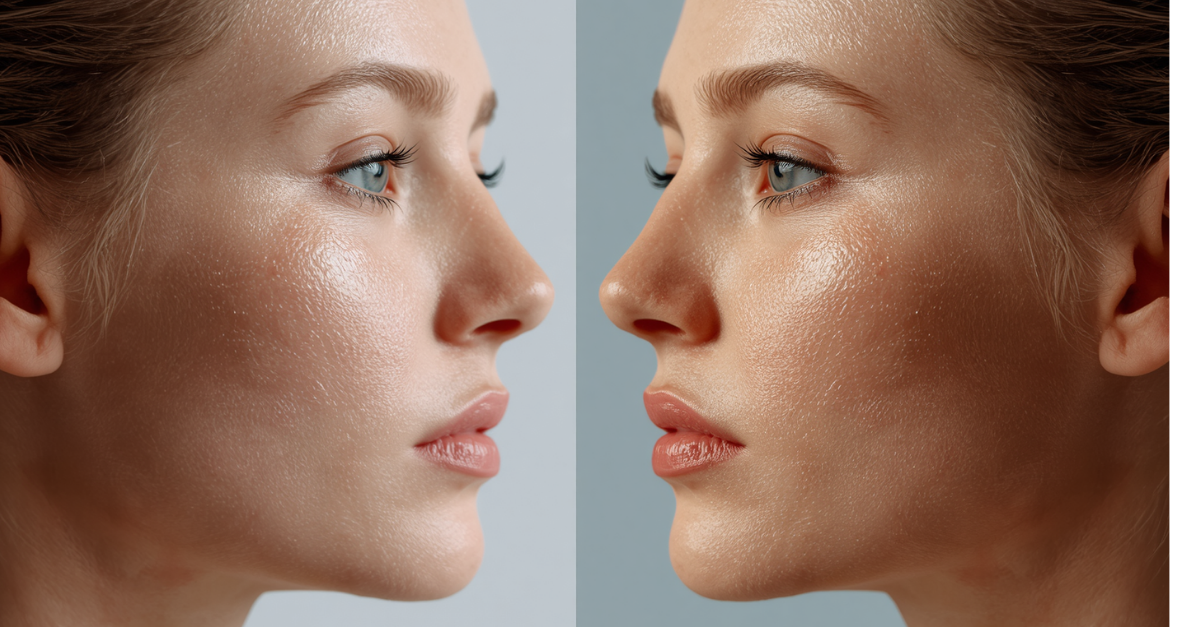
If you’re comparing skin boosters vs Profhilo, you’re likely looking for a treatment that improves skin quality without changing your natural features. Both options are designed to hydrate and rejuvenate the skin—but they work in different ways and suit different goals.
The key difference is this: skin boosters treatment focuses on deep hydration and gradual skin improvement, while Profhilo treatment spreads beneath the skin to stimulate collagen and improve overall skin laxity.
What Are Skin Boosters?
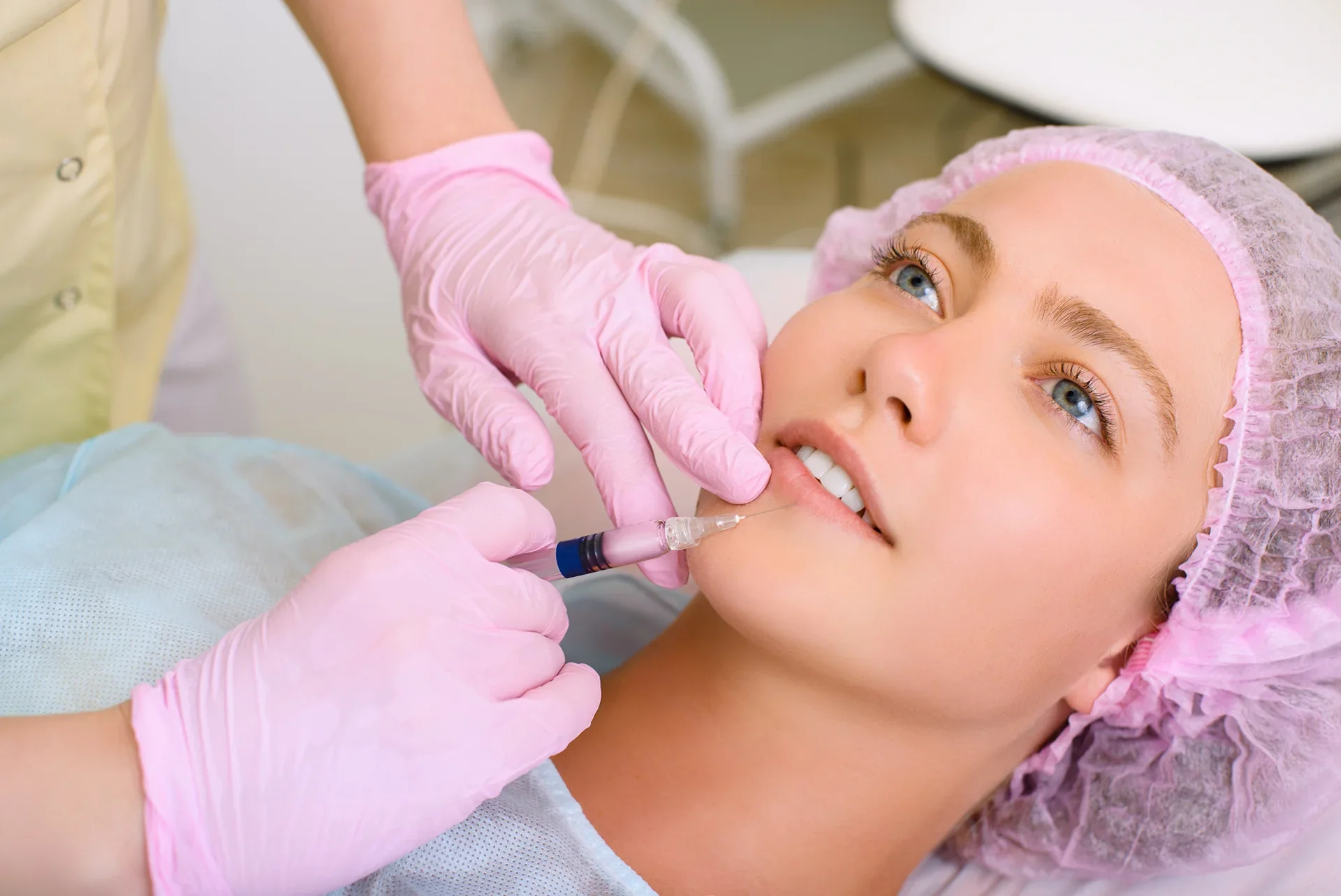
Skin boosters are injectable treatments that deliver hyaluronic acid skin treatment directly into the skin to improve hydration, texture, and elasticity.
They are typically placed across multiple points in the treatment area, allowing for even distribution and targeted skin improvement.
What they do:
- Improve hydration from within
- Smooth fine lines
- Enhance skin texture
- Restore natural glow
This makes skin boosters treatment ideal for people with dry, dull, or tired-looking skin.
What Is Profhilo?
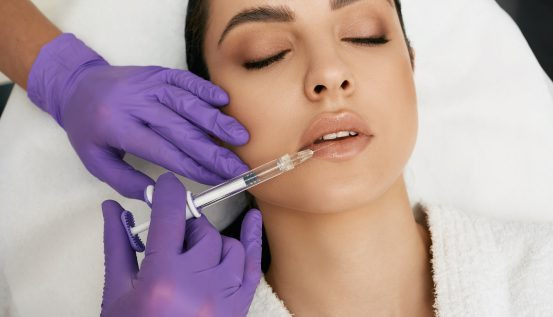
Profhilo treatment is also based on hyaluronic acid but works differently. Instead of targeting specific areas, it spreads beneath the skin to stimulate collagen and elastin production.
It is injected at specific points and then disperses naturally across a wider area.
What it does:
- Improves skin laxity
- Boosts collagen stimulation
- Enhances firmness
- Provides overall skin tightening effect
This makes Profhilo vs skin boosters a comparison of hydration vs structural support.
Skin Boosters vs Profhilo: Key Differences
Understanding difference between skin boosters and profhilo helps you choose the right treatment.
Technique
- Skin boosters: Multiple micro-injections across the skin
- Profhilo treatment: Fewer injection points with wider spread
Purpose
- Skin boosters treatment: Hydration and skin quality
- Profhilo treatment: Firmness and collagen stimulation
Results
- Skin boosters before and after: Smoother, hydrated, glowing skin
- Profhilo results: Tighter, firmer, more lifted appearance
Which Treatment Is Better for You?
Choosing between skin boosters vs Profhilo depends on your skin concern.
- If your main issue is dryness, dullness, or uneven texture → skin boosters treatment is usually the better option
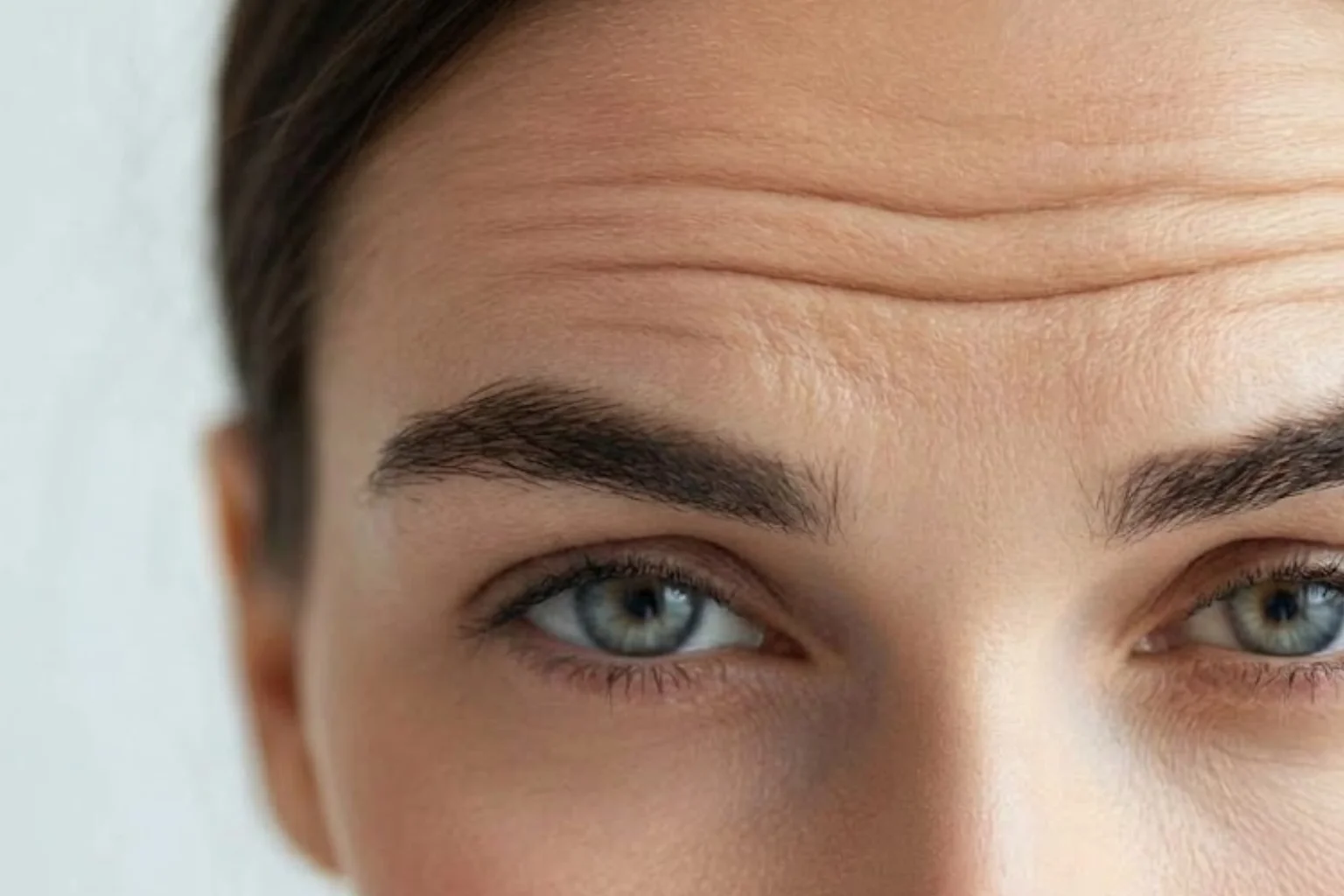
- If you’re noticing skin laxity or early sagging → Profhilo treatment may be more suitable
In many cases, a personalised plan in a medical aesthetic clinic may combine both treatments for optimal results.
How Long Do Results Last?
Both treatments offer gradual improvement rather than instant change.
- Skin boosters treatment: Results build over 2–4 weeks and improve with multiple sessions
- Profhilo treatment: Noticeable improvement typically appears within 4–6 weeks
Maintenance is important for both to sustain results.
Are Skin Boosters and Profhilo Safe?
Both treatments are considered safe when performed by a qualified professional.
Common side effects may include:
- Mild swelling
- Redness
- Small injection marks
These usually resolve quickly and are part of normal healing.
Can You Combine Skin Boosters and Profhilo?
Yes, combining treatments is common in modern aesthetics.
While skin boosters treatment improves hydration and surface quality, Profhilo treatment works deeper to improve structure and firmness.
Together, they can create more balanced and natural-looking results.
Conclusion
When comparing skin boosters vs Profhilo, the best choice depends on your skin goals.
If you want hydration, smoother texture, and a natural glow, skin boosters treatment is ideal. If your focus is firmness and skin tightening, Profhilo treatment may be more effective.
FAQs
Is Profhilo better than skin boosters?
Not necessarily. Profhilo vs skin boosters depends on your concern—firmness vs hydration.
Can skin boosters and Profhilo be used together?
Yes, combining them can improve both hydration and skin structure.
How many sessions are needed?
Both treatments usually require 2 sessions initially, followed by maintenance.
Do results look natural?
Yes, both treatments focus on improving skin quality rather than altering facial features.