Sign up with Google
 Sign in with Zoho

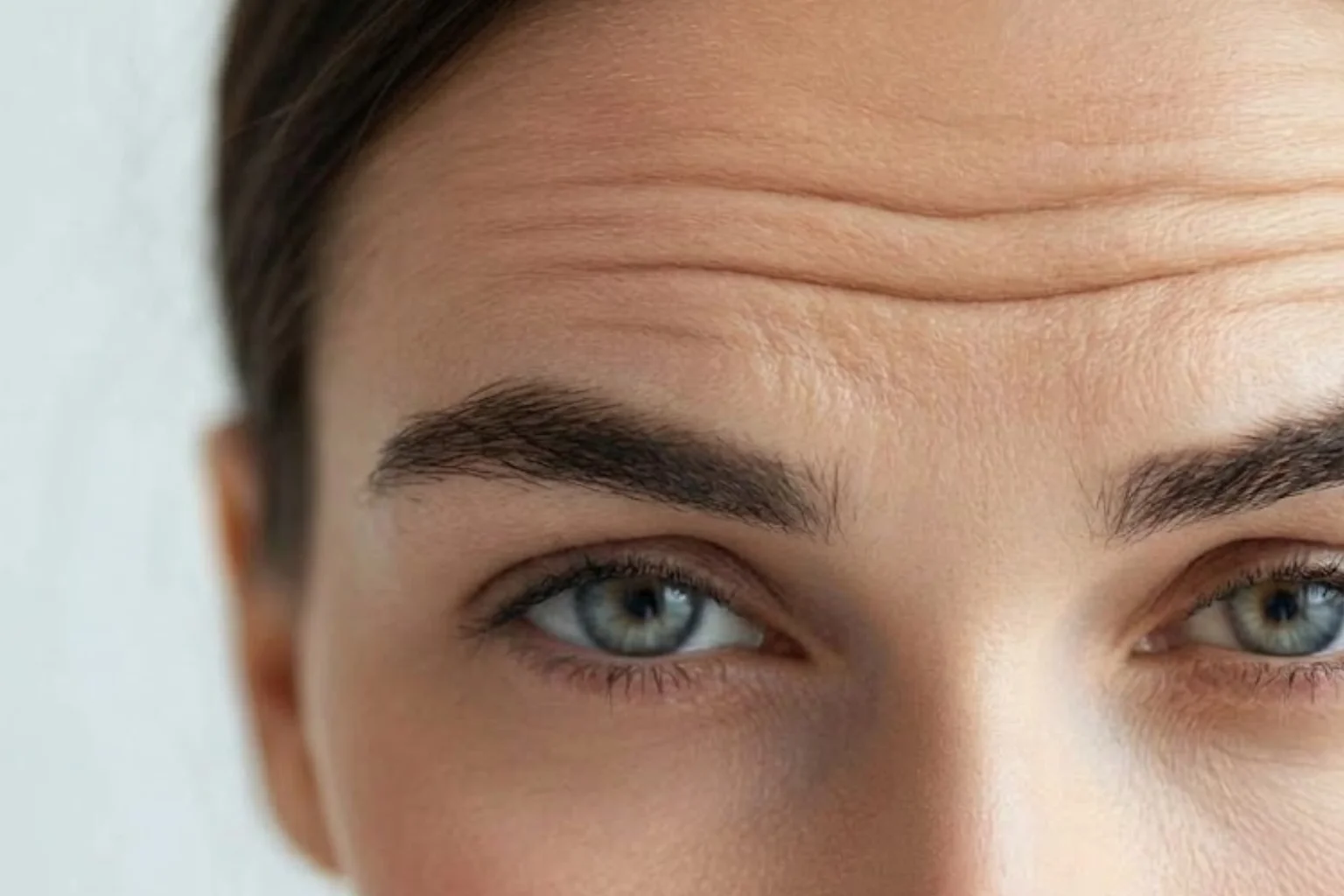
Although applying moisturizer regularly does not necessarily create that radiant and youthful look that people seek, the skin may feel smooth and comfortable but look dull, without any glow or with tiny wrinkles. This may be quite disappointing especially when the cause of such a contrast between the feeling and look of the skin is not dryness.
A skin hydration treatment focuses on improving moisture levels and the overall appearance of the skin rather than simply adding surface moisture. Injectable hyaluronic acid skin boosters are one option for suitable individuals, as they are designed to support skin hydration and quality. At Dr Salim Aesthetic Medicine, skin boosters treatment can be discussed following an assessment of skin condition, texture and individual concerns.
It is significant to distinguish between hydration and skin appearance. The reasons for dullness could include many things from built-up dead skin cells, sun damage, changes in collagen production, and lack of elasticity. The solution lies in dealing with the root of the problem, not switching lotions.
Why Can Skin Look Dull Without Feeling Dry?
The moisture content and the radiance of skin are linked together, but they are not the same.
The stratum corneum is the outermost layer of the skin, which is made up of cells and natural moisturising agents that help in retaining water. In case the function of this layer is good, then the outer surface will be comfortable and smooth-looking.
But just because the surface of skin is well hydrated does not mean that the underlying layers of skin have the same structure.
There are many factors that influence its appearance:
Dead skin cell build-up: Dead skin cells keep coming off from the skin and getting replaced by new skin cells.
Reduced collagen support: Collagen provides structural support within the dermis. Gradual changes in its quantity and organisation can affect firmness and the appearance of fine lines.
Sun exposure: Ultraviolet radiation contributes to photoageing, affecting collagen, elasticity and the overall appearance of the skin.
Uneven skin tone: Areas of pigmentation and redness can make the complexion appear less uniform, even when moisture levels are adequate.
Changes in skin turnover: The natural renewal process can become less efficient with age, contributing to a rougher or less luminous surface.
These factors explain why applying a richer moisturiser does not necessarily resolve every concern associated with dull-looking skin.
Is Dehydrated Skin Different From Dry Skin?
The terms dry and dehydrated are often used interchangeably, but they describe different aspects of skin condition.
Dry skin generally refers to a skin type associated with reduced oil production. It can feel rough, tight or flaky because the surface does not have sufficient lipids to maintain its protective barrier effectively.
Dehydrated skin describes a condition involving insufficient water content. It can affect people with oily, combination or dry skin.
Some common signs include:
- Fine lines that become more noticeable when the skin is stretched.
- A tight sensation after cleansing.
- Rough or uneven surface texture.
- A tired appearance despite regular moisturising.
- Makeup settling into fine lines or dry patches.
A person can therefore have oily skin that is also dehydrated. Adding heavy oil-based products is not necessarily the right response because the concern may involve water retention rather than insufficient oil.
How Does Ageing Affect Skin Hydration and Radiance?
The appearance of the skin changes gradually as its underlying structures evolve.
Collagen and elastin help maintain firmness and flexibility. With increasing age, their production and organisation change, while existing structural proteins undergo gradual breakdown.
Hyaluronic acid is another important component. Naturally present within the skin, it attracts and holds water, contributing to tissue hydration and the properties of the extracellular matrix.
Changes in these components can affect how the skin looks and behaves.
The surface might become less supple, fine lines more noticeable and areas of uneven texture more apparent. These changes are not always corrected by topical moisturisers because the underlying concern is not limited to the outer skin barrier.
Sun exposure, smoking, environmental pollution and individual ageing patterns can further influence these changes.
Why Does Moisturiser Sometimes Stop Making a Visible Difference?
Moisturisers remain an important part of skincare, but different formulations work through different mechanisms.
Humectants such as glycerine and hyaluronic acid attract water. Emollients help soften the skin, while occlusive ingredients reduce water loss by forming a protective layer.
A well-formulated moisturiser can improve comfort, reduce dryness and support the skin barrier.
However, it cannot directly replace lost collagen or correct established structural changes within the dermis.
This is where the distinction between topical skincare and injectable treatments becomes relevant. Both have different purposes, and neither should be considered a complete replacement for the other.
A suitable skincare routine supports the surface, while certain aesthetic procedures aim to address specific concerns involving deeper skin quality.
How Do Hyaluronic Acid Skin Boosters Work?
Hyaluronic acid is naturally present in the skin and has an important role in maintaining tissue hydration.
Unlike traditional volumising dermal fillers, hyaluronic acid skin boosters are generally intended to improve skin quality rather than reshape facial features or create prominent volume.
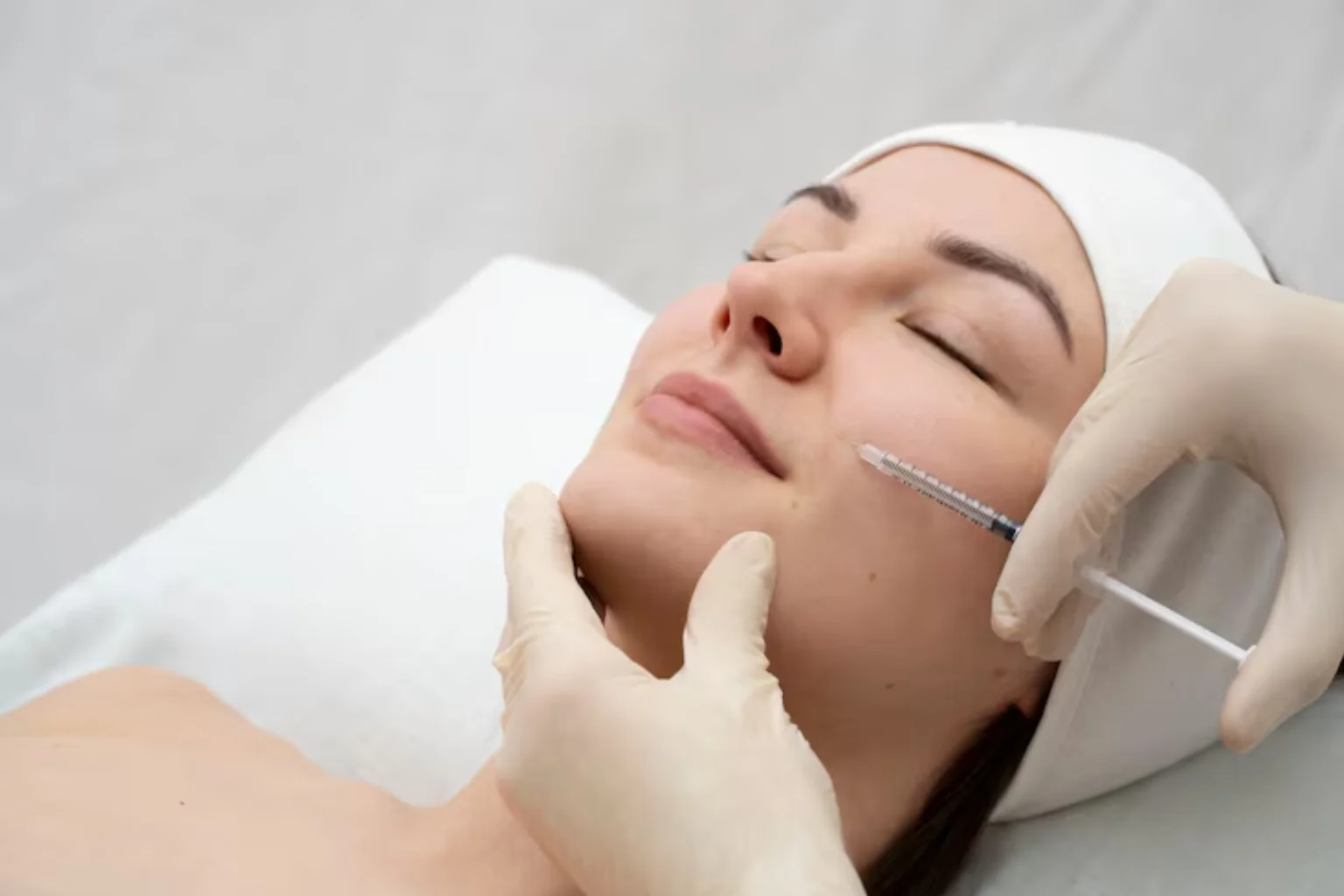
Depending on the formulation, they are administered through carefully placed injections into selected tissue layers. Their intended effects include improvements in hydration, elasticity and aspects of skin texture.
Clinical studies have reported encouraging results, although outcomes differ according to the product, injection technique, treatment schedule and individual characteristics.
A systematic review of injectable hyaluronic acid studies also reported improvements in several measures of facial skin quality, while highlighting the need for larger and more consistent clinical trials.
The objective is gradual improvement in the skin's appearance rather than an immediate change in facial structure.
Who Might Consider Injectable Skin Hydration?
An injectable approach may be worth discussing when someone is concerned about persistent skin dullness, reduced elasticity, fine surface lines or a generally tired-looking complexion.
However, not every person with dull skin requires injections.
For someone whose main concern is surface dryness, adjusting skincare products and improving barrier care might be sufficient. Where pigmentation is the dominant concern, other treatments may be more appropriate.
A clinical assessment should consider:
- Current skin condition and hydration.
- Degree of elasticity and visible textural changes.
- Previous aesthetic procedures.
- Medical history and relevant contraindications.
- Individual expectations and treatment goals.
It is also important to discuss possible adverse effects. Injectable procedures can cause temporary redness, swelling, tenderness and bruising. Less common but serious complications, including vascular compromise, should be discussed as part of informed consent.
At Dr Salim Aesthetic Medicine, medical aesthetic treatments and clinical assessment provide an opportunity to discuss the most appropriate approach for individual skin concerns.
Can Skin Boosters Replace a Daily Skincare Routine?
No. Injectable treatments and everyday skincare have complementary roles.
A skin booster does not remove the need for cleansing, moisturising or sun protection. These measures remain important for maintaining the skin barrier and limiting environmental damage.
A sensible routine generally includes a gentle cleanser, a moisturiser suited to the individual's skin type and broad-spectrum SPF 30 or higher during the day.
Other products, including retinoids and antioxidants, can be considered according to skin tolerance and specific concerns.
The decision to introduce an injectable procedure should be based on whether the underlying concern is suitable for that approach, rather than assuming that more treatments will automatically produce better skin.
Conclusion
Skin can look dull even when it feels adequately moisturised because hydration is only one part of overall skin quality. Collagen changes, sun exposure, accumulated dead skin cells and uneven pigmentation can all influence the appearance of the complexion.
Understanding which factors are responsible helps avoid relying on moisturisers to address concerns they are not designed to correct.
For suitable individuals, injectable hyaluronic acid treatments can be considered as an additional approach to improving hydration and aspects of skin quality. A proper assessment helps establish whether this is appropriate or whether skincare adjustments and other treatments would be more beneficial.
Frequently Asked Questions
1. Why does my skin look dull even after applying moisturiser?
Moisturiser helps maintain surface hydration, but dullness can also result from dead skin cell accumulation, pigmentation, sun damage and changes in collagen. These concerns require different approaches.
2. Can hyaluronic acid improve skin hydration?
Yes. Hyaluronic acid attracts and retains water. It is used in topical skincare and certain injectable formulations, although their mechanisms and effects are different.
3. Are skin boosters the same as dermal fillers?
No. Skin boosters are generally designed to improve hydration and skin quality, whereas traditional dermal fillers are primarily used to restore volume, contour or support specific facial areas. Some formulations and applications can overlap, so the product and treatment technique matter.
4. Do skin boosters improve skin elasticity?
Some clinical studies have reported improvements in skin elasticity following injectable hyaluronic acid treatments. The degree of improvement depends on the formulation, treatment approach and individual response. Results are not guaranteed.









.webp)