Sign up with Google
 Sign in with Zoho
It is extremely important to consume enough water to keep oneself healthy; however, there is no guarantee that it will lead to the hydration and healthy skin. Some people even have dehydrated skin because of consuming too much water; hence, their skin appears dry, rough, and has visible fine lines. It happens for many different reasons.
The skin barrier, natural oil production, environmental exposure and changes associated with ageing all influence how well the skin retains moisture. Understanding these factors helps explain why drinking more water alone does not always improve the appearance of dehydrated skin. In some cases, a skin booster injection may be considered as part of a treatment approach to improve skin hydration and overall quality.
Why Drinking Water Does Not Always Improve Skin Hydration
Water taken on board during the day helps to maintain physiological processes within the body, such as healthy tissue maintenance. But skin hydration is also affected by the integrity of the most superficial layer of the skin, which is called the stratum corneum.
The stratum corneum plays a role of a protective barrier that protects from excessive water loss. When the integrity of the barrier is breached, water is lost through the skin. The phenomenon is called transepidermal water loss.
Thus, a person who consumes a lot of water may have dry skin because of impaired skin barrier function.
What Causes Skin to Lose Moisture?
Several factors contribute to reduced moisture retention. These causes often overlap, which explains why skin dehydration can persist even when someone follows a regular skincare routine.
1. A Weakened Skin Barrier
The skin barrier contains natural lipids, including ceramides, cholesterol and fatty acids. These substances help maintain the structure of the outer skin layer and limit moisture loss.
Frequent exfoliation, harsh cleansers and unsuitable skincare products can disturb this protective structure. When the barrier becomes compromised, the skin often feels tight, sensitive or rough.
2. Reduced Natural Hyaluronic Acid
Hyaluronic acid is naturally present within the skin and helps retain water. It contributes to skin hydration, softness and a plump appearance.
As the skin ages, its natural composition and ability to maintain moisture change. This can contribute to a less supple appearance, particularly around the cheeks, forehead and under-eye area.
3. Environmental Exposure
Cold weather, indoor heating, air conditioning and low humidity can increase moisture loss from the skin.
People who regularly move between heated indoor environments and colder outdoor conditions might notice that their skin becomes increasingly dry during certain seasons.
Sun exposure also contributes to changes in skin structure over time, affecting its texture, elasticity and overall appearance.
4. Changes in Natural Oil Production
Sebum is the natural oil produced by the sebaceous glands. It helps support the skin's protective surface and reduces excessive moisture loss.
Natural oil production can change with age, hormonal fluctuations and certain skincare treatments. When the skin produces less oil, it can become more vulnerable to dryness and irritation.
How to Recognise Dehydrated Skin
Dehydrated skin does not always look visibly dry. Someone with an oily complexion can also experience a lack of water within the skin.
Common signs include:
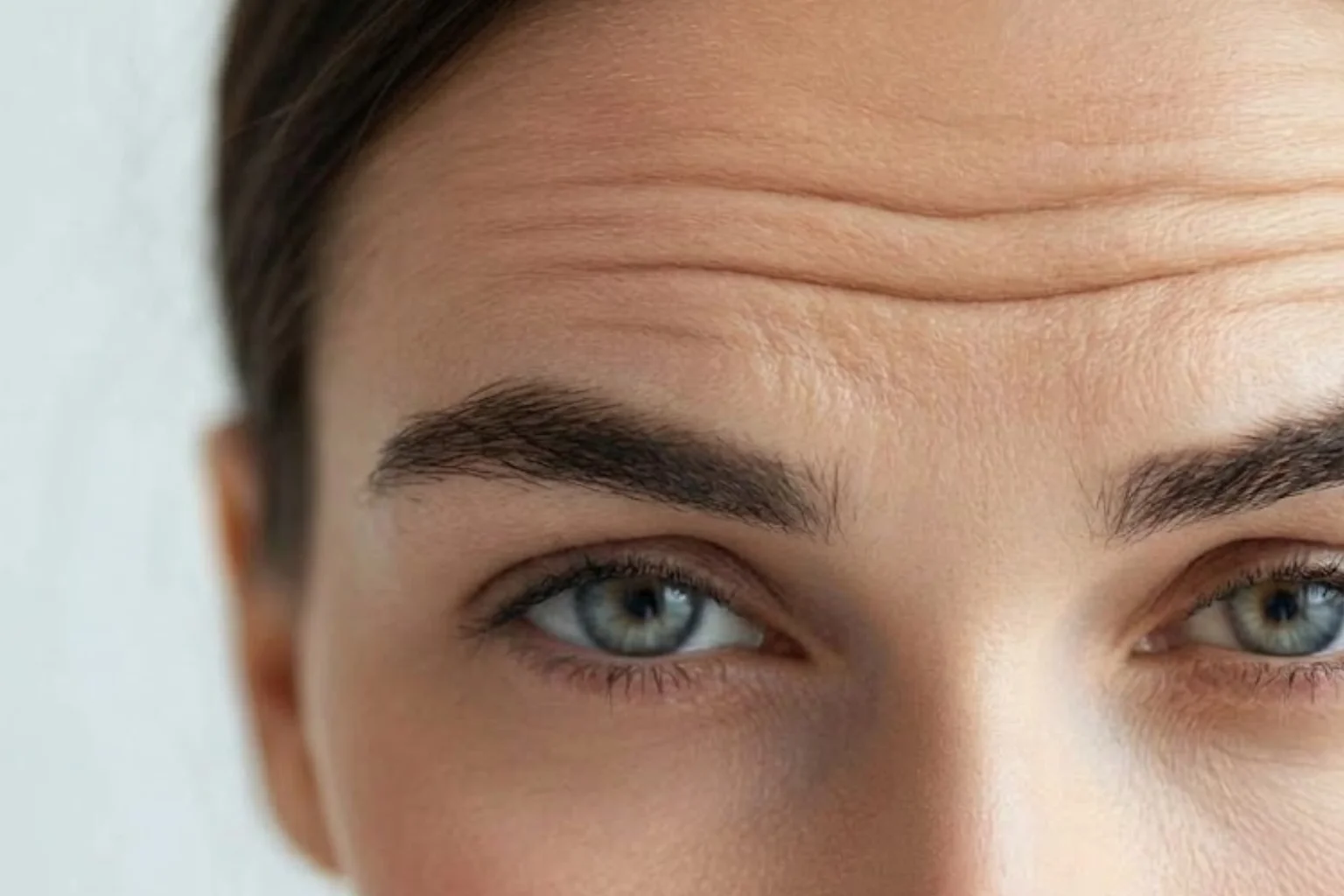
- Fine lines that appear more noticeable, particularly when smiling.
- A dull complexion that lacks its usual freshness.
- Tightness after washing the face.
- Rough or uneven skin texture.
- Makeup settling into fine lines.
- Reduced skin suppleness.
These symptoms can overlap with other skin concerns, including irritation and certain dermatological conditions. Persistent redness, itching or flaking should therefore be assessed rather than automatically attributed to dehydration.
Why Moisturisers Sometimes Fail to Improve Skin Appearance
Moisturisers play an important role in maintaining skin hydration, but their effectiveness depends on their formulation and the underlying cause of the problem.
Humectants such as glycerin and hyaluronic acid attract water, while emollients soften the skin surface. Occlusive ingredients help reduce moisture loss by creating a protective layer.
A suitable moisturiser containing these ingredients can improve the condition of dehydrated skin. However, applying more moisturiser does not necessarily correct changes occurring deeper within the skin.
Another common problem is excessive use of active skincare ingredients. Frequent application of exfoliating acids, retinoids or other potentially irritating products can weaken the skin barrier and make dryness more noticeable.
A simpler skincare routine, combined with appropriate moisturisation and daily sun protection, is often a sensible starting point.
Can Professional Skin Treatments Help With Persistent Dehydration?
When skincare products alone do not achieve the desired improvement, professional skin treatments can offer another approach.
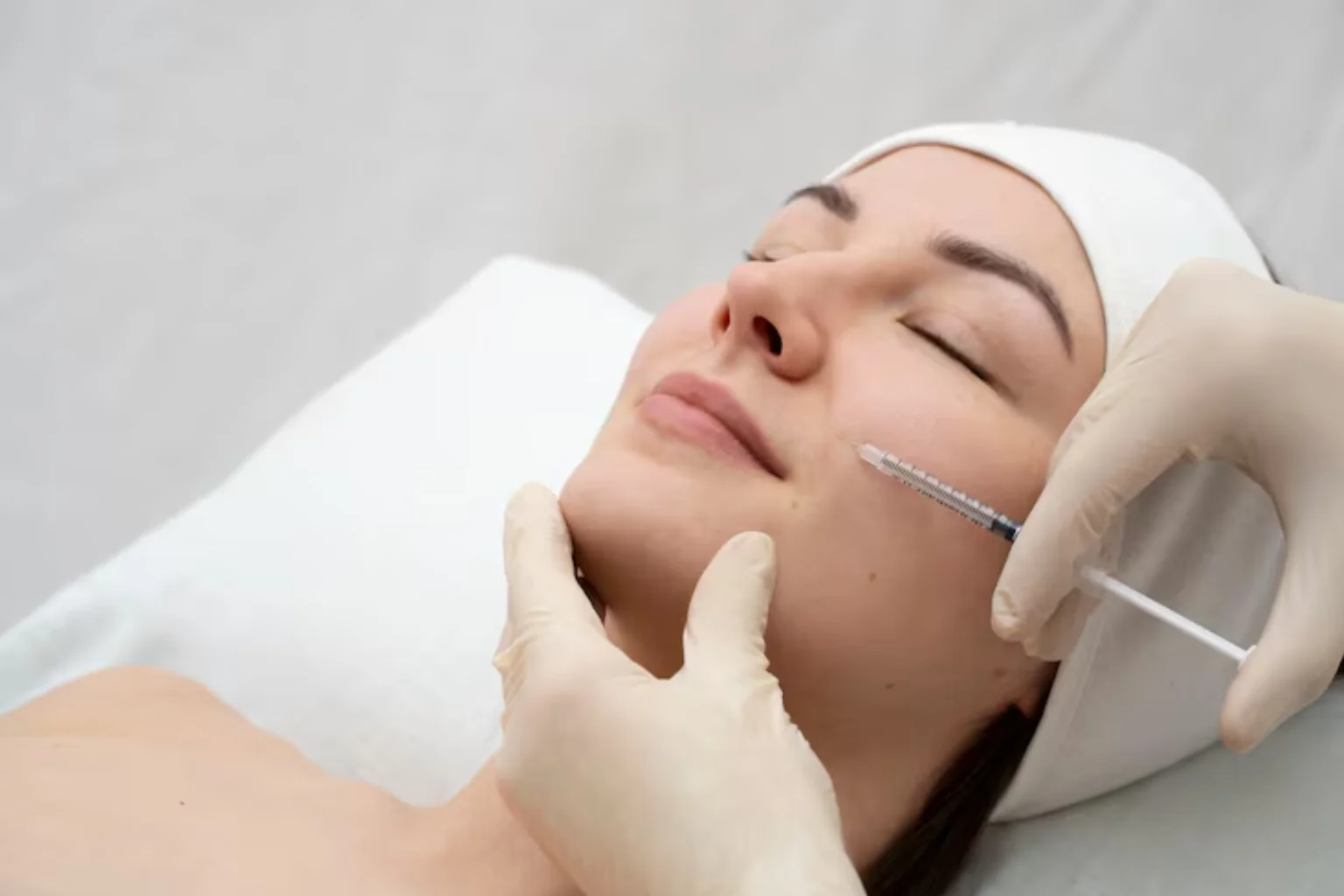
Skin boosters are injectable formulations designed to improve skin quality, hydration and overall appearance. Depending on the product used, they contain hyaluronic acid or other ingredients intended to support improvements in skin condition.
Unlike traditional dermal fillers, which are primarily used to restore volume or enhance facial contours, skin boosters focus on skin quality rather than creating significant structural changes.
Treatment suitability depends on the individual's skin condition, medical history and expectations. A consultation is important to establish whether the concern relates to dehydration, barrier damage, ageing or another underlying issue.
What Happens During a Skin Booster Consultation?
A professional assessment begins with an examination of the skin and a discussion of the concerns that have prompted someone to seek treatment.
The assessment considers skin texture, hydration, fine lines, previous treatments and current skincare habits. This helps establish whether injectable treatment is appropriate or whether other measures should be considered first.
A medical professional should also explain the expected results, possible side effects, treatment limitations and aftercare requirements.
Not every person experiencing dry or dull skin needs an injectable treatment. In some situations, improving the skincare routine and addressing environmental factors will be more appropriate.
Maintaining Skin Hydration Between Treatments
Professional treatments are only one part of maintaining healthy-looking skin. Everyday skincare habits remain important for supporting the skin barrier.
A practical routine should include:
- Gentle cleansing: Avoid cleansers that leave the skin feeling excessively tight.
- Regular moisturising: Choose a formulation suited to your skin type and apply it consistently.
- Daily sun protection: Use broad-spectrum SPF 30 or higher to help protect against UV-related skin damage.
- Avoid excessive exfoliation: Allow the skin barrier time to recover between active treatments.
- Maintain healthy habits: Adequate sleep, a balanced diet and sufficient fluid intake support general skin health.
Consistency is more important than repeatedly changing products in search of immediate results.
Final Thoughts
Persistent skin dehydration is not always a sign that someone needs to drink more water. The condition of the skin barrier, natural changes in hyaluronic acid, environmental exposure and ageing all influence how effectively the skin retains moisture.
Understanding the underlying cause is the first step towards choosing an appropriate approach. Professional advice from a qualified medical aesthetician can help identify whether skincare adjustments or an appropriate aesthetic treatment would be beneficial.
The aim should be to improve skin quality while maintaining a natural appearance and protecting the skin's long-term health.
Frequently Asked Questions
1. Can you have dehydrated skin even if you drink enough water?
Yes. Drinking sufficient water supports general health, but skin hydration also depends on the skin barrier, natural moisture-retaining substances and environmental conditions.
2. What is the difference between dry and dehydrated skin?
Dry skin generally refers to a skin type that produces less natural oil. Dehydrated skin describes a lack of water within the skin. Any skin type, including oily skin, can become dehydrated.
3. Do skin boosters help with dehydrated skin?
Certain skin booster formulations containing hyaluronic acid are designed to improve skin hydration and quality. Suitability depends on the individual's skin condition and the product selected.
4. How long does it take to improve dehydrated skin?
The timeframe depends on the underlying cause. Improvements from a suitable skincare routine can develop over several days or weeks, while professional treatments follow their own treatment and recovery timelines.