Sign up with Google
 Sign in with Zoho
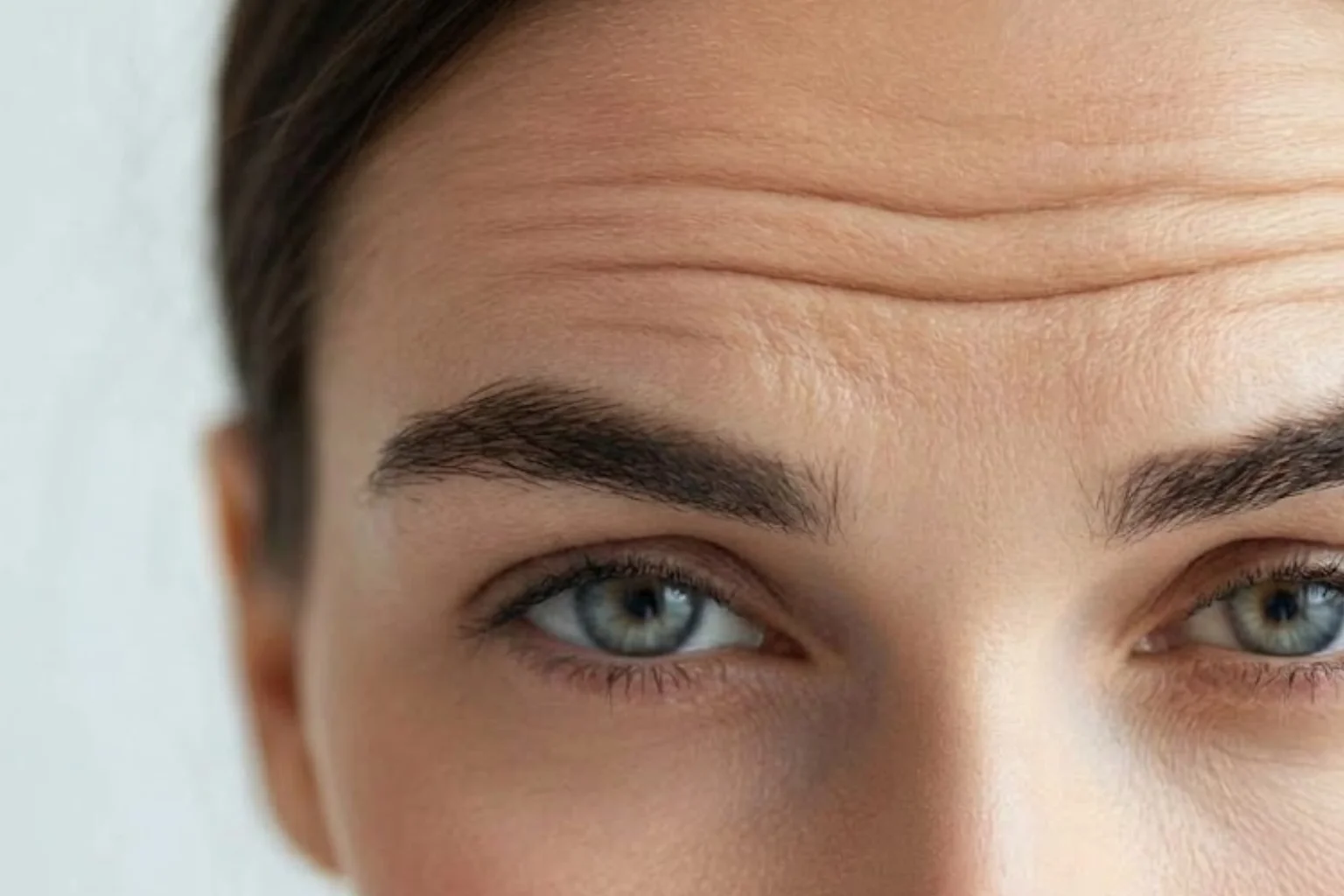
Forehead heaviness is a concern some people notice after treatment with botulinum toxin. Instead of feeling relaxed and refreshed, the forehead may feel heavy, the eyebrows may appear lower, or the upper eyelids can seem more tired than before. This does not necessarily mean the treatment has gone wrong, but it can indicate that the balance between the forehead and eyebrow muscles has changed.
Anti-wrinkle treatment usually aims to soften dynamic forehead lines by reducing the activity of the muscles responsible for repeated facial movement. Because those muscles also contribute to brow position, treating them requires careful consideration of the individual's facial anatomy and existing brow support.
Why can anti-wrinkle treatment make the forehead feel heavy?
The frontalis muscle is particularly important when treating the forehead. It helps raise the eyebrows and forehead skin. When its activity is reduced, the forehead lines become less pronounced, but the eyebrows may also lose some of the upward force previously provided by the muscle.
This is more noticeable in people who naturally rely heavily on their forehead muscles to keep their eyebrows elevated.
If the forehead was already compensating for heavier upper eyelids, naturally lower eyebrows or excess upper-eyelid skin, reducing frontalis activity can make that compensation less effective.
The result can feel like heaviness even when there is no actual swelling or physical weight added to the forehead.
Can the eyebrows drop after forehead injections?
Yes. A temporary reduction in brow height can occur when the muscles responsible for lifting the brow become weaker.
The effect is not necessarily the same across the whole forehead. The position of the eyebrows depends on the balance between muscles that elevate and depress them, so changing activity in one area can alter the overall appearance.
This is one reason forehead treatment should not be approached simply as a matter of treating every visible line. The movement of the forehead, position of the eyebrows and shape of the upper eyelids all need to be considered together.
Botulinum toxin is known to cause temporary brow or upper-eyelid drooping as a possible adverse effect. NHS patient information also notes that side effects can sometimes take a few weeks to appear.
Why is forehead heaviness more noticeable in some people?
Several factors can make this sensation or appearance more noticeable.
Existing low eyebrows
If the eyebrows already sit relatively low, even a small reduction in their elevation can become visible.
Heavy upper eyelids
Some people naturally have heavier upper eyelid skin or a lower eyelid position. The forehead may compensate by remaining active throughout the day.
Strong reliance on the frontalis muscle
People who habitually raise their eyebrows while speaking, concentrating or opening their eyes may depend more heavily on this muscle for their usual facial appearance.
Treatment pattern
The amount and location of botulinum toxin injections influence which muscles are affected. Precise anatomical assessment is therefore important when treating the upper face.
Recent clinical literature continues to emphasise the importance of facial anatomy, injection technique and appropriate assessment when using botulinum toxin around the forehead and eyes.
Is forehead heaviness the same as eyelid ptosis?
No. These terms are sometimes used interchangeably, but they describe different problems.
Brow heaviness or brow descent relates to the position of the eyebrow and reduced ability of the forehead muscle to elevate it.
Eyelid ptosis occurs when the upper eyelid itself sits lower because of reduced function of the muscle that lifts the eyelid.
The distinction matters because the cause, appearance and management can differ.
Someone may feel that their eyes look smaller or heavier because the eyebrows have descended, even though the eyelid itself has not actually dropped.
A proper examination can distinguish between these possibilities rather than relying only on how the change feels.
When does forehead heaviness appear after treatment?
The timing can vary.
Botulinum toxin does not produce its full muscular effect immediately. Changes develop progressively as the treated muscles become weaker. Some side effects can therefore become noticeable several days after treatment rather than straight away. NHS guidance notes that certain effects can occasionally take a few weeks to appear.
This can make it difficult to judge the final result too early.
For the same reason, immediately adding more treatment is not necessarily appropriate when the forehead initially looks unchanged. The effect needs time to develop before the final balance between the forehead, brow and eyelids can be assessed.
How long does forehead heaviness last?
Forehead heaviness caused by botulinum toxin is generally temporary because the effect of the treatment gradually wears off as normal muscle activity returns.
The exact duration is different from person to person and depends on factors such as the product used, treatment pattern and individual response.
There is no instant way to completely reverse the effect once the muscle has been treated. Management is therefore often based on monitoring the changes while the effect gradually reduces.
If the heaviness is significant, persistent or associated with noticeable brow or eyelid changes, a clinical review is more appropriate than simply waiting without assessment.
Can forehead heaviness be prevented?
Good treatment planning can help reduce the likelihood of an unwanted heavy appearance.
Before treatment, the position of the eyebrows, upper eyelids and forehead should be assessed alongside the lines being treated. A practitioner should also consider how much the individual relies on the forehead muscle to maintain their usual brow position.
The goal should not simply be to eliminate every forehead line. Excessive weakening of an important facial muscle can change facial balance and expression.
A conservative approach may therefore be preferable in someone whose eyebrows are already low or who has significant upper-eyelid heaviness.
What should you do if your forehead feels heavy after treatment?
Avoid judging the result solely from the first few days.
If the sensation is mild and there are no other concerning symptoms, monitoring the change while the treatment develops may be reasonable. However, if the eyebrows appear significantly lower, the eyelids look noticeably different, one side has changed more than the other, or the effect is affecting vision or daily activities, arrange a review.
An aesthetic complications expert can assess whether the change is related to brow position, eyelid position, muscle balance or another issue.
Assessment is particularly useful when the original treatment was performed elsewhere and the exact injection pattern or dose is not known.
Can forehead heaviness be corrected?
There is not usually a simple reversal injection that immediately switches off the effect of botulinum toxin.
Management depends on what has actually changed. If the issue is brow descent rather than true eyelid ptosis, the approach may differ from a situation where the upper eyelid itself has become lower.
In some cases, temporary measures may be considered to improve the appearance or function while the treatment gradually wears off. The most appropriate option depends on the individual examination.
The important point is not to add further treatment without understanding the underlying muscle balance. Attempting to correct one area without considering the surrounding muscles could make the asymmetry or heaviness more noticeable.
When should you seek medical advice?
Contact a qualified clinician if forehead heaviness is accompanied by:
- significant eyebrow or eyelid drooping
- changes in vision
- marked facial asymmetry
- difficulty opening the eyes
- symptoms that are worsening rather than stabilising
- other unexpected neurological symptoms
Changes affecting vision or significant neurological symptoms require prompt medical assessment rather than being assumed to be a routine cosmetic side effect.
For most people, unwanted heaviness following botulinum toxin treatment is temporary. However, understanding whether the problem involves the forehead, eyebrow or eyelid is important when deciding what to do next.
Frequently Asked Questions
Why does my forehead feel heavy after anti-wrinkle injections?
The forehead muscle helps elevate the eyebrows. When its activity is reduced, the eyebrows may sit slightly lower, particularly in people who already rely heavily on this muscle for brow support. This can create a sensation of heaviness.
Can anti-wrinkle injections make your eyebrows drop?
They can temporarily affect eyebrow position because botulinum toxin reduces muscle activity. The extent depends on the individual's anatomy, existing brow position and treatment pattern.
How long does forehead heaviness last after botulinum toxin?
It is temporary and generally improves as the effect of botulinum toxin gradually wears off. The duration varies between individuals, so a clinician should assess persistent or significant changes.
Is forehead heaviness the same as droopy eyelids?
No. Brow descent and eyelid ptosis are different. The eyebrow can become lower without the upper eyelid muscle itself being affected, although both can contribute to a heavy or tired appearance.







.webp)