Sign up with Google
 Sign in with Zoho
Hair loss affects millions of people across the UK and the range of treatment options available today can make choosing the right path feel overwhelming. Two approaches consistently come up in conversation: injectable treatments that work with your body's own healing response and surgical transplants that physically relocate hair follicles.
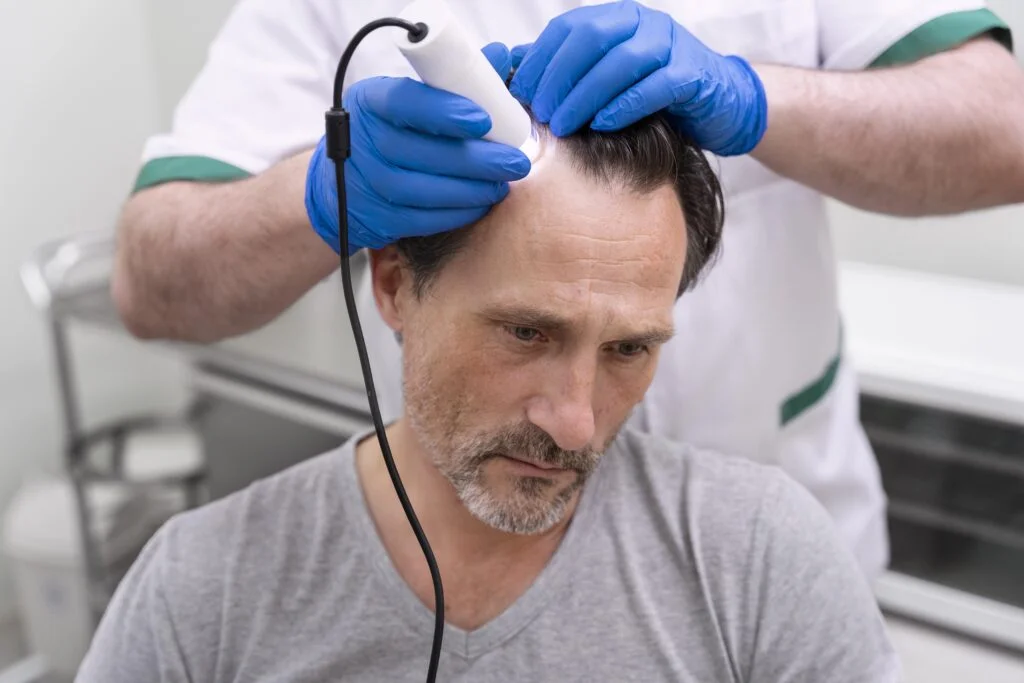
Both aim to restore fuller, healthier-looking hair, but they work in fundamentally different ways, suit different stages of hair loss and involve very different commitments in terms of time, cost and recovery. Platelet hair restoration has become one of the most talked-about non-surgical treatments for thinning hair, largely because it offers a way to encourage regrowth without going anywhere near a scalpel. It uses a concentrated sample of your own blood platelets, rich in growth factors, injected directly into the scalp to stimulate dormant or weakened hair follicles.
For anyone in the early to moderate stages of hair loss or for those who simply want to avoid surgery altogether, this treatment has understandably generated a great deal of interest. But how does it actually compare to a traditional hair transplant and which one is genuinely the better fit for your situation? Let's break down the key differences.
How Traditional Hair Transplants Work
A traditional hair transplant is a surgical procedure. Hair follicles are taken from a donor area, usually the back or sides of the scalp where hair tends to be more resistant to thinning and relocated to areas experiencing baldness or significant thinning. The two most common techniques are Follicular Unit Extraction (FUE), where individual follicles are removed one at a time and Follicular Unit Transplantation (FUT), which involves removing a strip of scalp before separating it into individual grafts.
Because it physically moves living follicles to a new location, a transplant produces permanent, visible results once healing is complete. It's typically recommended for patients with more advanced hair loss, well-established bald patches or a receding hairline that has stabilised. The trade-off is that it's a surgical procedure requiring local anaesthetic, a recovery period of one to two weeks and a results timeline that can stretch to twelve months before the full outcome is visible.
How Platelet Therapy Works
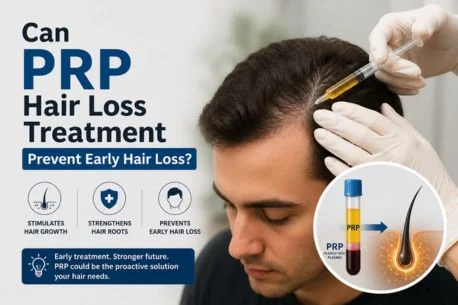
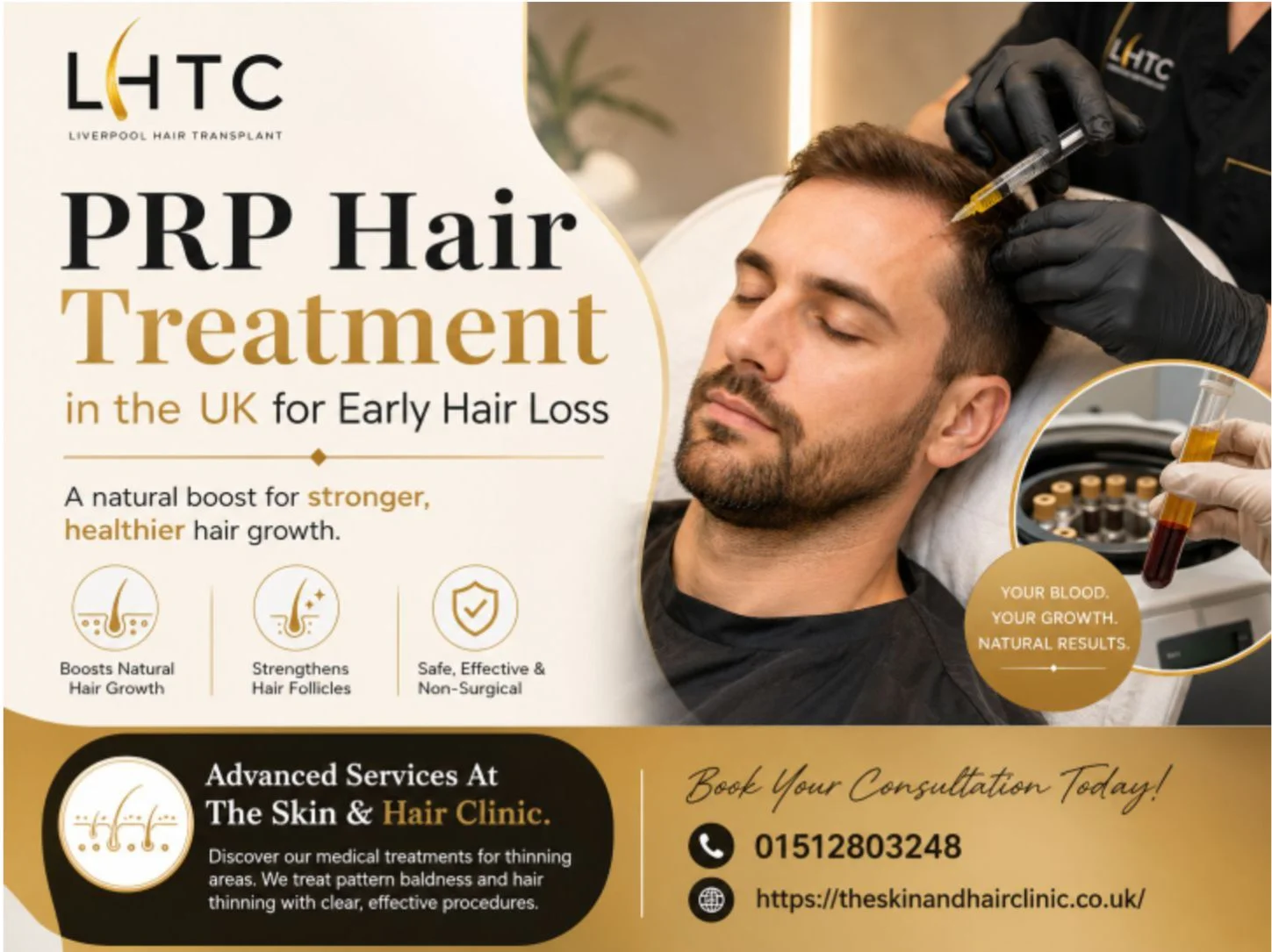
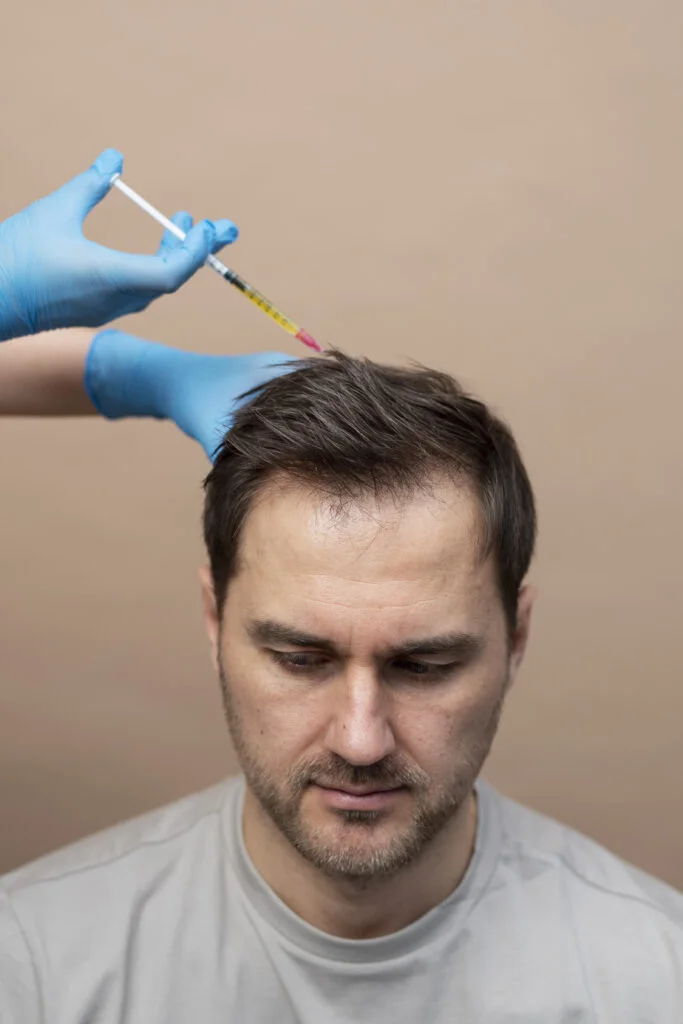
Platelet-rich plasma treatment, by contrast, is entirely non-surgical. A small blood sample is taken from the patient and processed in a centrifuge to separate and concentrate the platelets. This platelet-rich plasma is then injected into the scalp using a fine needle, targeting areas of thinning hair. The growth factors within the plasma are believed to prompt hair follicles into a more active growth phase, improve blood supply to the scalp and slow further shedding.
Unlike a transplant, this treatment doesn't add any new follicles to the scalp. It works by strengthening and reactivating follicles that are already present but underperforming, which is why it tends to be most effective for people in the earlier stages of hair thinning rather than those with established bald patches. Sessions are quick, generally requiring no downtime and most treatment plans involve a course of appointments spaced several weeks apart, followed by periodic maintenance sessions.
Key Differences to Consider
- Invasiveness and downtime. A transplant is a surgical procedure with incisions, stitches or healing punch sites and a recovery period that includes some redness, swelling and scabbing. Platelet therapy involves only injections, with most patients returning to normal activities the same day.
- Who it suits. Transplants are generally better suited to more advanced hair loss where visible bald areas need to be filled with new follicles. Platelet treatments work best on thinning hair where follicles are still present but weakened, making it a strong option for prevention or early intervention.
- Permanence. Transplanted follicles are typically resistant to further loss because they're taken from a donor area unaffected by pattern baldness, so results are considered permanent. Platelet therapy requires ongoing maintenance sessions to sustain results, as it doesn't add new hair, only supports what's already there.
- Results timeline. Transplant results take time to mature, often eight to twelve months before the newly placed hair grows in fully. Platelet therapy tends to show gradual improvement over a few months, with continued benefit through the course of treatment.
- Combining the two. These treatments aren't always an either-or decision. Many patients use platelet therapy alongside a transplant, either to support the health of existing hair around the transplanted area or to strengthen graft survival and encourage a fuller-looking result during recovery.
Which Option Is Right for You?
The honest answer depends on where you are in your hair loss journey. If you're noticing early thinning, a receding hairline that hasn't fully stabilised or you simply want to slow things down without surgery, platelet therapy is worth exploring first. If you have established bald patches or thinning that has progressed significantly, a transplant may be the more effective long-term solution. A proper consultation, including an assessment of your scalp, donor hair density and the pattern of your hair loss, is the only reliable way to know which approach or combination of approaches, will give you the best outcome.
Cost is naturally part of that decision too. Platelet-rich plasma treatments are generally priced per session or as part of a course, making the overall PRP hair restoration cost more manageable upfront than a one-off surgical transplant, though ongoing maintenance sessions add to the total over time. A transplant typically involves a larger single investment but delivers a permanent result without repeat sessions. Ultimately, the right choice comes down to your goals, the extent of your hair loss and how you'd prefer to manage the treatment over time. If you're weighing up your options, the team at The Skin and Hair Clinic can talk you through a personalised assessment and help you decide on the path that's genuinely right for your hair.