Sign up with Google
 Sign in with Zoho

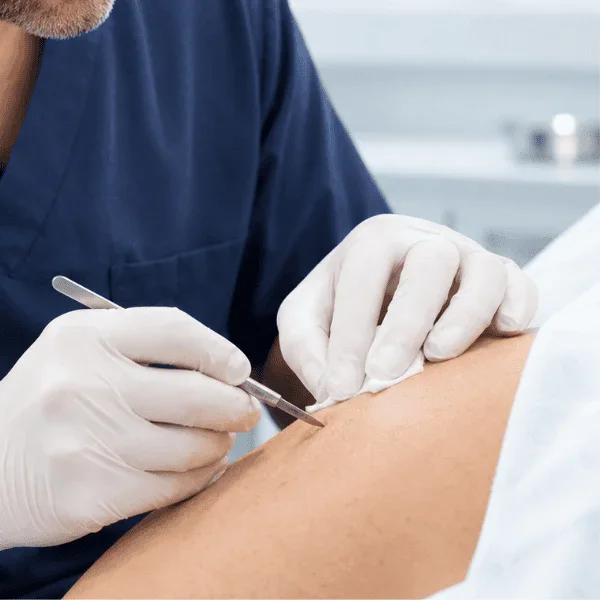
Not every lump, cyst or skin growth requires a major operation or a hospital admission. Many common skin conditions can be assessed and treated through minor surgical procedures, often under local anaesthetic. These treatments involve removing or examining a small area of tissue without the need for general anaesthesia in suitable cases.
For people considering Minor Surgery in London, understanding which conditions can be treated, how removal works and when a procedure is appropriate can help them make an informed decision. Common examples include skin cysts, lipomas and skin tags. Although these conditions are often harmless, they can become uncomfortable, increase in size or cause concern about their appearance.
What Is Minor Surgery?
Minor surgery refers to procedures that treat relatively small or localised conditions, usually without requiring a hospital stay. Many are performed under local anaesthetic, which numbs the treatment area while the person remains awake.
Depending on the condition, a procedure might involve removing a lump, excising a cyst or cutting away excess skin tissue. The technique depends on the size, location and characteristics of the affected area.
Before treatment, a clinician examines the area and reviews relevant medical history. Not every lump or skin growth is suitable for removal in a clinic setting. Larger, deeper, unusual or potentially serious lesions might require further investigation or referral to a specialist or hospital.
Which Conditions Can Be Treated with Minor Surgery?
Several common skin lumps and growths can be considered for minor surgical removal following an appropriate assessment.
1. Skin Cysts
A skin cyst is a closed sac beneath the skin that often contains fluid, keratin or other material. Epidermoid cysts are a common type and frequently appear on the face, neck, scalp, back or body.
Some cysts remain small and cause no discomfort. Others gradually enlarge, become irritated or develop inflammation or infection.
Cyst removal treatment usually involves removing the cyst and, where possible, its surrounding capsule. Removing the capsule helps reduce the chance of recurrence. Simply draining the contents might relieve pressure temporarily but does not necessarily remove the structure responsible for the cyst.
An inflamed or infected cyst may need treatment before surgical removal is considered.
2. Lipomas
A lipoma is a benign growth made up of fatty tissue. It usually feels soft and movable beneath the skin and tends to grow slowly. Lipomas commonly develop on the shoulders, back, arms, thighs and torso.
Most do not require treatment. However, removal might be considered if a lipoma becomes uncomfortable, restricts movement, increases in size or causes cosmetic concern.
Lipoma removal generally involves a small incision through which the fatty tissue is removed. The procedure depends on the lump's size, depth and position. A lump that is growing quickly, feels fixed or has unusual features should be assessed before removal rather than assumed to be a lipoma.
3. Skin Tags
Skin tags are small, soft growths that often develop where skin rubs against skin or clothing. Common areas include the neck, underarms, eyelids, groin and skin folds.
They are generally harmless, but repeated friction can cause irritation or occasional bleeding. Some people also choose removal for cosmetic reasons.
Depending on their size, position and appearance, skin tags can be removed through a suitable minor procedure. A clinician should first confirm that the growth is a skin tag, particularly if it has changed in appearance or does not resemble a typical skin tag.
What Happens During a Minor Surgery Appointment?
The process starts with an assessment rather than immediate removal. This helps establish whether the condition is suitable for treatment and which procedure is appropriate.
A typical appointment involves the following stages:
- Examination: The clinician assesses the lump or skin growth, including its size, position and characteristics.
- Treatment planning: The appropriate removal method is discussed, together with possible risks, expected healing and whether further investigation is needed.
- Local anaesthetic: If suitable, the treatment area is numbed before the procedure begins.
- Removal: The clinician carries out the planned procedure using an appropriate surgical technique.
- Wound care: The area is cleaned and dressed, with aftercare instructions provided.
Some procedures require stitches, while others can be managed with a dressing alone. If tissue needs laboratory examination, it may be sent for histology. This is particularly relevant when the diagnosis is uncertain or the clinician considers further assessment necessary.
What Is Recovery Like After Minor Surgery?
Recovery depends on the type of procedure, the size and location of the wound and the individual's healing response.
Following removal, mild tenderness, bruising or swelling can occur. These effects usually settle as the area heals. Wounds that require stitches need appropriate care, and the clinician will explain when they should be removed or reviewed.
Aftercare commonly includes:
- Keeping the dressing in place for the period advised.
- Following instructions about cleaning and protecting the wound.
- Avoiding activities that place tension on the treated area.
- Attending any recommended follow-up appointment.
- Seeking medical advice if redness spreads, pain increases, discharge develops or a fever occurs.
A wound should not be judged only by how it looks during the first few days. Healing and scar maturation continue over time.
Choosing a Clinic for Minor Surgery in London
The suitability of a clinic depends on more than the availability of a removal procedure. Proper assessment, appropriate surgical facilities and clear aftercare arrangements are important.
When considering Minor Surgery in London, look for a clinician who can explain the diagnosis, the proposed technique, possible complications and whether the procedure is appropriate for a clinic setting.
An experienced clinician should also recognise when a lump needs imaging, histology, specialist assessment or hospital-based treatment rather than routine removal.
At an experienced aesthetic medical clinic, an initial assessment can help determine whether a cyst, lipoma or skin tag is suitable for treatment and explain the available options. The decision to proceed should be based on clinical findings, not appearance alone.
Frequently Asked Questions
1. Can minor surgery be performed under local anaesthetic?
Yes. Many minor surgical procedures are performed under local anaesthetic, which numbs the treatment area while the person remains awake. The appropriate anaesthetic approach depends on the procedure and individual circumstances.
2. Is cyst removal better than draining a cyst?
Complete removal of the cyst and its capsule generally reduces the likelihood of recurrence. Draining can relieve pressure but may leave the capsule behind. The appropriate approach depends on whether the cyst is inflamed, infected or suitable for excision.
3. Will minor surgery leave a scar?
Any procedure that cuts or removes skin can leave a scar. Its appearance depends on the size and depth of the wound, the location, the surgical technique and individual healing. The clinician should discuss likely scarring before treatment.
4. Does every removed lump need histology?
No. Histology is not necessary for every minor surgical removal. However, tissue examination may be recommended when the diagnosis is uncertain or the clinical findings warrant further investigation.
Final Thoughts
Minor surgery provides a way to assess and treat selected skin lumps and growths without the need for a major hospital operation. Cysts, lipomas and skin tags are common examples, although each requires an individual assessment before removal.
The most important step is establishing what the lump is and whether a clinic-based procedure is appropriate. A clear diagnosis, suitable removal technique and proper aftercare all contribute to a safer treatment experience.