Sign up with Google
 Sign in with Zoho


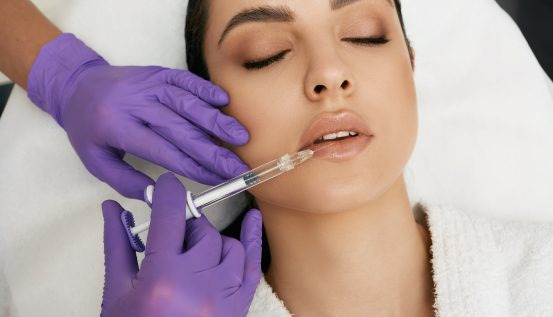
Dermal fillers can leave the skin feeling slightly uneven immediately after treatment, but what if a lump remains or appears several weeks later? A small, firm area beneath the skin does not always indicate a serious problem. However, persistent or newly developing lumps deserve attention because they can have several different causes.
The timing, location and symptoms help determine what might be happening. Some lumps relate to the position of the filler or the healing process, while others develop because of inflammation or a complication that needs treatment. Understanding these differences is important before trying to massage the area or seeking further cosmetic treatment.
Anyone considering or receiving dermal filler treatment should understand that the final result is not always immediately apparent. New lumps, especially those accompanied by pain, redness or increasing swelling, should be assessed rather than assumed to be part of normal recovery.
Why Can Lumps Develop Weeks After Dermal Filler Treatment?
Several factors can cause a lump to remain noticeable or develop after the initial recovery period. The appearance alone is not enough to identify the cause.
1. Filler position beneath the skin
Filler placed too superficially, unevenly or in an area where the product is easily felt can create a small bump. This may be noticeable around the lips, under the eyes or in other areas with relatively thin skin.
Some irregularities become less obvious as early swelling settles. Others persist because of the location, amount or distribution of the product. A clinician needs to examine the area to establish whether the lump relates to filler placement.
2. Local inflammation
The body responds to an injection with a healing process. Mild swelling and tenderness can occur early on, but persistent or renewed inflammation several weeks later needs closer assessment.
An inflammatory lump may feel firm or tender. It can sometimes appear after the initial swelling has disappeared, making the change more noticeable. Inflammation has different possible causes, so it should not automatically be attributed to the filler itself without considering other factors.
3. Delayed inflammatory nodules
A nodule is a defined lump beneath the skin. Some nodules develop days, weeks or even months after filler injections. They may be painless, or they may become red, tender and swollen.
Possible causes include an inflammatory reaction, infection or a response associated with the injected material. These conditions can look similar but require different management. A painful, warm or enlarging lump needs prompt medical assessment, particularly if there is redness or discharge.
4. Infection or another local problem
Although infection is uncommon, it must be considered when a lump develops with increasing pain, redness, warmth or swelling. Some infections present later rather than immediately after the injection.
Do not attempt to squeeze, puncture or drain a lump yourself. These actions can worsen tissue damage or introduce infection. Seek advice from a qualified medical professional who can assess the area and determine whether treatment is required.
Are Filler Lumps Normal After a Few Weeks?
A small amount of unevenness during early healing does not necessarily indicate a complication. However, a lump that persists beyond the expected recovery period, appears after the area had settled or becomes more noticeable should not automatically be considered normal.
The location makes a difference. Lips may feel temporarily uneven as swelling settles, while a firm area elsewhere on the face may have a different explanation. The type of filler, injection technique and treatment area also influence the assessment.
Pay attention to changes rather than relying only on how long the lump has been present. A stable, painless area is different from one that is becoming larger, increasingly tender or visibly inflamed.
If you are unsure whether a lump is related to the filler or another issue, arrange an assessment with an appropriately qualified clinician. Avoid assuming that every lump is caused by filler migration.
How Can You Tell the Difference Between a Filler Lump and Swelling?
Swelling usually affects a broader area, whereas a lump tends to feel like a more defined area of firmness or raised tissue. However, the two can occur together, and neither appearance provides a reliable diagnosis on its own.
Consider these general differences:
- Swelling: Often creates a broader, softer fullness around the treated area and usually improves during recovery.
- A localised lump: May feel like a distinct firm or raised spot beneath the skin.
- An inflammatory nodule: May be associated with tenderness, redness, warmth or renewed swelling.
- Possible infection: Can involve increasing pain, warmth, redness or discharge and requires prompt assessment.
These signs overlap. A lump that is painless is not necessarily harmless, and a firm area does not automatically mean the filler has moved.
Should You Massage a Lump After Dermal Filler Treatment?
Do not automatically massage a lump. Although a clinician may recommend specific massage in selected circumstances, it is not suitable for every type of lump and could be inappropriate if inflammation or infection is present.
The safest next step is to contact the practitioner who performed the treatment and explain when the lump appeared, whether it has changed and whether it causes discomfort. If the original practitioner is unavailable, seek assessment from a suitably qualified medical professional experienced in filler complications.
Depending on the findings, the clinician may recommend observation, further examination or targeted treatment. Hyaluronic acid fillers can sometimes be dissolved with hyaluronidase, but this is not appropriate for every lump and should only be considered after proper assessment. Other filler materials require different approaches.
Do not attempt to dissolve filler yourself or use medication without medical guidance.
When Should You Seek Medical Help?
Arrange a prompt clinical review if a lump appears weeks after treatment, persists without improvement or becomes increasingly noticeable. Seek more urgent assessment if it is painful, hot, red, growing or associated with discharge or fever.
Certain symptoms require emergency attention. Severe or unusual pain, pale or mottled skin, a dusky or darkening skin area, or any visual disturbance after filler injections can indicate a serious complication. Seek emergency medical care immediately rather than waiting for a routine appointment.
Early assessment helps identify the cause and reduces the risk of inappropriate treatment. The aim is not simply to remove the lump, but to establish why it has developed and choose the safest response.
Frequently Asked Questions
1. Can dermal filler lumps appear weeks after treatment?
Yes. Some lumps become noticeable after the initial swelling settles, while delayed inflammatory nodules can develop weeks or months later. A new or persistent lump should be assessed to identify the cause.
2. Will a filler lump go away on its own?
Some minor irregularities improve as the tissues settle, but others persist or require treatment. The outcome depends on the cause, so do not assume that waiting will resolve every lump.
3. Can I dissolve a lump with hyaluronidase?
Hyaluronidase can dissolve certain hyaluronic acid fillers, but it is not suitable for every lump or every type of filler. A qualified clinician should establish the likely cause before recommending treatment.
4. Are painless lumps after dermal fillers safe?
Not necessarily. A painless lump may be less concerning than one with worsening pain or redness, but lack of pain does not rule out a complication. Arrange an assessment if it persists, appears unexpectedly or changes over time.