Sign up with Google
 Sign in with Zoho

It is not easy to detect changes in hair growth as the hair growth process takes place gradually. A decrease in hair loss, change in thickness of the hair, and shorter new hair does not occur all at once. This makes it difficult to determine whether the treatment is showing any result.
With PRP hair treatment, progress is usually assessed over time rather than immediately after an appointment. Understanding which changes to look for, how long they may take to appear, and what can affect the outcome helps set realistic expectations. It also explains why consistent monitoring is more useful than relying on day-to-day observations.
Why Is It Difficult to Measure Hair Growth?
Hair does not grow constantly and equally fast throughout the scalp. The hair follicles undergo different stages of the hair growth process, including a stage of active growth, transition, rest and hair falling off.
In case of hair thinning, there may be more hair follicles in the stage of rest or producing finer hair.
Since hair follicles do not react to the treatment simultaneously, there will not be equal results. One region of the scalp might have a denser look and the other one would show no difference at all.
Also, the look of the hair can depend on the lighting, hairstyle, length of hair and hair washing frequency.
For this reason, one photo or one period of decreased shedding is not enough for judging the results of treatment.
What Changes Might Indicate a Response to PRP?
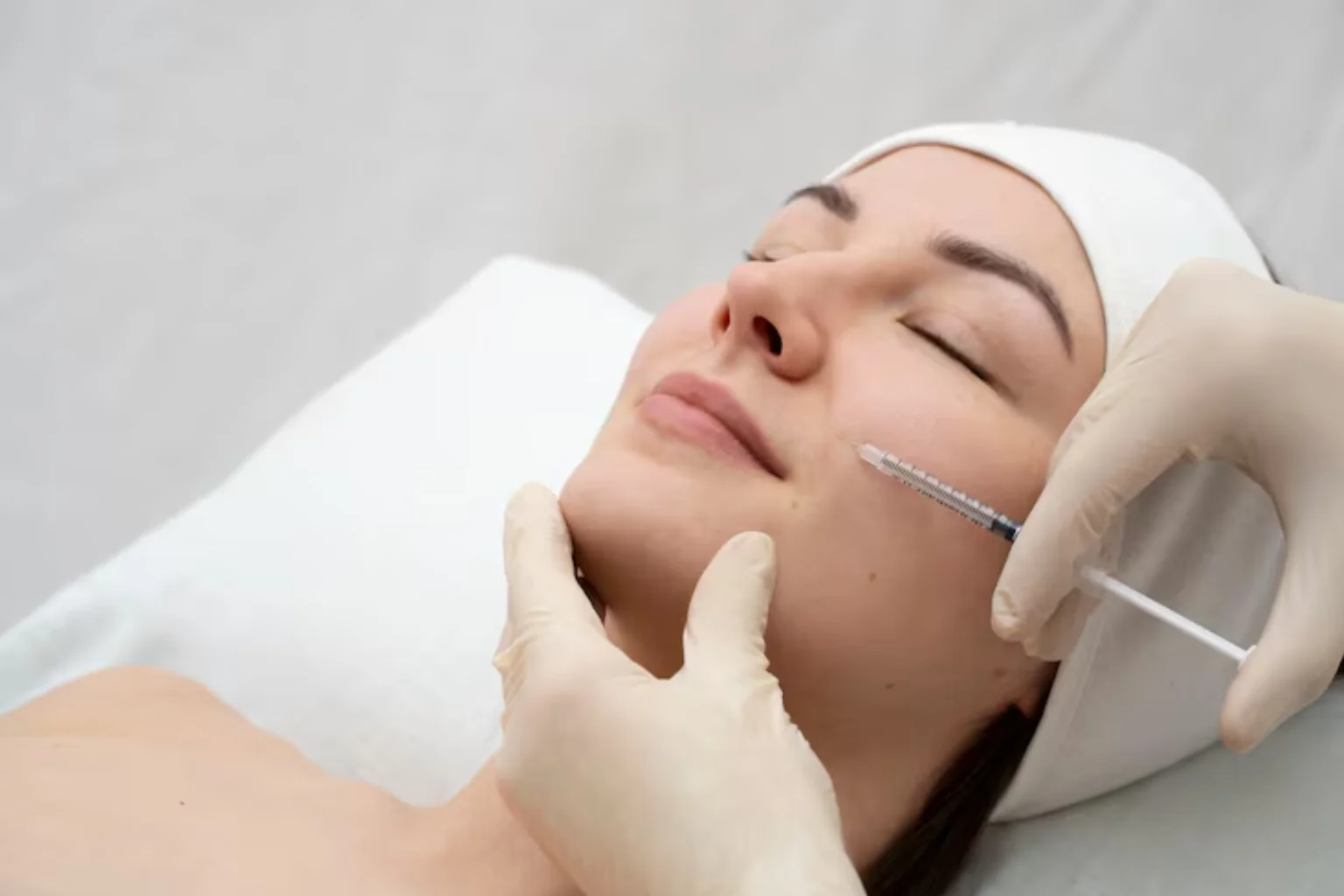
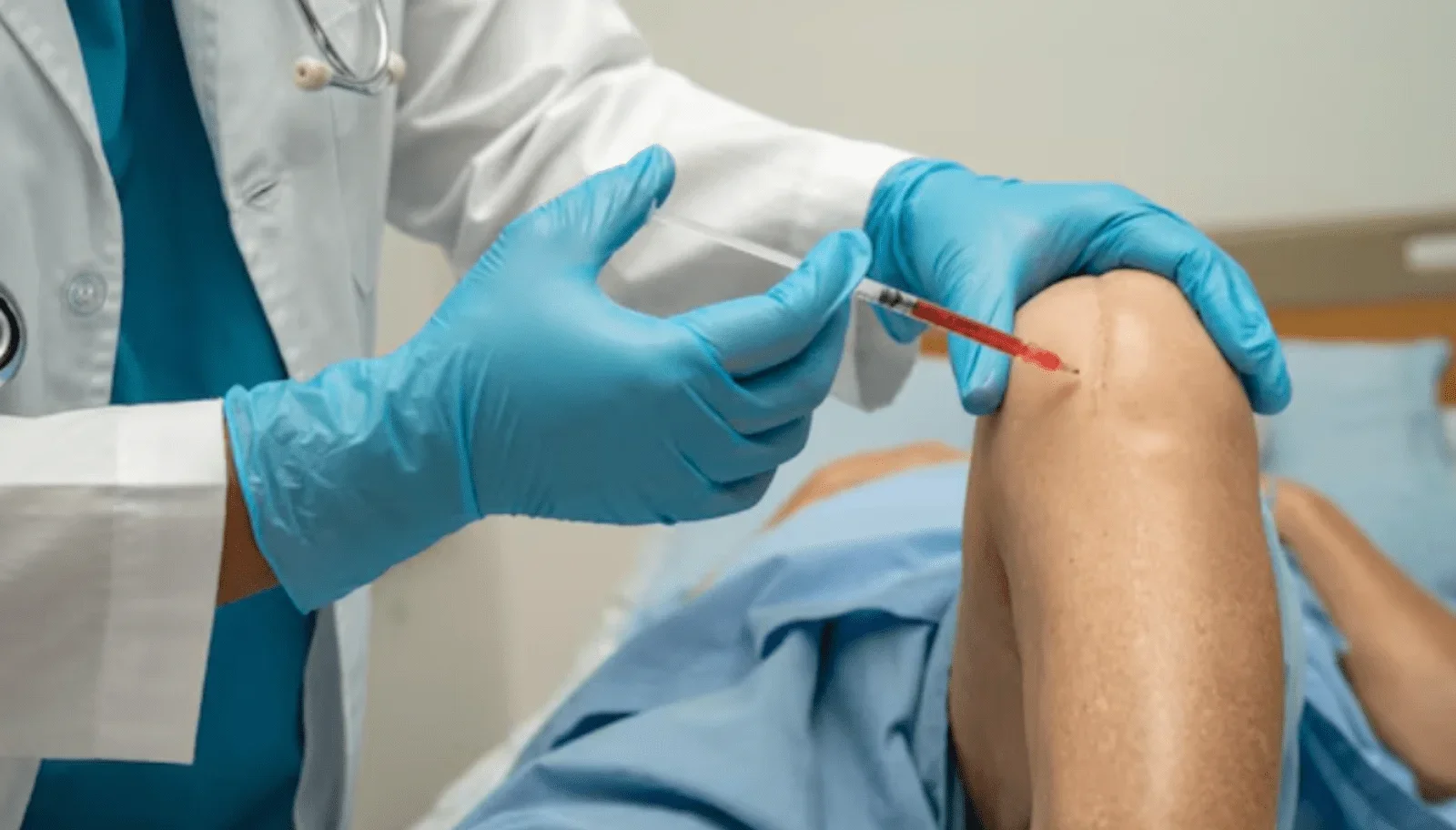
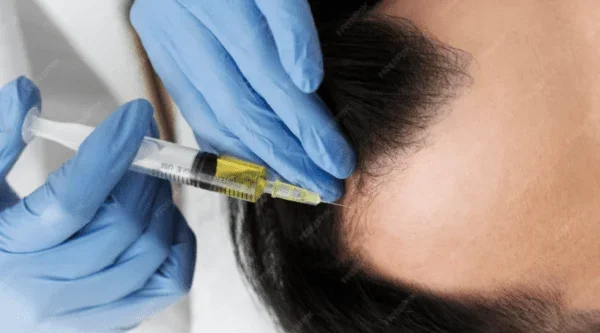
PRP stands for platelet-rich plasma. It is prepared from a sample of the individual's own blood, which is processed to concentrate platelets in a smaller volume of plasma. The preparation is then injected into selected areas of the scalp.
Platelets contain growth factors and signalling proteins involved in tissue repair and cellular activity. Researchers have investigated whether these substances can influence the environment around hair follicles and support hair growth in certain forms of hair loss.
When a response occurs, several changes may be considered during follow-up.
1. Changes in hair shedding
Some people notice a change in the amount of hair they shed during washing, brushing or styling. However, shedding naturally fluctuates, and a temporary reduction does not necessarily mean that new growth has occurred.
Persistent or sudden shedding should also be assessed for other possible causes, including nutritional deficiencies, hormonal changes, illness or medication-related effects.
2. Changes in hair thickness
Hair thickness is another useful measure. In some cases, existing fine hairs may become more noticeable or appear thicker over time.
This distinction matters because an improvement in the diameter of existing strands is not the same as the development of entirely new follicles. PRP does not create new hair follicles.
3. Changes in visible density
A gradual increase in the appearance of coverage may indicate a positive response. This is often easier to assess through photographs taken at consistent intervals than by looking in the mirror every day.
The hairline, crown and central scalp may show different patterns of change, so each area should be considered separately.
When Should You Expect to See Changes?
Hair growth takes time, which means results should not be judged immediately after an injection session.
The timing of any response varies according to the underlying cause of hair loss, the condition of the follicles, the treatment protocol and individual biological factors. Some people notice changes over several months, while others experience limited improvement.
A course of treatment may involve several sessions spaced apart, followed by review appointments. The schedule should be based on an individual assessment rather than assuming that everyone requires the same number of injections.
It is also important to distinguish temporary changes from sustained improvement. A useful assessment looks at whether hair density or thickness has changed over a suitable period, rather than focusing on one short-lived observation.
How Is Progress Monitored During Treatment?
A structured review makes it easier to compare changes over time. The initial assessment provides a reference point against which later observations can be considered.
Photographs are particularly useful when they are taken under similar conditions. The same lighting, camera distance, hair position and parting should be used wherever possible. Otherwise, differences in appearance may reflect photography rather than actual hair growth.
A clinician may also examine areas of thinning and assess the distribution and characteristics of existing hair. Where appropriate, magnified scalp examination or trichoscopy can help evaluate hair density, shaft thickness and variation between individual strands.
Progress monitoring should consider:
- The pattern and extent of hair thinning.
- Changes in the thickness of existing strands.
- Any noticeable difference in scalp coverage.
- Whether shedding has changed over time.
- Possible changes in general health or other factors affecting hair growth.
These observations help determine whether continuing the same approach is reasonable or whether the original diagnosis and treatment plan need to be reviewed.
What Can Affect the Results of PRP Hair Treatment?
PRP does not produce the same response in everyone. One important factor is the cause of hair loss. Evidence for PRP is most often discussed in relation to androgenetic alopecia, commonly known as male or female pattern hair loss. Results for other forms of hair loss are less established.
The condition of the follicles also matters. Areas where follicles remain active may have a different potential for improvement from areas where longstanding hair loss has resulted in substantial follicular miniaturisation or loss.
Other influences include age, general health, hormonal factors, nutritional status and the presence of scalp conditions. The preparation method and treatment protocol can also differ between studies and clinical settings, making results difficult to compare directly.
PRP should therefore not be presented as a guaranteed solution or a replacement for investigating the underlying cause of hair loss. A clinical assessment helps establish whether it is a reasonable option and whether another treatment or further investigation is needed.
What If There Is Little or No Visible Improvement?
Limited improvement does not automatically mean that the treatment was performed incorrectly. Some people respond less favourably, and the available research shows variation in outcomes.
If there is little change after an appropriate review period, the next step should be to reassess the diagnosis, the pattern of hair loss and other possible contributing factors. Continuing injections without reviewing the situation may not be useful.
A medical aesthetic clinic should be able to explain what has been observed, whether the response is consistent with expectations and what alternatives might be appropriate. This discussion should include the limitations of PRP and the possibility that another approach may be more suitable.
The purpose of monitoring is not simply to decide whether more sessions are needed. It is to understand the response and make informed decisions based on observable changes.
Frequently Asked Questions
How long does PRP hair treatment take to show results?
Any improvement usually develops gradually over several months. The timing depends on the cause of hair loss, follicle condition and individual response. Results should be assessed through follow-up rather than immediately after treatment.
Does reduced hair shedding mean PRP is working?
Not necessarily. Hair shedding naturally fluctuates, and a reduction may occur for several reasons. It should be considered alongside other findings, such as changes in hair thickness and density.
Can PRP restore hair in completely bald areas?
PRP is not able to create new hair follicles. Its potential benefit relates to influencing the activity of existing follicles, so completely bald areas with longstanding follicular loss are less likely to respond.
How do clinicians measure hair growth after PRP?
Progress may be assessed through standardised photographs, scalp examination and, where appropriate, trichoscopy. Comparing the same areas under consistent conditions helps identify changes in hair density and thickness.