Sign up with Google
 Sign in with Zoho

Introduction
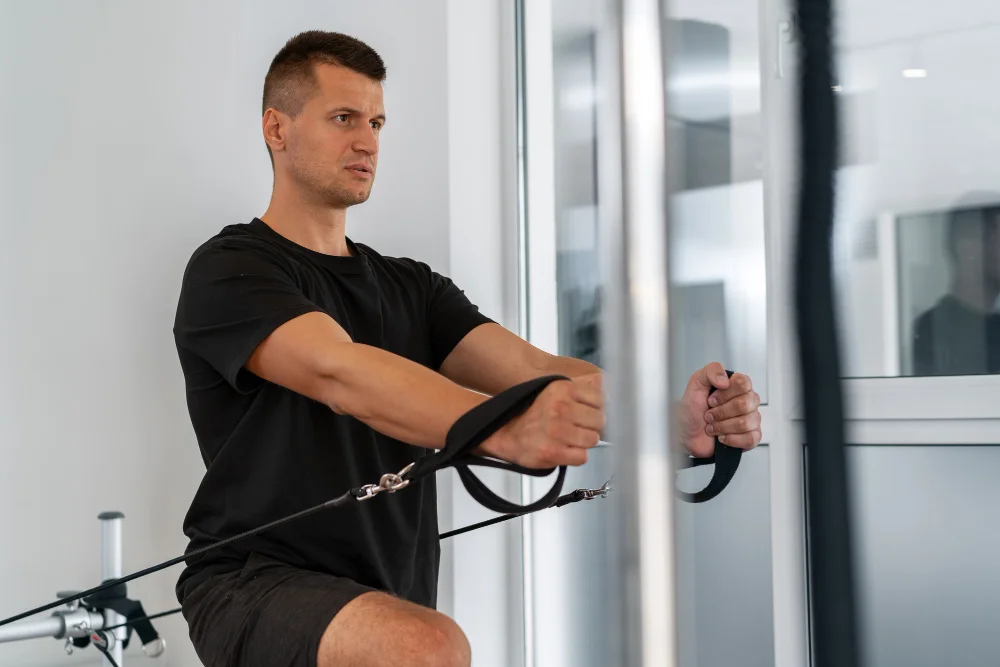
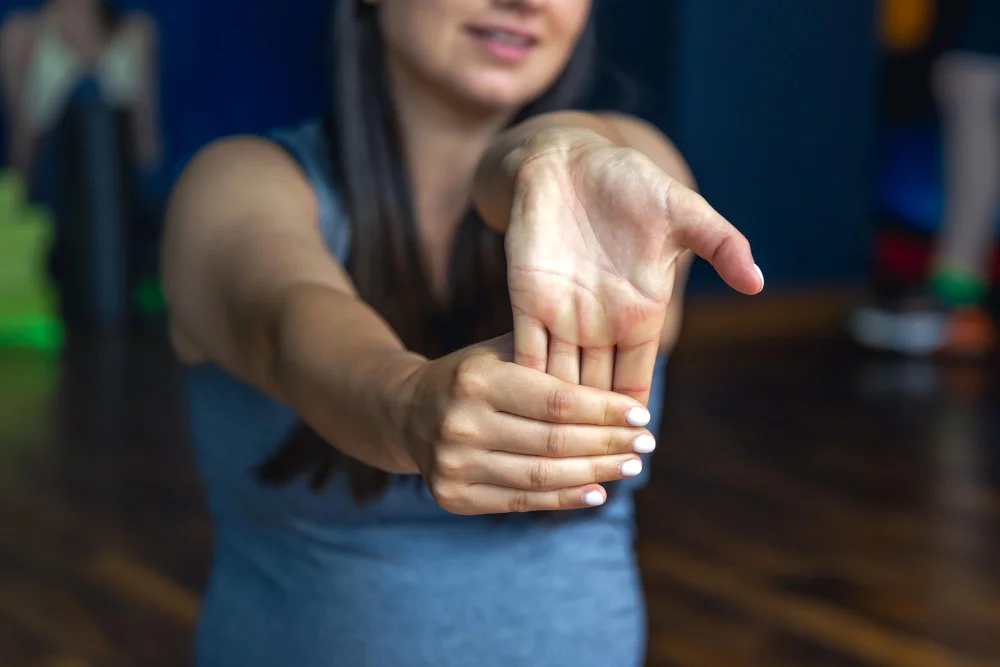
If your workouts include pull-ups, rows, deadlifts, dumbbell exercises or other movements where your hands must hold resistance, grip strength can affect how confidently you perform them. A hand strengthener gives you a simple way to train this often-overlooked part of fitness. Research also suggests that hand-focused strength training can improve grip strength and manual dexterity in healthy adults.
Why Grip Strength Is Important During Workouts
Grip strength is more than the ability to squeeze something tightly. It helps you hold weights, control equipment and maintain a secure connection between your hands and the resistance you are moving.
For example, your back and leg muscles may be capable of handling a challenging load during a deadlift, but your hands may fatigue before those larger muscle groups. Building stronger hands and forearms can help you train with better control.
A stronger grip may be particularly useful for exercises such as:
- Pulling Movements: Exercises such as rows, pull-ups and lat pulldowns require you to maintain your hold while your back and arm muscles do the main work.
- Loaded Carries: Farmer's carries and similar movements place continuous demands on your hands and forearms. Better grip endurance can help you maintain your hold throughout the exercise.
- Free-Weight Training: Dumbbells, kettlebells and barbells all require you to control an external load through your hands. Consistent grip training can complement this type of workout.
Can A Hand Strengthener Improve Workout Performance?
A hand strengthener can support your workout performance by giving you targeted training for the muscles involved in gripping. However, it should complement your main training rather than replace exercises for larger muscle groups.
A 2025 systematic review and meta-analysis of 22 randomized controlled trials involving 1,017 adults found that hand-focused strength and proprioceptive training produced a small-to-moderate improvement in grip strength.
This does not mean that using a gripper will automatically make you stronger in every exercise. Your overall performance still depends on factors such as technique, programming, recovery and whole-body strength. Grip training is best viewed as one part of a balanced fitness routine.
Grip Strength And Grip Endurance Are Different
Understanding the difference can help you train more effectively. Maximum grip strength refers to how much force you can produce during a strong squeeze, while grip endurance relates to your ability to maintain force over time.
Both can matter during training. A heavy deadlift may require a strong initial grip, while a long set of rows may challenge your ability to keep holding the weight.
If you are choosing the best grip strengthener for your workouts, consider whether it allows you to work on the specific quality you want to improve. A useful training approach should also allow you to monitor progress rather than simply completing an arbitrary number of squeezes.
How To Add Grip Training To Your Routine
Grip training does not need to take up an entire workout. A few focused sessions each week can complement your existing strength program.
Start with manageable resistance and controlled repetitions. As your hands become accustomed to the work, you can gradually increase the challenge. Avoid squeezing as hard as possible on every repetition because fatigue can affect your technique and recovery.
You can also place grip training at the end of a workout. This helps prevent tired hands from interfering with exercises where a secure grip is important for safe and effective technique.
What To Look For In A Hand Strengthener
The right tool depends on your training goals and how you prefer to measure progress. A basic gripper can provide resistance, while a digital device can offer additional information about your performance.
Squegg, for example, combines grip and pinch strength assessment with Bluetooth connectivity and app-based progress tracking. Its platform allows users to measure strength, compare results and set goals while using interactive activities to make training more engaging.
This measurement-based approach can be useful when you want to see whether your grip training is actually producing changes over time.
Common Grip Training Mistakes
Grip training is simple, but a few mistakes can reduce its value. Avoid treating every session as a test of maximum strength.
- Training Too Hard: Your hands and forearms also need recovery. Excessive volume can leave them fatigued for your regular workouts.
- Ignoring Technique: Keep your wrist in a comfortable position and use controlled squeezes rather than rushing through repetitions.
- Expecting Instant Results: Grip strength develops through consistent training. Track your progress over time instead of judging your improvement from one session.
- Neglecting The Rest Of Your Workout: Grip exercises should support your broader fitness goals. They are not a substitute for resistance training that works your entire body.
Is Grip Training Worth Adding To Your Workouts?
For many gym-goers, athletes and strength-training enthusiasts, grip training can be a practical addition to an existing routine. It targets an area that is heavily involved in holding and controlling resistance yet can receive less direct attention.
The key is to train consistently, use appropriate resistance and pay attention to how your grip affects your main exercises. A hand strengthener can be particularly useful when it gives you a clear way to train and track your progress.
Frequently Asked Questions
1. Can Grip Training Help With Weightlifting?
Grip training can strengthen the hands and forearms, which may help you maintain control of weights during exercises that require sustained gripping. It should complement, rather than replace, your regular weightlifting program.
2. How Often Should You Train Your Grip?
The appropriate frequency depends on your overall training volume and recovery. Beginners can start with a small amount of grip work and increase gradually as they become comfortable with the exercises.
3. Should I Train Grip Before Or After My Workout?
For most people, training grip after the main workout is practical because fatigued hands can affect exercises that require a secure hold. If grip strength is your primary training goal, you may choose to prioritize it earlier in a session.
4. Can Beginners Use A Hand Strengthener?
Yes. Beginners can use hand strengtheners as part of a gradual training routine. Start with manageable resistance and focus on controlled movements instead of trying to produce maximum force on every repetition.
5. Can A Digital Grip Trainer Track Progress?
Some digital devices can measure and record grip performance. Squegg, for example, connects to an app to assess and track grip and pinch strength over time.