
 Sign up with Google
 Sign in with Zoho

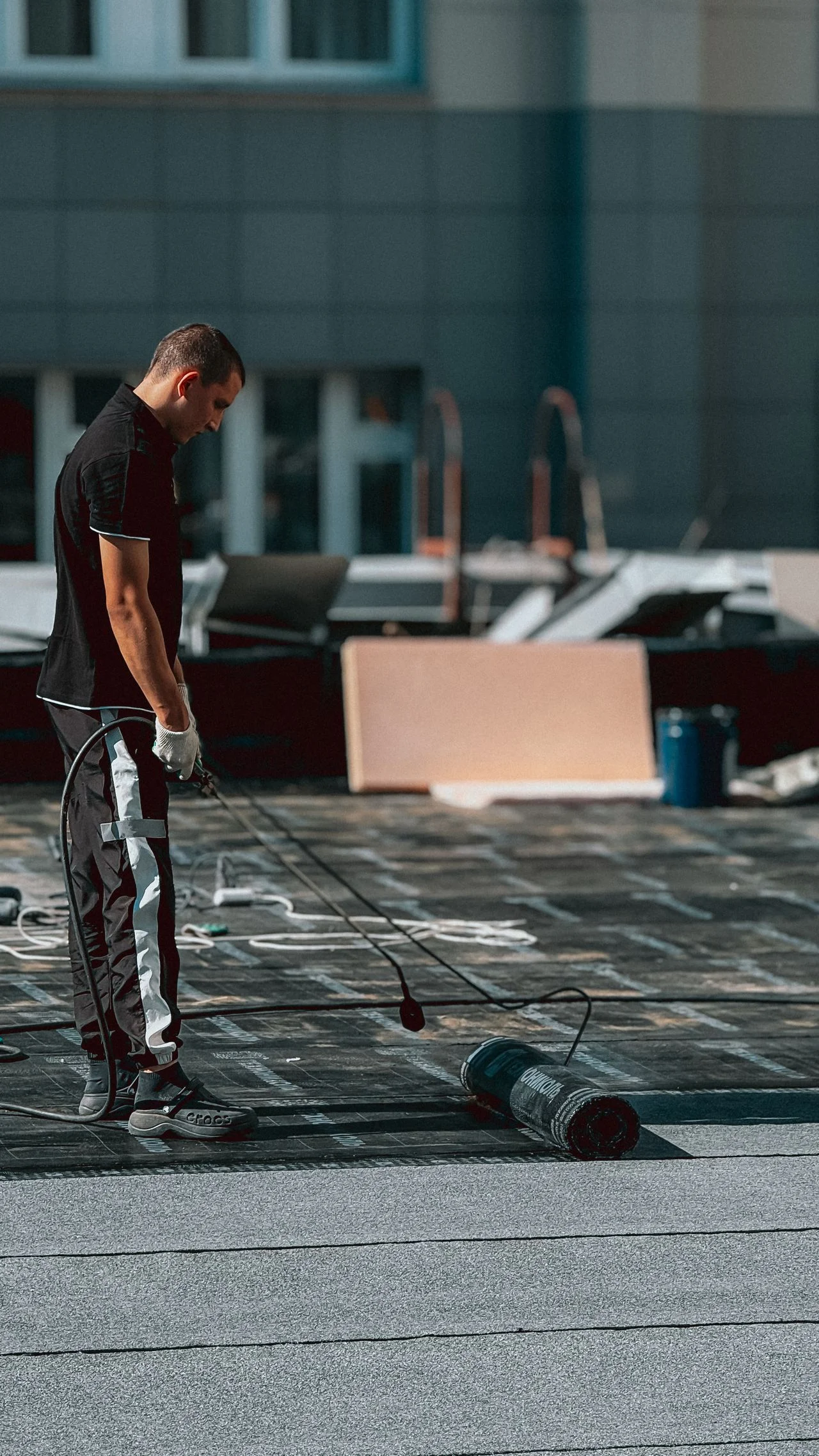
Your roof deals with the weather every day. In San Antonio, strong sun, heat, rain, and wind can affect roofing materials over time. Small roof issues can also become harder to manage when they are left alone.
This is why some property owners consider roof restoration rather than a full roof replacement. Roof coatings in San Antonio, TX, can be an option when an existing roof is still in good condition. A coating adds a layer over the current roof and can help protect the surface from regular weather exposure.
But a roof coating is not the right choice for every roof. Before you decide, you need to understand the roof's condition, the type of coating, and the work needed before application.
Roof Coatings in San Antonio, TX: What You Need to Know
1. A Roof Coating Adds a Protective Layer
A roof coating is applied over an existing roofing surface. Once properly applied, it forms a layer over the roof that helps protect the underlying material from outdoor exposure.
This can make sense when your roof is aging but still has useful life. However, coating should not be used to simply cover major roof problems.
Before coating, you should have the roof checked for leaks, damaged areas, open seams, and other issues. Any necessary repairs should be handled before the coating is applied.
2. San Antonio Weather Can Affect Your Roof
Your roof is exposed to the weather year-round. Sun and heat can place stress on some roofing materials, while rain and wind can affect weak areas, seams, and flashing.
A suitable coating may add another layer of protection to an existing roof. Still, the coating itself does not remove the need for regular roof care.
You should continue to check your roof after the coating work is completed. Regular inspections can help you notice changes before they turn into larger problems.
3. Your Roof Must Be Suitable for Coating
Not every roof should be coated. The roof's existing condition is one of the first things you should consider.
A roof with major damage, serious moisture problems, or structural concerns may need more extensive work. Applying a coating over these problems will not fix the underlying issue.
A professional inspection can help determine whether your roof is a good candidate. The inspection may look at the roof material, surface condition, drainage, seams, flashing, and areas where previous repairs were made.
This step helps you choose a solution based on the actual condition of your roof.
4. Proper Preparation Makes a Difference
Roof preparation is an important part of the coating process. The surface may need to be cleaned and repaired before the coating can be applied.
Loose material, damaged areas, open seams, and other surface problems may need attention. The roof should also be checked for moisture before work begins.
You should not focus only on the coating product. The condition of the surface underneath also matters.
If the roof is not prepared properly, the coating may not perform as intended. That is why inspection and preparation should come before application.
5. Different Roofs May Need Different Coatings
The right coating depends on your roof type, slope, condition, and exposure. Some coatings work better on flat or low-slope roofs, while others suit specific surfaces.
Before choosing one, ask why it fits your roof and what preparation, application, and maintenance it requires.
6. A Coating Does Not Replace Needed Repairs
One mistake property owners can make is treating a coating as a quick fix for roof damage.
If your roof has an active leak, damaged materials, poor drainage, or other serious issues, those problems should be addressed first. A coating should be part of a roof restoration plan, not a way to hide problems.
This is another reason an inspection matters. Once you know what is wrong with the roof, you can make a better decision about whether restoration, coating, repair, or replacement makes sense.
7. You Still Need Roof Maintenance
Adding a coating does not mean you can forget about your roof. Your roof still needs inspections and basic maintenance after the work is finished.
You should watch for signs such as:
- Water stains inside your property
- Cracks or open seams
- Damaged flashing
- Loose roofing materials
- Standing water
- Blocked drains or gutters
You may not notice every problem from the ground. A professional inspection can help check areas that are difficult or unsafe for you to reach.
Regular attention can also help you understand how your roof is performing over time.
Conclusion
So, can a roof coating help extend roof life? It can be a useful option when your existing roof is in suitable condition, and the coating system is properly selected and applied.
The important step is finding out whether your roof is a good candidate before starting the work. Major damage, unresolved leaks, moisture issues, or structural problems may require a different solution.
For San Antonio property owners considering roof restoration, PowerHouse Roof Restoration can assess the existing roof and help determine whether a restoration approach is suitable. The right choice should always be based on your roof's condition and the work it needs.











.webp)