Sign up with Google
 Sign in with Zoho

Customer experience is influenced by every interaction a person has with an organisation. From the first point of contact to the final interaction, service quality, communication, operational processes and employee behaviour all contribute to how an organisation is remembered.
Noble Franklin Coker has spent 30 years working across international environments where customer experience and operational performance are closely connected. His professional background covers entertainment, hospitality, destination development and consulting, with experience connected with Disney, Wanda Themed Destinations, Kaisa Golden Bay and APES.
His work brings together customer experience, operational excellence, leadership, cultural entertainment and quality assurance.
Understanding the Complete Experience
A customer rarely sees the internal processes that support an organisation. They experience the result of those processes.
A visitor arriving at a destination may notice how easily they can find information, how they are welcomed, how employees respond to questions and whether services work as expected. These individual interactions combine to create an overall impression.
This is why experience delivery requires more than a customer service department. It involves operations, leadership, employee development, communication and organisational culture.
Noble Coker’s professional approach reflects this broader understanding of experience. Instead of viewing customer experience as a single activity, it can be considered part of the organisation’s overall operating model.
International Experience Across Multiple Industries
Over three decades, Noble Franklin Coker has worked across several sectors and international environments. Entertainment, hospitality and destination development each present different operational challenges, but they share a common requirement: understanding the people who use and experience the service.
His professional experience connected with Disney and Hong Kong Disneyland operations provided exposure to an environment where guest experience, operational standards and attention to detail are important parts of daily operations.
Experience in destination development has added another dimension to this background. Destinations bring together multiple services, businesses, employees and visitor touchpoints, making coordination an important part of the overall experience.
Connecting Operations With Customer Experience
Operational excellence is often associated with efficiency, consistency and performance. However, effective operations can also directly influence customer experience.
When processes are clear, employees know what is expected of them. When teams communicate effectively, problems can be addressed more quickly. When quality standards are established, organisations have a framework for identifying areas that require improvement.
Customer experience therefore depends partly on what happens behind the scenes.
Noble F. Coker’s work focuses on the relationship between these internal systems and the external experience. Strong operations can create the conditions needed for employees to deliver reliable and meaningful interactions.
The Importance of Leadership
Leadership plays an important role in establishing how an organisation approaches experience.
Employees need more than instructions. They need to understand the organisation’s values, expectations and purpose. Leaders can help create this understanding by communicating clearly, supporting teams and connecting daily responsibilities with wider organisational goals.
When employees understand how their work contributes to the customer or visitor experience, they can make better decisions within their roles.
This connection between leadership and experience delivery is particularly relevant in large organisations where many teams contribute to the same customer journey.
Cultural Understanding in Experience Development
International experience also requires an understanding of cultural differences.
Customer expectations are not identical across markets. The way people communicate, interact with employees and interpret service can vary depending on cultural and social contexts.
For destinations and entertainment organisations operating internationally, this creates an important consideration. Global experience standards need to work alongside local expectations and cultural identity.
Noble Franklin Coker’s background across international projects has involved working within different environments and understanding the importance of adapting experiences to the people and communities being served.
Cultural entertainment can play a particularly important role in this process by helping destinations create experiences that feel relevant to their audiences.
Current Focus in Saudi Arabia
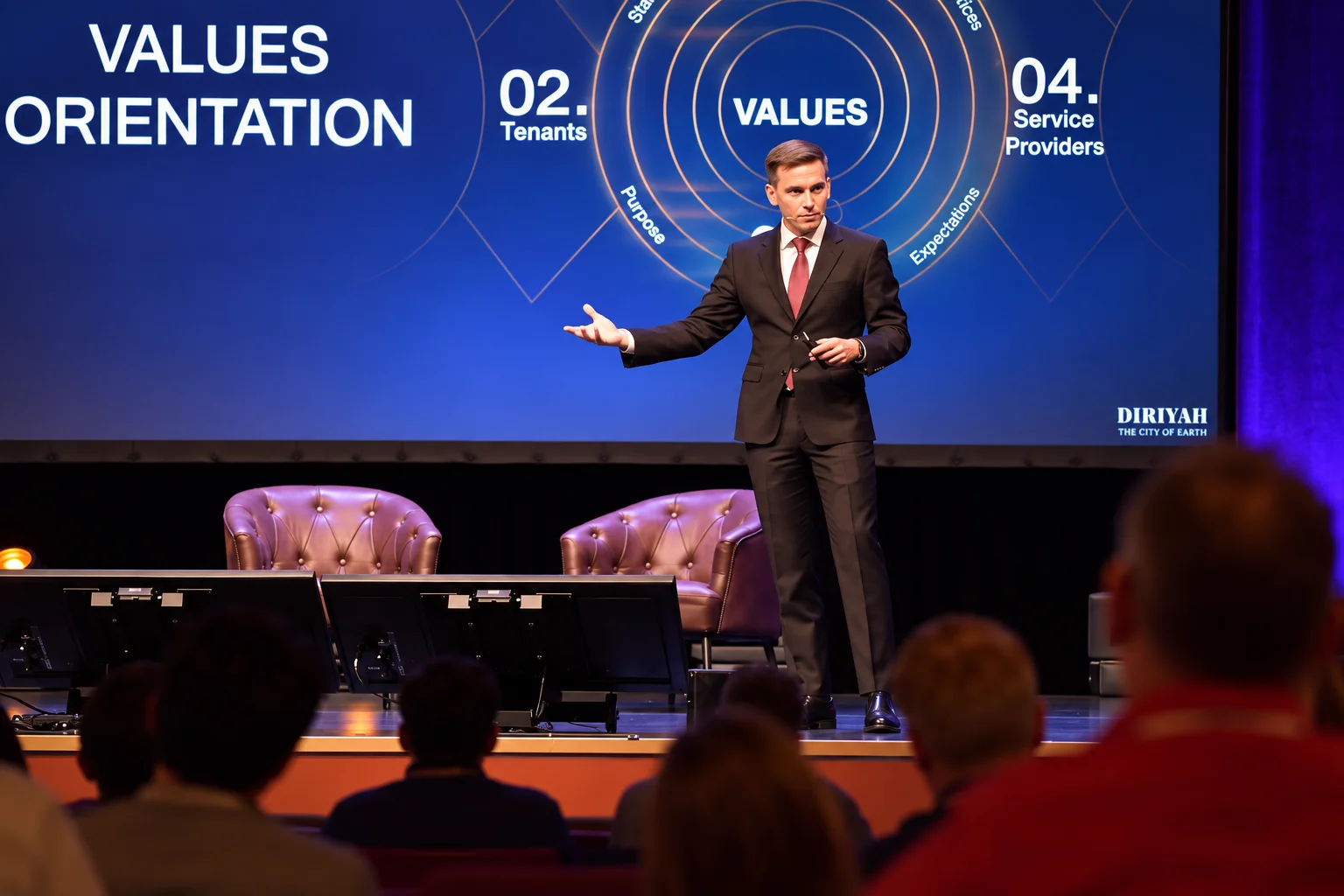
Noble Franklin Coker’s current professional work is connected with The Diriyah Company in Riyadh, Saudi Arabia, where he works as a Customer Experience and Quality Assurance Advisor.
This role brings together several areas of his professional background, including experience delivery, quality, operations and destination development.
Diriyah is part of Saudi Arabia’s wider development of tourism and cultural destinations. Within such environments, the visitor experience involves many different elements working together.
Quality assurance can help organisations maintain standards while identifying areas where service delivery can be improved.
For destination development, this can include reviewing processes, understanding visitor expectations and ensuring that different parts of the experience work together effectively.
Creating Values-Based Experiences
Values can influence how an organisation interacts with its customers and visitors.
A values-based approach means that organisational principles are reflected in everyday decisions rather than existing only as statements. Employees need to understand what those values mean in practical situations.
For example, values can influence how teams respond to customer concerns, how employees communicate and how organisations approach service improvements.
Noble Coker’s focus on values-based experiences reflects the idea that customer experience is connected with organisational culture.
When operational standards and organisational values support each other, employees have a clearer framework for delivering consistent experiences.
Building Trust Through Consistency
Trust is developed through repeated interactions.
A single positive experience can create a good impression, but consistent experiences can help build longer-term confidence. Customers and visitors want to know what they can expect from an organisation.
Consistency does not mean every interaction needs to be identical. Instead, it means that the organisation maintains reliable standards while allowing employees to respond appropriately to individual situations.
This balance between consistency and human interaction is an important part of customer experience.
Looking at Experience From the Customer’s Perspective
Organisations can sometimes focus heavily on internal processes without considering how those processes appear to the people using their services.
Looking at the experience from the customer’s perspective can reveal areas that may otherwise be overlooked.
Questions about communication, accessibility, service quality, employee interactions and the overall journey can help organisations understand what is working and where improvements may be needed.
Noble Franklin Coker’s professional background brings together operational and customer-focused perspectives, helping connect internal performance with the experience people actually receive.
A Continued Focus on Meaningful Experiences
Customer expectations will continue to change as technology, travel, entertainment and hospitality evolve.
Organisations will need to maintain efficient operations while also understanding changing customer expectations and cultural environments.
With 30 years of international experience, Noble Franklin Coker has developed a professional background across entertainment, hospitality, destination development and consulting. His work continues to centre on the relationship between people, operations, leadership and experience.
The underlying principle is straightforward. A strong customer experience is supported by strong operations, clear leadership, cultural understanding and people who understand the importance of their role.
By bringing these elements together, organisations can create experiences that are consistent, relevant and meaningful while building stronger relationships with the people they serve.