Sign up with Google
 Sign in with Zoho


Salt Spray Corrosion Test Chamber: What It Does and Why You Need One for Your Coatings
A coating that appears perfect when you produce it could be corroded by the next season when used on a coastal road or industrial setting. It would be very frustrating to wait several years to find out about this. Salt spray corrosion test chamber makes this process shorter, making you get a result in just days or weeks, thus getting an honest and timely opinion about your coating performance. This guide helps to understand how the test chamber works and what standards you should consider.
What Is a Salt Spray Corrosion Test Chamber?
Salt spray corrosion test chamber is a special cabinet that provides the conditions of a constant mist of salt solution at a certain temperature to metal parts and surfaces of coated objects. These conditions accelerate the corrosion process. Engineers use this tool to test coatings, plating thickness and reveal any imperfections in surface treatment of parts prior to their use. The test chamber does not help to evaluate the years of usage but provides reliable ranking of the materials and reveals any defects promptly.
Working of the Salt Fog Test
In the cabinet, compressed air is passed through an air saturator that heats up and saturates it. This air then pulls out salt solution from the nozzle and sprays it to form fine mist which deposits on the specimens. Heater maintains the constant temperature in the cabinet at 35°C for the neutral salt spray test. Solution used in the salt fog test is 5 percent sodium chloride in distilled water, whose pH is adjusted to be within 6.5 and 7.2. Specimens are placed at an angle in the racks where the mist accumulates.
Maintenance & Calibration Schedule
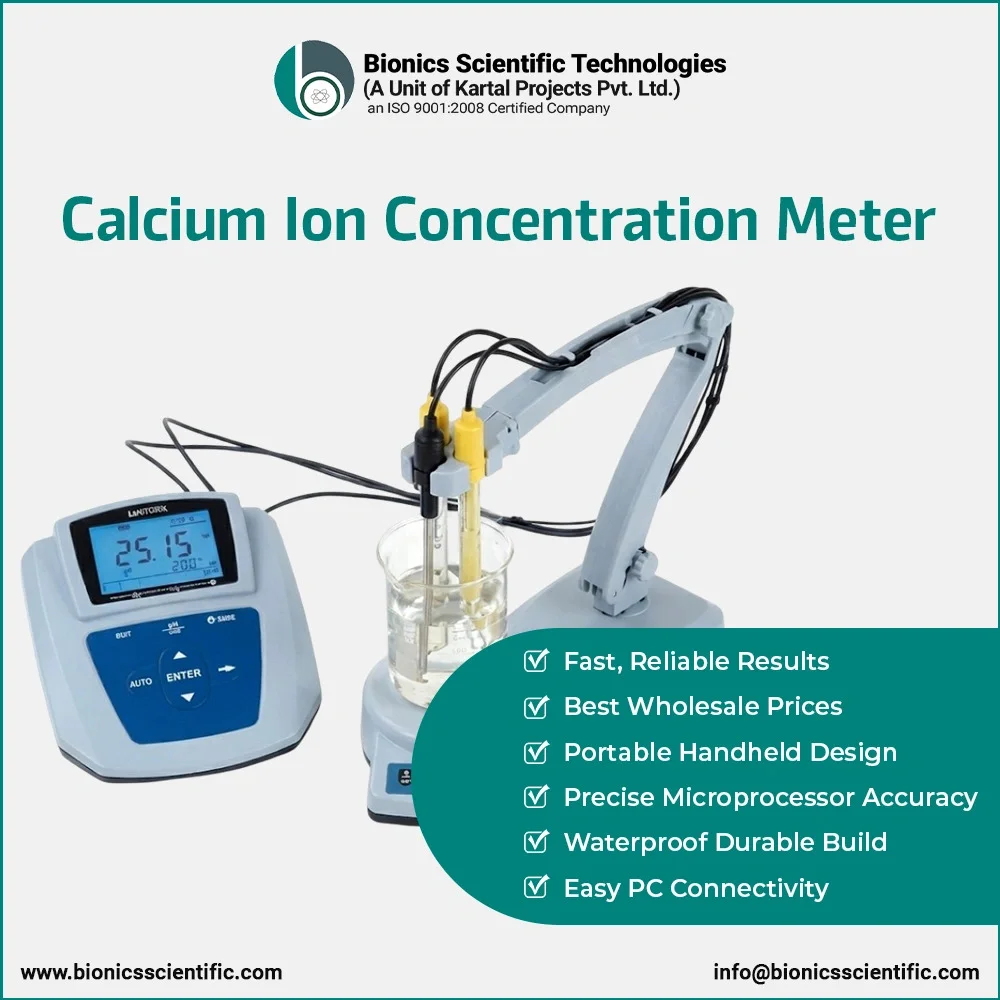
Clean the chamber after testing and de-scale the saturator as required especially where hard water is used. Test the nozzles, tubing, and gasket of the lid monthly. Calibrate the temperature probes and test the pH meters at least annually. Keep the certificates together with the chamber paperwork.
Who Needs These Chambers?
The automotive industry tests fasteners, brackets, and paint coatings. The electronics industry tests connectors and enclosures. Paints and powder coating companies need to validate their new formulations. Hardware and fittings companies need to confirm galvanizing and anodizing process. Industries which sell metal products in damp, coastal, and industrial environment need this test.
Choosing the Right Chamber?
Choosing the correct chamber is dependent on the size of the specimen and the volume. Small benchtop chambers work perfectly for small specimens. Large chambers work best for panel and assembly type tests. You need chambers built from materials that do not rust easily; most are built from PP and PVC material. There are other features which are necessary including clear view lid, PID control, water level protection air saturator, fog collection and measurement. Spray rate shall be between 1 to 2ml/hour/80cm² collection area as per the standards.
Stability Chamber Precision Maintenance Method
In the box, there is a PID controller that measures temperature and humidity sensors and controls the heaters, cooling system, and humidifiers, so the set point is maintained. There is a circulation of air inside to ensure uniform conditions on all shelves. The best chambers feature stainless steel lining, dense insulating material, and an independent overheating protection. The humidity is produced by the steam or ultrasonic generator with the help of purified water supply to prevent scaling.
Obtaining Reliable Results
Make sure that you have used pure salt and distilled water to prevent any contamination. Check the pH of the solution and the fog fallout on a daily basis during the test. It is necessary for you to keep your nozzles clean all the time because salt crystals tend to clog them easily. You need to have a reference panel in place to ensure that the testing chamber is working properly.
Conclusion
Salt Spray Test Chambers are quality control tools and not mere rituals. Get the right sized machine, follow the specifications set out by ASTM B117 or ISO 9227, take good care of your equipment, and you will make better coatings decisions.