Sign up with Google
 Sign in with Zoho

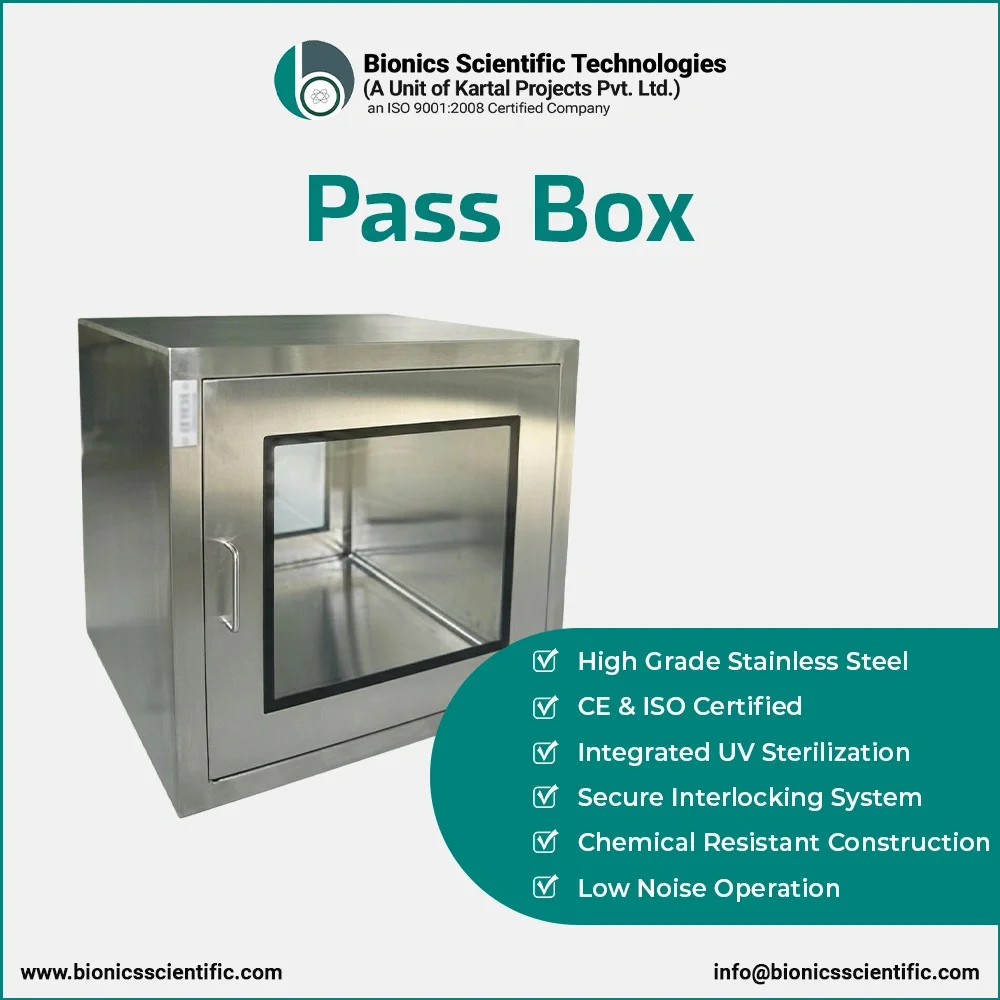
Pass Boxes in Action: Using Them in Different Industries
Two different facilities may purchase the same pass box and use it for entirely different purposes. The pharmacy in a hospital is concerned with sterile compounding, while the electronics facility is concerned with dust on circuit boards. Being familiar with your industry will help you make good use of the equipment quickly.
What a Pass Box Does, in a Single Paragraph
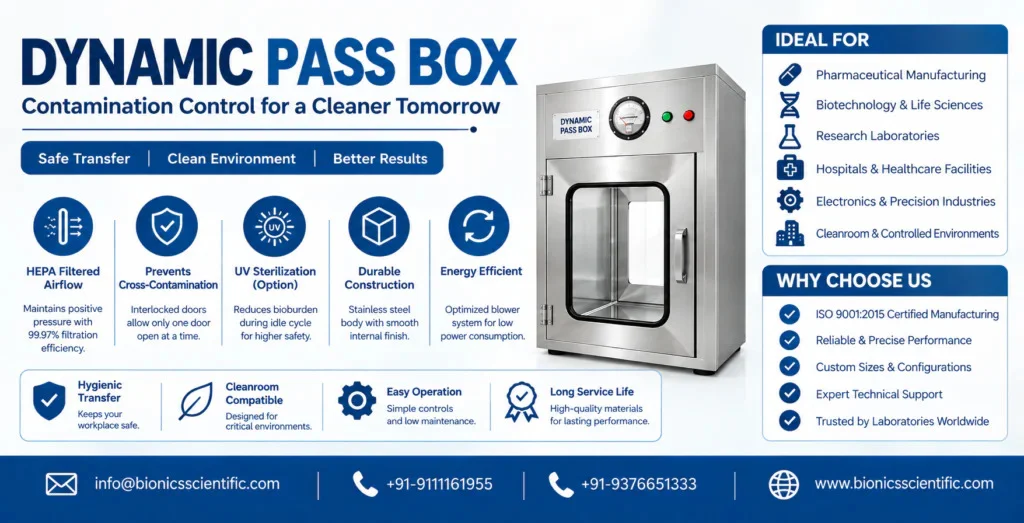
The pass box is an interlocked chamber inserted into a wall that allows transfer of materials between two areas without anyone going through it. This is because at any given time, only one door is open. This basic idea applies to various industries, but the specifics vary depending on the level of risk.
Pharmaceutical and Biotech Plants
This is the most demanding application, particularly in India's industrial hubs, where inspections emphasize the prevention of contamination. Common requirements are dynamic systems with HEPA filters for conveying parts into the higher grade cleanrooms, along with stainless steel construction capable of handling the high frequency of rotating disinfectants. The interlocks with indicators are important, so that there is no guessing when it is safe to open a door, as well as documentation supporting validation.
Hospitals and Hospital Pharmacies
In this case, the emphasis is on protecting sterile preparations and segregating clean materials from dirty ones. Many facilities use a transfer hatch combined with a one-way flow: clean materials go in at one point, while dirty materials leave via another path. Wiping ease is more important than features in such an environment.
Microbiology and Research Laboratories
The laboratories make use of the chamber to transport samples and media between the containment areas and the support zones. The buyers will prefer those chambers that contain the UV lamps as a supplementary measure; however, surface decontamination is the first priority. Material selection should be considered when working with corrosive disinfectants frequently.
Electronics and Semiconductors Industry
Particulates and static form the enemies here. The customers expect non-particulating and low-fiber materials, as well as good seals around the doors. Dynamic models come in handy when parts are going to clean assemblies.
Food and Cosmetic Manufacturing Plants
Hygiene areas of these industries use chambers in order to control allergens, moisture, and microbiology. In this case, corrosion resistance forms the first factor to consider due to regular wash-down procedure.
Simple Way to Select a Box
Not all designs are universal, as a simple cleaning requirement of a hospital is different from validation and airflow requirements of a sterile plant. Before getting quotes, answer four questions in writing. Choose which two departments the box will connect and their grades, and what is the largest object that will be transferred. Estimate how many transfers occur per shift, and what are the cleaning agents that will affect the interior. Your answers will define dimensions, materials, and types of boxes more accurately than any catalog, and stainless steel is definitely a safer material in places where powerful cleaning solutions are used and frequent audits take place.
Conclusion
Pass box proves its usefulness only when it matches your process. Analyze your industry's hazards, select the proper type according to your grade difference, and let cleaning procedures determine the finish. Do that, and an ordinary wall-mounted unit will become your process's best guardian.