Sign up with Google
 Sign in with Zoho

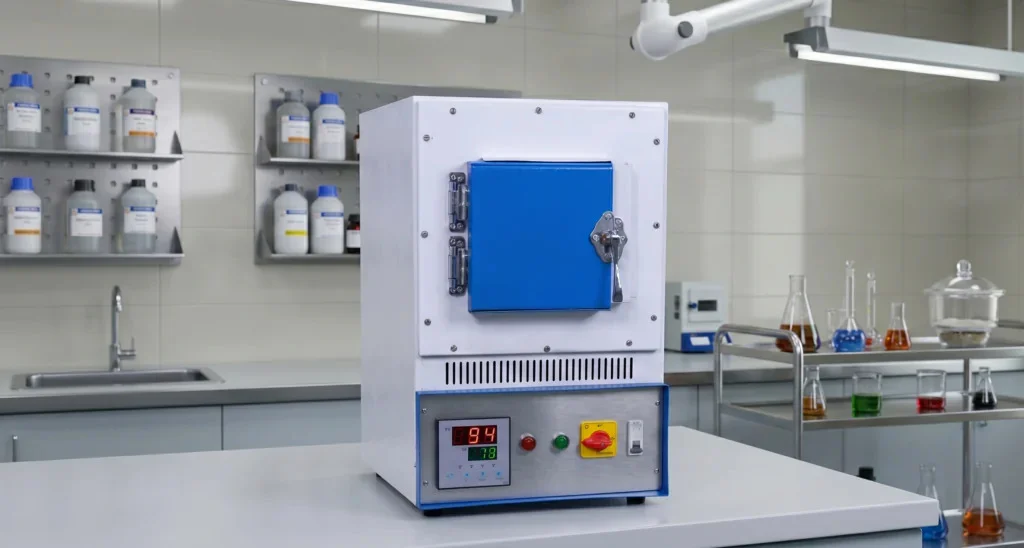
Determination of Ash Content in Samples Using Muffle Furnace: A Practical Approach
The Significance of Ash Content in Quality Control
Each organic sample, may it be wheat flour, animal feed, coal, or plastic compound, comes with an invisible percentage of minerals within it. This can be revealed through ash content determination where all organic matters are burned and the remaining percentage is determined. The percentage is normally very low, only several percent but is significant nevertheless. High percentage of ash content in spices can reveal the presence of soil or sand in them while increase in percentage of ash content in flour could mean bad milling process.
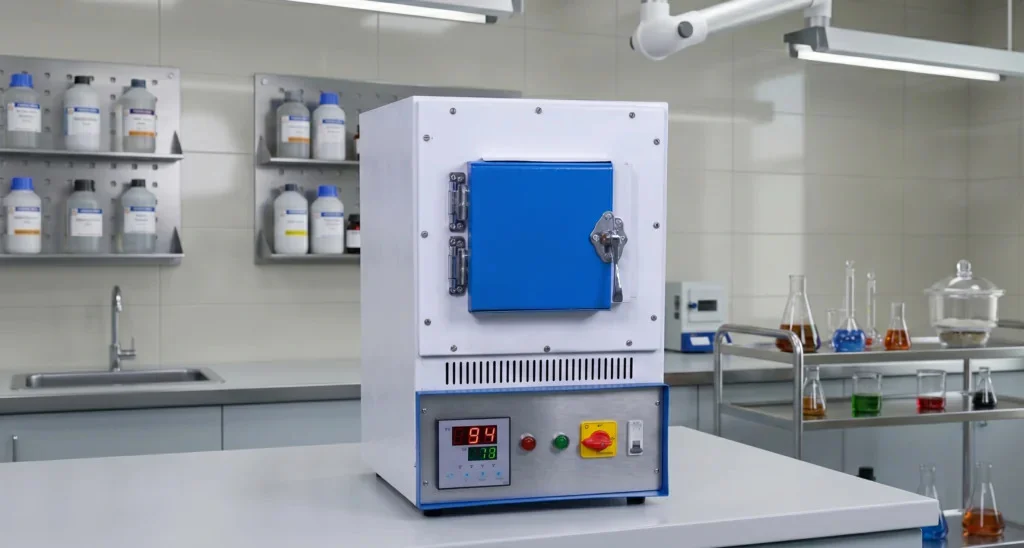
Muffle Furnaces – Why They Are the Norm
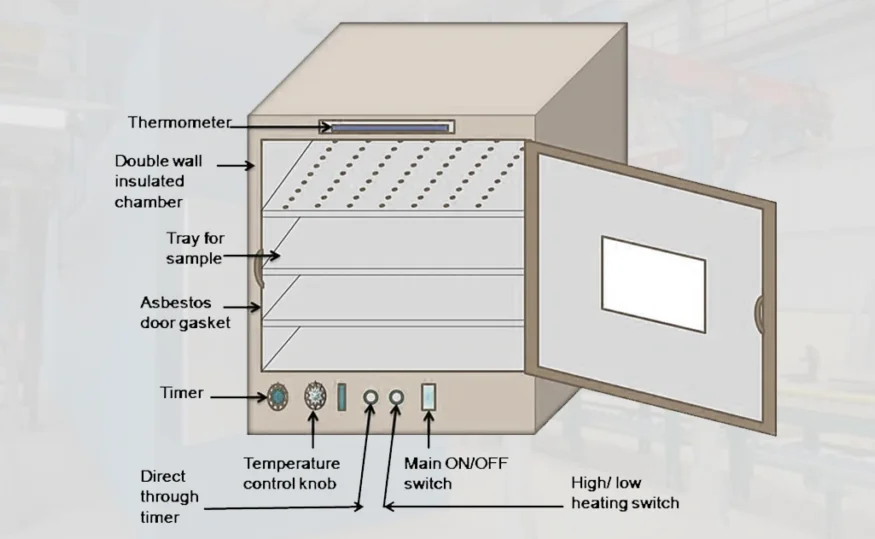
The muffle furnace keeps the sample in a well-insulated enclosure that does not come in contact with the flames and gases; hence, all you have in the way of influences are just heat and air. The separation of the sample from the flames is the reason why ash content determination using the muffle furnace is reproducible from one person to another and from one day to the next. Food and feed analysis usually goes up to around 550–600°C, whereas coal, petrochemicals, and polymers have their own unique temperatures to attain.
Crucible and Sample Preparation
First, fire an empty crucible made of porcelain or silica, allow it to cool down in a desiccator and note its mass. Beginners often omit this preparatory procedure, which silently affects every subsequent calculation. Then, take some representative part of the sample, usually from two to five grams, and put it right into the crucible. Samples containing sugar, fats, and proteins will bubble and splatter upon rapid heating, so first charring them carefully on a hot plate or over a small flame until the fuming stops is recommended to prevent loss of the material when putting it into a hot furnace.
Performing the Burn
Insert the crucible into the cool or warm furnace and gradually increase the temperature. Maintain the selected temperature level until the residue becomes white or light grey in color, and the entire process takes between two hours and an entire night, depending on the type of material. Shut down the operation, allow it to cool down, and using long tongs transfer the crucible into a desiccator. Only when it is completely cooled can it be weighed. If there are traces of black carbon left, heat up and weigh it again until you get similar results.
Calculation of the Ash Content
It is a straightforward calculation. The difference between the crucible weight without its contents and the crucible weight with the ash is divided by the initial sample weight and multiplied by one hundred percent. So if a four-gram sample yields 0.12 grams of ash, the ash content will be three percent. Don’t forget to report the result according to the required basis, as there might be significant differences in the results for "as received" and "on dry matter basis."
Faults That Result In Errors in Calculations
First and foremost, these are the faults that involve overheating. Due to high temperature, the chlorides and some alkali salts start evaporation, which leads to ash appearing lighter in weight. The heated crucible put on the balance produces hot currents of air, which causes instability in the results. Moreover, ash easily gets wet, hence the necessity of having a desiccator near for instant weighing. Overloading the furnace impedes the process of oxidation, which leaves carbon unburnt, hence the higher results.
The Calculation of the Ash Content
The calculation is rather simple. The difference between the weight of the crucible without the substance and the weight of the crucible with ash is divided by the initial weight of the sample and multiplied by one hundred percent. Therefore, if from a four gram sample there is obtained 0.12 grams of ash, the ash content will be three percent. Don’t forget to calculate the result in accordance with the required basis as the difference in results can be really significant between “as received” and “on dry matter basis.”
Faults that lead to the Mistakes in Calculations
These are first of all those faults that consist in the process of overheating. As a consequence of the high temperature, the evaporation of chlorides and some alkali salts takes place, which makes the ash lighter. The hot crucible when put on the balance generates the air currents, making the results unstable. Besides, the ash is very prone to the moisture, so the presence of the desiccator should be ensured for instant weighing. Overheating the furnace prevents the oxidation process, so carbon remains unburnt.
Heat Protection and Calibration Routine
Use gloves and face protection when handling a furnace; moreover, do not open the door completely if the chamber is at the highest temperature. Check the furnace controller against a thermocouple periodically, as the one that shows 550°C but delivers 580°C ruins every analysis you conduct. Document every calibration, as accreditation reviews the paper trail.
Final Thoughts
A precise measurement of ash content is dependent on certain minute details such as a trained crucible, pre-char, accurate furnace temperature, proper cooling and rapid weighing. Master all of these and the muffle furnace will be one of the most reliable devices you have in your QC laboratory.