Sign up with Google
 Sign in with Zoho

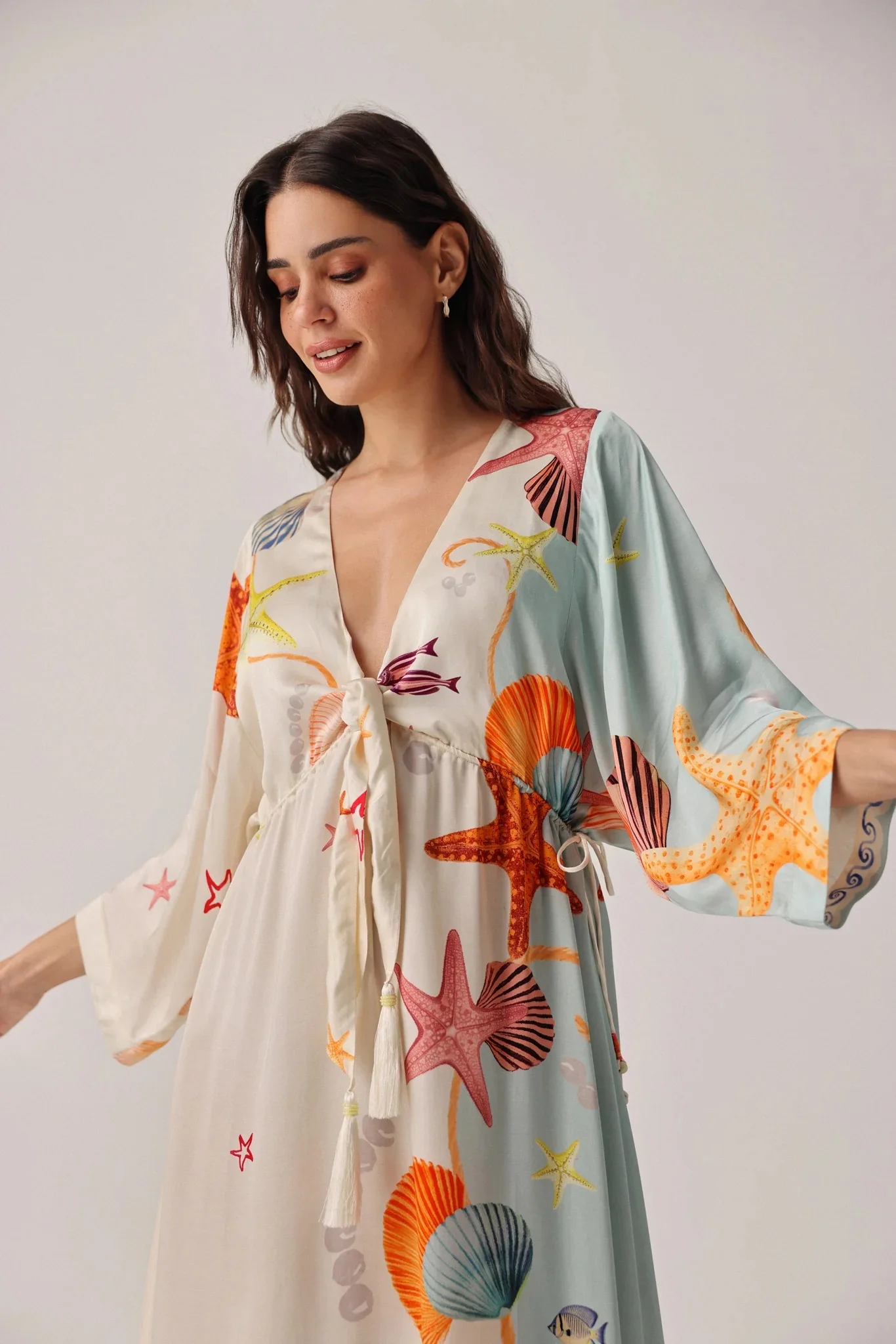
Few fabrics suit warm-weather travel as naturally as linen — and organic linen, in particular, has become a defining fabric in the resortwear category. Understanding what makes it so well-suited to this style of clothing explains why so many premium collections continue to build around it.
What Makes Organic Linen Different
Organic linen is made from flax grown without synthetic pesticides or fertilizers, using significantly less water than conventional cotton farming. Beyond its environmental benefits, organic processing tends to preserve the natural strength of the flax fiber more effectively than conventionally treated linen, resulting in fabric that holds up better over repeated wear and washing — an important quality for resortwear pieces meant to travel well and last multiple seasons.
Breathability Built for Warm Climates
Linen's loosely woven structure allows air to circulate close to the skin, which is precisely why it performs so well in the heat and humidity typical of resort destinations. Unlike tightly woven synthetic fabrics that trap moisture, linen wicks it away and dries quickly — a meaningful advantage when you're transitioning from a swim to a poolside lunch.
Why It Works So Well for Cover-Ups
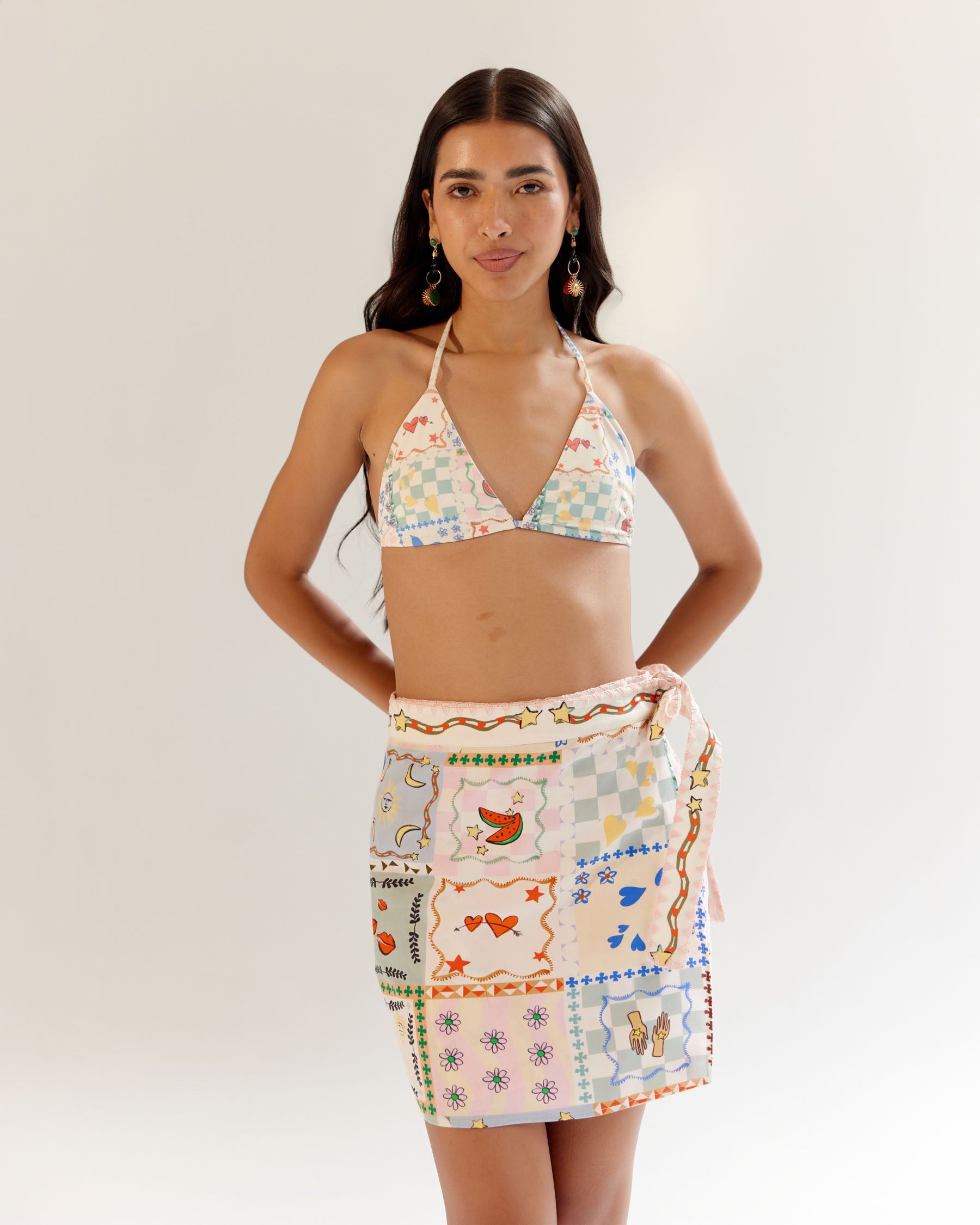
A coverup made from organic linen offers the rare combination of lightweight comfort and a slightly structured drape, giving pieces a more elevated look than softer, clingier fabrics. This structure is part of why linen cover-ups photograph so well — they hold their shape rather than collapsing against the body in humidity.
Durability That Improves With Wear
Unlike many fabrics that weaken with repeated washing, linen fibers actually become softer and more supple over time without losing structural integrity. This means a well-made organic linen piece can last for years of travel, developing a lived-in softness that many find preferable to the stiffness of a brand-new garment.
The Sustainability Case for Organic Linen
Flax requires significantly less water and fewer chemical inputs than cotton, and the entire plant can typically be used in production, reducing agricultural waste. For travelers who care about the environmental footprint of their wardrobe, organic linen represents one of the more responsible natural fiber choices available in resortwear today.
Caring for Organic Linen While Traveling
- Wash in cold water on a gentle cycle to preserve fiber integrity
- Air dry when possible; if damp, hang rather than fold to avoid deep creasing
- Iron while slightly damp for easier wrinkle removal
- Expect and embrace some natural wrinkling — it's part of linen's characteristic texture, not a flaw
Choosing Brands That Prioritize Linen Quality
Not all "linen" labeling reflects the same fiber quality. A trustworthy beachwear brand will typically specify fabric weight, weave, and sourcing details rather than using the term generically, which gives you a better sense of what you're actually purchasing.
Frequently Asked Questions
Is organic linen more expensive than regular linen?
Generally yes, due to more costly farming practices, though the price difference has narrowed as demand for organic fabrics has grown.
Does organic linen wrinkle less than regular linen?
No — wrinkling is a characteristic of the fiber itself rather than the farming method, though weave and blend can affect how much a piece creases.
Is linen suitable for very humid tropical climates?
Yes, linen's breathability and quick-dry properties make it one of the best-performing natural fibers in high-humidity environments.
Final Thoughts
Organic linen combines breathability, durability, and a lower environmental footprint, making it one of the most well-suited fabrics for resortwear. Whether you're shopping for a cover-up, a kaftan, or tailored separates, prioritizing organic linen pieces is a reliable way to invest in resort clothing that performs beautifully and lasts.


.webp)