Sign up with Google
 Sign in with Zoho
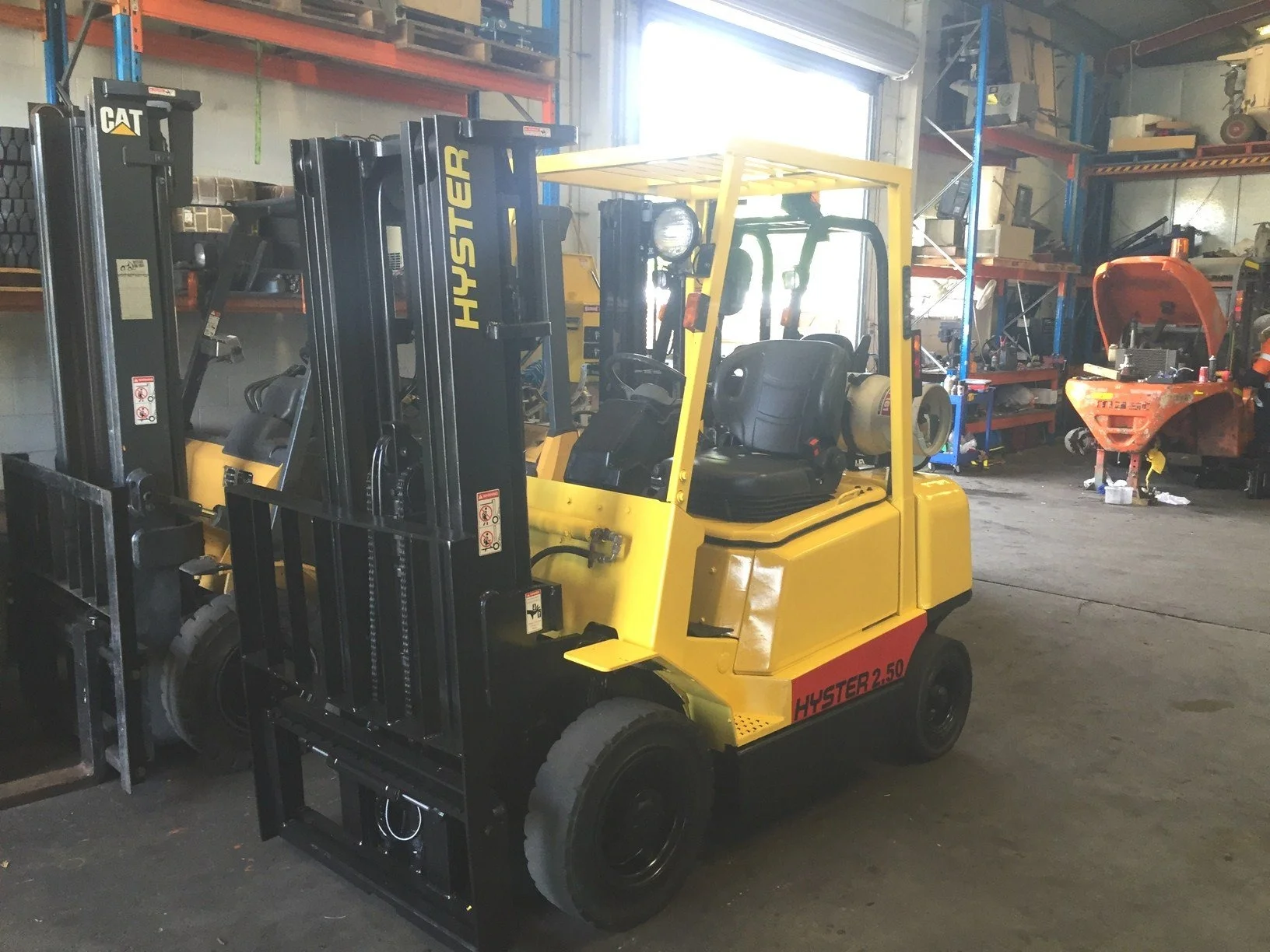
Hiring a forklift can seem straightforward. You choose a machine, agree on a rental period and arrange delivery. In practice, there can be quite a few details behind that simple arrangement.
For businesses looking at forklifts rental, the advertised hire price is only one part of the decision. You also need to know what happens with delivery, servicing, fuel, attachments, operators and unexpected problems during the hire period.
These details can vary between rental providers and agreements, so it pays to ask questions before the forklift arrives at your site.
What Does a Forklift Rental Usually Cover?
At the most basic level, a rental gives you access to a forklift for an agreed period. The machine should be suitable for the work you have described, including the required lifting capacity and operating environment.
For example, a warehouse moving pallets indoors may have very different requirements from a construction site handling materials outdoors.
Before accepting a rental, check the actual forklift being supplied. Look at its capacity, lift height, fuel or power type, tyre configuration and overall dimensions. Getting the right machine from the beginning can save a lot of frustration later.
Is Delivery Included?
This is one of those details that is easy to overlook.
Some rental arrangements include delivery and collection, while others charge transport separately. The cost can depend on where the equipment needs to go and what type of transport is required.
Think about your site as well. Is there enough room for the delivery vehicle? Is there a suitable entrance? Will the forklift need to be unloaded in a particular area?
If you are comparing two rental quotes, check whether both include the same transport services. A lower hire rate does not necessarily mean a lower overall cost if delivery and collection are charged separately.
What About Servicing and Maintenance?
A rental forklift still needs to be maintained while it is being used.
The agreement should explain who handles routine servicing and what you should do if the machine develops a fault. With a longer rental, this becomes particularly important because the forklift may be working regularly for weeks or months.
It is also worth asking how faults are reported and who you should contact if the equipment stops working.
You do not want to be searching for a service contact after a forklift breaks down in the middle of a busy workday.
Are Fuel and Charging Costs Included?
Usually, businesses need to account for the ongoing operating costs of the forklift.
For an LPG or diesel machine, that can mean arranging and paying for fuel. An electric forklift brings a different consideration because the workplace needs suitable charging facilities.
The best option depends on how the machine will be used. A forklift operating occasionally during the day has different energy requirements from one working continuously across multiple shifts.
Include these running costs when working out your rental budget rather than looking only at the initial hire rate.
Do You Need an Attachment?
Standard forks are suitable for many pallet-handling jobs, but not every load is the same.
Depending on what you are moving, you may need an attachment or a different fork configuration. Some examples include handling particular types of drums, cartons or specialised materials.
Attachments are not necessarily included with a standard rental. More importantly, adding an attachment can affect the forklift's rated capacity and how it handles a load.
If you already know that your job requires a specific attachment, mention it when requesting a quote. This gives the rental provider a better understanding of what equipment is actually needed.
Does the Rental Include a Forklift Operator?
Not necessarily.
A standard forklift rental generally provides the equipment, while the customer arranges an appropriately authorised operator. However, some businesses need an operator as part of the service.
This is where wet hire may be useful for certain projects. The equipment and operator can be supplied together, depending on the provider and the type of work involved.
If you need someone to operate the forklift, make this clear at the beginning. Equipment hire and operator hire are not always the same service.
What Happens If the Forklift Develops a Problem?
Nobody wants equipment problems during a project, but it is worth discussing the process before the hire begins.
Ask what support is available if the forklift develops a mechanical or electrical fault. Find out who to contact, how faults are reported and what happens if the machine cannot be used.
The answer may differ depending on the rental period and agreement.
For a short project with a tight deadline, knowing the support process beforehand can be just as important as knowing the rental price.
Check the Rental Agreement Carefully
The rental agreement should set out the main terms of the hire.
Pay attention to the rental period, payment arrangements, responsibilities for damage, maintenance obligations, transport charges and what happens if you need the forklift for longer than expected.
For example, a project scheduled for two weeks may run into delays because of weather, deliveries or changes to the work schedule. Ask whether the rental can be extended and how additional days are charged.
It is much easier to understand these conditions before signing than after the original rental period has ended.
What Should You Ask Before Hiring?
A quick conversation with the rental provider can clear up most uncertainties. Ask:
- Which forklift is being supplied?
- What is its rated lifting capacity?
- Is delivery and collection included?
- Who handles maintenance during the rental?
- Are fuel or charging costs included?
- Are attachments available if required?
- Is an operator available?
- What happens if the forklift develops a fault?
- What are the conditions for extending the rental?
- What responsibilities apply to damage or excessive wear?
You do not necessarily need the cheapest rental. You need an arrangement that makes sense for the work you are actually doing.
Final Thoughts
There is more to forklifts rental than simply having a machine delivered to your workplace. The equipment itself, transport, servicing, fuel, attachments, operator requirements and rental conditions can all affect the overall arrangement.
Taking a few minutes to clarify these points before the hire starts can prevent misunderstandings and help you budget more accurately.
At North Coast Forklifts, we provide forklift hire options for businesses across Brisbane, the Sunshine Coast, the Gold Coast and surrounding areas. Discussing the type of work, site conditions and rental period beforehand can help identify an option that fits the job.