Sign up with Google
 Sign in with Zoho

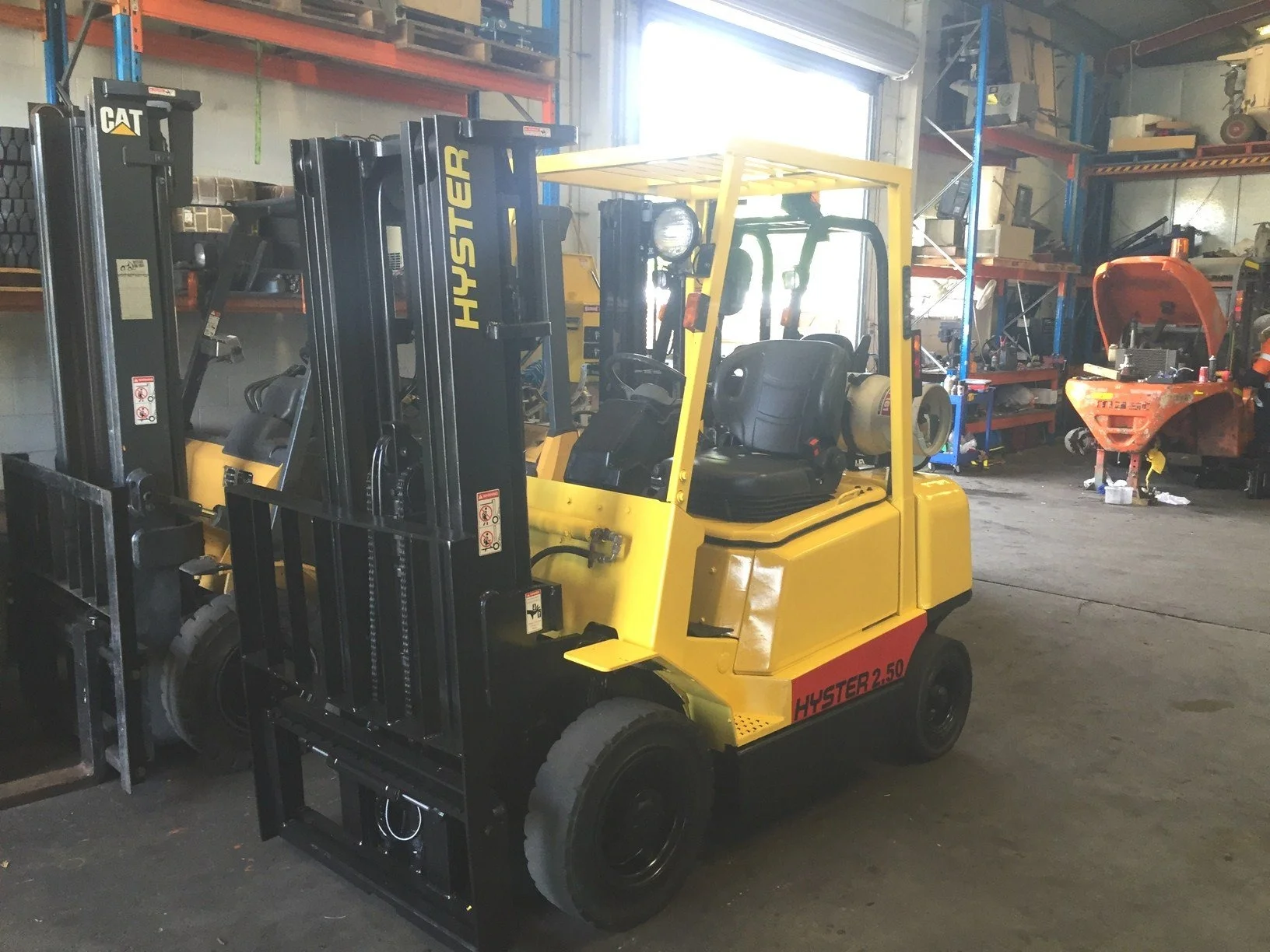
Every forklift is a significant investment, and like any piece of industrial equipment, its lifespan depends on how well it is maintained. While daily inspections and safe operation are important, forklift servicing plays the biggest role in keeping equipment reliable over the long term. Regular servicing helps identify wear before it becomes a major problem, supports safe operation, and keeps forklifts performing efficiently throughout their working life.
Many businesses focus on repairing equipment only when something goes wrong. However, a proactive servicing schedule often proves more cost-effective than reacting to unexpected breakdowns. Understanding the connection between servicing and equipment lifespan can help businesses protect their investment while maintaining productive operations.
Why Equipment Lifespan Matters
Forklifts are used in demanding environments where they often operate for many hours each day. Warehouses, manufacturing facilities, logistics companies, and construction sites all rely on these machines to keep goods moving efficiently.
Replacing equipment earlier than necessary can place unnecessary pressure on business budgets. By extending the working life of a forklift through regular servicing, businesses can maximise the return on their investment while maintaining reliable operations.
A well-maintained forklift is also more likely to deliver consistent performance throughout its service life.
How Forklift Servicing Prevents Premature Wear
Every moving component experiences wear over time.
Hydraulic systems, tyres, brakes, steering components, chains, bearings, and engines all require regular inspection and maintenance. Without routine servicing, small issues can gradually develop into larger mechanical failures that place additional stress on other parts of the machine.
Professional forklift servicing helps identify worn components early, allowing repairs or replacements before further damage occurs. This preventative approach reduces unnecessary strain on the forklift and supports a longer operating life.
Detecting Minor Problems Before They Become Major Repairs
Mechanical faults rarely appear without warning.
Small hydraulic leaks, unusual engine noises, worn tyres, or declining battery performance often develop gradually. Left unattended, these issues may affect other systems and result in more complex repairs.
Routine servicing allows technicians to inspect critical components and address minor problems before they become expensive failures. Early intervention not only reduces repair costs but also helps avoid extended periods of downtime.
Protecting Key Components
Some forklift components are particularly important for long-term reliability.
Regular servicing helps maintain systems such as:
- Hydraulic cylinders and hoses
- Mast and lift chains
- Braking system
- Steering components
- Engine or electric drive system
- Cooling system
- Battery and charging equipment
- Tyres and wheels
Keeping these components in good condition reduces unnecessary wear throughout the entire machine.
Consistent Lubrication Reduces Friction
Many forklift parts rely on proper lubrication to operate efficiently.
Moving components generate friction, and without adequate lubrication, excessive wear can occur much faster. During scheduled servicing, technicians lubricate key areas according to manufacturer recommendations, helping minimise metal-to-metal contact and extending component life.
Although lubrication may seem like a simple task, it plays a vital role in preserving equipment performance.
Maintaining Safe Operating Performance
Equipment lifespan is closely linked to safe operation.
A forklift with worn brakes, damaged steering components, or hydraulic problems may not only become less reliable but could also create unnecessary workplace risks.
Regular servicing ensures these critical systems continue operating as intended. Maintaining safe equipment protects operators while reducing the likelihood of incidents that could result in significant repair costs.
Reducing the Impact of Daily Operating Conditions
Australian workplaces often expose forklifts to demanding environments.
Dust, uneven surfaces, heavy loads, outdoor conditions, and extended operating hours all contribute to gradual equipment wear. Businesses operating multiple shifts may place even greater demands on their forklifts.
Routine servicing helps offset these conditions by ensuring equipment remains properly adjusted, cleaned, lubricated, and inspected despite challenging operating environments.
Compare a Serviced Forklift with a Poorly Maintained One
The difference between regularly serviced equipment and neglected machinery becomes more noticeable over time.
Although servicing involves planned maintenance costs, it often helps reduce larger expenses later in the equipment's life.
Supporting Better Resale Value
Businesses eventually replace or upgrade equipment as operational needs change.
A forklift with a documented servicing history is generally more attractive to potential buyers than one with limited maintenance records. Regular servicing demonstrates that the equipment has been properly cared for, providing greater confidence about its condition.
While resale value depends on several factors, maintaining accurate service records can support stronger returns when equipment is sold or traded.
Operator Care Works Alongside Servicing
Professional servicing is most effective when combined with responsible daily operation.
Operators can help extend equipment lifespan by:
- Completing pre-start inspections
- Reporting unusual noises or warning lights
- Avoiding overloading
- Driving at appropriate speeds
- Using correct lifting techniques
- Keeping the forklift clean
These daily habits reduce unnecessary strain between scheduled service appointments and help technicians identify developing issues more quickly.
Choosing the Right Servicing Schedule
There is no single servicing schedule that suits every business.
The appropriate interval depends on factors such as:
- Daily operating hours
- Load weights
- Indoor or outdoor use
- Environmental conditions
- Manufacturer recommendations
- Fleet utilisation
Businesses operating forklifts continuously across multiple shifts will generally require more frequent servicing than equipment used occasionally.
Working with an experienced service provider helps ensure maintenance schedules reflect actual operating conditions rather than following a one-size-fits-all approach.
Partner with an Experienced Service Provider
Quality servicing involves more than simply replacing filters or changing fluids.
Experienced technicians understand how different forklift models perform under varying workloads and can identify developing problems before they affect productivity. They also use manufacturer-recommended procedures and quality replacement parts where required.
Choosing a trusted service provider helps businesses maintain reliable equipment while supporting long-term operational efficiency.
Conclusion
The connection between forklift servicing and equipment lifespan is clear. Regular maintenance helps reduce wear, identify developing problems early, improve workplace safety, and minimise unexpected downtime. Over time, these benefits contribute to longer-lasting equipment and lower overall operating costs.
At North Coast Forklifts, we provide professional forklift servicing tailored to the needs of businesses across Queensland. Whether your equipment operates in warehousing, logistics, manufacturing, or construction, our experienced team can help you maintain reliable forklifts that continue performing efficiently for years to come.