Sign up with Google
 Sign in with Zoho

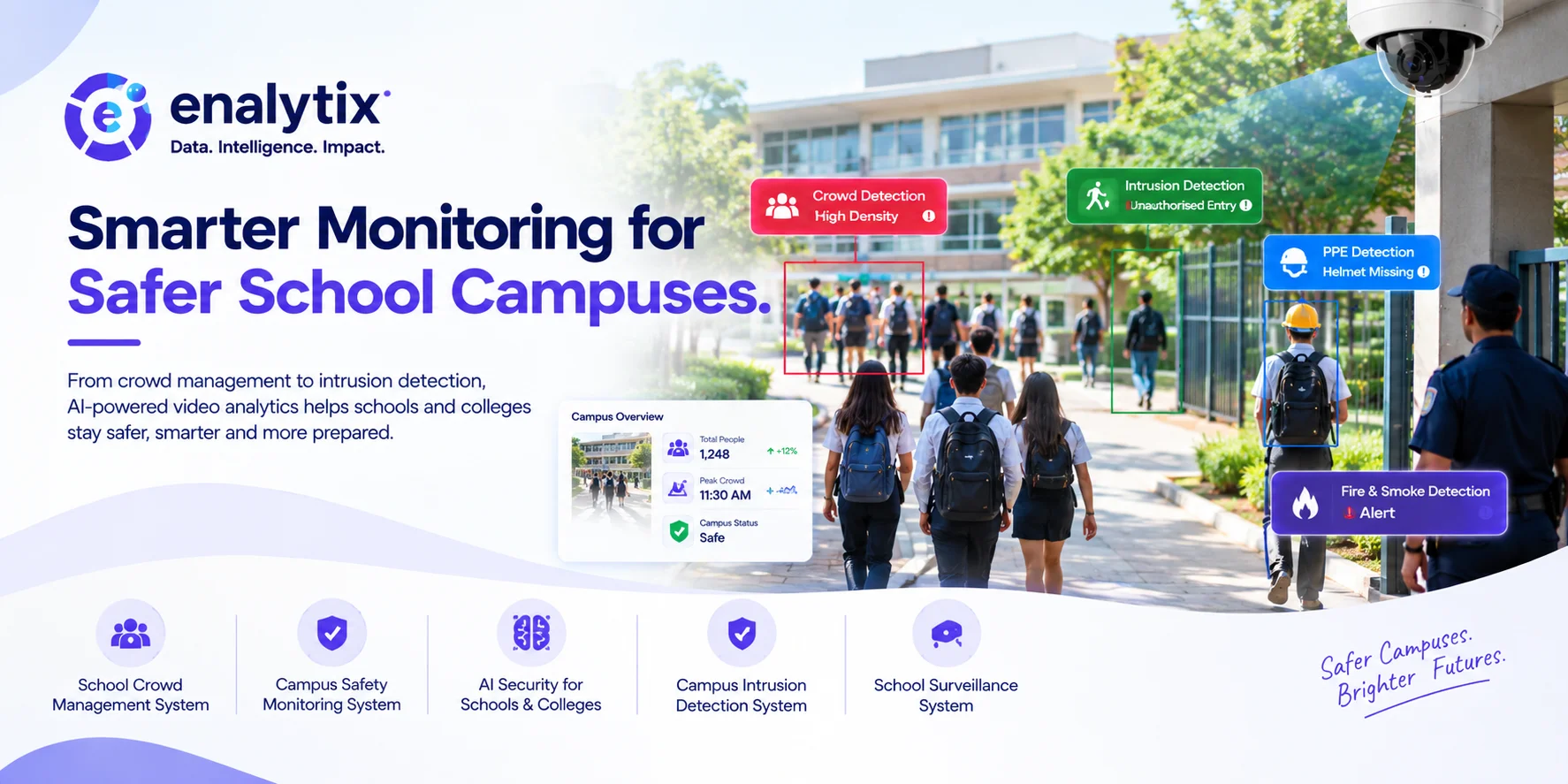
Students change classrooms, groups gather in common areas, visitors arrive at different times, staff move between buildings, and vehicles use campus roads throughout the day. For school security teams, keeping track of all these activities manually can be challenging. This is why schools and colleges are increasingly exploring how existing CCTV infrastructure can provide more useful, real-time information.
A modern school surveillance system can do much more than simply record footage for later review. With advanced video analytics, specific events and unusual activities can be identified automatically and brought to the attention of the relevant security team. This allows staff to respond more quickly while maintaining better visibility across the campus.
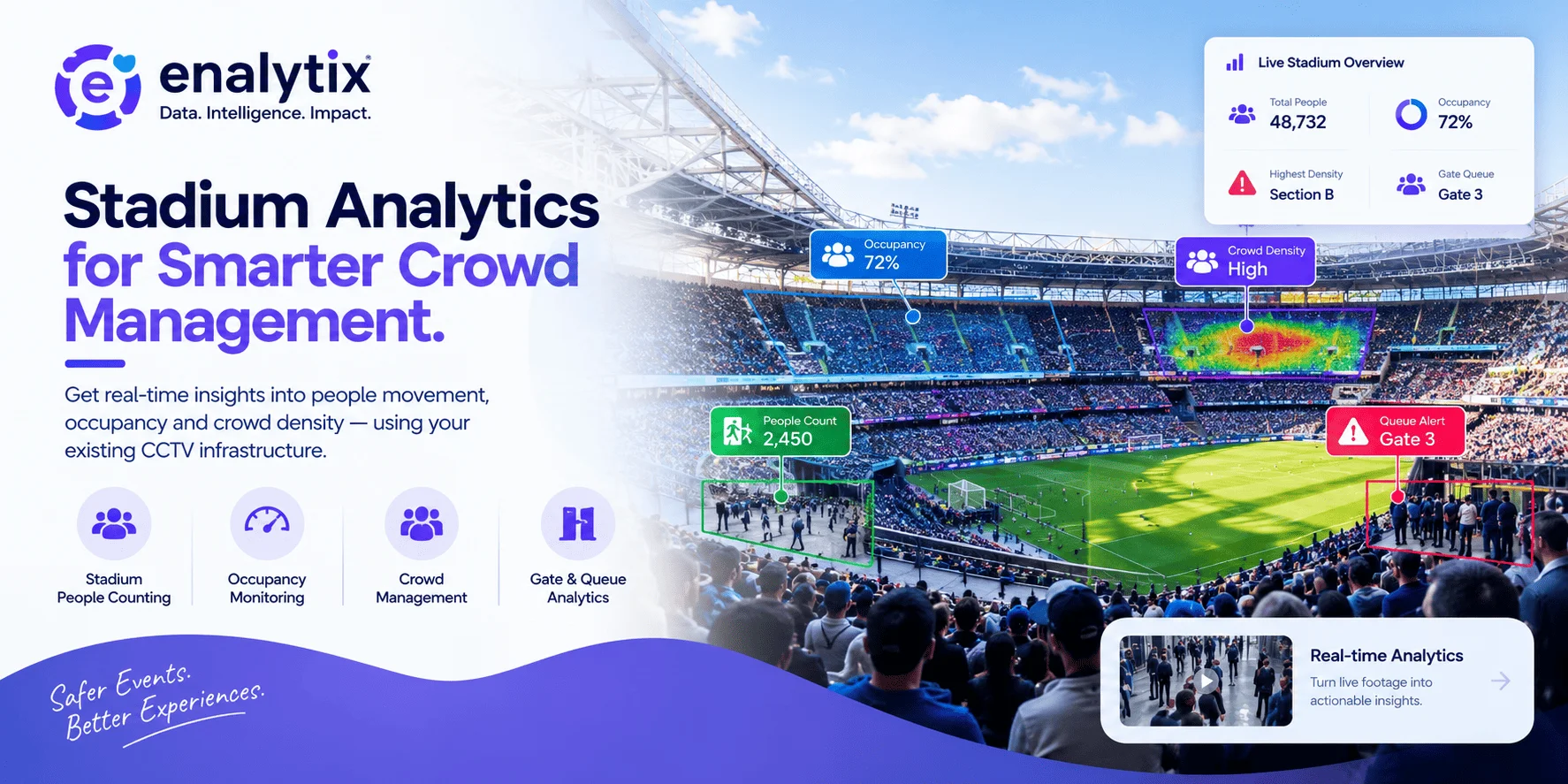
One of the most useful applications is crowd monitoring. During lunch breaks, assemblies, sporting events, school functions and class transitions, corridors, entrances and staircases can become crowded very quickly. A school crowd management system can continuously monitor these areas and generate alerts when crowd density becomes unusually high or when a particular area remains congested for an extended period.
This does not mean that every gathering is dangerous. The purpose of crowd monitoring is to provide campus staff with better situational awareness so they can determine whether any action is necessary. Security personnel can then assess the situation and decide whether additional staff, controlled movement or other measures are required.
Campus access monitoring is another important consideration. Schools typically have areas that are open to students and visitors, while other sections may be restricted to staff, authorised personnel or specific groups. A campus intrusion detection system can monitor predefined zones and alert security teams when potential unauthorised entry is detected.
The same technology can also support restricted-area monitoring. For example, laboratories, server rooms, administrative offices, storage areas or other sensitive locations may not be intended for general access. If someone enters one of these predefined zones without authorisation, the system can generate an alert, giving security personnel an opportunity to investigate the situation.
These capabilities form part of a broader campus safety monitoring system. Instead of treating every camera as an isolated security device, schools can bring different monitoring capabilities together into a more coordinated safety approach. This can help security teams understand what is happening across multiple areas of a campus without having to manually watch every camera feed at all times.
AI security for schools and colleges can also support the monitoring of suspicious or aggressive behaviour, fire and smoke events, unusual activity and unauthorised vehicle movement. Depending on the system and its configuration, alerts can be directed to the appropriate personnel so that potentially important events receive attention sooner.
The important point is that technology should complement the people already responsible for campus safety. Security personnel, teachers and administrators still need to assess situations, understand the context and take appropriate action. Video analytics does not replace human judgement; instead, it helps staff identify relevant events more efficiently.
For schools and colleges managing large campuses, this additional visibility can make CCTV considerably more useful than simply having a recording available after an incident. By combining existing surveillance infrastructure with intelligent video analytics, institutions can improve awareness, support faster responses and build a more proactive approach to campus safety.