Sign up with Google
 Sign in with Zoho

How AI Video Analytics Helps QSR Businesses Reduce Revenue Leakage and Monitor Pilferage
Running a Quick Service Restaurant (QSR) is all about managing multiple activities at once. From taking orders and processing payments to preparing and serving food, employees often work in a fast-paced environment where even a small mistake can go unnoticed.
Sometimes, an item is served but not billed correctly. In other cases, a transaction may be entered incorrectly or employees may unintentionally miss an important step in the standard operating procedure. While these incidents may seem minor, they can gradually contribute to revenue leakage.
For restaurant owners managing multiple outlets, keeping track of every transaction and counter activity is not easy. This is where AI-powered video analytics can make a difference. By connecting surveillance footage with transaction data, businesses can get a clearer picture of what is happening inside their stores.
Why Manual CCTV Monitoring Is No Longer Enough
Most restaurants already have CCTV cameras installed across their outlets. However, recording footage and actually using it to investigate an incident are two different things.
Imagine a manager notices a billing discrepancy in the POS report. To understand what happened, they may need to identify the transaction time, locate the correct camera and manually search through hours of recorded footage.
This can take a considerable amount of time, especially when the restaurant handles hundreds of transactions every day.
The challenge becomes even bigger for businesses operating across multiple locations. Reviewing POS reports and CCTV footage separately makes it harder to connect a particular transaction with the activity that took place at the counter.
A more connected monitoring approach can help simplify this process.
How Video Analytics Helps Identify Potential Pilferage
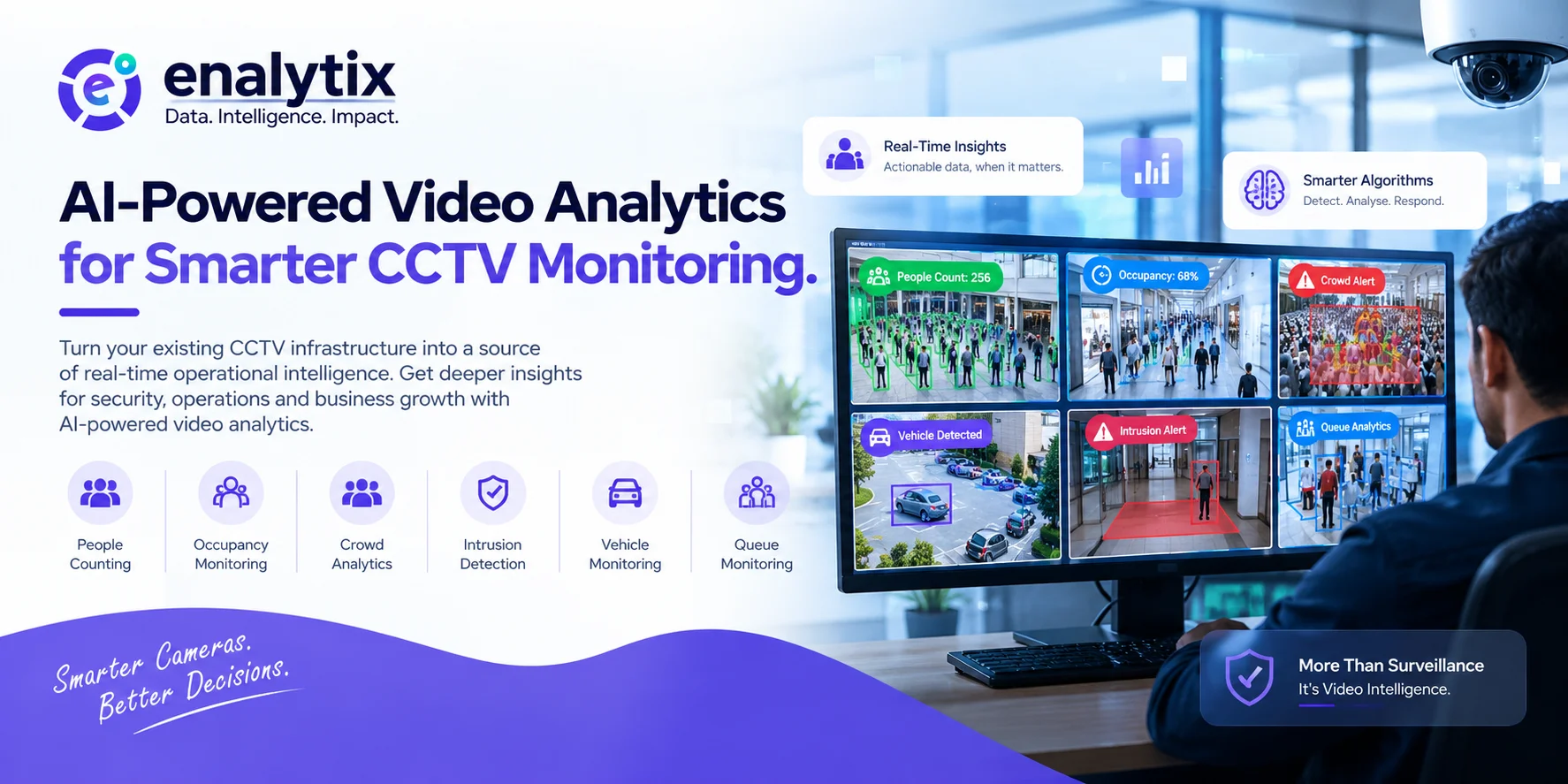
AI-based video analytics adds another layer of visibility to traditional CCTV systems. Instead of simply recording activities, these systems can analyse camera feeds and identify events based on predefined rules and configured parameters.
In a QSR environment, this can help managers monitor activities around billing counters, serving areas and other important operational zones.
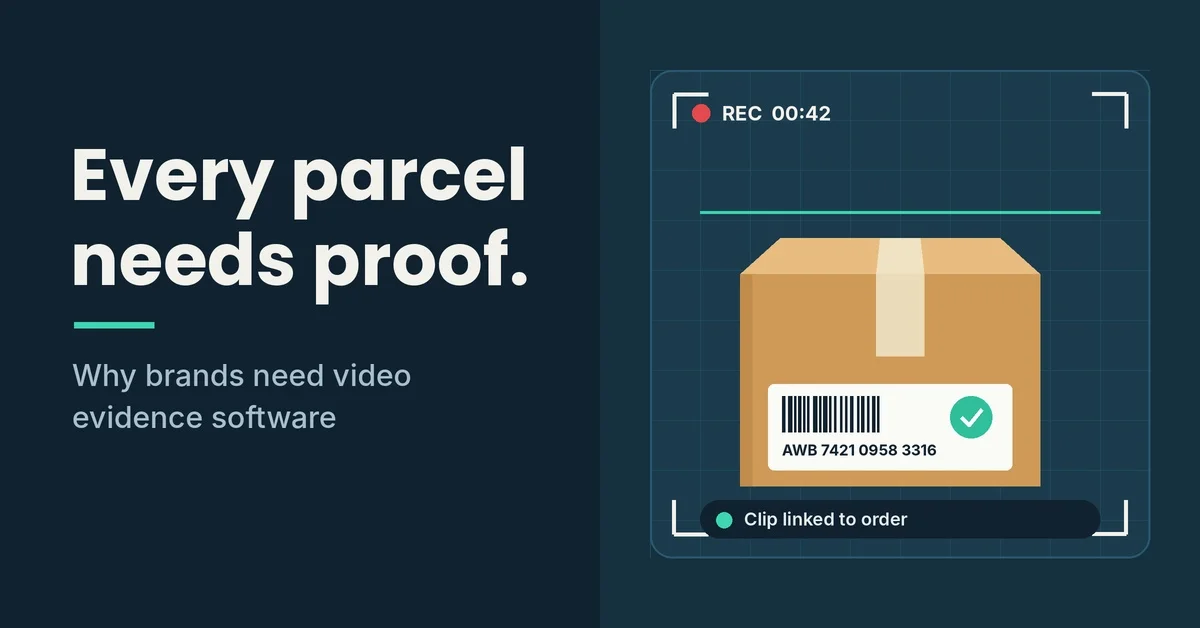
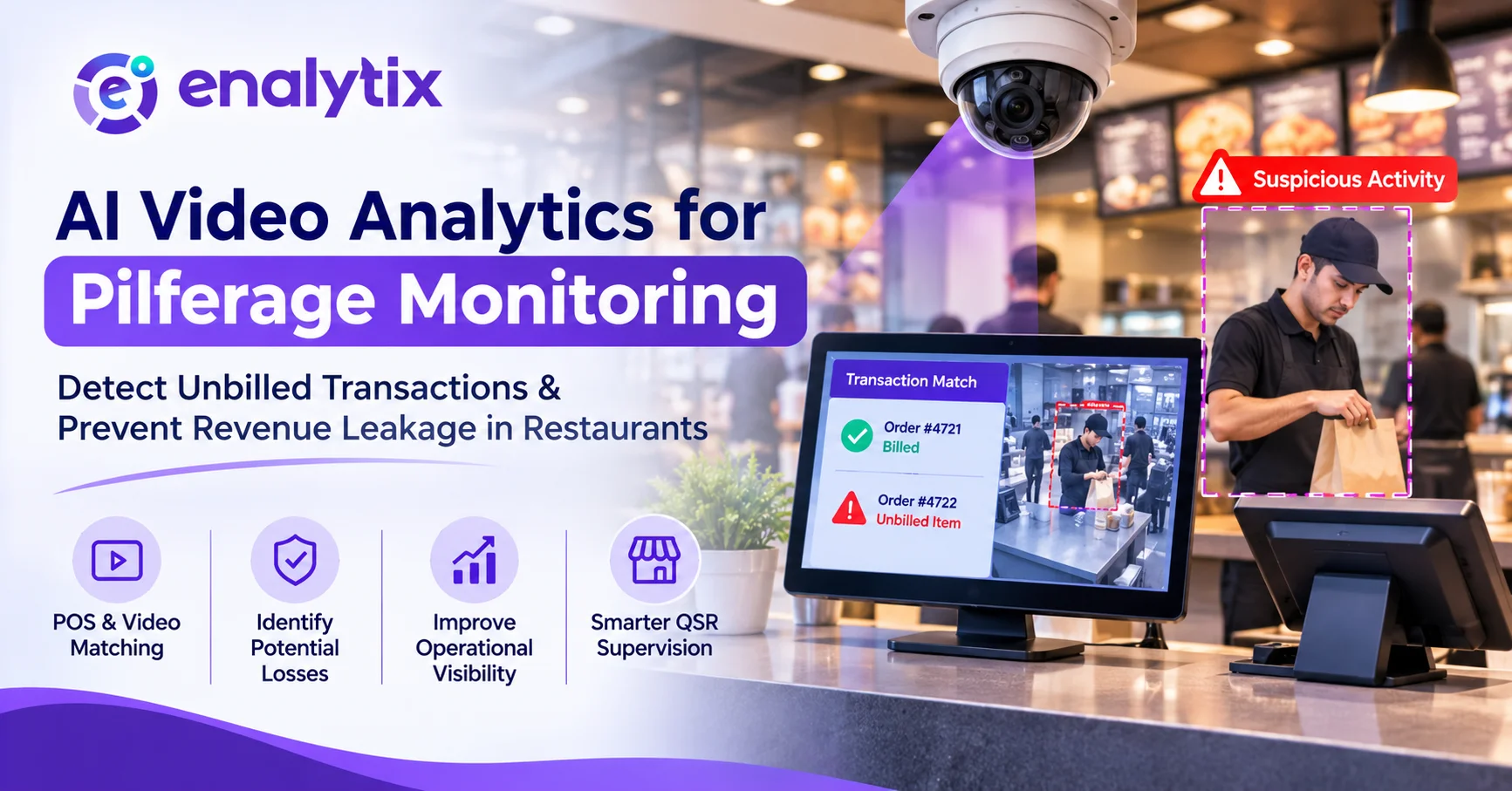
When video analytics is integrated with compatible POS systems, transaction records can be linked with relevant video footage. So, if a transaction needs further attention, authorised managers can review the associated footage rather than spending time searching through hours of recordings.
A dedicated pilferage monitoring solution can bring these two sources of information together, making it easier to investigate possible discrepancies.
It is important to remember that an alert does not automatically indicate pilferage. It simply highlights an activity that may require a closer look.
Key Features QSR Businesses Should Look For
Not every video analytics solution offers the same capabilities. Before choosing a system, restaurant operators should consider how well it fits their daily operations.
Here are some features worth evaluating:
1. POS and Video Integration
One of the most useful capabilities is the ability to connect POS transactions with corresponding video footage. This gives managers additional context when reviewing billing discrepancies and unusual transactions.
2. Monitoring of Billing and Serving Counters
The billing and serving areas are important parts of restaurant operations. Proper camera coverage, combined with suitable analytics, can help managers review activities taking place at these counters.
3. Alerts for Potential Exceptions
Configured analytics rules can flag selected transactions or activities that appear unusual. Rather than checking every transaction manually, managers can focus their attention on events that may need investigation.
4. Centralised Monitoring Dashboard
For restaurant chains with multiple outlets, a centralised dashboard can make monitoring more manageable. Depending on the solution, managers may be able to access relevant information across different locations from a common platform.
5. Easy Access to Relevant Video Evidence
Finding the right footage should not become another time-consuming task. A system that connects transaction details with relevant video records can help speed up incident reviews and support better decision-making.
Beyond Pilferage: Improving Everyday Restaurant Operations
The benefits of video analytics are not limited to monitoring potential revenue losses.
When managers regularly review counter activities, they may also identify operational issues that would otherwise go unnoticed. For example, certain employees may need additional training, billing procedures may need improvement, or coordination between the kitchen and serving counter may require attention.
These observations can help restaurant businesses improve their processes and maintain more consistent service standards.
At the same time, responsible monitoring is essential. AI-generated alerts should always be verified by authorised personnel before any action is taken. Restaurants should also have clear policies covering employee privacy, access to surveillance footage, data retention and incident investigation.
Before implementing a solution, businesses should evaluate camera compatibility, POS integration requirements, the number of outlets to be monitored and the system's ability to scale as operations grow.
Final Thoughts
Revenue leakage can be difficult to identify when transaction records and actual store activities are reviewed separately. For QSR businesses handling a large number of daily orders, manually searching through CCTV footage is simply not an efficient way to investigate every discrepancy.
AI-powered video analytics offers a more connected approach. By linking POS data with relevant video footage, it helps managers identify potential exceptions, understand what happened and make more informed decisions.
Enalytix offers a solution designed to bring transaction-linked video monitoring into restaurant operations. With better access to relevant transaction information and visual evidence, QSR businesses can make incident reviews more organised and gain greater visibility into their day-to-day activities.
Ultimately, the goal is not just to detect possible pilferage. It is to help restaurant businesses build more transparent processes, improve operational discipline and manage their outlets with greater confidence.