Sign up with Google
 Sign in with Zoho

For years, CCTV systems have played an important role in security. Cameras are installed across offices, retail stores, warehouses, public venues and industrial facilities to create a visual record of what happens on-site.
But recording an event and understanding an event are two different things.
A large organization may have hundreds of cameras running every day. Expecting employees to constantly watch every screen is neither practical nor efficient. Reviewing hours of footage after an incident can also take considerable time.
This is where AI-powered video analytics is becoming useful.
Turning Camera Footage Into Information
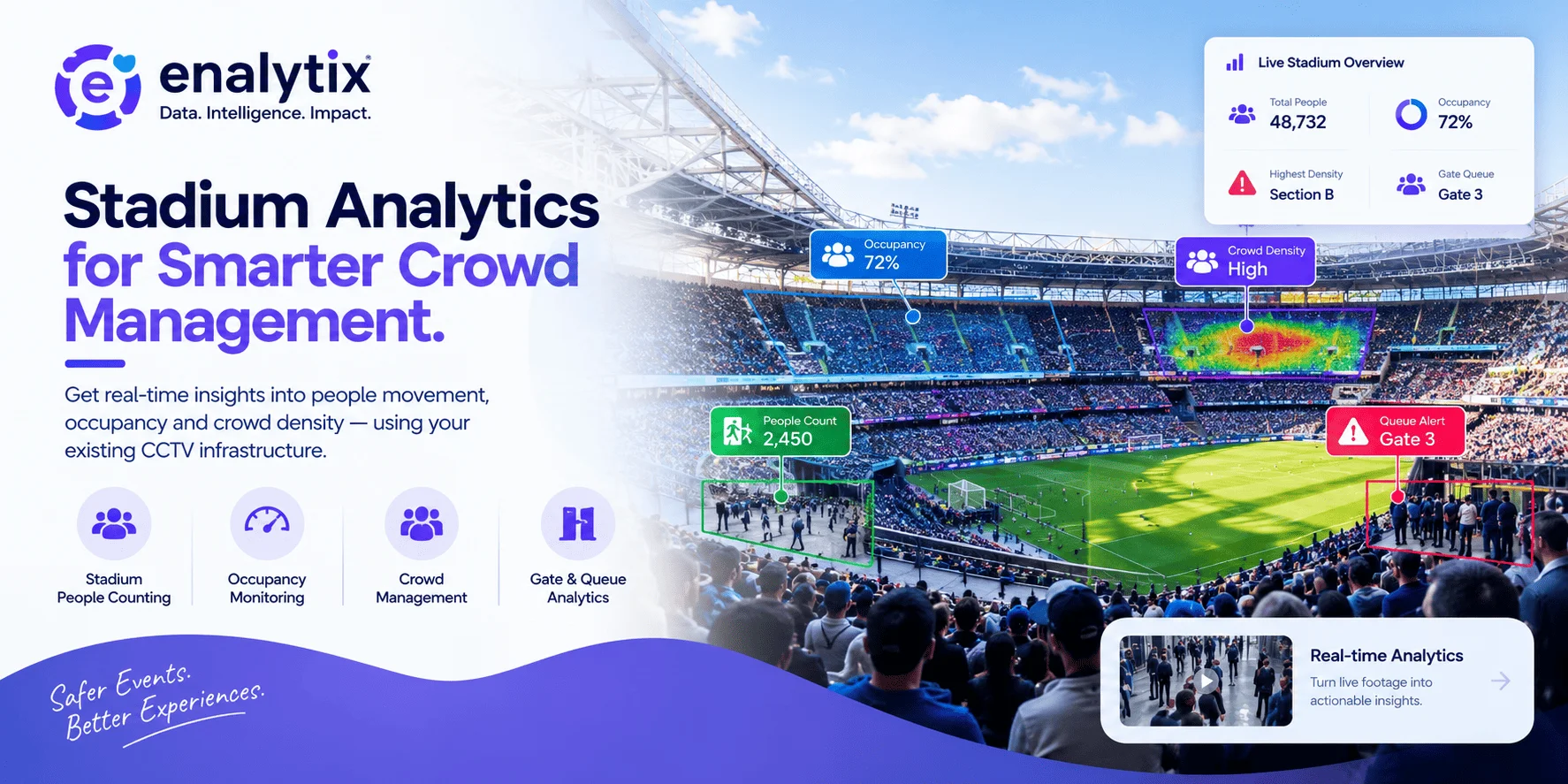
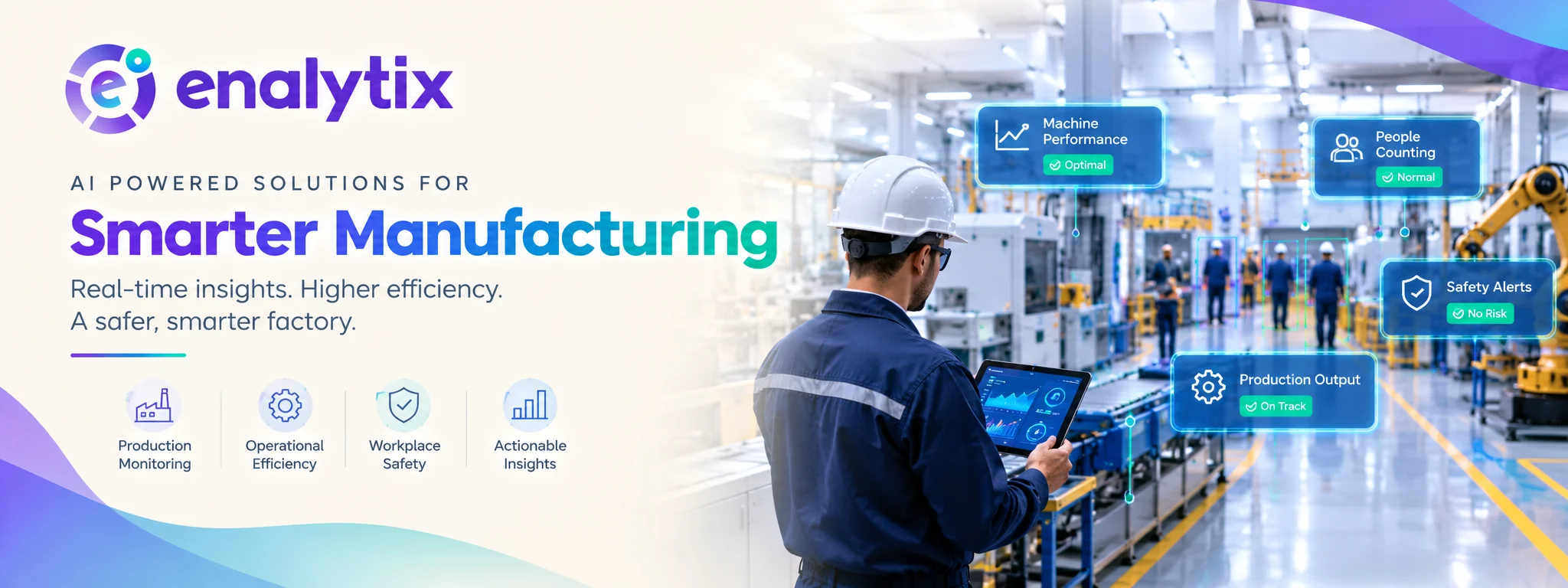
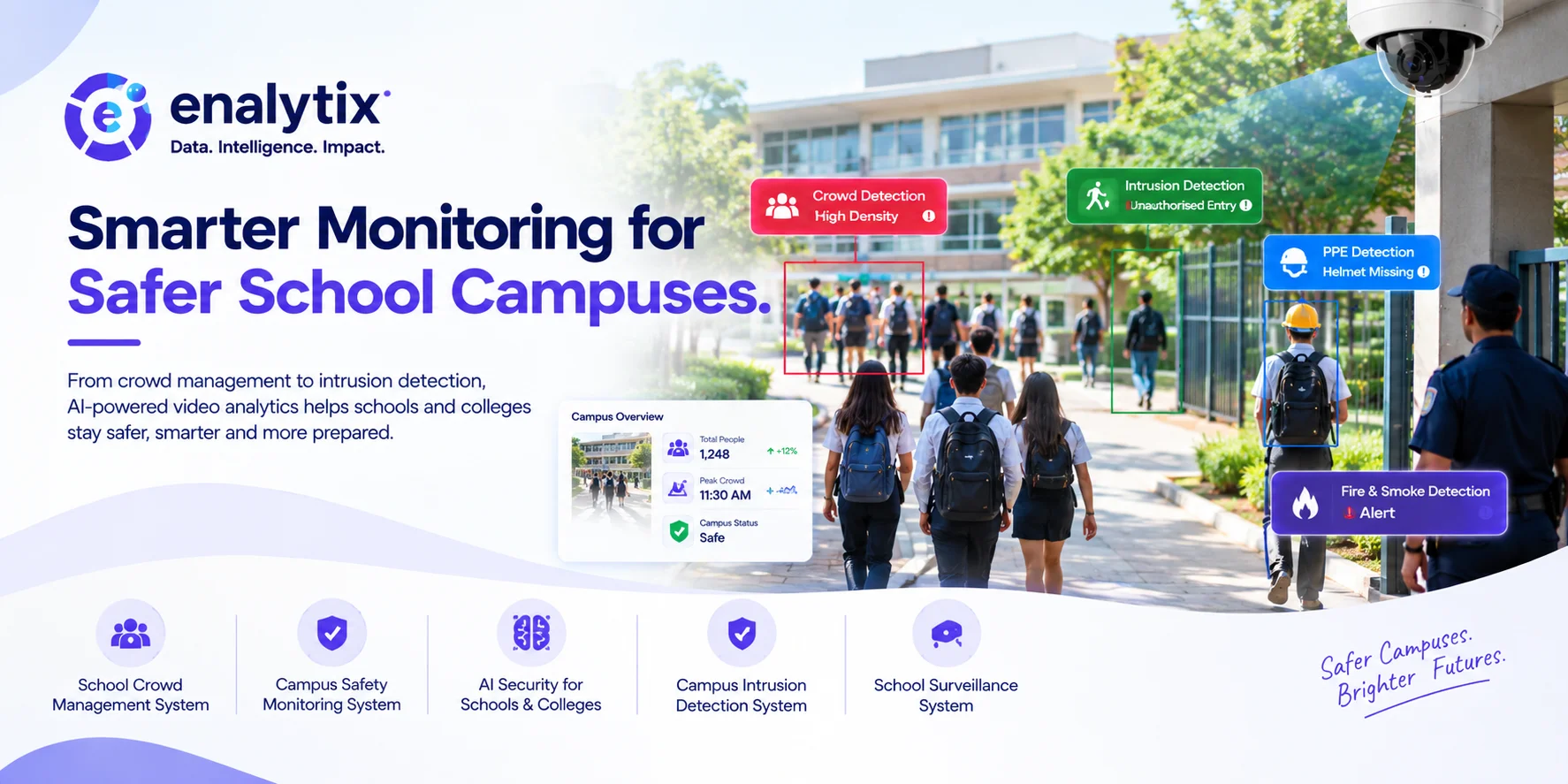
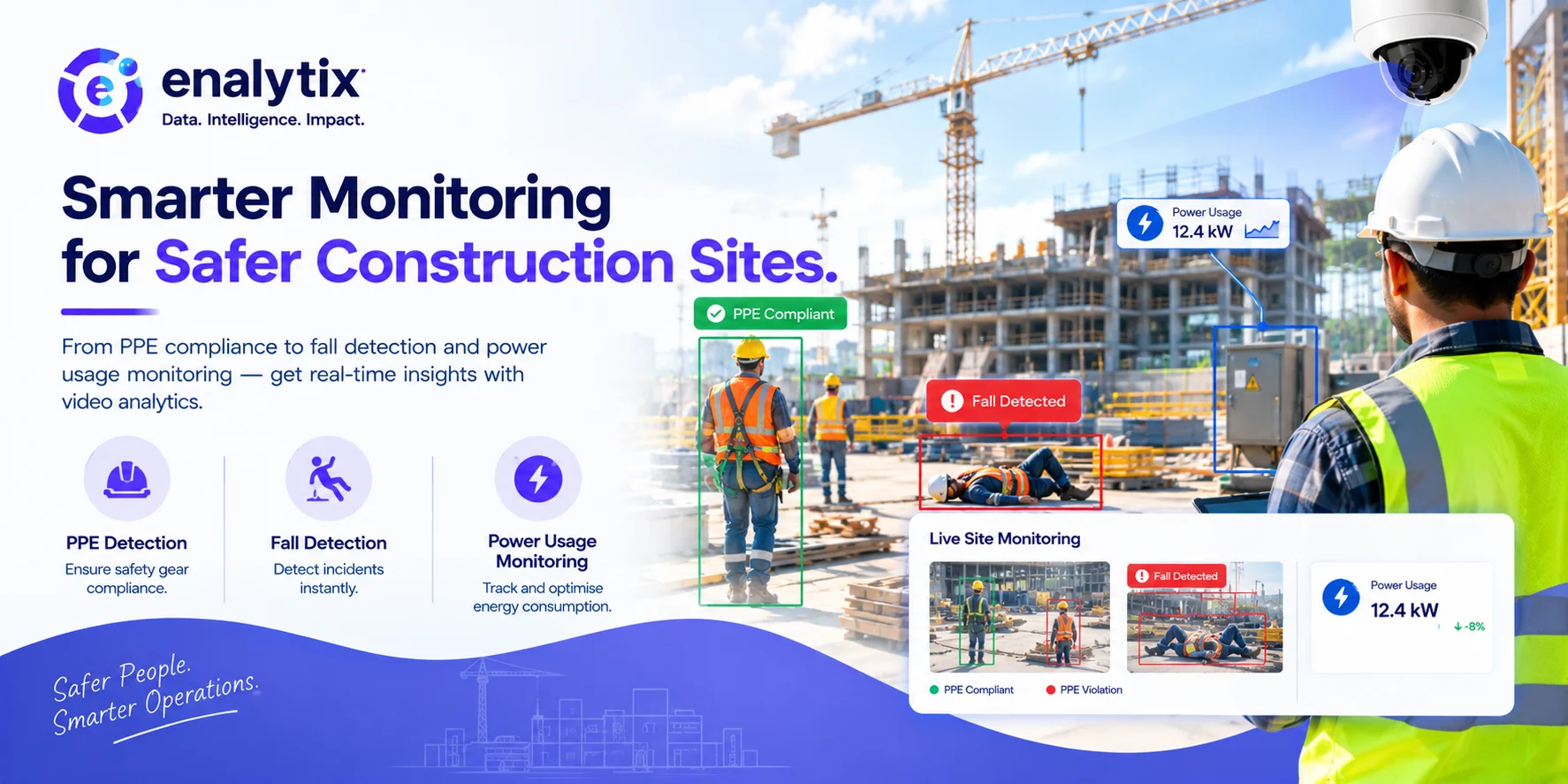
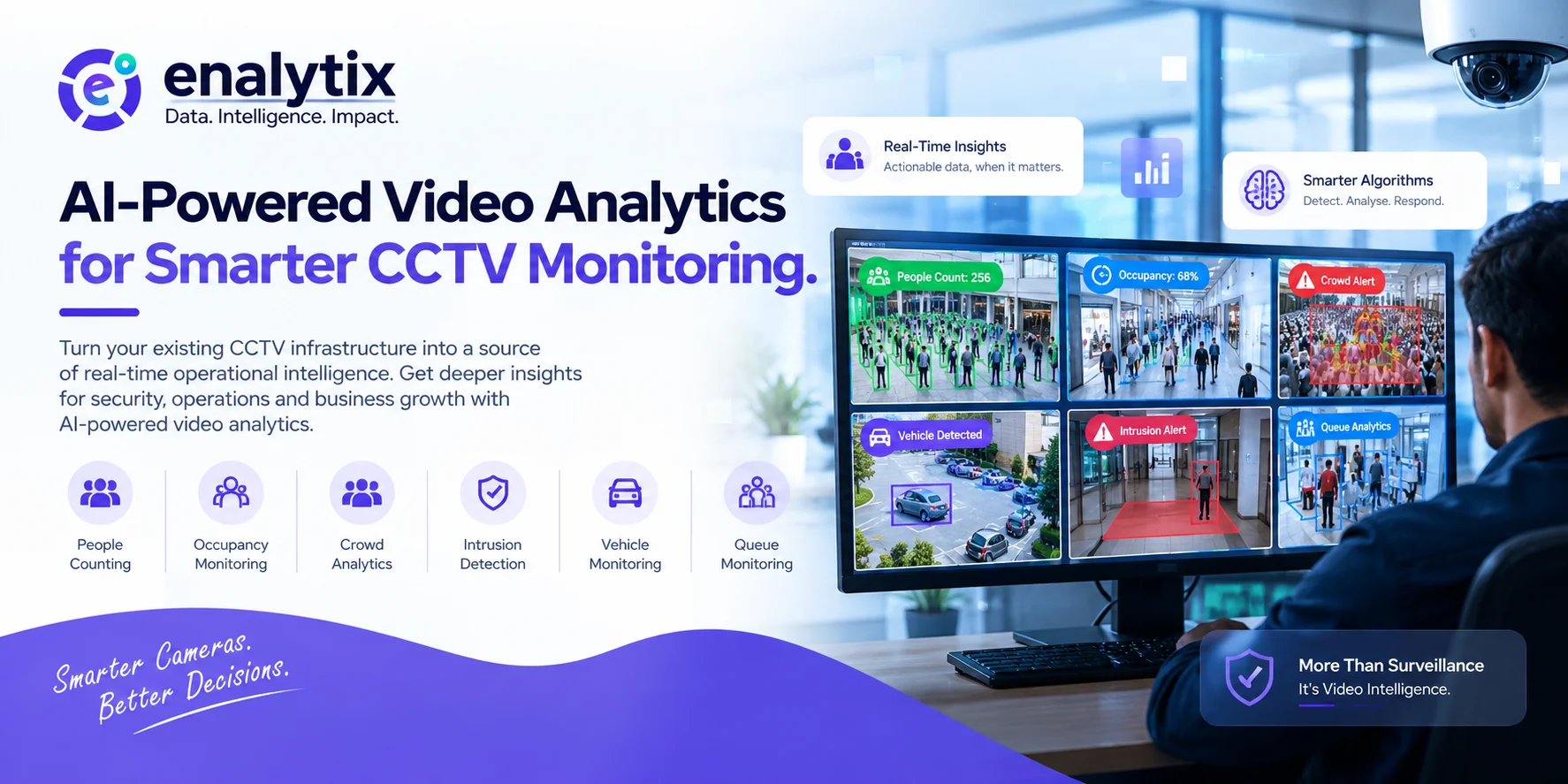
AI-based systems can analyse video feeds and identify specific objects, movements, patterns or events. Depending on the application, this may include people counting, occupancy monitoring, crowd detection, vehicle movement, intrusion detection, queue monitoring and safety-related events.
The important distinction is that the system isn't simply storing video. It is extracting information from the video.
This makes video analytics software relevant beyond conventional security departments.
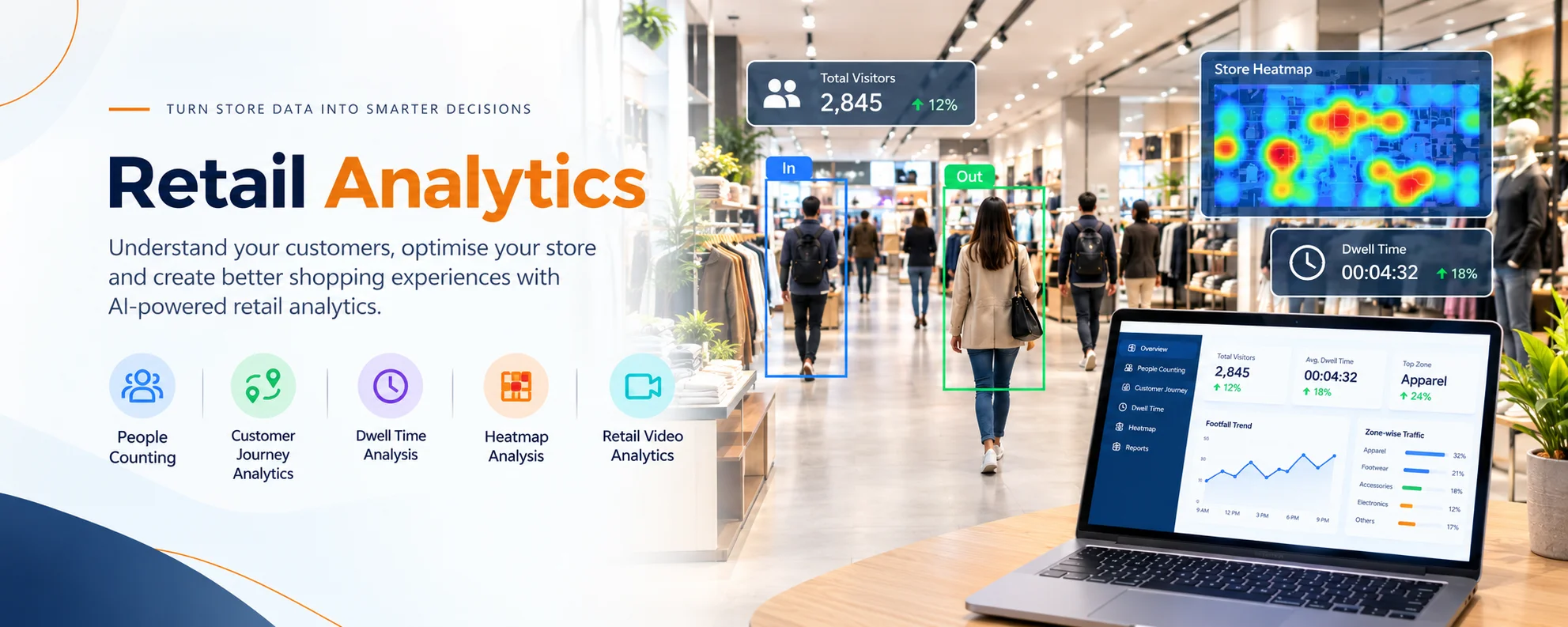
Retail teams, for example, can use camera data to understand footfall and customer movement. Facility managers can monitor occupancy and space utilization. Security teams can receive alerts when activity occurs in restricted areas.
Why Existing CCTV Infrastructure Matters
One of the practical challenges with adopting new technology is infrastructure cost.
Businesses that already have extensive CCTV networks may not want to replace their cameras simply to introduce analytics.
Modern camera analytics platforms can provide an intelligence layer around existing video infrastructure, depending on the camera and deployment environment.
This creates a more practical path toward modernization.
Instead of starting from zero, businesses can build additional intelligence around the systems they already operate.
From Surveillance to Intelligence
The biggest change is conceptual.
Traditional surveillance asks teams to look at footage.
Smart video analytics can help answer questions from that footage.
How many people entered an area? Is a particular zone becoming crowded? Is someone entering a restricted area? How busy is a facility? Are unusual movements occurring?
These questions turn video into operational data.
A More Useful Role for AI
The purpose of video analytics AI isn't to eliminate human oversight. In many environments, human teams remain responsible for interpreting alerts and deciding what action is appropriate.
The value comes from helping those teams focus their attention where it matters.
That is why the broader idea of a video intelligence solution is gaining relevance. Instead of treating cameras as passive recording devices, organizations can use their existing visual infrastructure to generate timely information for security, safety and operations.
As camera networks continue to expand, the next step may not be simply adding more cameras. It may be learning how to get more intelligence from the cameras already installed.