Sign up with Google
 Sign in with Zoho
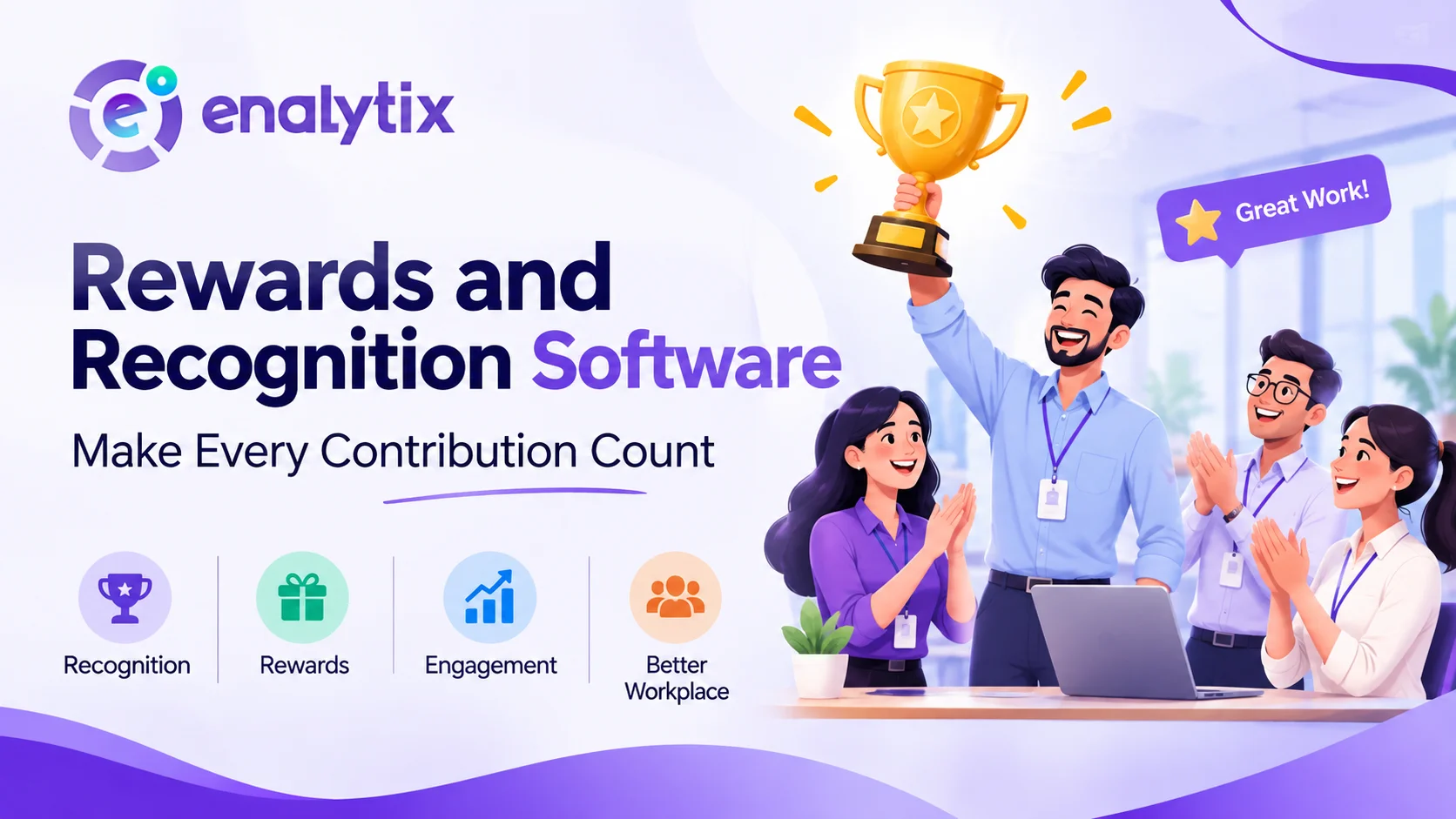
Many organisations celebrate employee achievements through annual award ceremonies, performance reviews, and special appreciation events. These activities are valuable, but they represent only a small part of what employees contribute throughout the year.
Everyday efforts often have an equally important role in keeping an organisation productive. An employee who supports a colleague, resolves a customer concern, shares useful knowledge, or consistently follows company values contributes to the workplace in meaningful ways.
The challenge is making sure these contributions do not go unnoticed.
A consistent recognition strategy can help organisations create a workplace where appreciation becomes part of everyday operations.
Why Annual Recognition Is Not Enough
Annual awards provide an opportunity to celebrate significant achievements. However, waiting until the end of the year to acknowledge contributions can make recognition feel disconnected from everyday work.
Employees may complete important tasks, demonstrate teamwork, and solve problems regularly without receiving timely appreciation.
A more effective approach combines formal awards with smaller, ongoing recognition activities.
This helps organisations acknowledge different types of contributions instead of focusing exclusively on major milestones.
Moving Towards a Structured Recognition Programme
As organisations grow, managing appreciation informally becomes increasingly difficult.
Different managers may follow different practices, nominations can be delayed, and HR teams may struggle to coordinate reward distribution.
Employee rewards and recognition software can help bring these activities into one structured system.
A digital platform allows organisations to establish recognition rules, manage award categories, and make participation more accessible.
The Features That Make Recognition More Effective
Mobile Accessibility
Employees should not have to depend on desktop systems to participate in workplace recognition.
Mobile-first platforms allow managers to recognise contributions and employees to access their recognition conveniently.
Gamified Recognition
Reward points, leaderboards, and nominations can make appreciation more engaging. They also help highlight achievements and encourage employees to participate.
However, organisations should use gamification carefully so that it promotes positive participation rather than unnecessary competition.
Recognition Campaigns
Every organisation has different priorities. Some may want to encourage collaboration, while others may focus on innovation, customer service, or operational performance.
Configurable recognition campaigns help businesses establish award reasons and programme rules that match their objectives and budgets.
Meaningful Redemption Options
Recognition becomes more tangible when employees can redeem earned points for gifts and vouchers.
Flexible reward options can make the programme more appealing and give employees an opportunity to choose something meaningful.
Data-Driven Programme Insights
HR leaders need to understand how recognition programmes are being used.
Insights into platform usage, reward redemption, and frequently recognised behaviours can help organisations review participation and make informed improvements.
How Organisations Can Build a Better Recognition Culture
Implementing technology should begin with a clear understanding of organisational values.
Businesses should identify which behaviours deserve appreciation and communicate those expectations to employees and managers.
Recognition opportunities should be available across departments and job levels. Employees who contribute behind the scenes should not be overlooked simply because their work is less visible.
Managers should also receive guidance on providing specific appreciation. Instead of simply saying thank you, they should explain what the employee did and why that contribution matters.
Finally, HR teams should regularly evaluate participation and identify areas where recognition may be inconsistent.
Choosing the Right Technology
Selecting an employee recognition platform requires considering more than the number of available features.
Organisations should evaluate mobile accessibility, ease of adoption, configurable recognition rules, nomination options, reward redemption, and reporting capabilities.
The platform should fit the organisation's workforce and make participation simple.
It should also support the organisation's recognition strategy without creating unnecessary administrative work.
Conclusion
An effective recognition culture is built through consistent appreciation, clear expectations, and meaningful opportunities to celebrate contributions.
Enalytix offers a mobile-first rewards and recognition solution that combines reward stars, leaderboards, AI-based nominations, configurable campaigns, redemption options, and real-time insights to help organisations make employee appreciation a more accessible part of everyday work.