Sign up with Google
 Sign in with Zoho

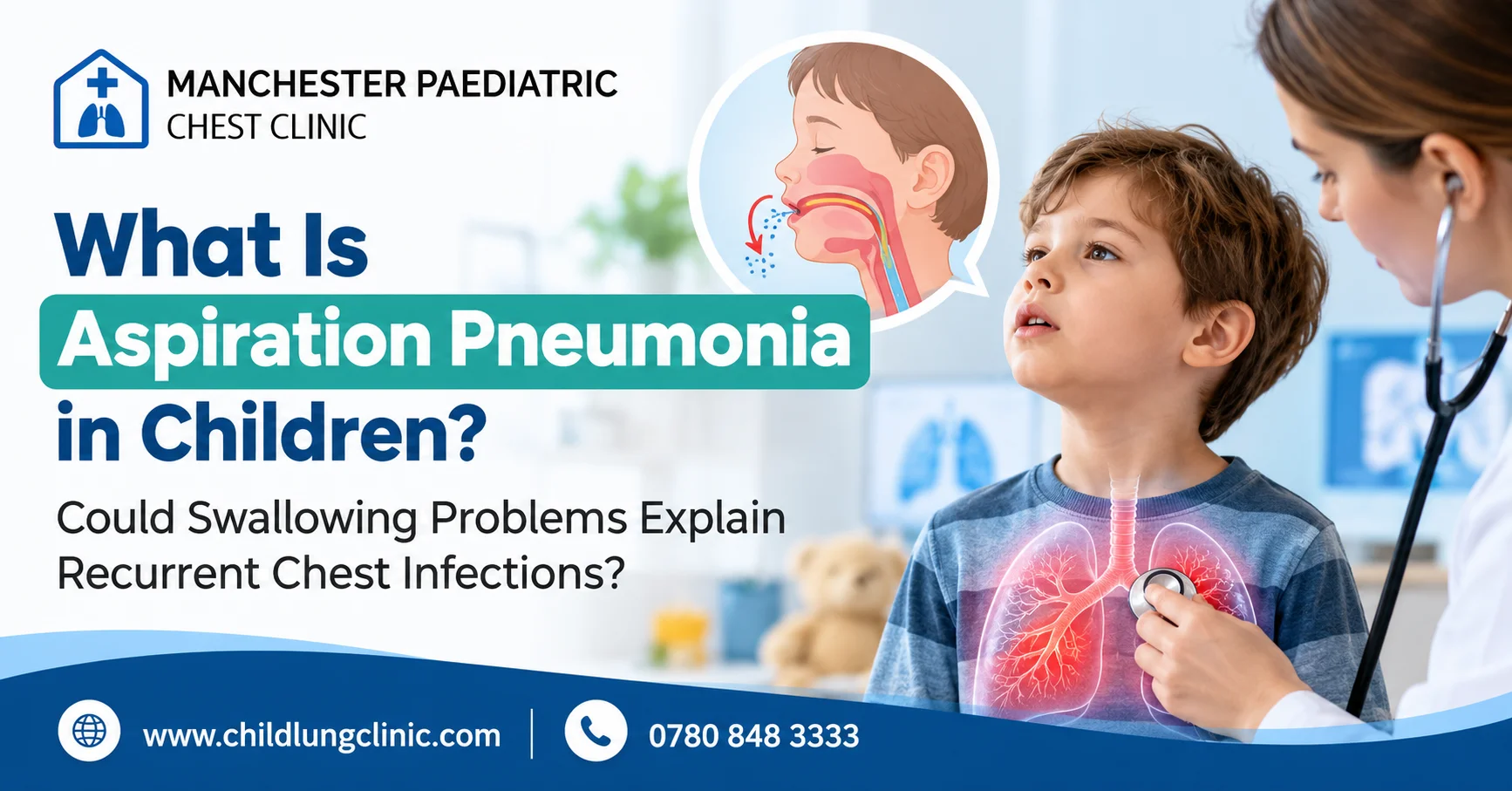
A child who keeps developing pneumonia or chest infections can leave parents wondering whether there is more going on than another passing infection. If coughing, wheezing or breathing difficulties repeatedly return, could the problem actually begin during meals?
Sometimes, the answer involves aspiration. This occurs when food, drink, saliva or stomach contents enter the airway rather than travelling safely into the oesophagus. In some children, repeated aspiration can contribute to respiratory symptoms and recurrent pneumonia. Research has identified aspiration among the important underlying causes doctors consider when investigating recurrent pneumonia in children. In such a case, you should visit an asthma clinic
That does not mean every child with pneumonia and chest infections has a swallowing problem. Asthma, immune conditions, airway abnormalities and other health problems can also cause recurrent respiratory illness. The important question is whether there are clues suggesting that swallowing may be part of the picture.
Could Your Child’s Swallowing Be Behind Those Repeated Chest Infections?
Swallowing is much more complicated than it looks. The mouth, throat, oesophagus and airway have to work together at the right moment so that food and liquid reach the stomach without entering the lungs.
When this process is disrupted, material can pass into the airway. This is known as aspiration. If aspiration happens repeatedly, it may contribute to ongoing respiratory symptoms or pneumonia.
Swallowing dysfunction has been associated with recurrent pneumonia in children, particularly where aspiration or other abnormalities are identified during swallowing assessment.
For parents, one useful clue is timing. If coughing, breathing changes, or other symptoms seem to occur during or shortly after eating or drinking, it is worth mentioning this pattern to a healthcare professional.
When Eating or Drinking Becomes a Breathing Problem
Parents may notice swallowing-related clues before they realise that these could be connected to respiratory health.
Coughing or choking while eating, a wet or gurgly voice after drinking, difficulty managing certain foods, breathing changes during meals or repeated chest infections can all warrant discussion with a healthcare professional. The NHS specifically identifies coughing or choking with food and drinks, wet-sounding speech, breathlessness after eating and frequent chest infections among signs that should be medically assessed.
However, these symptoms are not diagnostic on their own. A child might cough while eating for many reasons, and recurrent infections can have several different causes.
The pattern matters more than one isolated symptom.
Can a Child Aspirate Without Coughing or Choking?
Yes. This is one of the reasons aspiration can be challenging to identify.
With silent aspiration, material can enter the airway without producing an obvious cough or choking episode. Parents may therefore see no dramatic warning sign during meals, even though swallowing safety could still be a concern.
This means the absence of coughing does not completely exclude aspiration. In a child experiencing unexplained or recurrent pneumonia, clinicians may consider swallowing function as part of a wider assessment, particularly when there are other feeding or respiratory clues.
Could It Be Asthma Instead or Something Else?
Not every recurring cough, wheeze or chest infection is caused by aspiration.
Asthma is another common consideration when children experience recurrent respiratory symptoms. This is particularly relevant when episodes involve wheezing, breathlessness or persistent cough rather than a clear relationship with eating and drinking.
For that reason, parents searching for asthma clinics may also benefit from a broader paediatric respiratory assessment if the diagnosis remains uncertain or symptoms continue despite treatment.
A specialist assessment can help bring together the child's history, symptoms, previous infections and investigations rather than treating each episode as an isolated problem.
When Should You Ask for a Specialist Assessment?
If your child has repeated pneumonia and chest infections, particularly alongside coughing, choking or breathing changes during meals, it is reasonable to discuss the pattern with your GP or paediatric specialist.
The NHS advises seeking medical advice when a child has difficulty swallowing, coughs or chokes while eating or drinking, becomes short of breath after eating or drinking, or gets frequent chest infections.
If you are searching for a cough specialist near you or an asthma clinic, look for a clinician experienced in children's respiratory problems who can assess the broader picture.
For families in Manchester, a paediatric respiratory consultation can be a useful next step when recurrent cough, wheezing, pneumonia or chest infections have not been fully explained.
Specialist Paediatric Respiratory Care in Manchester
At Manchester Child Lung Clinic, children can be assessed for a wide range of respiratory concerns, including persistent cough, wheezing, asthma, pneumonia and recurrent chest infections. The clinic provides specialist paediatric respiratory expertise for families looking for a clearer understanding of ongoing or unexplained breathing problems.
If your child's chest infections keep returning, or you have noticed coughing, choking or breathing changes around meals, don't ignore the pattern. Contact Manchester Child Lung Clinic to arrange a paediatric respiratory consultation and discuss whether further assessment may be appropriate for your child.
FAQ
Can a child have aspiration without showing symptoms?
Yes. Silent aspiration may occur without obvious coughing or choking, which can make it difficult to recognise.
Can swallowing problems cause a chronic cough?
They can. Aspiration associated with swallowing dysfunction may contribute to chronic cough and other respiratory symptoms.
Can aspiration cause repeated pneumonia in children?
Yes. Repeated aspiration can contribute to recurrent pneumonia in some children, although it is not the only possible cause.