Sign up with Google
 Sign in with Zoho

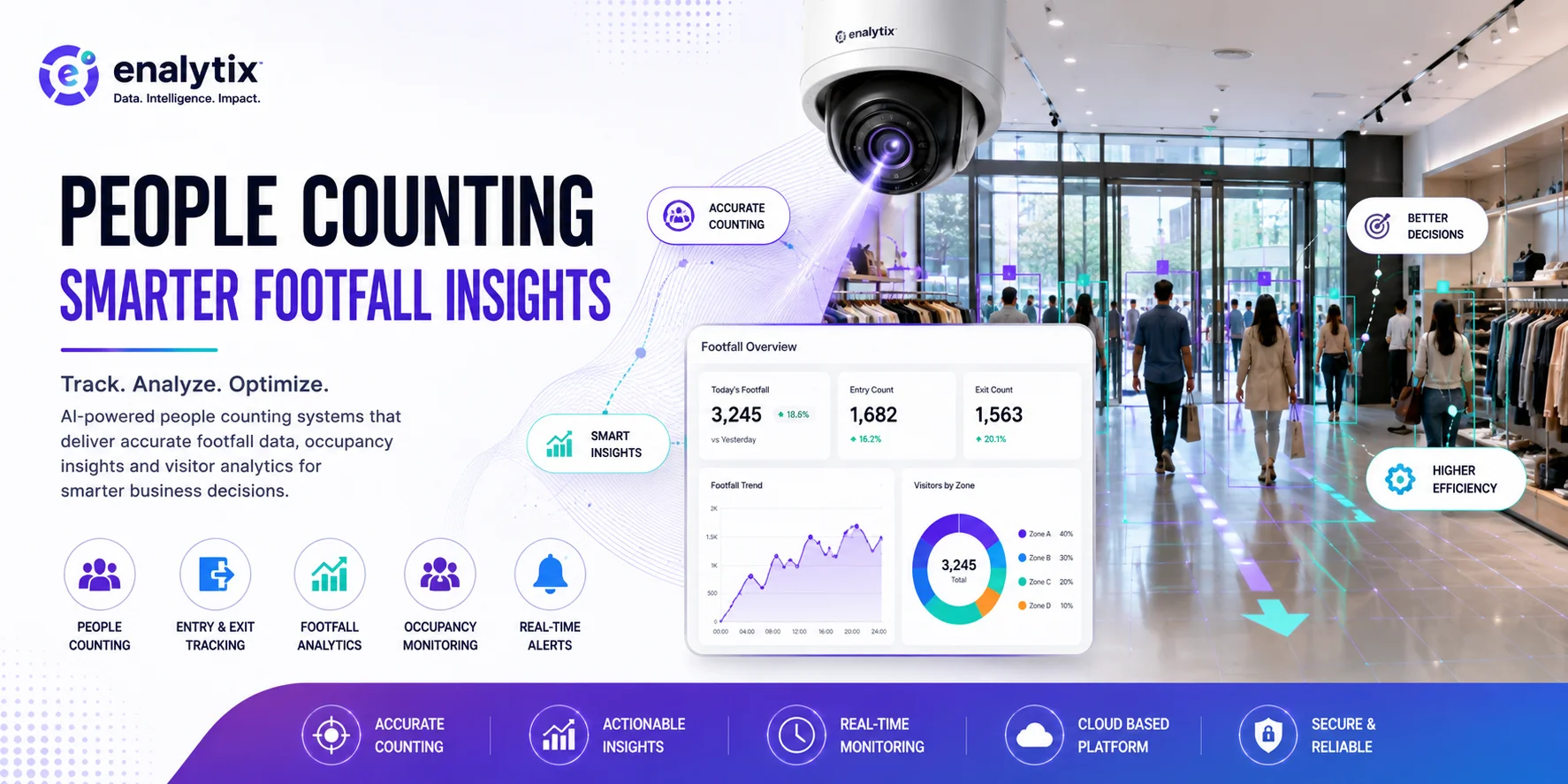
Businesses operating physical locations often need to answer a simple question: How many people are actually using this space?
For a retail store, the answer can help managers understand footfall. For a stadium, it can support visitor management. For an office, it can provide insights into workspace utilization. For a public venue, it can contribute to better occupancy planning.
Traditionally, businesses have relied on manual counting or basic entry systems to estimate visitor numbers. These approaches can become difficult when there are multiple entrances, high visitor volumes, or constantly changing traffic patterns.
Modern people counting systems provide a more automated approach.
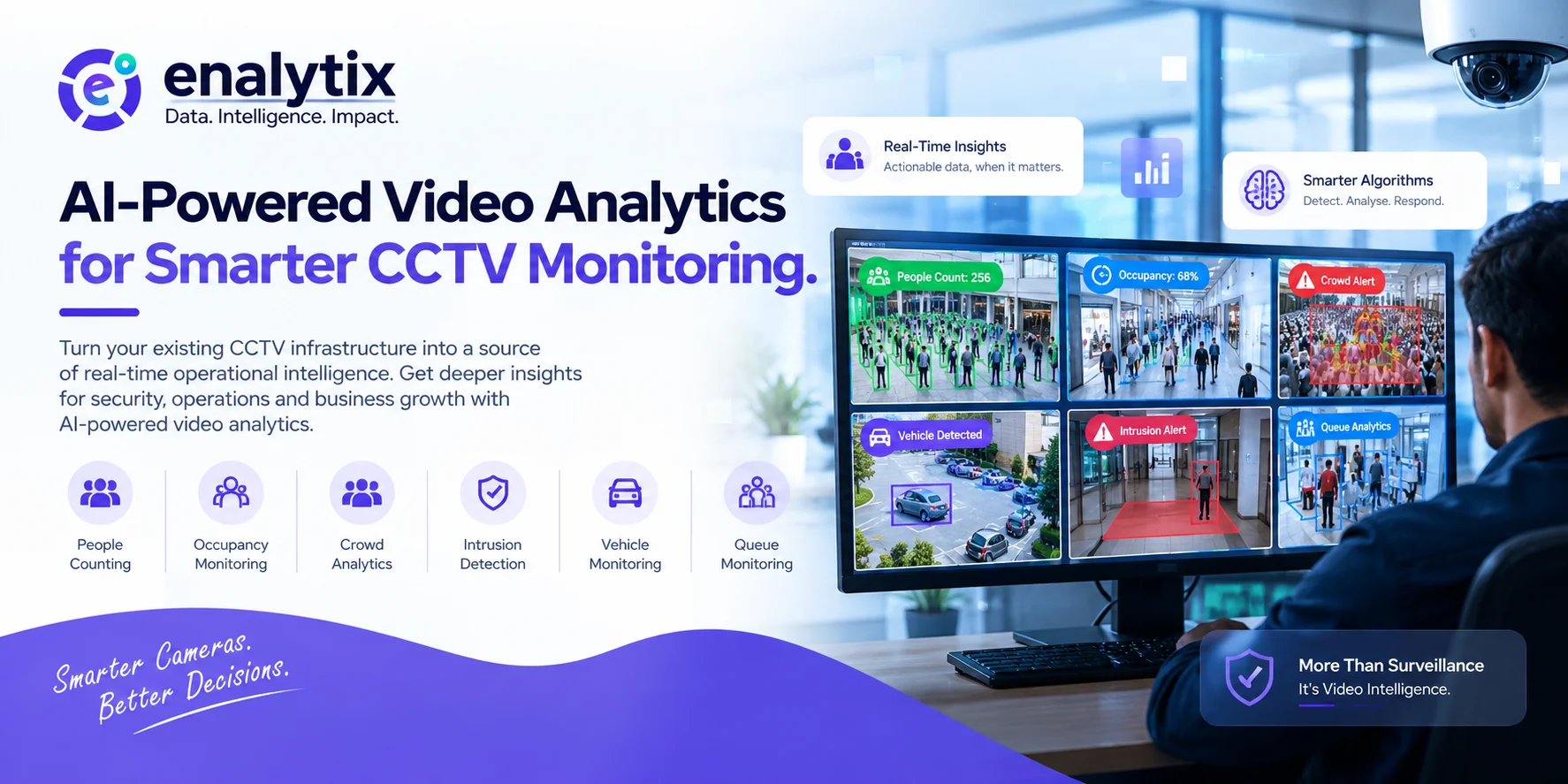
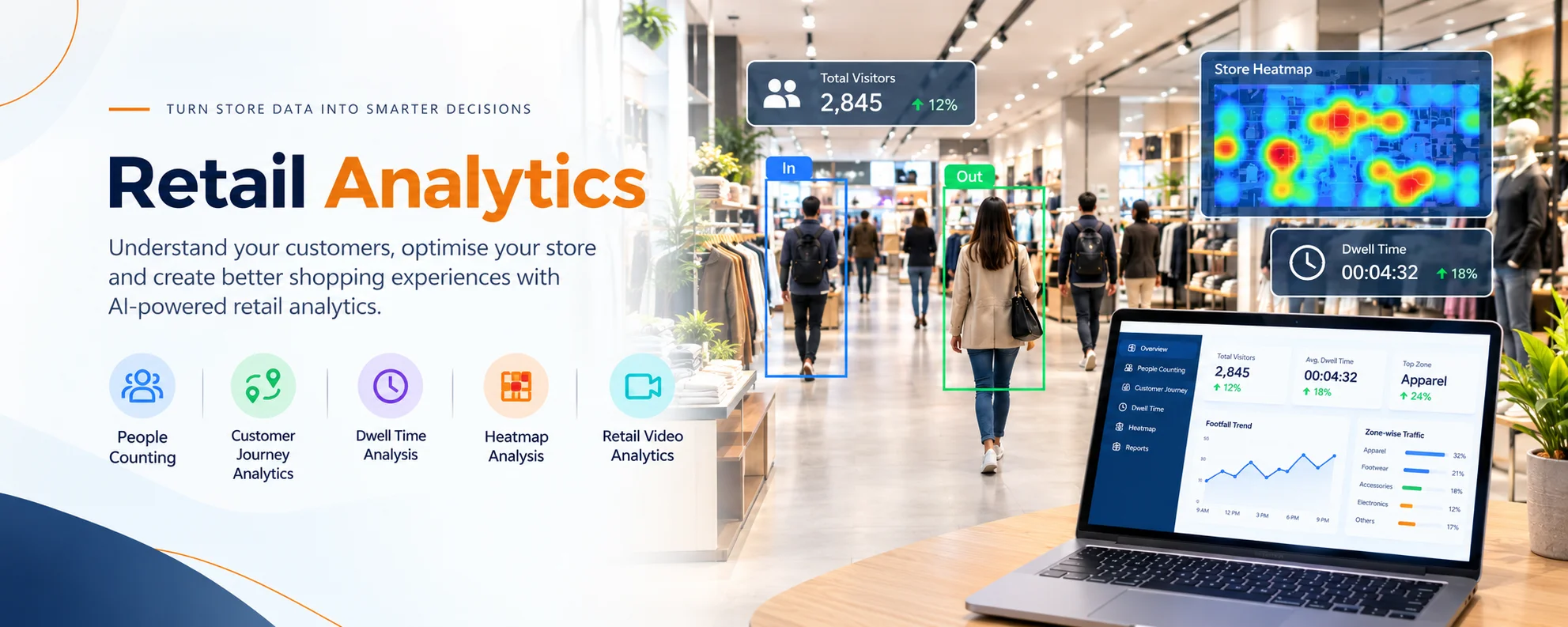
A people counter uses cameras and computer vision technology to identify people and calculate movement through a defined area. Depending on the system, it can track entries, exits, occupancy, and visitor flow.
One common application is retail footfall measurement. A footfall counter can help store managers understand how many visitors arrive during different periods of the day. This information can then be compared with sales, staffing levels, promotions, and other business metrics.
Modern people counting cameras can also provide insights beyond basic counting. For example, organizations may be able to understand movement direction, occupancy levels, or traffic patterns across different zones.
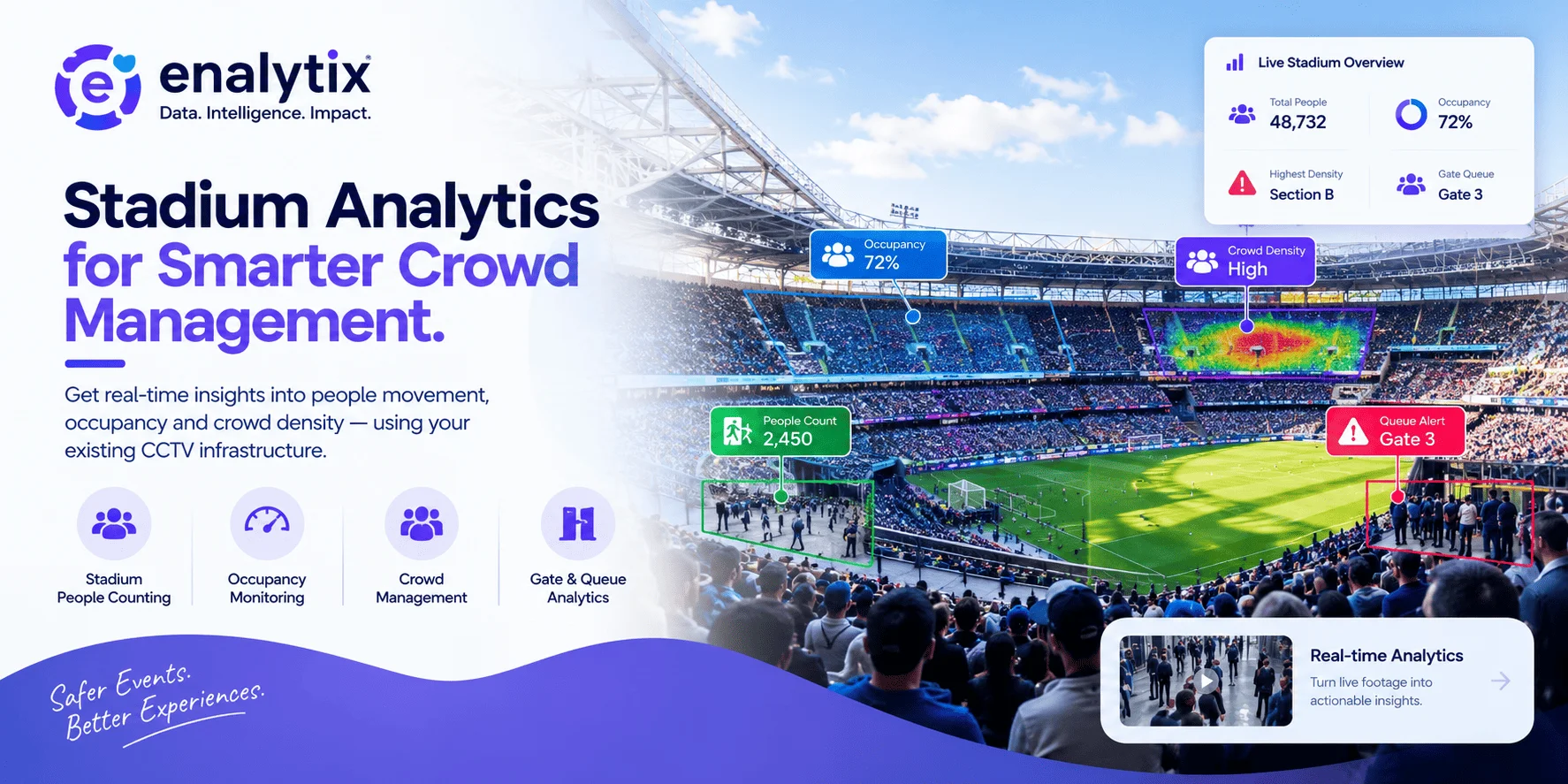
This information can be useful for shopping malls, airports, offices, stadiums, exhibitions, educational campuses, and public venues.
Another advantage comes from centralized footfall counter software. Instead of manually collecting numbers from different locations, organizations can bring information together through dashboards and reports. Multi-location businesses can compare visitor traffic and identify patterns across their facilities.
People counting can also contribute to better space utilization. An office, for example, may discover that certain areas are consistently underused while others experience higher occupancy. This information can support future decisions around workspace planning.
Retailers can similarly use visitor data to understand whether changes in store layout or promotions affect footfall.
Organizations exploring automated visitor analytics can consider platforms such as Enalytix, which uses AI-powered video analytics for applications including people counting, occupancy monitoring, footfall analysis, and visitor intelligence.
The important point is that people counting is not simply about producing a visitor number. When collected consistently, footfall data can become part of a broader business intelligence strategy.
It can help organizations understand physical spaces, identify traffic patterns, improve resource allocation, and make operational decisions using measurable information instead of assumptions.
As businesses continue connecting physical locations with digital analytics, people counting technology is becoming an increasingly useful tool for understanding how visitors interact with real-world environments.