Sign up with Google
 Sign in with Zoho

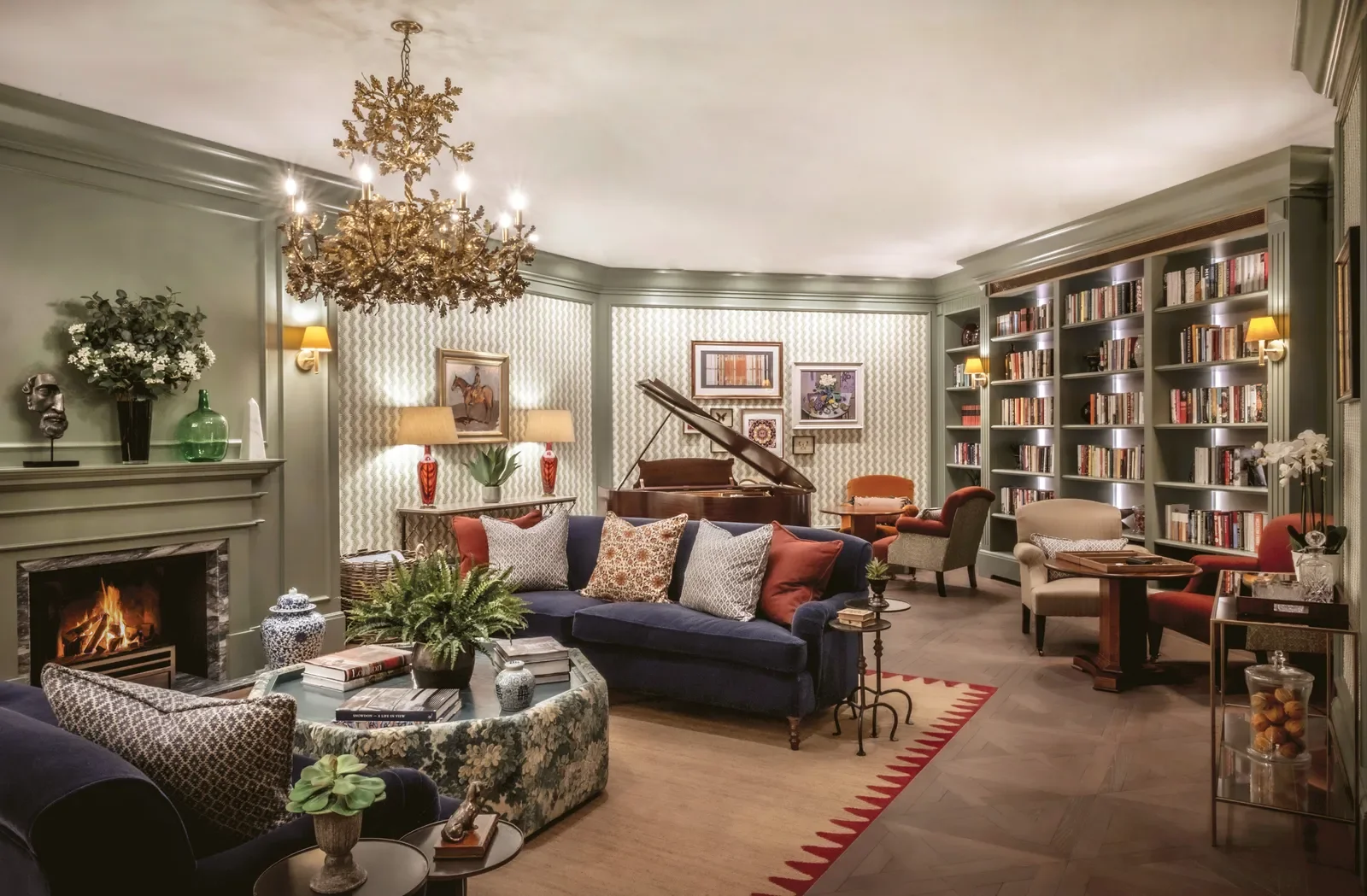
Moving into care doesn’t have to mean giving up what makes a day feel good. A luxury care home puts comfort, choice and company first, so seniors can enjoy their mornings, meals and evenings again. Here’s what that looks like in real life.
It Starts With Waking Up in a Room That’s Actually Yours
Most people picture a ward when they think “care home.” Beige walls, a hospital bed, one window facing the car park. Some places are exactly like that, I won’t pretend otherwise. A luxury care home is different, it’s closer to a good hotel or, better, an actual home. Bigger rooms, en-suite, decent light, real furniture. Residents bring their own armchair, their photos, that clock that’s sat on the mantelpiece for forty years. Sounds minor. It’s not. Seeing your own things first thing in the morning changes how the whole day goes.
Mornings Without Being Rushed
Ask older people what they hate most about institutional life and plenty will say the timetable. Up at seven because the shift changes, washed and dressed whether you like it or not. In a luxury home, mornings are slower. There’s enough staff that nobody gets hurried along like a parcel. Fancy a lie-in? Go on then. Breakfast in your dressing gown at half nine? No problem. Carers have time to chat while they help, and that bit of conversation makes a huge difference. You feel like a person, not a job on somebody’s list.
Food Worth Looking Forward To
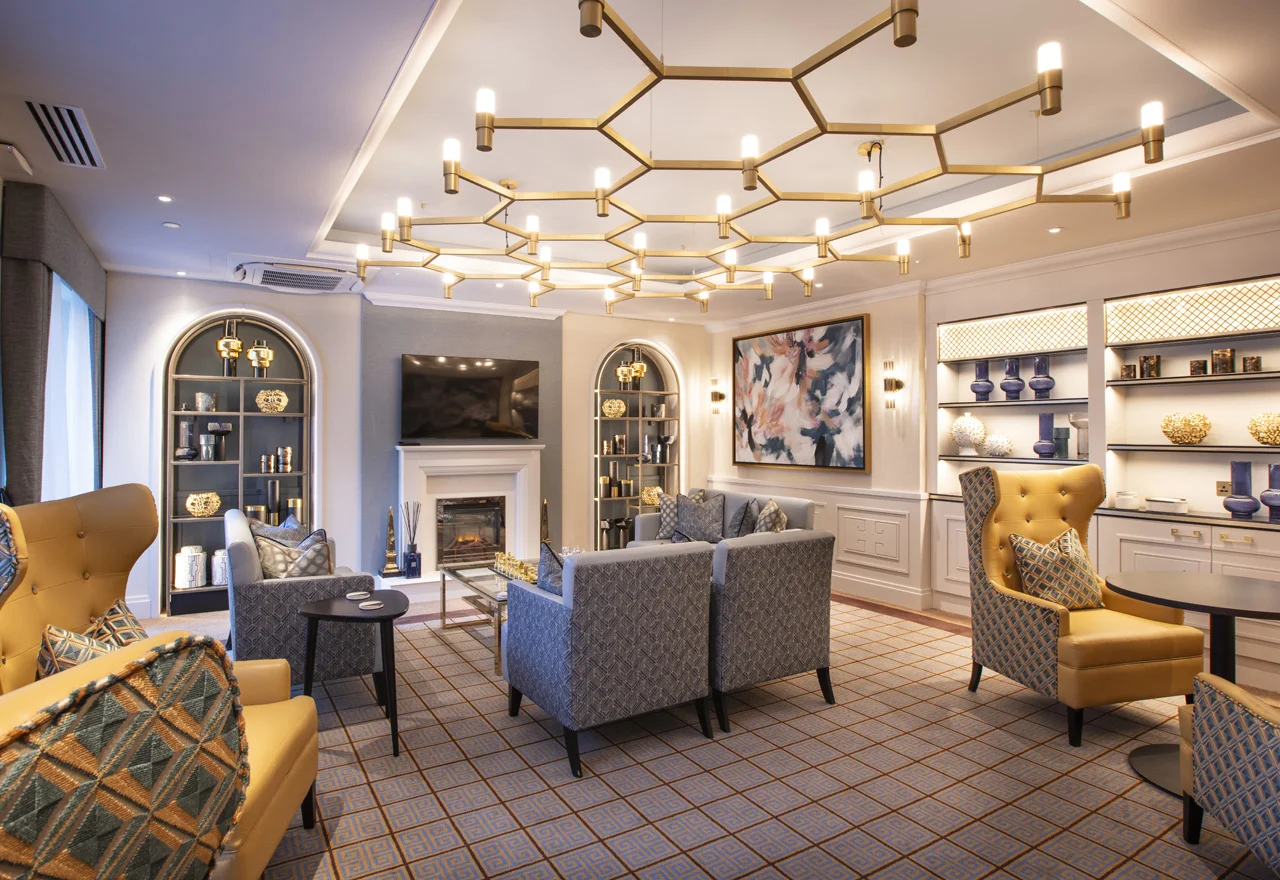
Food is a big deal when your days are quiet, because it’s one of the few things that breaks them up. In plenty of homes meals are just okay. Reheated, samey, same time every day. Luxury homes usually have proper chefs, fresh ingredients and menus that shift with the seasons. Dining rooms feel like restaurants, tablecloths, decent plates, and some will pour a sherry or a glass of wine with dinner. It’s a healthy thing too, honestly. Appetite fades with age, and people eat more when the food smells and looks like something they’d actually pick.
Things To Do That Aren’t Just Bingo
Nothing against bingo. But if that’s all there is, the afternoons get very long. Boredom wears people down faster than you’d expect, and it doesn’t get talked about enough. A luxury care home tends to put real money into activities, art studios, gardening clubs, live music, a cinema room, baking, day trips to the coast. Some even have a spa for massages or a manicure. The good ones also find out what each person likes. The retired teacher joins the book group, the old mechanic potters about in a workshop corner, and everybody belongs somewhere.
Company, Friendships and Not Feeling Alone
Loneliness is a bigger problem for seniors than families tend to realise. At home on your own, you can go whole days without a proper conversation, and that hits mood and memory both. In a well-run home there’s always someone about. A neighbour in the lounge, a carer stopping for a natter, another resident who loves the same crossword. Luxury homes often design social spaces on purpose, tea lounges, garden terraces, a quiet library, a bar area for Friday drinks. Those spots make friendships easier to start, and friendships are, frankly, some of the best medicine at that age.
Care That Knows You
This is what separates a decent home from a really good one. Not just a medication list, but knowing how someone takes their tea, what music they love, which grandchild rings on Sundays. With more staff per resident, carers actually get time to learn these things. They spot when someone’s gone quiet, or stopped eating properly, or seems a bit more muddled than last week. Catching small changes early keeps people healthier and calmer. It also means residents feel respected, and that sense of dignity is hard to put a price on.
Looking Good, Feeling Good
You’d be surprised how much a haircut lifts someone’s mood. Many luxury homes have a hairdresser and barber on site, sometimes a beauty room, a nail technician, a chiropodist who visits regularly. Sounds like a nice extra, but for lots of older people, looking like themselves is tied up with confidence. A woman who’s had her hair set on Fridays for fifty years doesn’t stop caring at eighty-eight. Getting ready for a family lunch, putting on lipstick, feeling smart, that’s part of enjoying life. It shouldn’t be a luxury really, but in plenty of places it is.
Support That Changes When Needs Change
Families worry about what comes next, and fair enough. Today Mum needs a bit of help, in two years it might be nursing care or dementia support. Moving again is stressful, and for someone with memory problems it can be properly upsetting. Many luxury homes offer residential, nursing, dementia and even palliative care under one roof. Staff are trained for it, and the buildings use clear signs, calm colours, safe spaces to wander. So a senior settles once, builds routines, makes friends, and stays put. That stability makes ordinary days feel calmer.
Visits That Don’t Feel Awkward
Visiting someone in care can be hard going. A shared lounge, telly blaring, you trying to have a private chat. Nobody enjoys it. Better homes make visits feel natural, with private lounges, a café, a garden, sometimes a dining room you can book for a birthday or Sunday lunch. Grandchildren turn up more when the place isn’t clinical. Staff usually keep families in the loop too, regular updates, managers you can actually reach. When families visit more and feel at ease, the senior’s day gets brighter. Simple as that.
Safe, But Not Locked In
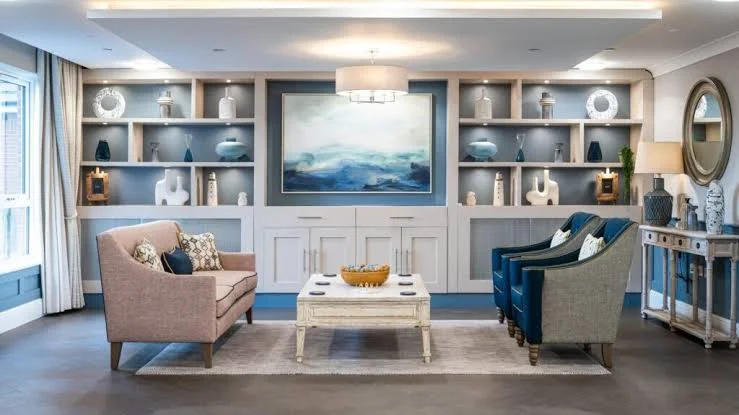
Safety matters, obviously. Nobody wants a fall at 3am with no one around. But being safe isn’t the same as being wrapped in cotton wool. Luxury homes tend to get the balance right. Call systems are discreet, night staff are properly trained, and the building cuts down risks without looking like a hospital. Residents still wander the gardens, pop to the café, make small choices all day long. That freedom, even in small doses, keeps people feeling like adults and not patients.
Conclusion
So how do these places make life more enjoyable? Lots of small things done well, mostly. Better rooms, slower mornings, real food, things to do, people to talk to, and staff with enough time to care properly. Luxury care isn’t about gold taps or chandeliers, though a few places have them. It’s about letting seniors keep their identity, routines and dignity. It does cost more, and it won’t suit every budget. But if you can manage it, visit a few places, sit in the lounge for an hour, and watch how residents look. Happy faces tell you what the brochure won’t.
FAQs
What is a luxury care home? It’s a residential, nursing or dementia care home with higher staffing levels, hotel-style rooms, fresh dining and a wider range of activities and amenities than a standard home.
How does a luxury care home improve a senior’s daily life? Through more personal attention, better food, social activities, comfortable surroundings and flexible routines. Put together, seniors feel more independent, engaged and valued.
Are luxury care homes only for wealthy people? Not necessarily, but they usually cost more than traditional homes. Fees vary by location and care needs, so ask for a full breakdown of what’s included.
Do luxury care homes offer activities for seniors? Yes, most do. Expect gardening, art, live music, outings, exercise classes and sometimes spa treatments, matched to each resident’s interests.
Can a luxury care home look after someone with dementia? Many can. Look for dedicated dementia units, trained staff and a layout designed to keep residents calm and safe.
What should I check when visiting a luxury care home? Watch how staff talk to residents, how the food looks, how clean and calm the place feels. Visit at different times of day and talk to other families if you can.








.webp)