Sign up with Google
 Sign in with Zoho

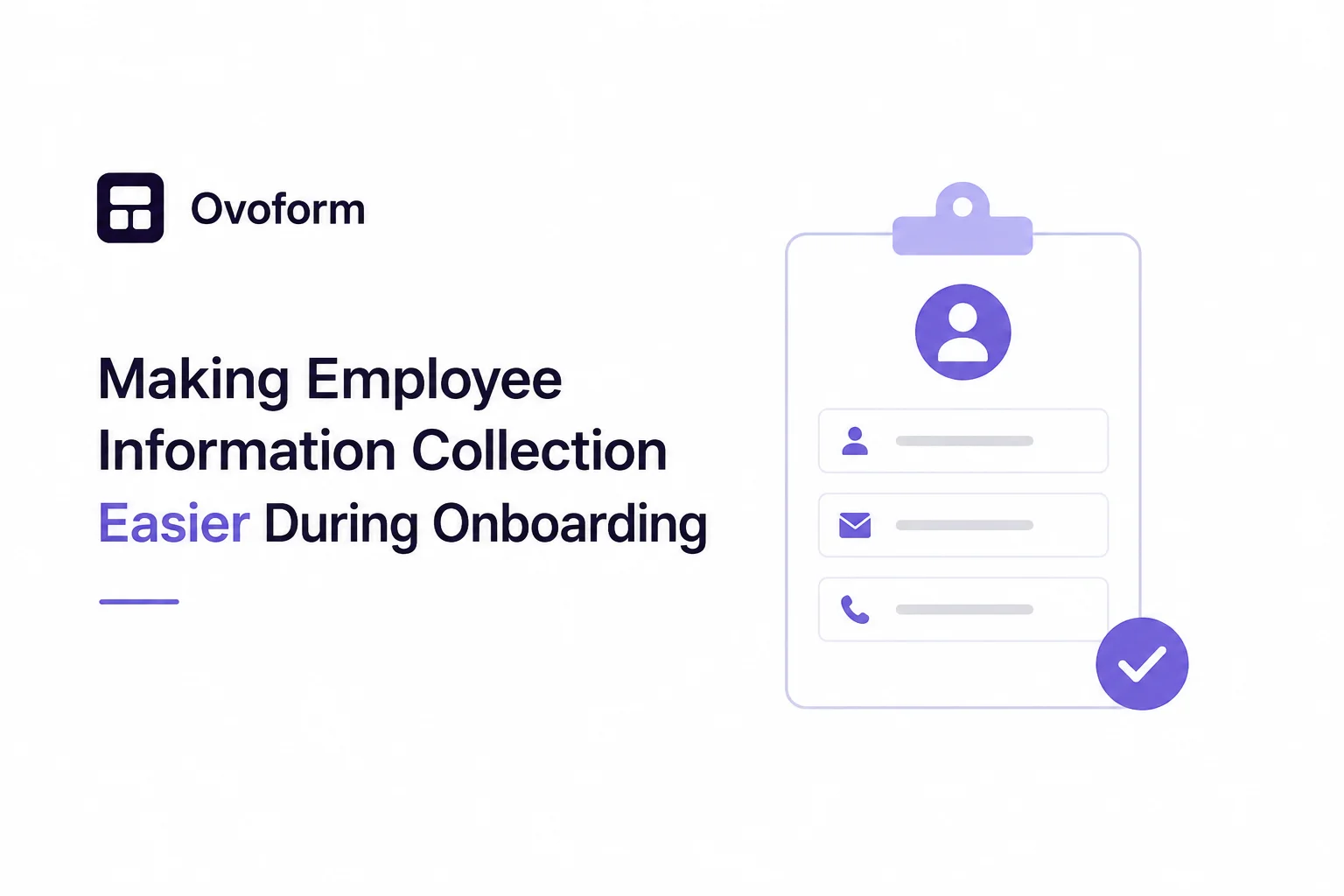
Starting a new job often comes with a lot of paperwork. HR teams may need personal details, contact information, documents, and other information before an employee can fully complete the onboarding process.
Starting a new job often comes with a lot of paperwork. HR teams may need personal details, contact information, documents, and other information before an employee can fully complete the onboarding process.
A simple digital form can make this process easier for everyone. Instead of collecting details through different emails, messages, and documents, HR can use one structured process.
Keep Information in One Place
When employee details are collected through emails, spreadsheets, and separate documents, HR teams can spend unnecessary time organizing everything.
A structured form gives new employees one place to provide the required information.
Depending on the organization, this may include:
- Full name and contact details
- Department and job information
- Emergency contact details
- Required documents
- Policy acknowledgements
- Other onboarding information
Having these details in a consistent format can also make it easier for HR teams to review and manage employee records.
Make the Form Easy to Complete
New employees are already learning about their new role, team, and workplace. The onboarding paperwork should not add unnecessary confusion.
Use clear questions, simple instructions, and only ask for information that is actually needed. Grouping related questions together can also make the form easier to understand.
A mobile-friendly form can be useful as well, especially for employees who prefer completing onboarding details from their phones or other devices.
Reduce Repetitive Work for HR
A consistent information-collection process can reduce manual data entry and make employee records easier to review.
Instead of following up across multiple messages, HR can send one form link and collect responses in a structured format.
The Employee Information Form Template provides a customizable starting point for collecting important employee details during the onboarding process.
This can help HR teams avoid creating a new form from scratch every time they onboard someone.
Give HR More Flexibility
Every organization has its own onboarding process. A good form should be easy to adjust when certain questions or requirements change.
For example, one company may need information about a department and emergency contact, while another may need additional documents or acknowledgements.
Ovoform allows teams to create and customize online forms, making it easier to adapt the information-collection process to different workflows.
Make the New Employee Experience Better
Onboarding is also about the employee experience. A long or confusing process can make someone's first few days more stressful than necessary.
A clear form helps new employees understand what information they need to provide and where to provide it. Simple instructions and well-organized questions can make the process feel much more manageable.
At the same time, HR gets a more consistent way to collect and review information.
Final Thoughts
Employee onboarding doesn't need to be buried under paperwork. A clear information-collection process can make it easier for new employees to provide their details and for HR teams to keep everything organized.
With the right structure, businesses can reduce repetitive work, avoid scattered information, and create a smoother onboarding experience for everyone involved.
A simple digital form can make this process easier for everyone.
Keep Information in One Place
When employee details are collected through emails, spreadsheets, and separate documents, HR teams can spend unnecessary time organizing everything.
A structured form gives new employees one place to provide the required information.
Depending on the organization, this may include:
- Full name and contact details
- Department and job information
- Emergency contact details
- Required documents
- Policy acknowledgements
- Other onboarding information
Make the Form Easy to Complete
New employees are already learning about their new role, team, and workplace. The onboarding paperwork should not add unnecessary confusion.
Use clear questions, simple instructions, and only ask for information that is actually needed.
A mobile-friendly form can also make it easier for employees to complete onboarding details from their preferred device.
Reduce Repetitive Work for HR
A consistent information-collection process can reduce manual data entry and make employee records easier to review.
Instead of following up across multiple messages, HR can send one form link and collect responses in a structured format.
Ovoform Data Collection Form Template provides a customizable starting point for collecting structured information, including contact details, department information, additional details, document uploads, and signatures.
Give HR More Flexibility
Every organization has its own onboarding process. A good form should be easy to adjust when certain questions or requirements change.
Ovoform allows teams to create and customize online forms without starting from scratch, making it easier to adapt forms to different workflows.
Final Thoughts
Employee onboarding doesn't need to be buried under paperwork. A clear information collection process can make it easier for new employees to provide their details and for HR teams to keep everything organized.

.webp)