Sign up with Google
 Sign in with Zoho

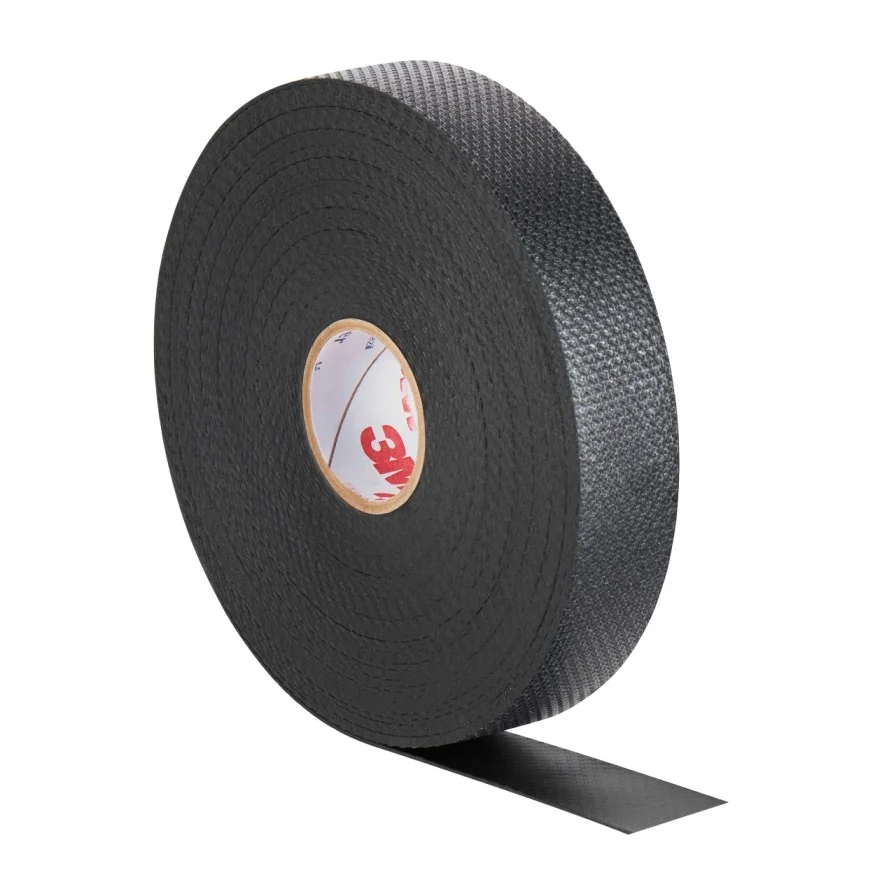
Electrical systems operate in environments where moisture, temperature changes and mechanical stress can gradually affect insulation performance. Protecting cable connections against these challenges is essential for maintaining electrical reliability and reducing unexpected equipment failures. 3M Self-Amalgamating Tape offers a specialised solution by creating a flexible, self-fusing protective layer around compatible electrical connections.
Unlike ordinary adhesive tape, this advanced insulating material bonds overlapping layers together, forming a cohesive rubber-like covering. Its ability to conform to irregular surfaces makes it particularly useful in electrical engineering, industrial maintenance and cable joint protection.
Why Is Self-Amalgamating Tape Important for Electrical Installations?
Electrical cable joints are often vulnerable points within an installation. Inadequate insulation, environmental exposure and incorrect sealing techniques can increase the risk of insulation deterioration.
Self-amalgamating tape addresses these concerns by providing closely bonded protective layers that help prevent moisture penetration and maintain electrical separation.
Its flexibility also allows it to accommodate different cable shapes, making it useful for connections where conventional rigid insulation methods are impractical.
When appropriately selected and installed, it can support reliable performance in demanding electrical environments.
What Makes 3M Self-Amalgamating Tape Different from Conventional Insulation?
The defining characteristic of self-amalgamating tape is its ability to fuse with itself without depending entirely on a conventional surface adhesive.
When stretched and wrapped with the recommended overlap, adjacent layers gradually combine into a cohesive insulating covering.
How Does Its Rubber-Based Construction Enhance Protection?
Selected 3M rubber splicing tapes use ethylene propylene rubber compounds that provide flexibility and electrical insulation.
Important characteristics include:
- Self-fusing performance: Creates a continuous protective layer from overlapping tape sections.
- High conformability: Adapts around cable joints, connectors and uneven surfaces.
- Dielectric properties: Provides electrical insulation when used within approved specifications.
- Moisture resistance: Helps protect properly sealed connections against environmental exposure.
- Temperature tolerance: Supports operation within the selected product's specified temperature limits.
- Flexible construction: Allows protective wrapping around complex cable arrangements.
These characteristics make the material valuable for specialist electrical applications.
Which 3M Self-Amalgamating Tape Types Are Available?
Different electrical applications require different tape formulations, thicknesses and installation characteristics.
Two recognised examples are Scotch 23 and Scotch 130C rubber splicing tapes.
What Is 3M Scotch 23 Rubber Splicing Tape?
Scotch 23 is an ethylene propylene rubber-based insulating tape featuring a removable polyester liner. Its highly conformable construction makes it suitable for specified cable splicing and termination applications.
The tape is designed for appropriate low-voltage applications and engineered insulation systems involving cables rated up to 69 kV.
How Is 3M Scotch 130C Different?
Scotch 130C offers a linerless construction, simplifying handling during application. Its self-fusing rubber material supports moisture sealing and electrical insulation.
Both products have specified continuous operating temperature ratings of 90°C, with emergency overload ratings reaching 130°C under defined conditions.
Individual product specifications should always determine suitability.
Where Can 3M Self-Amalgamating Tape Be Used Effectively?
Self-amalgamating insulation is particularly valuable in environments where conventional electrical connections require additional protection.
Typical applications include:
- Cable splicing: Building suitable insulating layers around approved cable joints.
- Industrial maintenance: Protecting compatible electrical connections during servicing.
- Outdoor electrical equipment: Supporting moisture-resistant insulation where environmental conditions permit.
- Motor connections: Insulating appropriate motor leads and connection assemblies.
- Power distribution: Supporting professionally designed cable termination and busbar insulation arrangements.
- Cable end sealing: Providing protective wrapping against moisture exposure.
Its suitability depends on the tape grade, electrical requirements and applicable installation standards.
How Can You Select the Correct Tape for Your Application?
Choosing electrical insulation tape requires careful consideration of the environment in which it will operate.
A tape suitable for a small control cable may not meet the requirements of a high-voltage installation.
Which Technical Factors Should Be Considered?
Before selecting a product, evaluate:
- Electrical requirements: Match insulation properties to the intended voltage and application.
- Operating temperature: Confirm continuous and emergency temperature ratings.
- Cable compatibility: Check suitability for the existing insulation material.
- Environmental exposure: Consider moisture, sunlight, chemicals and mechanical stress.
- Tape dimensions: Select appropriate width and thickness for the required covering.
- Installation method: Confirm stretching, overlap and protective overwrapping requirements.
Using manufacturer documentation helps prevent incorrect material selection.
What Common Application Mistakes Should Be Avoided?
Even high-quality insulating materials can perform poorly when installed incorrectly. Inconsistent wrapping, unsuitable surfaces and insufficient insulation thickness may compromise the finished covering.
Common mistakes include:
- Applying tape over damaged insulation without assessing the underlying fault.
- Using insufficient overlap between adjacent layers.
- Stretching the tape beyond the manufacturer's recommended limits.
- Allowing dirt or moisture to remain beneath the wrapping.
- Selecting tape without checking its electrical rating.
- Omitting protective outer wrapping when required.
Electrical work should only begin after the circuit has been safely isolated and verified as de-energised.
Why Might Additional Protective Wrapping Be Necessary?
Self-amalgamating tape provides valuable insulating and moisture-sealing properties, but some installations require additional resistance to abrasion or environmental exposure.
A suitable outer layer of professional-grade electrical vinyl tape may provide supplementary mechanical protection.
For certain 3M rubber splicing tapes, the manufacturer recommends protective overwrapping in particular applications.
The complete insulation arrangement should follow the relevant product instructions rather than relying on a single material for every protective function.
How Can Proper Storage and Handling Maintain Tape Quality?
Storage conditions can influence the usability of rubber-based insulating materials.
Keeping tape in its original packaging and protecting it from excessive heat, contamination and unsuitable environmental conditions helps maintain its intended properties.
Before use, inspect the tape for visible damage, unusual stiffness or deterioration.
Important handling practices include:
- Following manufacturer storage recommendations.
- Checking applicable shelf-life information.
- Keeping unused rolls clean and dry.
- Avoiding contamination during installation.
- Using the recommended wrapping technique.
Correct handling supports consistent application and reduces unnecessary material waste.
Why Is 3M Self-Amalgamating Tape Valuable for Long-Term Electrical Reliability?
Dependable electrical installations require insulation systems capable of withstanding operational and environmental challenges. 3M Self-Amalgamating Tape provides a practical combination of flexibility, self-fusing construction and electrical insulating performance.
Its usefulness extends from industrial cable maintenance to professionally engineered power distribution applications, provided the correct product and installation method are selected.
By understanding the material's characteristics, limitations and application requirements, electrical professionals can improve connection protection and support reliable long-term operation.
Ultimately, effective electrical insulation depends not only on material quality but also on proper installation, inspection and adherence to recognised electrical safety practices.