 Sign up with Google
 Sign in with Zoho

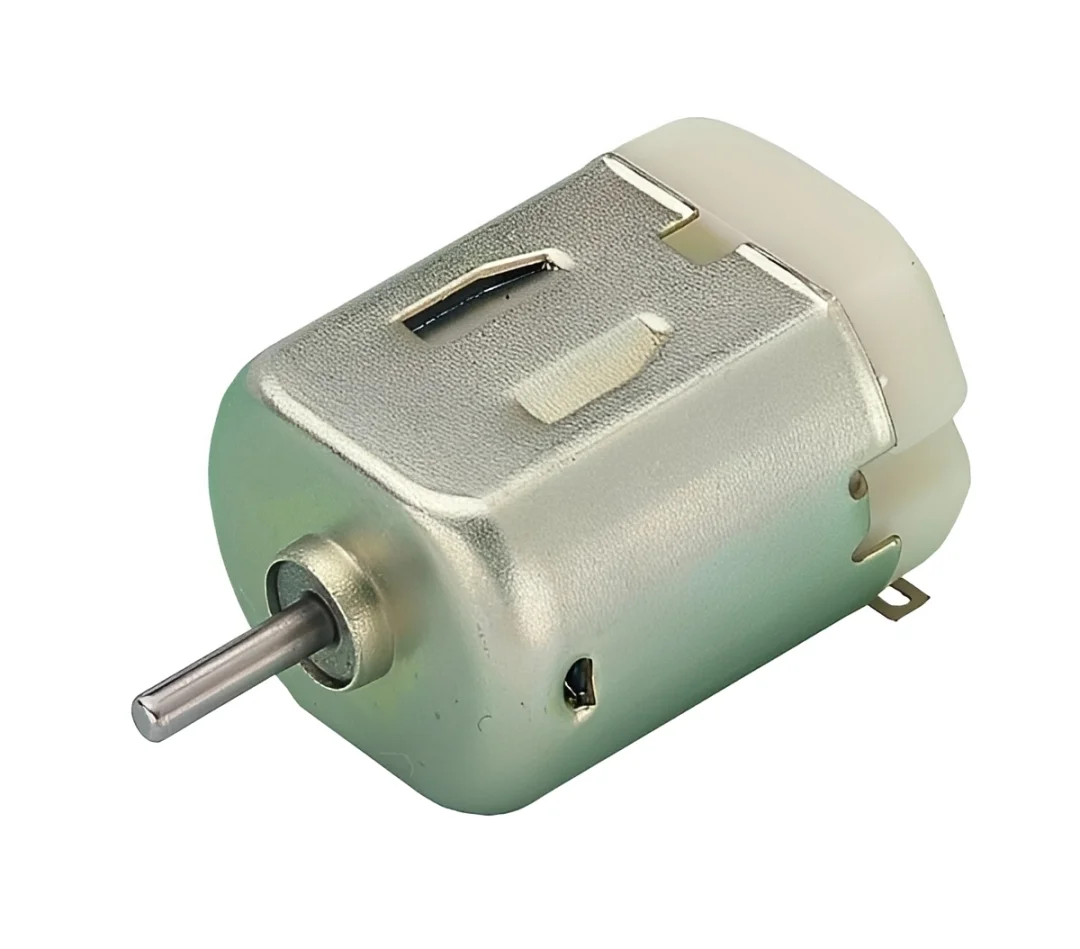
A miniature motor can spin impressively on the bench yet slow dramatically once it starts moving a model. That change does not always mean the component is faulty. A miniature low-torque DC Motor responds to voltage, current, friction and mechanical load, so useful troubleshooting begins by separating normal behaviour from avoidable losses.
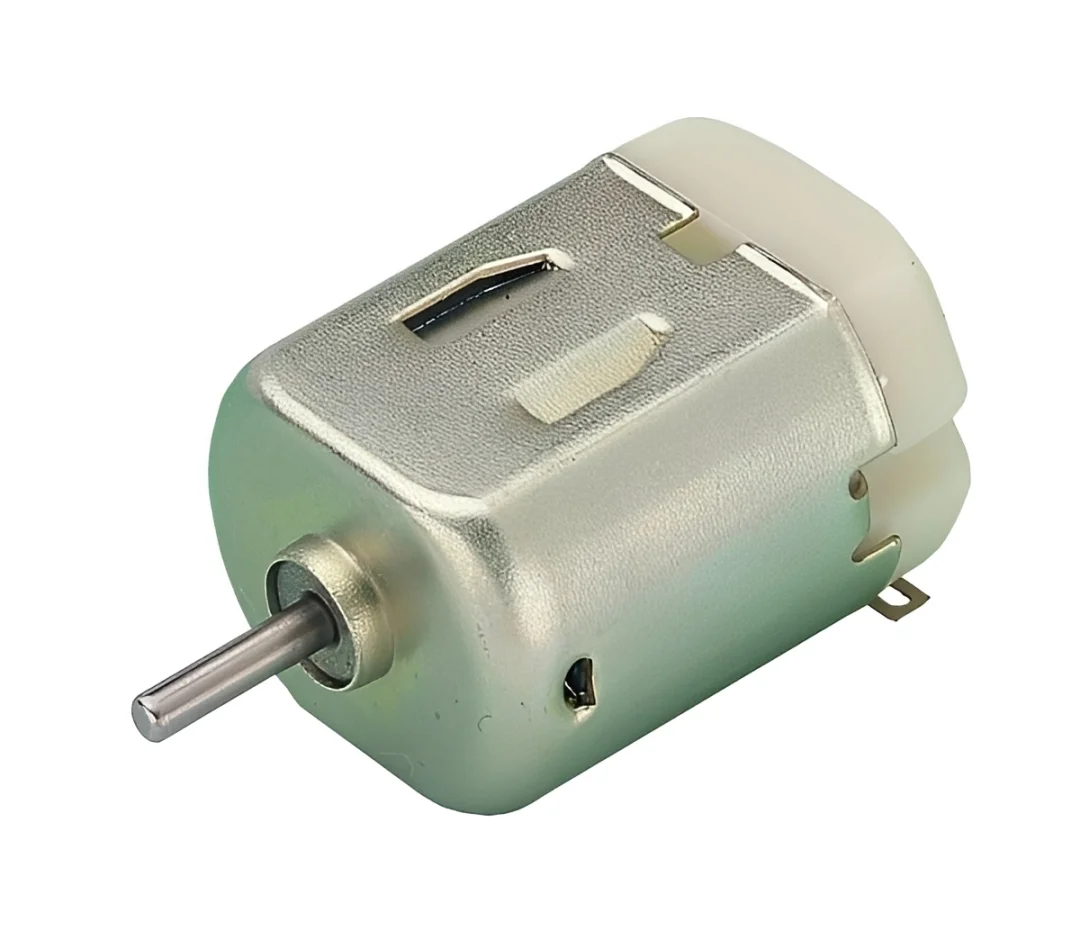
The Miniature Low Torque DC Motor, Kitronik 2543, is an MM10 brushed motor rated for 3 V operation, with a specified supply range of 1.5 to 4.5 V. Kitronik quotes a no-load speed of 16,000 rpm, a no-load current of 0.4 A and a 2 mm output shaft. These figures are useful references, not promises of the same speed under load.
Why Does a Small Motor Slow Down Under Load?
When the shaft meets resistance, a DC motor typically draws more current and rotates more slowly. A heavier wheel, stiff bearing or poorly aligned coupling can all create resistance. Even an apparently lightweight attachment may demand more torque than expected if it is unbalanced.
In addition, a weak power source can make matters worse. As motor current rises, voltage may fall at its terminals because of battery resistance or thin wiring. The result looks like a mechanical fault even when the main problem lies in the supply.
How Can You Distinguish Normal Load From a Fault?
Begin with a baseline. Observe the motor running without an attachment for a short, supervised test, then compare its behaviour with the intended load. Record whether the change is gradual, immediate or accompanied by excessive noise.
Never grip a rotating shaft to test its strength. Instead, isolate power before adjusting the mechanism, and use instruments to investigate the cause.
What Should You Inspect Before Changing Components?
Start with the simplest physical checks. A shaft that rubs against the enclosure or an attachment that touches nearby wiring may waste more energy than the model requires for useful movement.
Check the following:
- Shaft alignment and clearance around the rotating attachment.
- Tightness and balance of the attached wheel or impeller.
- Cable routing near moving parts.
- Any grinding, rubbing or intermittent contact.
- Loose power connections or visibly damaged insulation.
- Changes in temperature during a short operating test.
Breadboards can support temporary electronic circuits, but they cannot reliably secure a vibrating motor. Mount the motor independently so its movement does not disturb the electrical connections.
Can a Small Wiring Error Reduce Performance?
Yes. Long, undersized or poorly terminated wires can introduce voltage drop. A loose contact may also produce intermittent operation, particularly when the prototype vibrates.
Digital Multimeters can measure supply voltage at the motor terminals during operation. Compare that reading with the voltage at the power source. The difference can reveal losses that would be invisible in an unloaded test.
How Can You Test the Power Source Properly?
A controlled supply makes diagnosis more repeatable. Suitable Bench Power Supplies allow you to set a voltage within the rated range and observe current draw while the motor runs.
Start near the nominal 3 V setting, follow the supply's safe-use instructions and choose an appropriate current limit. Because the quoted 0.4 A is the no-load current, do not assume it represents the highest possible demand during startup or stalling.
Why Should You Avoid Prolonged Stalling?
A stopped shaft can draw substantial current without producing useful movement. That electrical energy becomes heat, potentially damaging the windings or shortening the motor's life.
If the motor fails to turn, disconnect the power rather than increasing voltage repeatedly. Investigate mechanical resistance and supply limitations before attempting another test.
What Do Noise and Vibration Reveal?
Unusual buzzing, rattling or oscillation often points towards loose mounting, an unbalanced attachment or interference between moving parts. Different symptoms can share a cause, so treat sound as a clue rather than a definitive diagnosis.
A neatly secured wiring harness helps prevent accidental contact. Heat Shrink Tubing can provide appropriate insulation on compatible wire joints, but it should not be used to hide an unreliable connection or support the motor mechanically.
How Should You Measure Actual Shaft Speed?
Instead of estimating speed by sound, appropriately specified Tachometers can provide non-contact speed readings in a guarded test setup. Confirm that the measurement method and speed range suit a miniature, fast-spinning shaft.
Kitronik lists 12,400 rpm as the speed at maximum efficiency, but that figure describes a specified operating condition rather than the guaranteed output of your project. Compare measured readings using the same voltage, attachment and test duration.
Can Electrical Interference Affect Nearby Circuits?
A brushed motor generates electrical switching noise as its commutator operates. Sensitive sensors and microcontroller inputs may therefore misbehave if wiring and filtering are poorly designed.
Oscilloscopes can help investigate voltage disturbances when used correctly. Follow the circuit manufacturer's guidance for suppression components, grounding and driver protection rather than adding parts without checking their ratings.
Which Changes Are Worth Trying First?
Change one factor at a time. Reduce friction, correct alignment, or shorten an unnecessarily long wire run, then retest. Keeping a brief results table helps identify improvements without confusing cause and effect.
Avoid replacing the motor immediately. A better power connection or a lighter attachment may solve the problem without requiring another part.
When Is a Different Motor the Right Answer?
If careful testing confirms that the model consistently demands more turning effort than the MM10 can provide, redesign the mechanism or select a motor with an appropriate torque-speed characteristic. Compare compatible DC Motors using rated voltage, current, shaft dimensions and performance under load, not speed alone. A measurable, repeatable test makes the final choice more reliable.

.webp)