Sign up with Google
 Sign in with Zoho

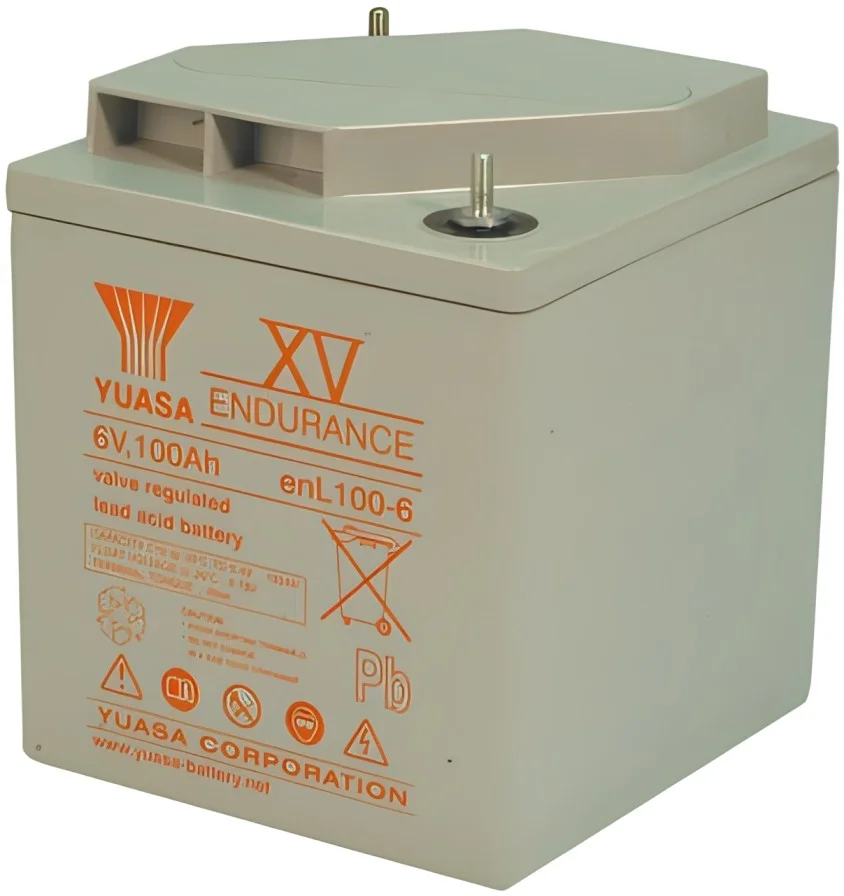
A battery that suddenly stops delivering reliable power can disrupt equipment, delay operations and create unexpected maintenance expenses. In backup systems, emergency equipment and industrial installations, consistent battery performance is essential for maintaining power availability. However, rechargeable batteries gradually lose efficiency because of chemical ageing, environmental conditions and operating habits. Understanding these changes helps users recognise early warning signs and take practical steps before a minor problem becomes a complete failure.
A 6V Lead Acid Battery is a rechargeable energy-storage device commonly used in compatible standby and electrical applications. Although lead-acid technology is valued for its established performance and affordability, battery health depends on charging conditions, discharge patterns and storage environments. Recognising the factors that influence energy retention can help equipment owners improve reliability, reduce unnecessary replacements and maintain dependable electrical systems.
Why Does a Lead Acid Battery Lose Charge Over Time?
Every rechargeable battery experiences gradual chemical changes during operation and storage. Even when disconnected from equipment, internal reactions consume a small amount of stored energy through a process called self-discharge.
Several conditions can accelerate performance deterioration:
- Extended inactivity: Batteries left unused without appropriate maintenance charging gradually lose charge.
- Repeated deep discharge: Excessive discharge can reduce the number of useful operating cycles.
- High temperatures: Heat accelerates chemical ageing and may increase internal deterioration.
- Incorrect charging: Undercharging and overcharging can both damage battery performance.
- Natural ageing: Internal materials deteriorate gradually throughout the battery's service life.
Recognising these factors makes it easier to establish effective maintenance routines.
What Is Battery Sulphation and Why Does It Matter?
Sulphation is one of the most common causes of reduced performance in lead-acid batteries. During normal discharge, lead sulphate forms on the battery plates. Proper recharging converts much of this material back into its original active components.
However, when a battery remains partially or deeply discharged for extended periods, persistent lead sulphate deposits can develop. These deposits interfere with normal chemical reactions and reduce the battery's ability to accept and deliver energy.
How Can Sulphation Be Prevented?
The most effective approach is maintaining an appropriate state of charge. Avoid leaving batteries discharged for extended periods, follow recommended charging schedules and use equipment compatible with the battery's construction.
Severe sulphation may cause permanent capacity loss, making replacement more appropriate than attempting unsupported recovery procedures.
How Can You Identify a Weak or Failing Battery?
Battery problems often develop gradually. Equipment may initially operate normally before runtime becomes noticeably shorter.
Common warning signs include:
- Reduced operating time after a full charge.
- Unexpected equipment shutdowns under load.
- Difficulty maintaining the expected terminal voltage.
- Unusual heating during normal charging.
- Visible case swelling, leakage or terminal deterioration.
A battery showing physical damage should be removed from service and assessed by a qualified professional.
Does Voltage Alone Reveal Battery Health?
Not completely. Terminal voltage provides useful information about charge condition, but it cannot independently determine remaining capacity.
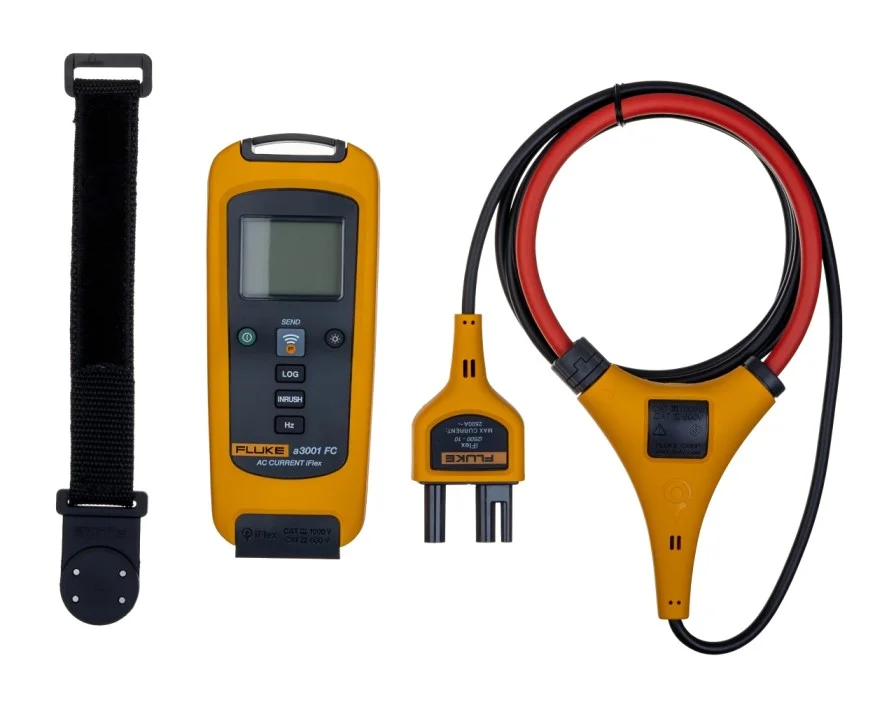
A deteriorated battery may show an apparently acceptable voltage without supporting its normal load. Suitable capacity or load testing provides a more meaningful indication of operational performance.
How Do Temperature Changes Affect Battery Performance?
Temperature plays a major role in battery behaviour. Low temperatures reduce the available discharge capacity, meaning equipment may operate for less time even when the battery is otherwise healthy.
High temperatures create a different challenge. Although short-term electrical performance may improve, prolonged exposure to excessive heat accelerates ageing and can shorten service life.
For dependable operation, batteries should remain within their manufacturer's specified temperature range. Storage locations should also provide appropriate ventilation and protection against environmental extremes.
Why Can Equipment Drain a Battery When Switched Off?
Some electrical systems continue consuming small amounts of current even when their main functions are inactive. Monitoring circuits, electronic controls and standby indicators may remain powered.
This continuous consumption is known as parasitic or standby drain. Over extended periods, it can significantly reduce stored energy.
What Can Reduce Unnecessary Discharge?
- Identify equipment that continues drawing current during standby.
- Check for faulty switches or unintended electrical loads.
- Follow manufacturer-approved storage and disconnection procedures.
- Maintain batteries using an appropriate standby charging system.
- Investigate unusual power consumption before replacing a battery.
These measures help distinguish battery deterioration from problems elsewhere in the electrical installation.
When Should a Lead Acid Battery Be Replaced?
Battery replacement should be based on condition, operating requirements and manufacturer recommendations rather than age alone.
A battery approaching the end of its useful life may require increasingly frequent charging while delivering progressively shorter runtime. If appropriate testing confirms substantial capacity loss, replacement may be necessary.
Critical standby applications may also require scheduled replacement to maintain system reliability.
Before fitting a replacement, confirm that the electrical equipment, charging arrangement and operating environment are functioning correctly. Otherwise, the same underlying issue could damage the new battery.
What Mistakes Commonly Shorten Battery Life?
Several avoidable habits can accelerate deterioration.
Ignoring storage conditions: Keeping batteries in excessively hot locations encourages premature ageing.
Using incompatible charging equipment: Incorrect charging settings can damage internal components.
Allowing prolonged discharge: Leaving a battery uncharged encourages persistent sulphation.
Neglecting connections: Corroded or loose terminals can cause voltage drops and unreliable operation.
Ignoring warning signs: Continuing to use physically damaged batteries increases operational and safety risks.
Correcting these habits supports more consistent performance and reduces avoidable maintenance costs.
Frequently Asked Questions
Can a Completely Discharged 6V Battery Be Recovered?
Sometimes, depending on its condition and manufacturer guidance. Severe discharge may cause irreversible damage. Do not attempt unsafe charging or improvised recovery methods.
Why Does a Battery Lose Power Even After Charging?
Possible causes include ageing, sulphation, high electrical loads, faulty charging equipment or poor connections. Appropriate diagnostic testing helps identify the actual problem.
How Often Should Battery Condition Be Checked?
Inspection frequency depends on the application, operating environment and manufacturer instructions. Critical standby systems generally require planned testing and maintenance.
How Can Better Battery Care Improve Long-Term Reliability?
Consistent battery performance depends on more than occasional charging. Monitoring runtime, maintaining suitable storage conditions and identifying unexpected electrical loads all contribute to reliable operation. For equipment owners and maintenance professionals, a simple inspection schedule can help prevent unexpected interruptions and unnecessary replacements. By understanding the causes of battery deterioration and addressing problems early, users can improve energy availability, protect connected equipment and maintain dependable electrical systems for longer.