Sign up with Google
 Sign in with Zoho

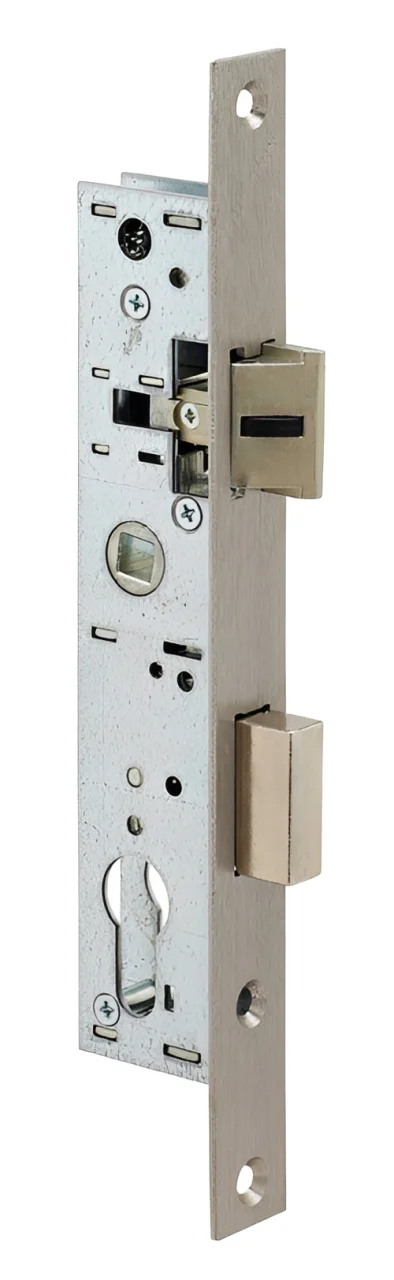
A door that closes but does not latch creates a problem that is easy to overlook. Staff may push it a second time, assume the mechanism is worn, or leave a restricted room unsecured without noticing. On suitable metal doors, a Dom Metalux Mortice Lock forms part of the complete door assembly. Its everyday reliability depends as much on door movement and operating conditions as on the lock itself.
Why Can a Dom Metalux Mortice Lock Stop Latching?
Rather than replacing a lock at the first sign of trouble, facility teams can use a systematic investigation to identify what changed.
What Happens Between Closing and Latching?
As a hinged door closes, the projecting latch meets the strike opening in the frame. The latch should retract as it contacts the strike, then return into the opening once the door reaches its closed position.
A smooth result depends on several components working together. The door must hang correctly, the latch must move freely and any closing mechanism must bring the leaf to its final position without excessive impact.
Why Does a Door Sometimes Need an Extra Push?
A latch may be obstructed by a poorly positioned strike, while the door itself could be dragging against a threshold or seal. A weak final closing movement may create the same symptom.
Watch how the door behaves from a safe position, without defeating access restrictions. Note whether it stops short, rebounds, scrapes or closes successfully only when pushed.
What Is Specific to the Metalux n°7?
The DOM Metalux n°7 family is designed for metal-door applications using a European-profile cylinder arrangement. The referenced 7 - F107360010 product is listed with a steel forend and a mortice-lock body.
The product description alone cannot confirm compatibility with every door profile. Match the manufacturer's exact technical drawing to the existing installation before approving a replacement.
Could Worn Hinges Be the Real Problem?
Even a small change in door position can affect latch engagement. A heavily used door may begin to sag, or its fixings may loosen, causing the latch to contact a different point on the strike.
Appropriately specified Hinges support the door leaf and help maintain its intended swing path. Their load capacity, condition and alignment deserve attention before anyone modifies the lock or strike.
Look for Patterns, Not Just Scratches
A scuff near the top or bottom of the frame can suggest door movement. A gap that varies noticeably along the edge may indicate alignment issues.
Do not file away the latch or enlarge the strike opening to conceal sagging. Have the door assembly assessed and corrected using the approved hardware instructions.
How Does Closing Speed Affect the Lock?
In busy entrances, self-closing doors can behave inconsistently as temperatures, air pressure and traffic patterns change. If a closer brings the door towards the frame too slowly, the latch may not engage. If it slams, the impact can increase wear.
Compatible Door Closers provide controlled closing action when selected and adjusted for the door. The correct closing speed and final latch action depend on the complete doorset and any applicable safety requirements.
On a fire-rated or emergency-exit door, closer adjustments and lock changes must preserve the door's approved operation. Use a competent technician rather than experimenting with settings.
How Can You Separate Lock Problems from Door Problems?
A useful check is to compare operation with the door open and with it closed. This should be carried out only when it is safe and authorised to do so.
With the door open, operate the handle and key gently. The latch and bolt should move as the manufacturer intends, without unusual resistance.
Then observe normal closing. If the mechanism works freely when open but binds against the frame, the fault may lie in alignment or the strike rather than inside the lock case.
Record Symptoms Clearly
A short maintenance note should answer:
- Does the handle return to its resting position?
- Does the latch retract and extend smoothly?
- Does the problem occur on every cycle or intermittently?
- Is the door rubbing against the frame or threshold?
- Does the closer bring the door fully into position?
- Are there signs of loose hardware or recent impact?
These observations help a technician diagnose the problem without repeatedly dismantling serviceable parts.
What Makes High-Traffic Doors Harder to Maintain?
Shared offices, plantrooms and commercial corridors see frequent opening, closing and occasional misuse. People may hold doors against their closers, carry large objects through openings or pull on the lever while a door is moving.
This introduces loads that the lock was never intended to absorb. Preventive inspections should cover the entire doorset, including handle operation, hinge security, strike condition and closing performance.
If access is critical, establish a process for reporting a door that fails to secure rather than relying on occupants to force it shut.
When Is Replacement the Right Decision?
Replacement becomes reasonable when inspection identifies a defective mechanism, damaged components or a lock unsuitable for the required door duty. A temporary improvement after adjustment is not enough if the underlying fault remains.
When replacing the listed DOM Metalux variant, check the exact reference, operating arrangement, case dimensions and applicable door approval. Avoid assuming that a similar-looking mortise case will preserve the same function.
For controlled-access, fire or escape doors, confirm compatibility with the door and hardware specifications before approving any change.
Build a More Dependable Door Maintenance Routine
A Dom Metalux Mortice Lock should not be judged independently of the door carrying it. Repeated failure to latch may indicate a hinge, closer, strike or door-alignment problem as readily as internal lock wear.
By recording symptoms, inspecting the full assembly and assigning corrections to competent personnel, building managers can reduce avoidable call-outs and keep busy metal doors working as intended.