Sign up with Google
 Sign in with Zoho

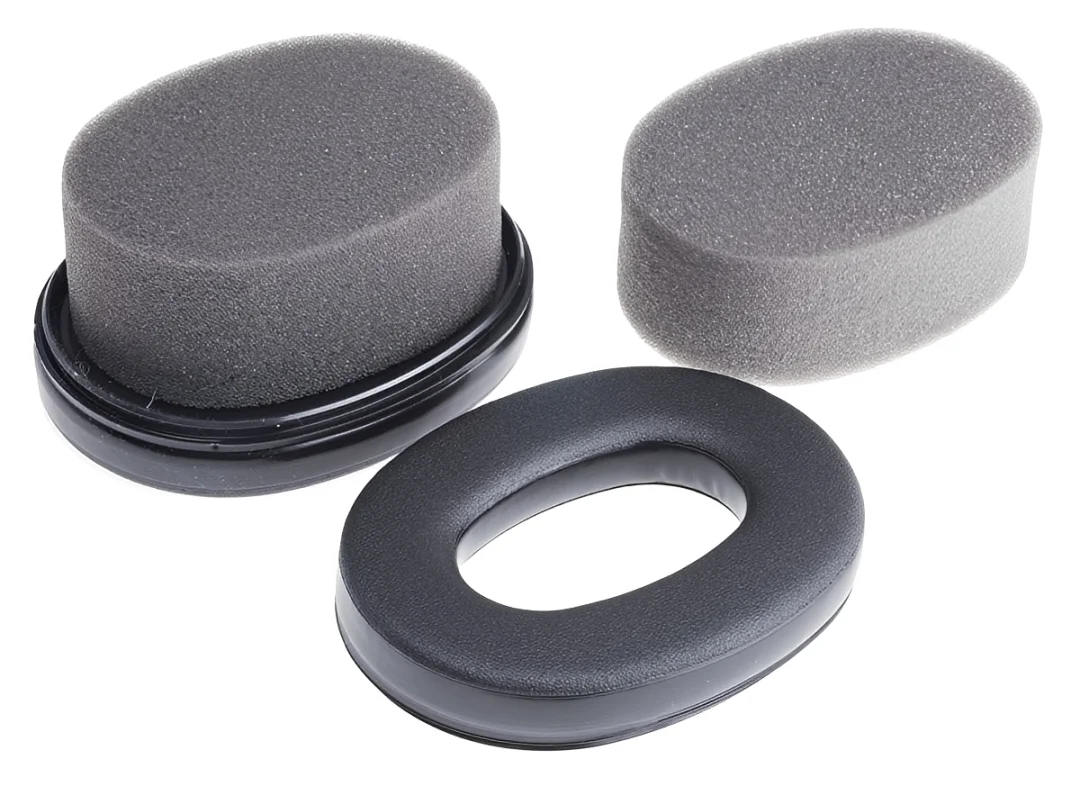
In a busy workshop, reliable hearing protection depends on the condition of the equipment touching the wearer, not just its outer shell. Over time, sweat, dust and regular use can leave earmuff cushions flattened or uncomfortable. A 3M PELTOR Hygiene Kit offers a practical way to refresh compatible ear defenders without automatically replacing the entire headset. For teams using PELTOR Optime III earmuffs, the HY54 kit addresses two components that deserve regular attention.
Replacing worn parts is not merely cosmetic. A cushion that no longer sits properly around the ear may leave gaps, affecting how the protector fits and performs.
Why Do Earmuff Cushions Matter So Much?
Ear defenders reduce sound exposure partly by forming a close seal around each ear. The soft sealing rings must follow the contours of the wearer's head, while the internal pads form part of the earmuff's designed construction.
Even robust Ear Defenders need routine inspection because the parts in direct contact with the skin experience repeated pressure and environmental exposure. A strong headband and undamaged cups do not compensate for badly deteriorated cushions.
The Difference Between Cleaning and Replacing
Cleaning removes surface contamination when performed according to the manufacturer's instructions. Replacement addresses compressed, cracked or otherwise worn components that cleaning cannot restore.
If the cushion has hardened, split or lost its shape, fitting an appropriate replacement is generally more useful than attempting to soften it with household products.
What Comes Inside the HY54 Replacement Kit?
The 3M PELTOR HY54 is intended for compatible Optime III earmuffs. It supplies replacement sealing rings and internal muffler pads, allowing users to renew the components rather than discard serviceable earcups.
Its principal characteristics include:
- Product: 3M PELTOR hygiene replacement kit.
- Model reference: HY54.
- Intended compatibility: PELTOR Optime III earmuffs.
- Replacement components: Sealing rings and foam inserts.
- Purpose: Maintaining cushion condition, comfort and hygiene.
- Installation: Designed for straightforward replacement using the manufacturer's instructions.
The kit does not include a new headband, complete earmuff assembly or electronic noise-cancelling features. Check the exact headset model before selecting replacement parts.
When Should the Hygiene Components Be Changed?
3M recommends changing earmuff cushions and foam inserts every six months, or sooner when damage occurs. Workplaces with frequent use, perspiration or exposure to dirt may need closer inspection between planned changes.
Within a wider programme of Hearing Accessories maintenance, replacement kits support a simple preventive routine. Staff can examine the protective equipment, identify deterioration and arrange new components before damaged cushions become a persistent problem.
Warning Signs Worth Checking
Look for these conditions during normal PPE checks:
- Cracks, splits or tears in the sealing ring.
- Flattened cushions that no longer recover their shape.
- Foam inserts showing damage or heavy contamination.
- Parts that no longer attach securely to the earcup.
- Persistent discomfort or an obvious gap around the ear.
An inspection should also cover the headband and cup housing. If either is damaged, a hygiene kit alone may not make the headset serviceable.
How Can You Replace the Ear Cushions Properly?
First, identify the Optime III model and consult its instructions. Remove the worn components as directed, without forcing or damaging the earcup. Then position the new foam pads and sealing cushions in their intended locations.
Before returning the headset to use, check that both cushions are fully seated, undamaged and even around their edges. Put the earmuffs on and confirm a comfortable, continuous seal.
Avoid modifying the replacement parts or combining them with components that the manufacturer has not approved.
Protecting the Seal When Other PPE Is Worn
Hearing protection rarely operates in isolation. Workers may also need eye, face and head protection depending on the task. Every additional item should be checked for interference with the earmuff fit.
For example, the frames or straps of Safety Goggles and other eyewear can sometimes interfere with ear cushions. Select compatible equipment and assess the actual combined fit rather than assuming each item works identically when worn together.
Head Protection on Industrial Sites
Some Optime hearing protectors are available in helmet-mounted arrangements. Where Hard Hats are required, confirm the approved helmet and earmuff combination, including its mounting and replacement-part instructions.
A HY54 kit refreshes specified cushions and inserts; it does not establish compatibility between an unfamiliar helmet and earmuff system.
How Does Routine Maintenance Support Hearing Safety?
A useful maintenance programme begins before a shift. Wearers can visually check their earmuffs, remove loose debris and confirm that cushions are correctly attached. Supervisors can help ensure replacement components are available when an inspection identifies wear.
Hearing protection should be selected through an appropriate noise-risk assessment. In some workplaces, earplugs may be a suitable alternative or, where justified by the assessment, part of a compatible dual-protection arrangement. Neither option should be chosen solely for convenience.
Regular maintenance supports the intended performance of correctly selected hearing protectors, but it does not create a new noise-reduction rating or eliminate the need for proper fitting.
Why Refurbish Instead of Immediately Replacing Earmuffs?
When the rest of the headset remains safe and serviceable, changing consumable parts can extend its useful life. This makes replacement kits practical for maintenance teams managing several sets of compatible earmuffs.
Still, saving money must never override safety. Damaged shells, weak headbands, or incorrect components call for further assessment and potentially complete headset replacement.
A Small Maintenance Step With Lasting Value
A 3M PELTOR Hygiene Kit helps maintain the everyday comfort and fit of compatible Optime III earmuffs through fresh sealing cushions and foam inserts. Its value lies in preserving a properly selected hearing protector as part of an ongoing inspection and replacement routine.
By checking compatibility, following the manufacturer's replacement guidance and assessing how other PPE affects the seal, workplaces can keep their hearing-protection programme more consistent and dependable.