Sign up with Google
 Sign in with Zoho
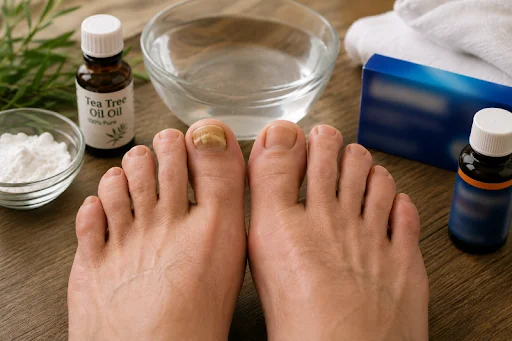
Not every case of toenail fungus needs a prescription pad right away. For mild or early infections, some home approaches can offer modest support alongside a real antifungal product, provided you know which methods actually have some evidence behind them and which are just internet folklore. This guest post walks through realistic home approaches, explains when they stop being enough, and answers the question people ask most: is nail fungus curable in the first place?
What's Actually Happening in the Nail
Toenail fungus, or onychomycosis, develops when fungal organisms invade the nail plate and gradually spread beneath it, feeding on keratin, the protein that makes up your nail. It thrives in warm, damp environments, which is why sweaty shoes, gym showers, and pool decks are such common sources.
Common contributing factors include:
- Wearing damp socks or poorly ventilated shoes for extended periods
- Walking barefoot in communal showers or locker rooms
- Small nail injuries that give fungus an entry point
- Reduced circulation, often linked to age or diabetes
- Sharing nail clippers, files, or footwear with an infected person
Recognizing the Early Signs
Catching an infection early makes any treatment approach, home-supported or medical, far more likely to succeed. Watch for:
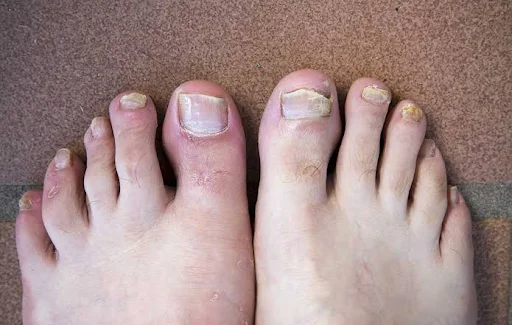
- Yellow, white, or brownish discoloration
- Slight thickening or an oddly shaped nail
- Brittle, crumbling edges
- A faint odor around the nail
- Minor lifting of the nail away from the skin beneath
If symptoms are mild and limited to a small area, some people try home care first but getting a quick professional opinion even at this stage can help confirm the diagnosis and avoid months of trial and error.
Is Nail Fungus Curable? Setting Realistic Expectations
Before diving into remedies, it's worth answering the question directly: is nail fungus curable? Yes, in most cases it is, though how quickly and completely depends heavily on the severity of the infection and how consistently it's treated. Mild infections caught early often respond well to a well-chosen treatment, while moderate or advanced infections typically need medical-strength treatment to fully clear.
Part of why people ask if nail fungus is curable so often is that visible results can take months, which makes it feel like nothing is working even when slow progress is happening under the surface. Patience and consistency matter as much as the treatment itself, since a new, healthy nail has to grow out to fully replace the infected portion regardless of which approach you use.
Toenail Fungus Cure at Home: Methods Worth Trying
For mild, early-stage infections, a few home-based habits are commonly tried, though it's worth knowing upfront that most are supportive at best rather than proven cures:
- Tea tree oil, best used in a product that also contains a proven active antifungal ingredient like undecylenic acid, rather than tea tree oil alone
- Diluted vinegar soaks, a popular home habit with mostly anecdotal rather than clinical support
- Vicks VapoRub and baking soda paste or soaks, both used informally by some people for moisture and odor management, though neither is a substitute for a proven antifungal
- Regular trimming and filing to reduce fungal buildup
A consistent toenail fungus cure at home approach usually combines a genuine antifungal product along with strict foot hygiene, rather than relying on home habits alone to do the work.
Nail Fungus Cure Without Medication: How Far Can It Go?
Many people specifically want a nail fungus cure without medication , either to avoid side effects or simply because they'd rather try something with fewer ingredients first. It's worth clarifying what this actually means: a non-prescription product containing a real antifungal active ingredient, such as undecylenic acid, is still a medicated treatment; it's just not prescription-strength. A true cure with no active ingredient involved is unlikely for anything beyond the very earliest, mildest nail changes.
Non-prescription antifungal products also have real limits once the nail has thickened or the infection has spread under a larger portion of the nail plate. These products struggle to penetrate deeply enough to reach fungus that's well established, which is why they tend to work best for prevention or early intervention rather than as a fix for advanced cases.
When Over-the-Counter Products Make Sense
If home habits alone aren't cutting it, drugstore antifungal products are a reasonable middle step. Effective use typically involves:
- Choosing products labeled specifically for nail fungus, not general foot care
- Looking for a genuine antifungal active ingredient, such as undecylenic acid
- Applying consistently for several months, since nail growth is slow
When It's Time for Medical Treatment
Once an infection has spread, thickened significantly, or failed to respond to home care, or is causing pain, swelling in the surrounding tissues, or significant nail brittleness, it's worth moving to prescription-level options.
Topical Prescription Treatments
Medicated lacquers such as efinaconazole or tavaborole are usually applied daily for six months to a year.
Oral Antifungal Medication
For moderate to severe cases, oral antifungals like terbinafine or itraconazole work systemically through the bloodstream. Treatment courses typically run six to twelve weeks, with occasional blood tests to monitor liver function.
Clinical Support Options
For persistent or severe nail fungus, readers can speak with a qualified healthcare professional or dermatologist about appropriate treatment options. A medical professional can help determine whether prescription medication or other treatments may be suitable based on the severity of the infection.
Comparing the Realistic Options
Habits That Support Any Approach
- Dry feet thoroughly after washing, especially between the toes
- Rotate shoes and wear breathable socks
- Disinfect nail clippers and files regularly
- Avoid walking barefoot in shared wet areas
- Trim nails straight across to limit fungal entry points
Skipping these habits is one of the most common reasons a toenail fungus cure at home doesn't hold, since reinfection from damp shoes or shared surfaces is extremely common.
When to See a Professional
If a few months of home care hasn't produced any visible improvement, or the infection is spreading, painful, or affecting someone with diabetes or poor circulation, it's time to consult a podiatrist or dermatologist. A quick nail sample can confirm the diagnosis and point toward a treatment genuinely suited to your case.
Frequently Asked Questions
1. Is a toenail fungus cure at home realistic for every case?
It works best for mild, early infections when paired with a real antifungal product; more advanced or spreading cases usually need prescription-strength treatment to fully clear.
2. Is nail fungus curable without ever seeing a doctor?
For mild cases, sometimes, especially with a product containing a proven active ingredient, persistent or worsening infections typically need professional diagnosis and treatment for lasting results.
3. How long does a nail fungus cure without medication usually take?
Expect several months at minimum, since it depends on healthy nails growing out to replace the infected portion, and cases that don't improve in that time are worth having a professional look at.
4. Can I combine home habits with over-the-counter products?
Yes, many people use both together, using hygiene habits to support an over-the-counter product containing a real active ingredient.
5. When should I stop trying home remedies and see a doctor?
If there's no visible improvement after two to three months, or symptoms worsen, it's time to get a professional evaluation.
Final Thoughts
A toenail fungus cure at home is a realistic goal for mild, early infections, especially when paired with a product that contains a real active ingredient, consistent hygiene, and patience. For more advanced cases, though, home habits alone usually aren't enough, and prescription treatment becomes the more reliable path. Whichever route fits your situation, catching the infection early and staying consistent gives you the best chance at a lasting result.