Sign up with Google
 Sign in with Zoho
Businesses across retail, manufacturing, warehouses, offices, public venues, and other industries use cameras every day for security and monitoring. However, traditional CCTV systems mainly act as recording tools. Someone usually needs to watch the footage or review it later to understand what happened.
AI-powered video analytics is changing this approach by allowing cameras to become intelligent sources of business information.
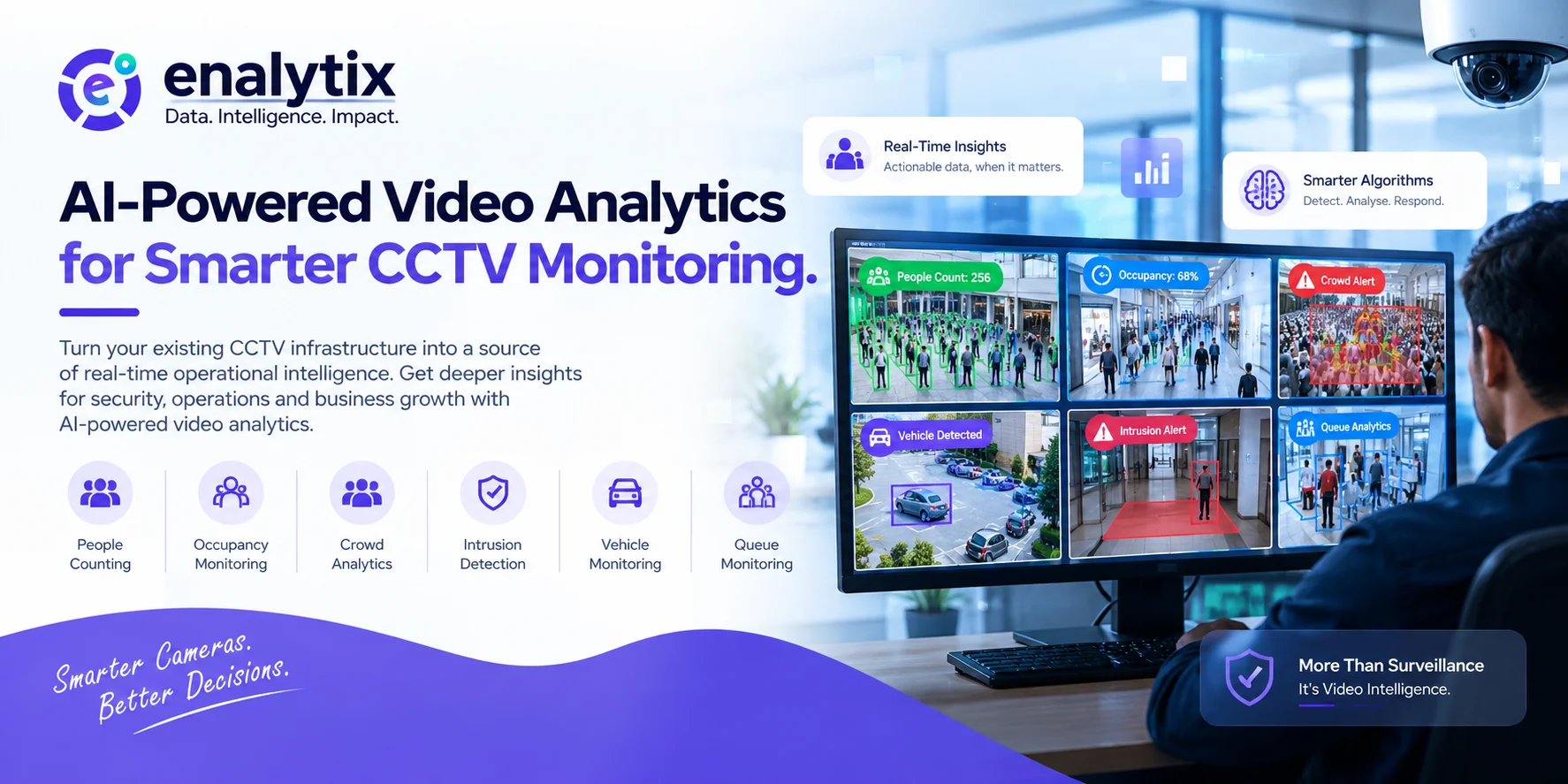
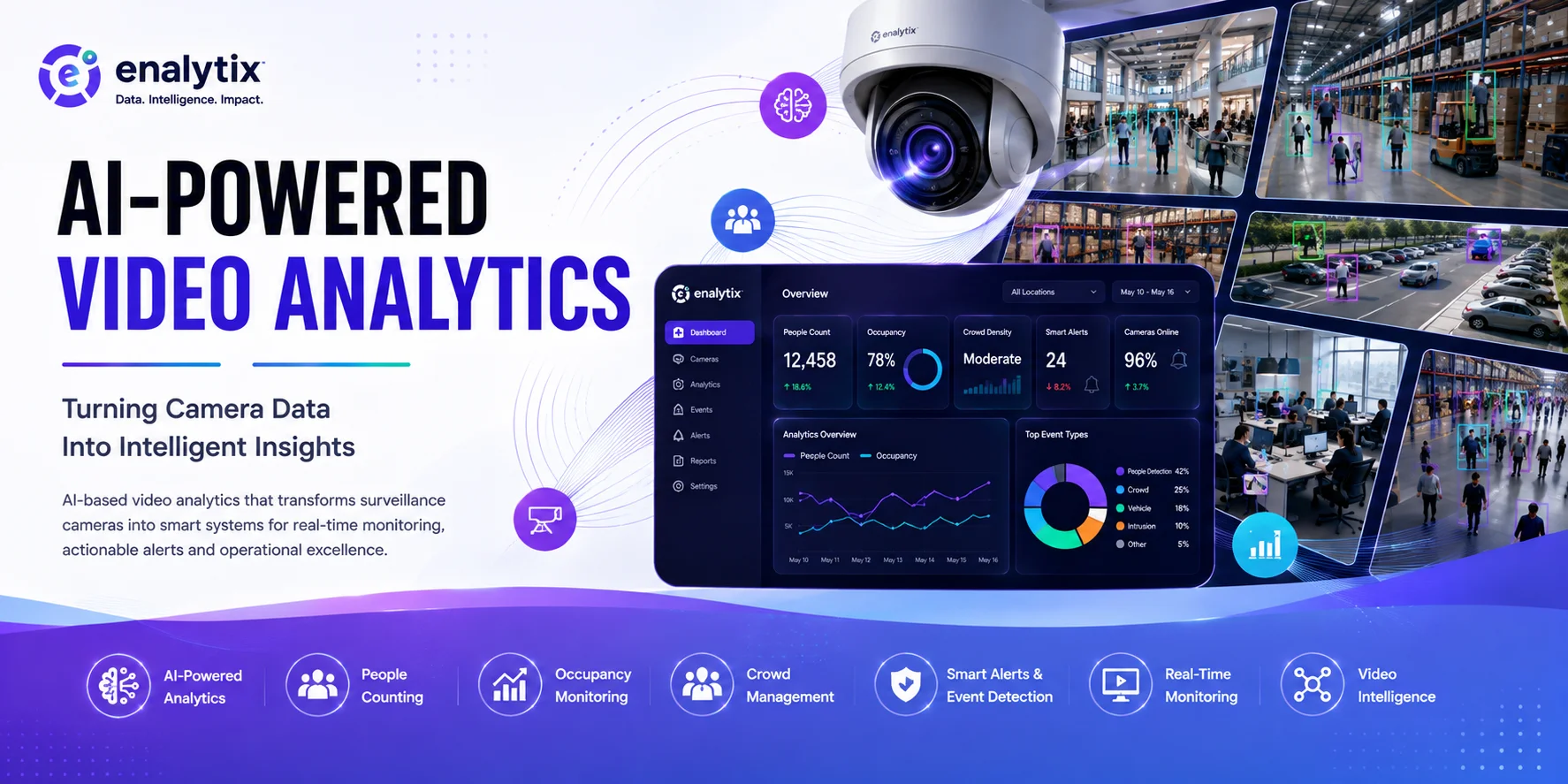
AI-based video analytics combines artificial intelligence, computer vision, and video processing to analyze camera feeds automatically. Instead of simply recording activity, the system can identify people, movement, occupancy, vehicles, unusual events, and other predefined activities in real time.
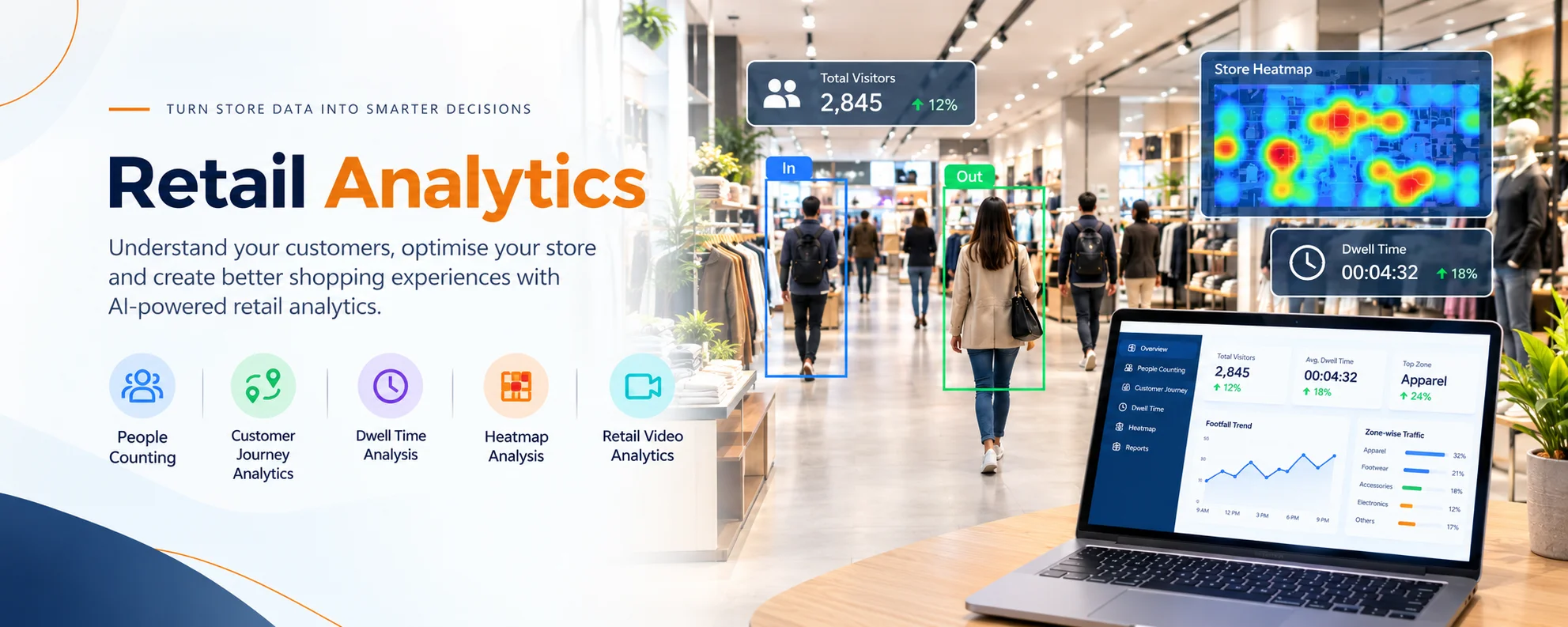
One of the most common applications is people counting. Businesses can understand how many people enter or leave a particular area and use this information for operational planning. Retail stores, for example, can use people counting to understand footfall and customer movement throughout the day.
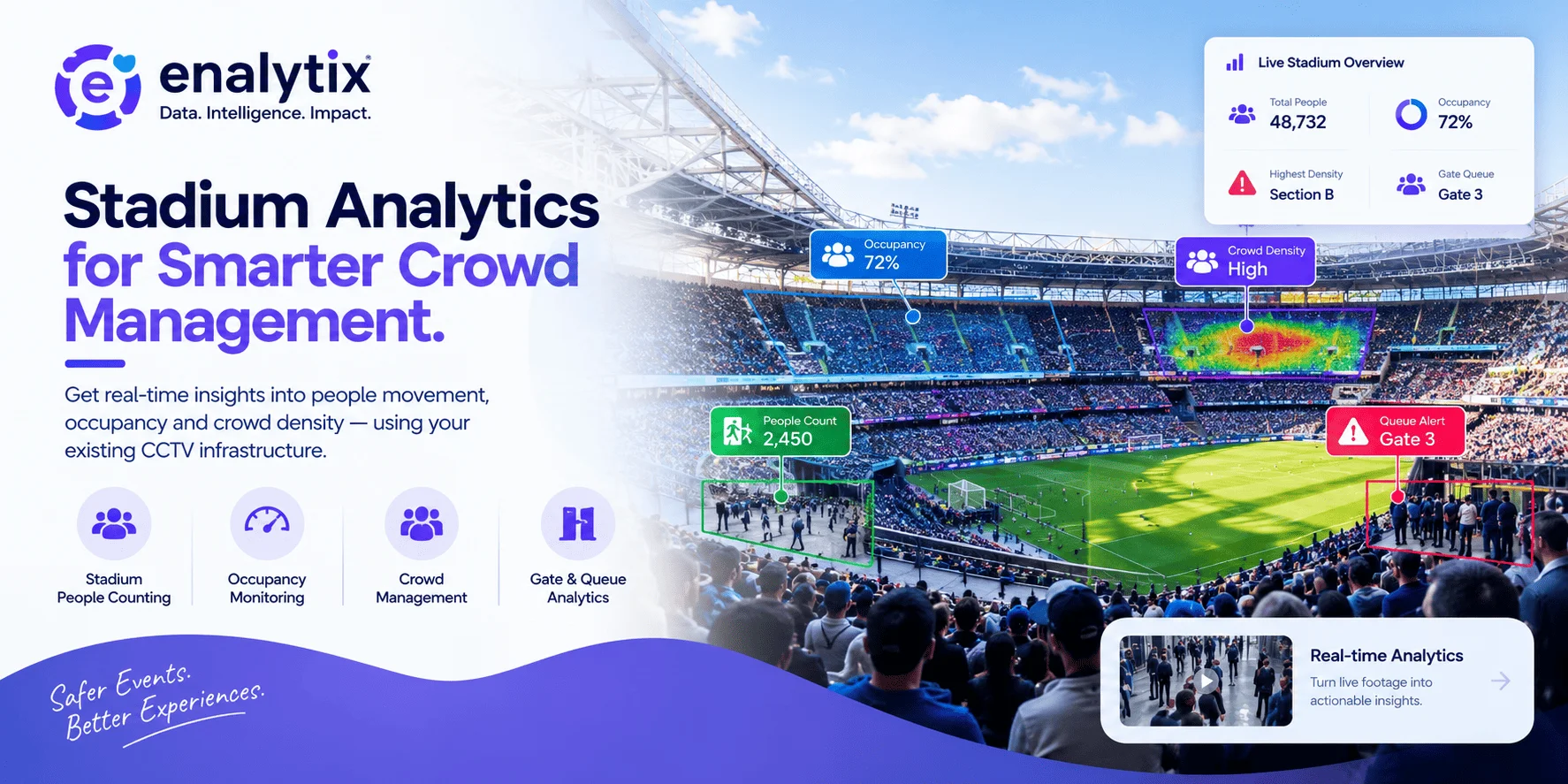
Another important application is occupancy monitoring. AI-powered systems can estimate how many people are present in a particular area and help organizations identify overcrowded or underutilized spaces. This can be useful in offices, malls, stadiums, educational campuses, and public venues.
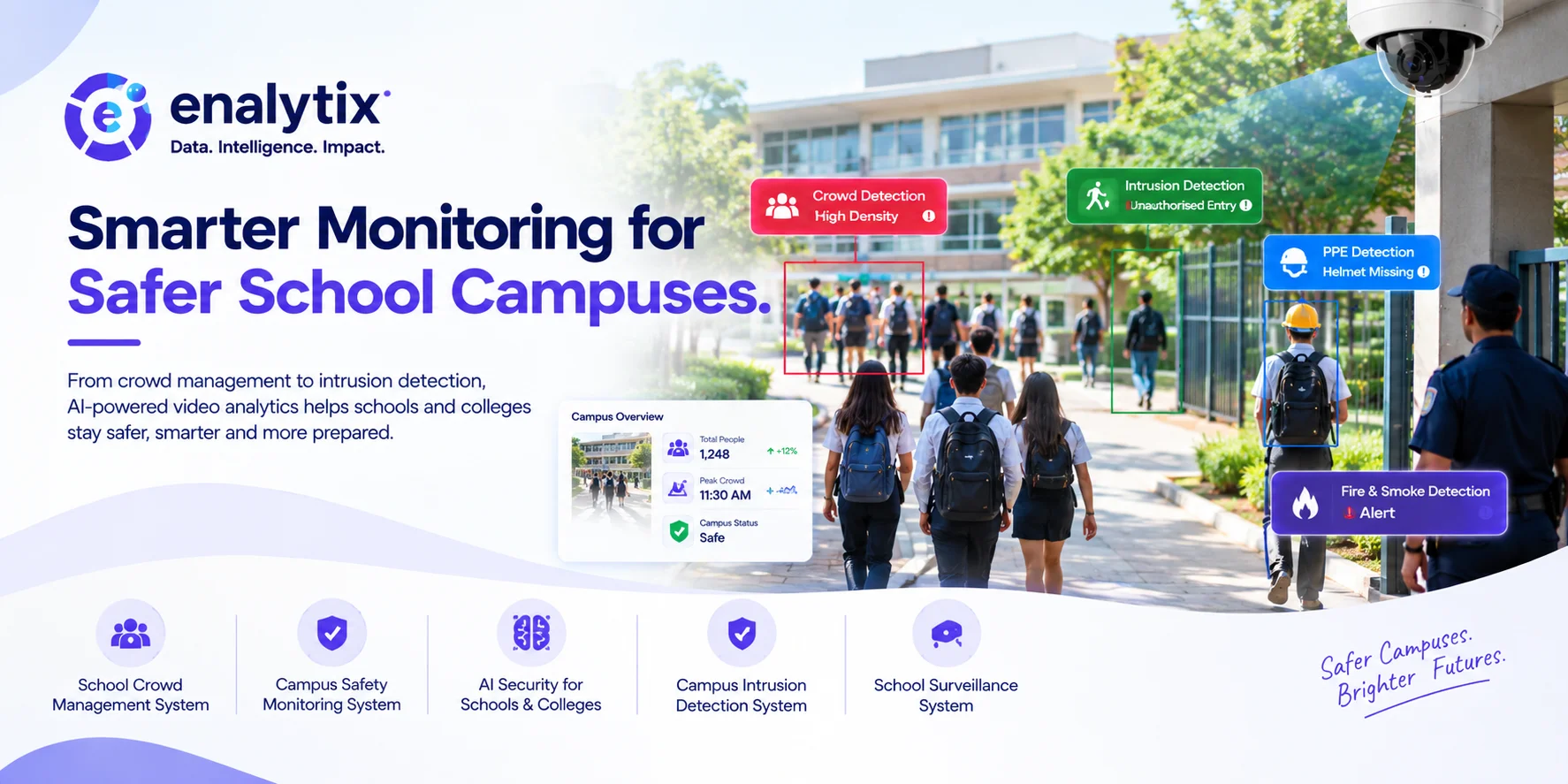
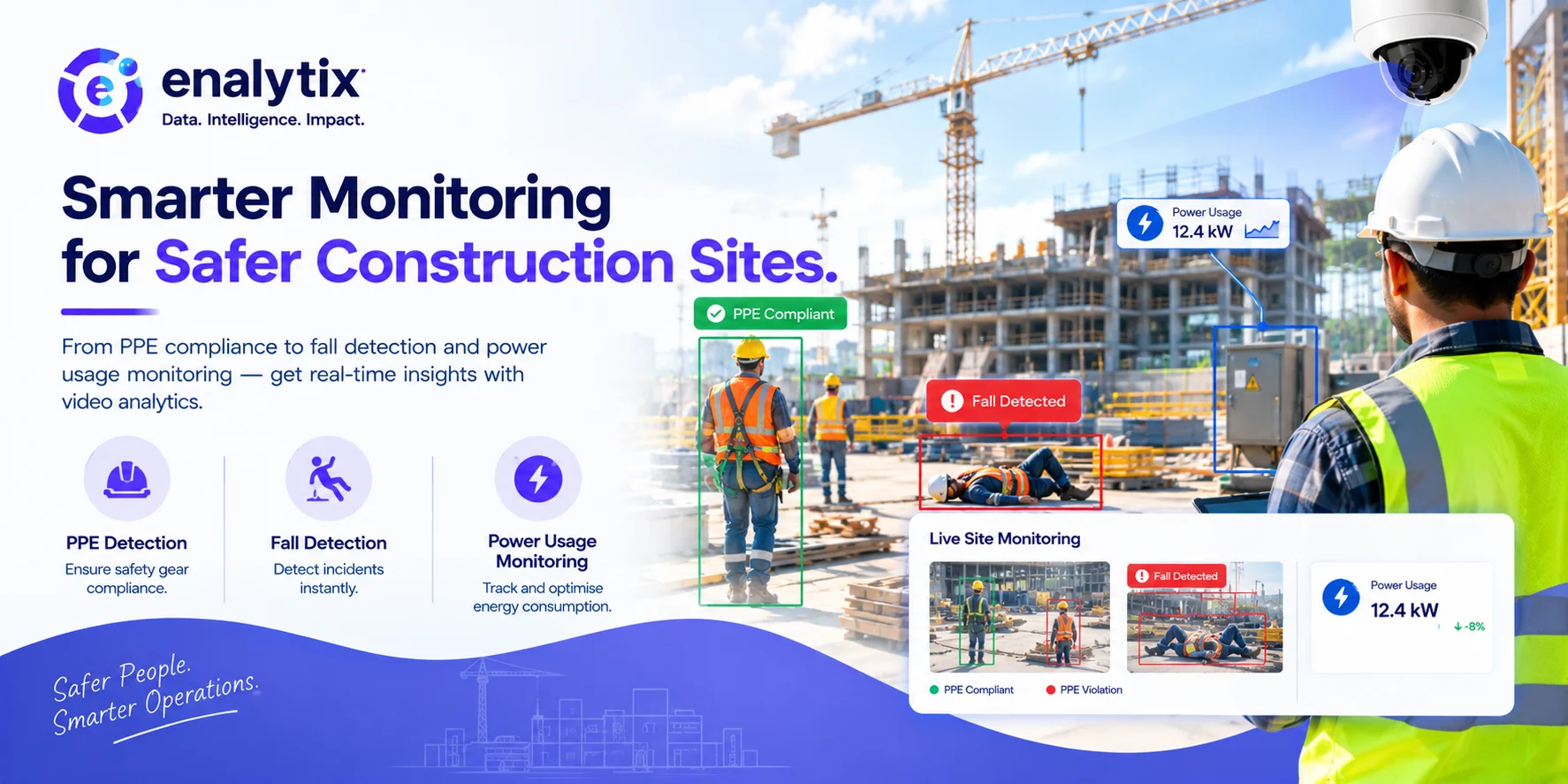
Smart video analytics can also support security and safety operations. AI can detect activities such as unauthorized entry, movement in restricted areas, unusual crowd buildup, or specific safety events. Instead of requiring security personnel to continuously watch multiple camera feeds, automated alerts can draw attention to events that may require action.
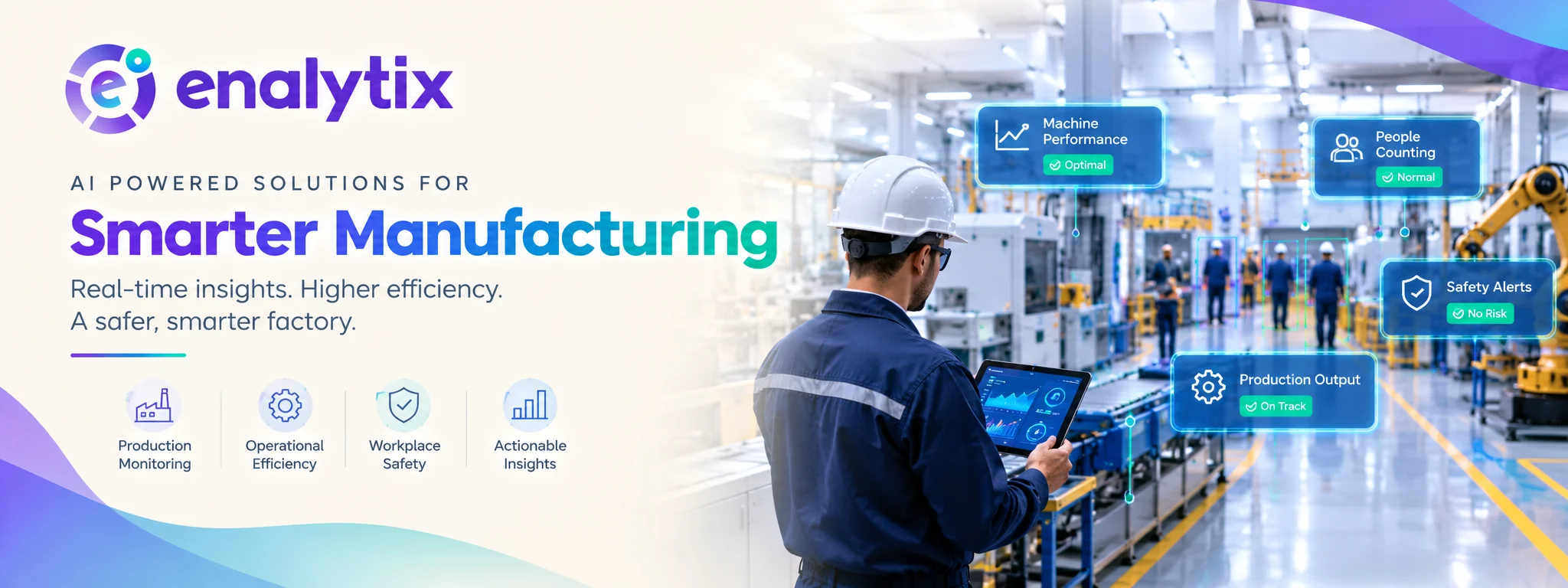
The technology also has applications beyond security. In manufacturing and warehouses, video analytics can provide insights into worker movement, vehicle activity, operational processes, and facility utilization. In retail environments, businesses can analyze customer journeys, dwell time, and store traffic patterns.
This is where modern video analytics software becomes particularly useful. A centralized platform can bring information from multiple cameras together and present it through dashboards, reports, and alerts. Decision-makers can then use visual data to identify operational patterns and make more informed decisions.
Organizations looking for a video intelligence solution can explore platforms such as Enalytix. The platform uses AI-powered video analytics and camera intelligence for applications including people counting, occupancy monitoring, crowd analytics, intrusion detection, safety monitoring, retail intelligence, and other operational use cases.
One of the biggest advantages of AI video analytics is that organizations can potentially gain more value from their existing camera infrastructure. Rather than replacing every camera, an intelligence layer can be added to analyze the video being generated by the existing system.
However, successful implementation depends on selecting the right use case, camera placement, analytics capabilities, privacy practices, and alert configuration. AI should complement human decision-making rather than simply replace it.
As businesses continue to adopt automation and data-driven operations, AI-powered video analytics is becoming an important technology for converting visual data into actionable insights.
The future of business surveillance is therefore not only about storing more footage. It is about understanding what is happening, identifying meaningful events, and giving teams the information they need to respond faster and operate more efficiently.