Sign up with Google
 Sign in with Zoho
Artificial Intelligence is transforming industries at an unprecedented pace. Organizations are using AI to automate workflows, improve customer experiences, strengthen decision-making, and accelerate innovation. However, as AI adoption grows, so do the challenges of managing it responsibly.
Many businesses can successfully build AI solutions, but far fewer have established a structured approach to Artificial Intelligence Governance. Questions such as Which AI systems are we using? Who owns them? What risks do they introduce? Are we prepared for the EU AI Act? have become increasingly important for organizations operating in today's AI-driven environment.
The introduction of the EU AI Act has shifted AI governance from a policy discussion to an operational business requirement. Organizations are expected to demonstrate accountability through AI risk management, governance workflows, technical documentation, transparency, human oversight, and continuous monitoring. Companies that treat governance as a one-time documentation exercise often struggle to keep pace with evolving regulatory expectations.
Why Artificial Intelligence Governance Matters
AI governance is no longer just about regulatory compliance. It helps organizations build trustworthy AI systems while reducing operational risks and improving collaboration across engineering, product, legal, security, and compliance teams.
Effective governance enables organizations to:
- Improve visibility into AI systems
- Support AI risk management
- Maintain governance documentation
- Strengthen audit readiness
- Build customer and stakeholder trust
- Prepare for regulations such as the EU AI Act
As enterprise procurement teams increasingly evaluate AI governance during vendor assessments, organizations with mature governance processes gain a competitive advantage. Buyers now expect evidence that AI systems are governed responsibly, monitored continuously, and supported by structured operational processes.
Moving Beyond Policies
Creating governance policies is only the first step.
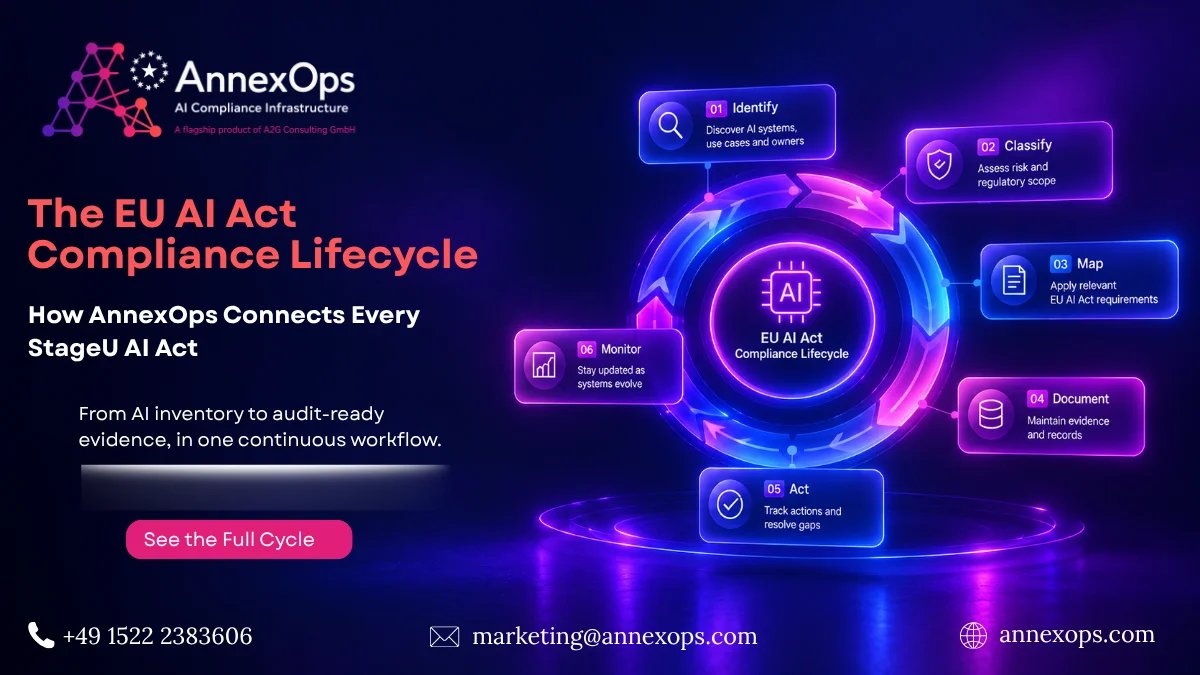
Operational governance requires organizations to integrate governance activities into the AI lifecycle. This includes maintaining AI inventories, performing ongoing risk assessments, managing technical documentation, supporting human oversight, and monitoring AI systems after deployment.
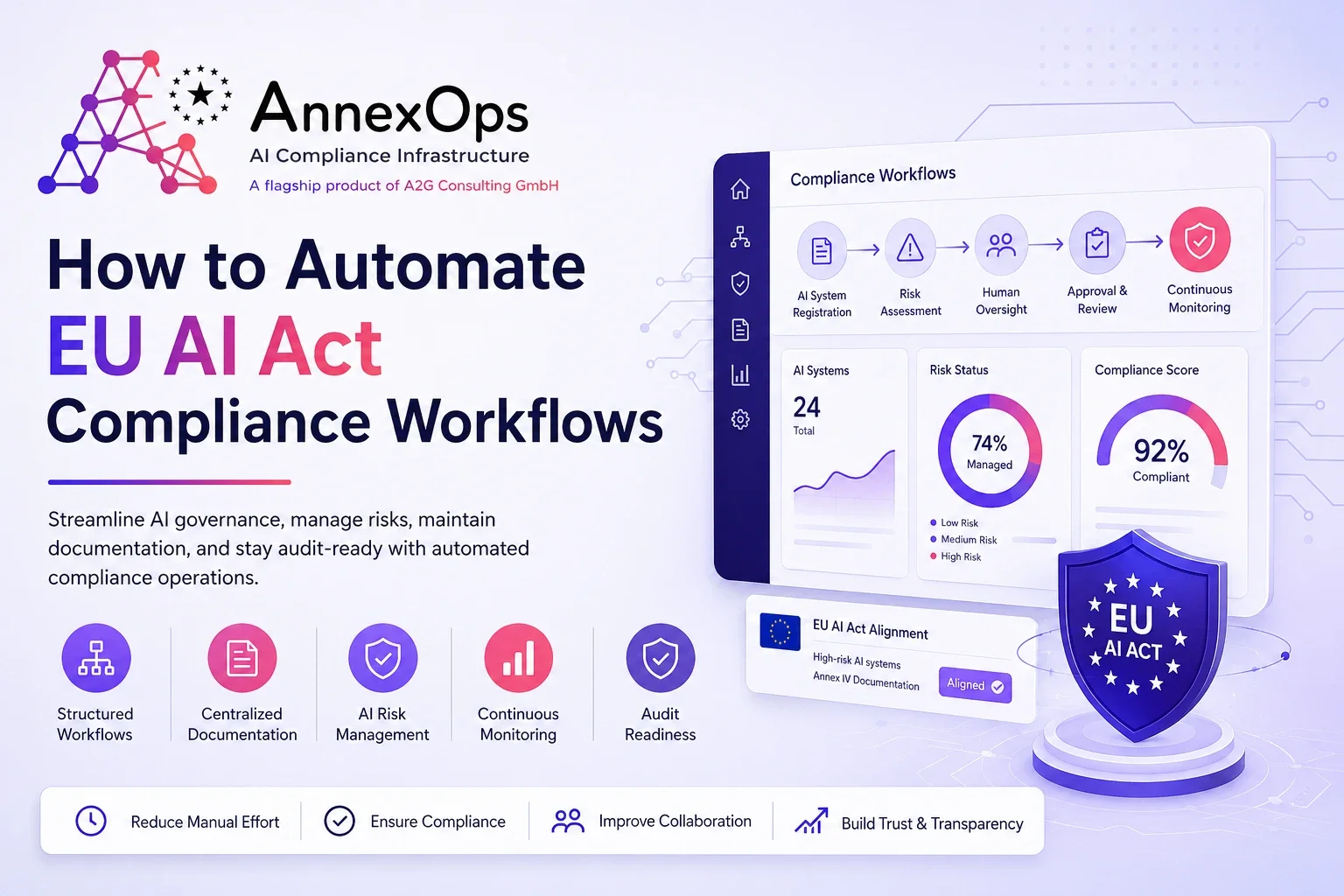
Rather than relying on disconnected spreadsheets and manual documentation, businesses are increasingly adopting centralized governance platforms that simplify compliance and improve operational efficiency.
How AnnexOps Helps
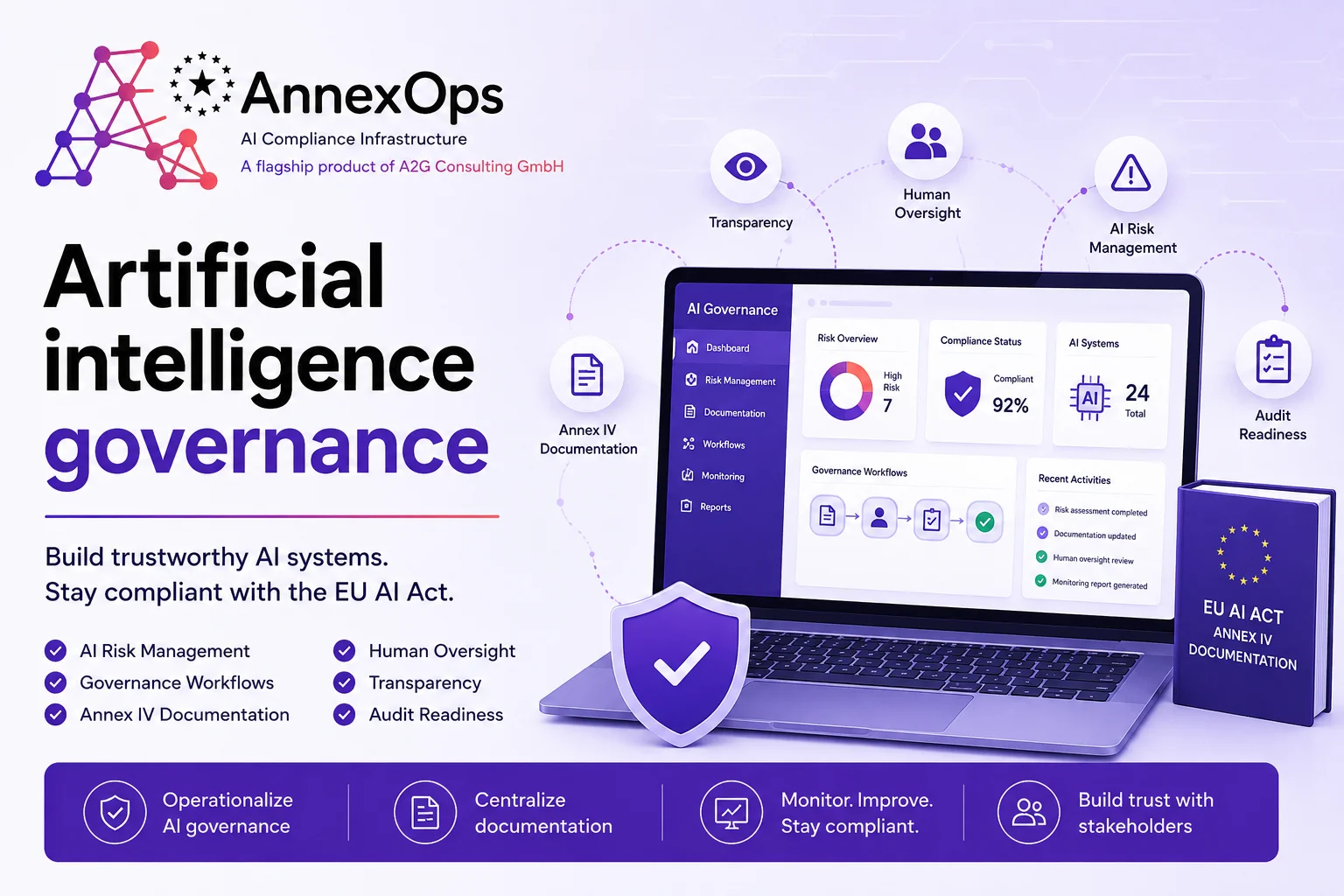
AnnexOps is an AI governance and compliance platform designed to help organizations operationalize Artificial Intelligence Governance while preparing for the EU AI Act.
The platform enables organizations to:
- Discover AI systems
- Classify AI risks
- Manage governance workflows
- Maintain Annex IV documentation
- Support AI risk management
- Improve audit readiness
- Generate compliance evidence
- Continuously monitor AI systems
By centralizing governance activities, organizations can reduce manual effort while strengthening compliance and building greater confidence in their AI operations.
Final Thoughts
As AI continues to reshape business operations, governance is becoming just as important as innovation. Organizations that operationalize Artificial Intelligence Governance today will be better prepared for regulatory requirements, enterprise procurement expectations, and long-term AI adoption.
Building AI is important.
Building trustworthy AI is what creates sustainable business success.
Learn more about artificial intelligence governance:
👉 https://annexops.com/artificial-intelligence-governance/
📞 +49 1522 2383606