Sign up with Google
 Sign in with Zoho


If your company builds or uses AI in Europe, one date just became very important to get right: December 2, 2027.
The EU AI Act's Annex III deadline, covering standalone high-risk AI systems like hiring tools, credit scoring models, and biometric identification, was originally set for August 2, 2026. That date has now moved to December 2, 2027, a 16-month extension confirmed under Regulation (EU) 2026/1744, the Digital Omnibus on AI.
For businesses searching forEU AI Act Compliance software or trying to figure out how to prepare for this shift, here is what actually changed, and what didn't.
What Moved, and What Didn't
Two deadlines shifted under this amendment:
- Annex III (standalone high-risk AI systems, like recruitment tools, credit scoring, and biometric ID): now December 2, 2027
- Annex I (AI embedded in already-regulated products, like medical devices): now August 2, 2028
Getting here wasn't quick. The European Commission first proposed the Digital Omnibus package in late 2025, the European Parliament and Council gave final approval by mid-2026, and the regulation entered into force on July 27, 2026, just days before the original deadline would have hit. Businesses had to keep preparing against the original August 2026 date right up until the final weeks, which created real uncertainty for compliance and legal teams trying to plan around a moving target.
What did not move is just as important. Article 50, the Act's transparency chapter, has applied since August 2, 2026, unchanged. If your AI system talks to users, generates synthetic content, or uses emotion recognition, disclosure obligations are already active today, deadline extension or not. The Act's core risk classification structure, conformity assessment regime, and enforcement powers are also unaffected by this delay, only the Annex III and Annex I timelines shifted.
Why the Deadline Was Pushed Back
The delay came down to a practical problem: the harmonised technical standards businesses need to actually implement Annex III requirements weren't finished in time. Rather than force companies to build compliance programs against incomplete guidance, regulators extended the runway while keeping the underlying obligations unchanged. Alongside the extension, the Digital Omnibus also introduced size-based relief, giving lighter documentation requirements to SMEs under 250 employees and €50 million turnover, and a narrower relief band for small mid-caps under 750 employees and €150 million turnover. Large enterprises received no such relief and are expected to meet the full requirements.
Why This Matters for AI Businesses
Many companies mistakenly treat this extension as a reason to pause AI governance work entirely. That's a costly assumption. Building a proper AI inventory, classifying systems correctly, and preparing documentation takes real time, especially for businesses with AI tools spread across HR, marketing, product, and operations, often adopted independently without central oversight. A hiring team experimenting with an AI resume screener, or a finance team using a third-party fraud-scoring API, are both realistic examples of AI exposure that can go unnoticed until a formal review happens.
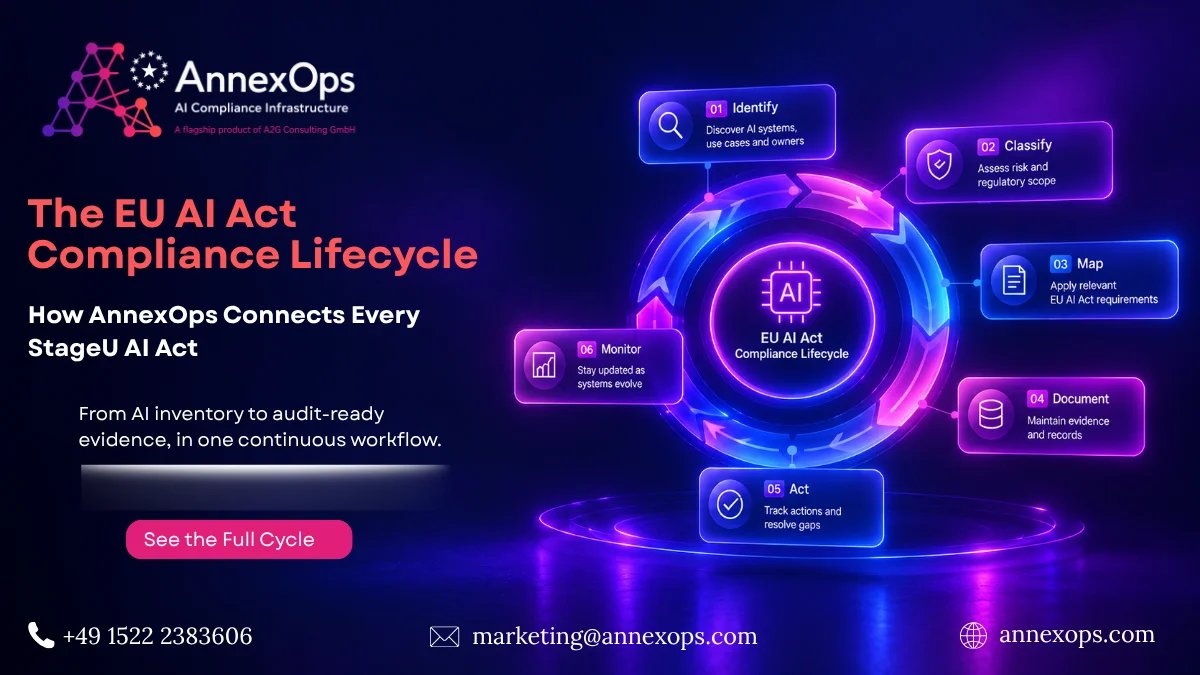
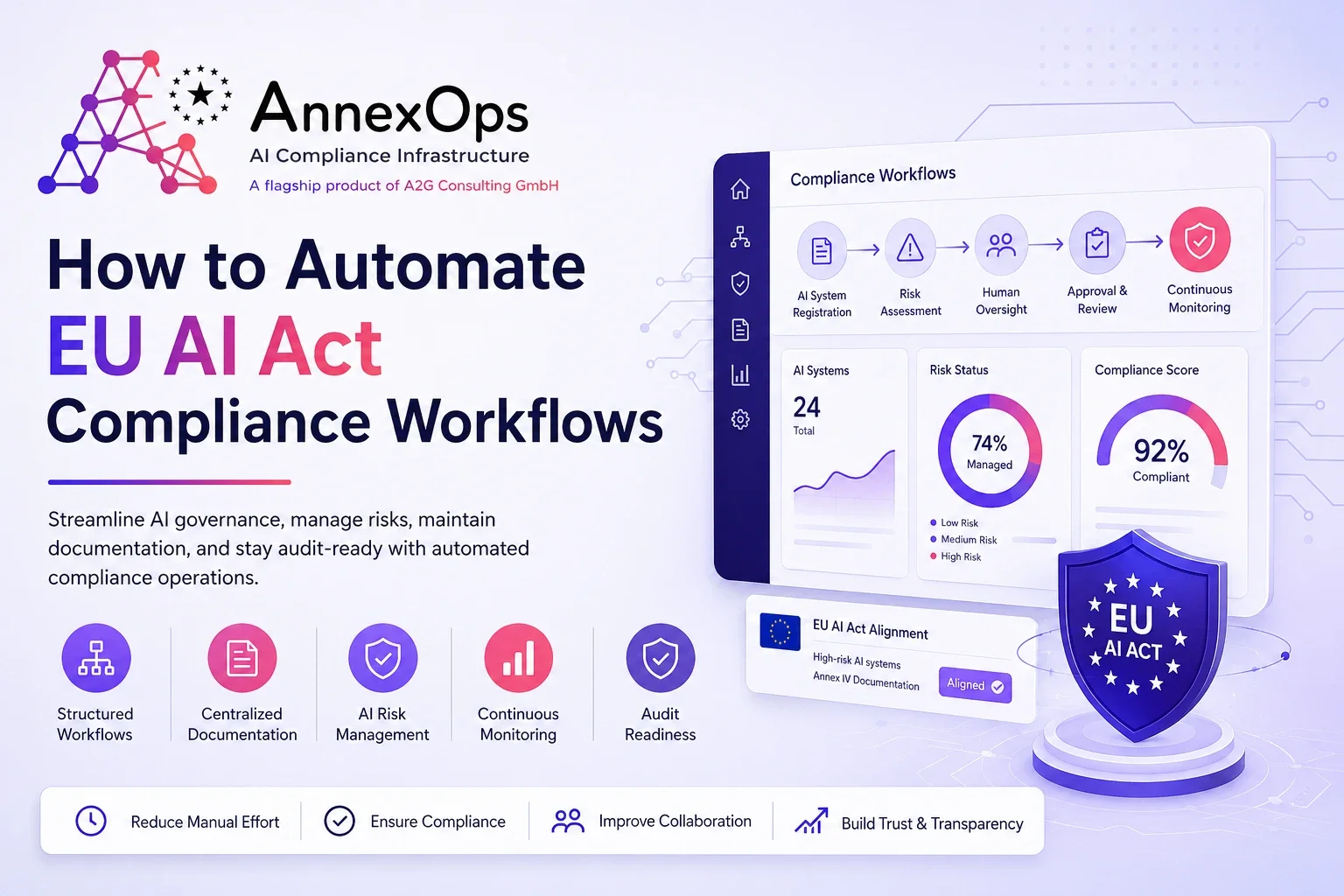
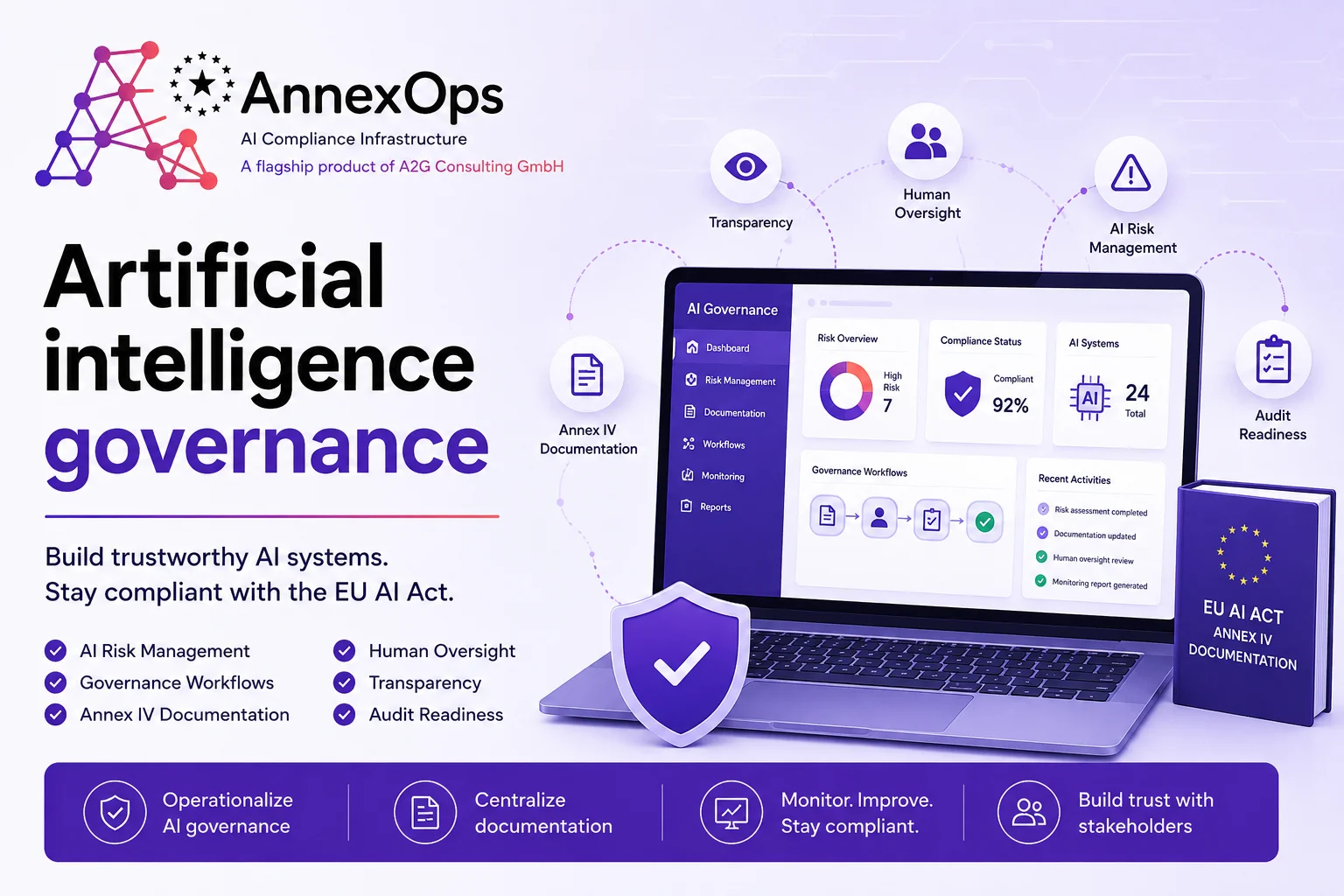
This is exactly the gap that platforms like AnnexOps, an EU AI Act and GDPR compliance software platform, are built to close. Rather than manually tracking obligations across spreadsheets, AnnexOps helps businesses run automated risk classification against Annex III categories, generate required technical documentation, and maintain an audit-ready evidence trail, connected directly into development workflows through GitHub, GitLab, SageMaker, and HuggingFace. This turns compliance into something that happens continuously as AI systems are built and updated, rather than a scramble before a deadline.
Penalties Remain Steep
The extended timeline did not soften the Act's penalty structure. Non-compliance can still result in fines up to €35 million or 7% of global annual turnover, whichever is higher. For businesses treating December 2027 as a distant date rather than a firm deadline, the financial exposure only grows the longer proper systems stay unbuilt. Authorities are also expected to weigh the nature, gravity, and duration of any infringement, so a business that has genuinely started preparing is in a materially different position than one that hasn't, even before a deadline arrives.
What Businesses Should Do Now
A practical starting point for AI companies preparing for this deadline:
- Build a complete AI system inventory across every department, not just the systems IT formally approved
- Classify each system against Annex III's high-risk categories, and confirm whether the business is acting as a provider, a deployer, or both
- Run a gap analysis against current documentation and oversight practices
- Start building compliance infrastructure now, rather than compressing the work into late 2027
This mirrors what many businesses experienced during the early GDPR rollout: the organizations that started early ended up with far more manageable, defensible compliance programs than those that waited until the final months.
Businesses searching for an AI Compliance Platform to manage this process, rather than tracking it manually, can find a structured approach through tools like AnnexOps, which is built specifically around the EU AI Act and GDPR compliance lifecycle for AI companies operating in Europe.
Read the Full Breakdown
For the complete timeline, provider vs deployer obligations, and a detailed look at what changed under the Digital Omnibus, see the full guide: EU AI Act Annex III Deadline 2027: Complete Guide