Sign up with Google
 Sign in with Zoho

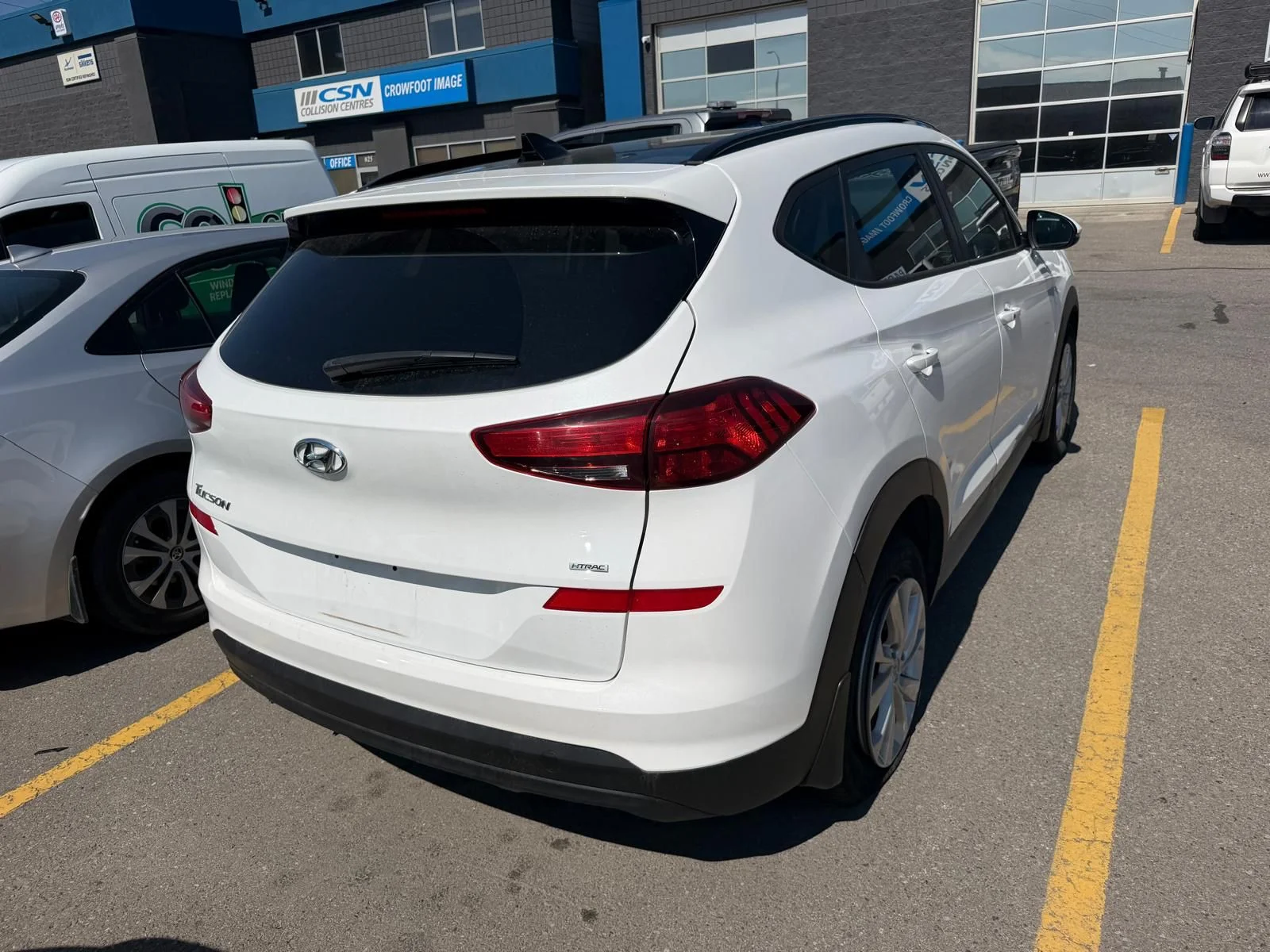
You drove it here. Two thousand kilometres from Ontario, or up from the coast, or across from the Maritimes, with the back seat full and a job starting Monday. You found a place, got an Alberta licence, booked the out-of-province inspection because the registry told you to — and now you're holding a sheet of paper with items listed on it and a total at the bottom that's more than you paid for the car.
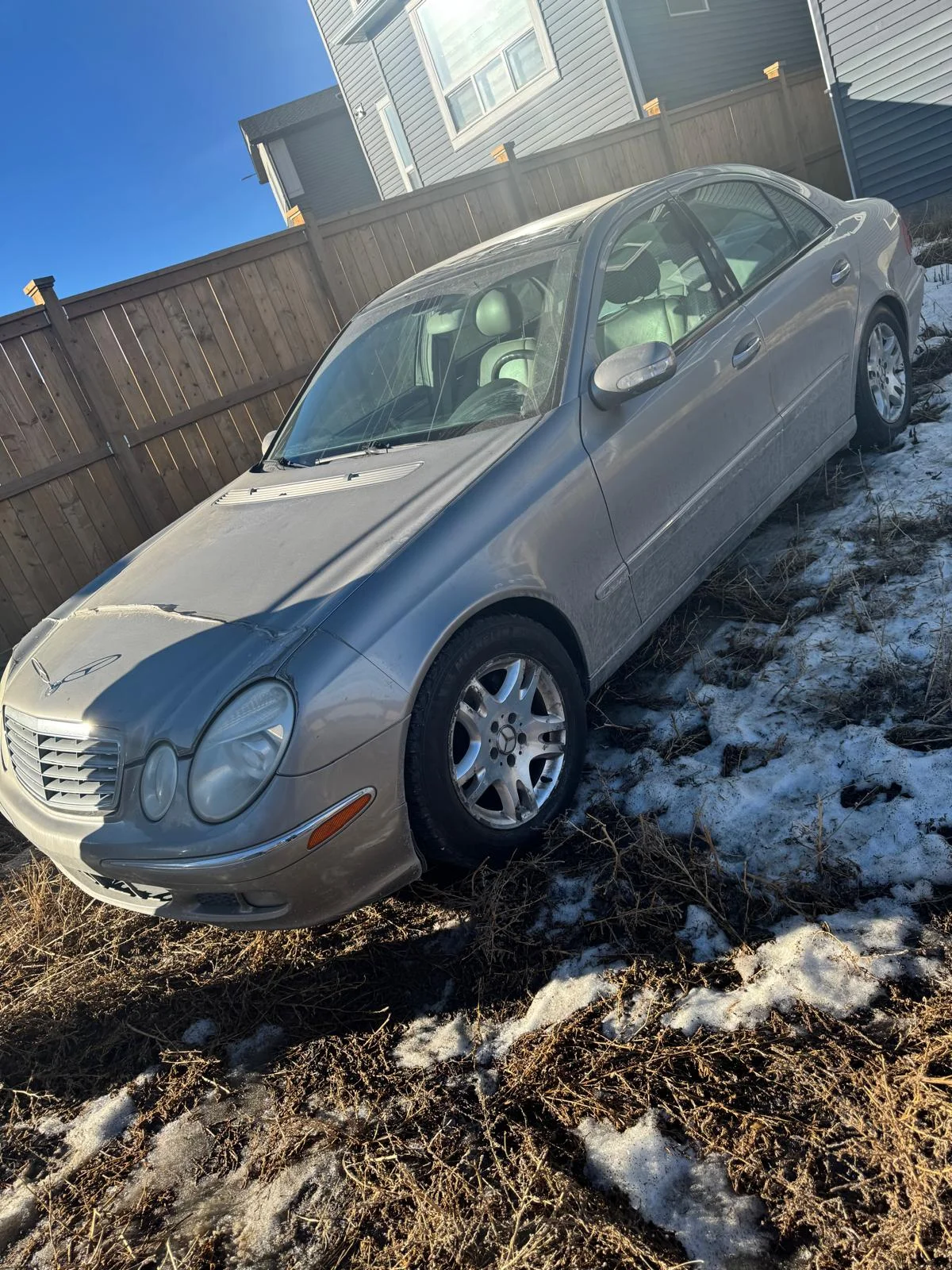
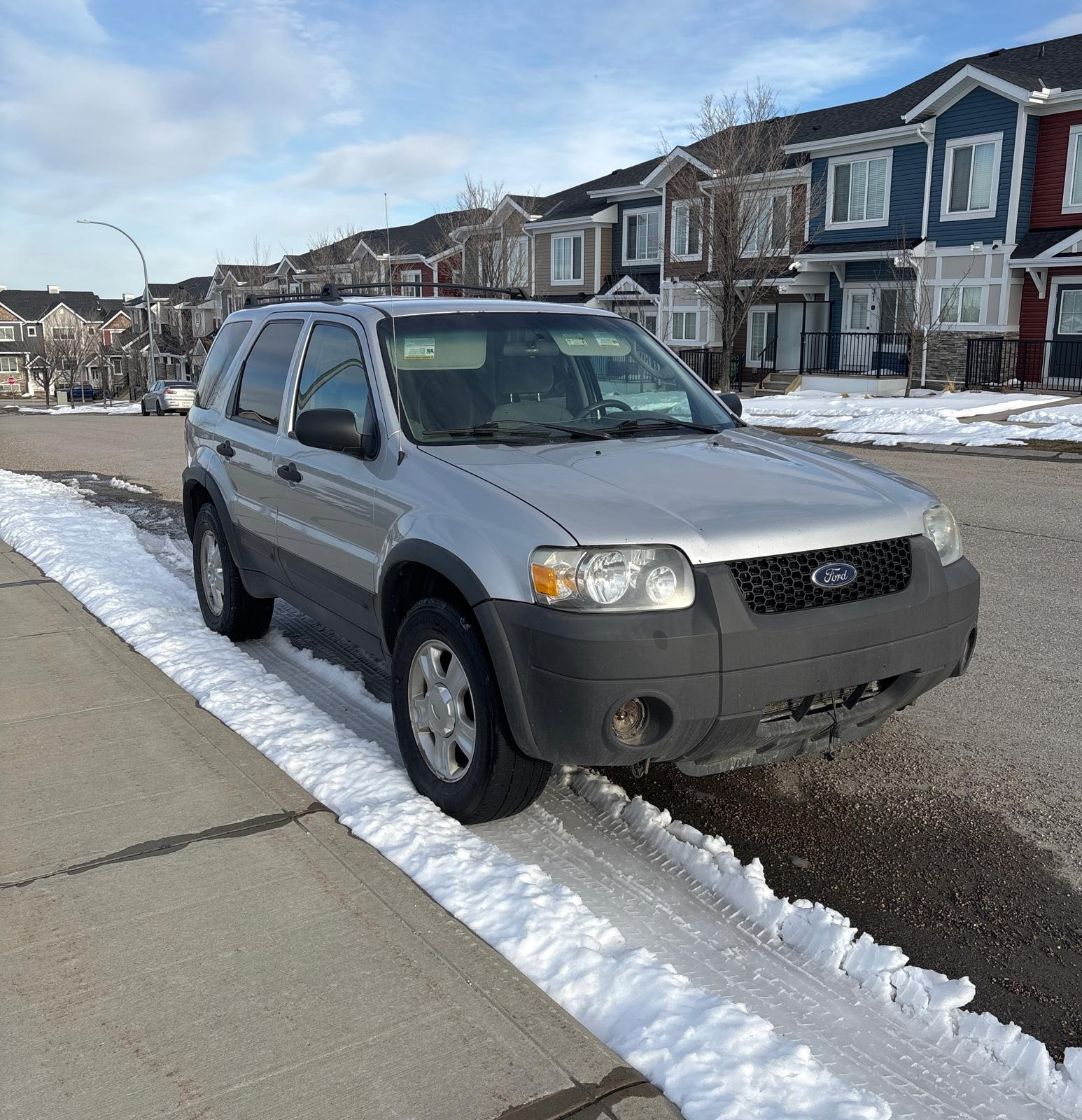
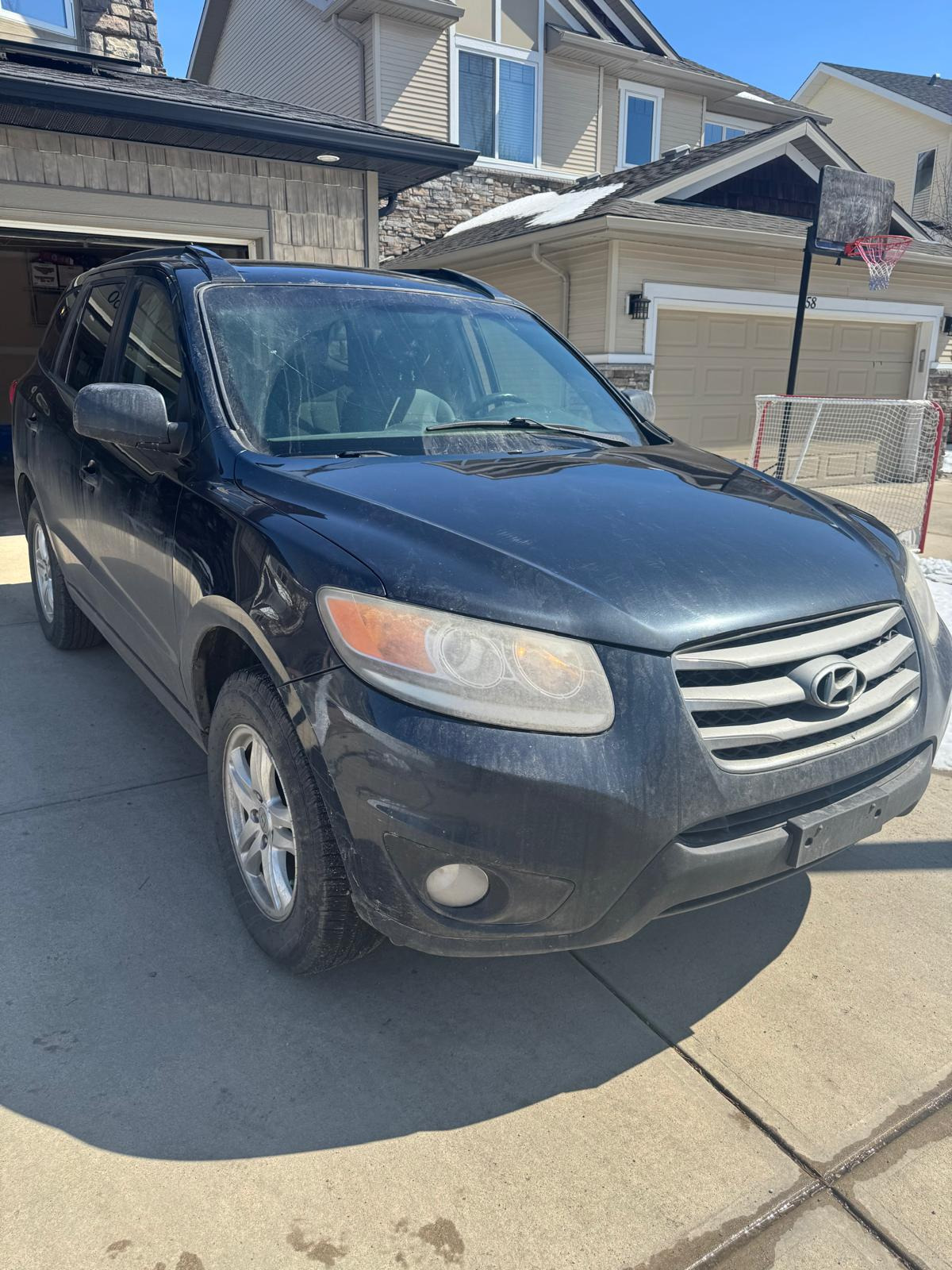
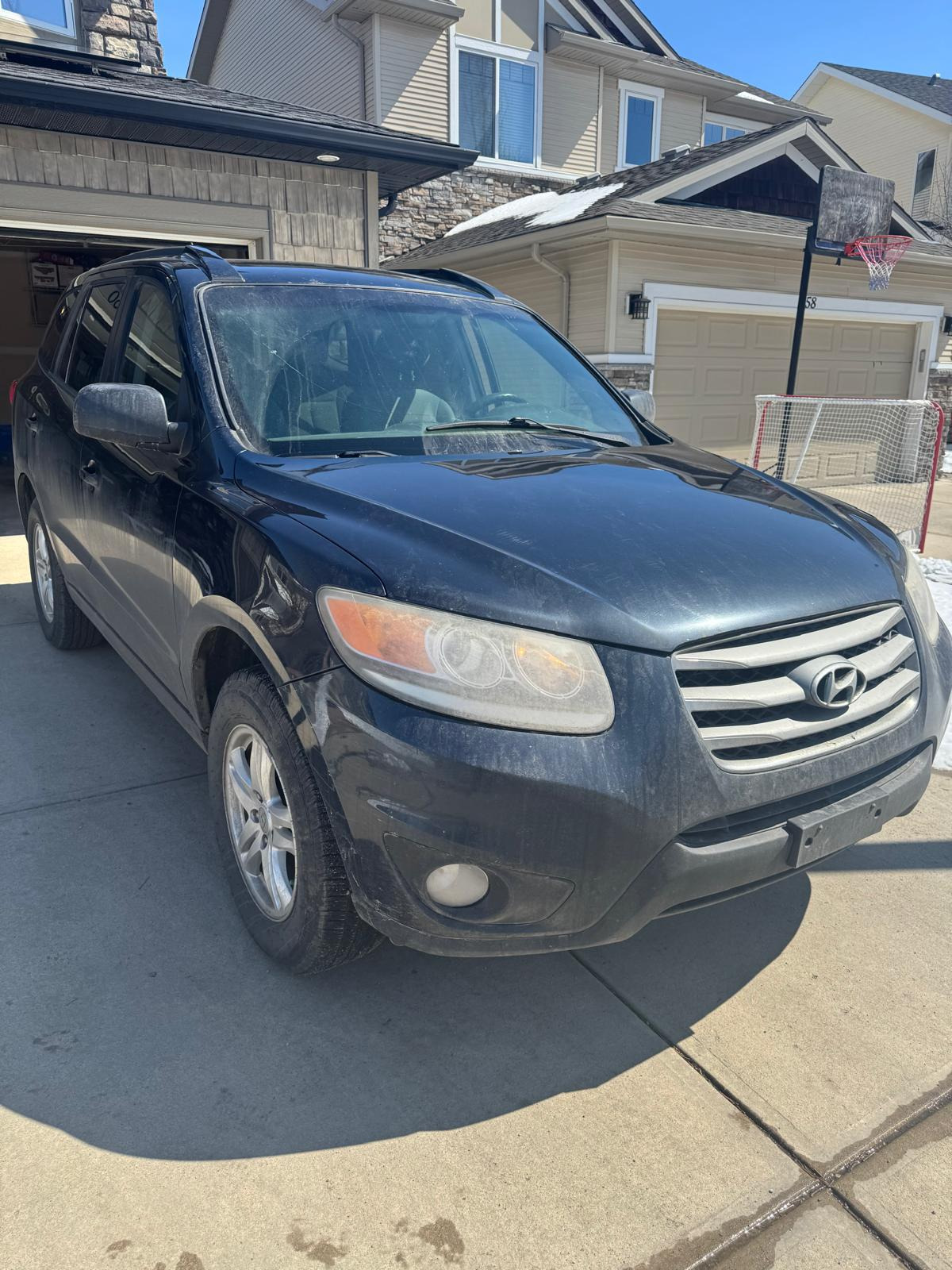
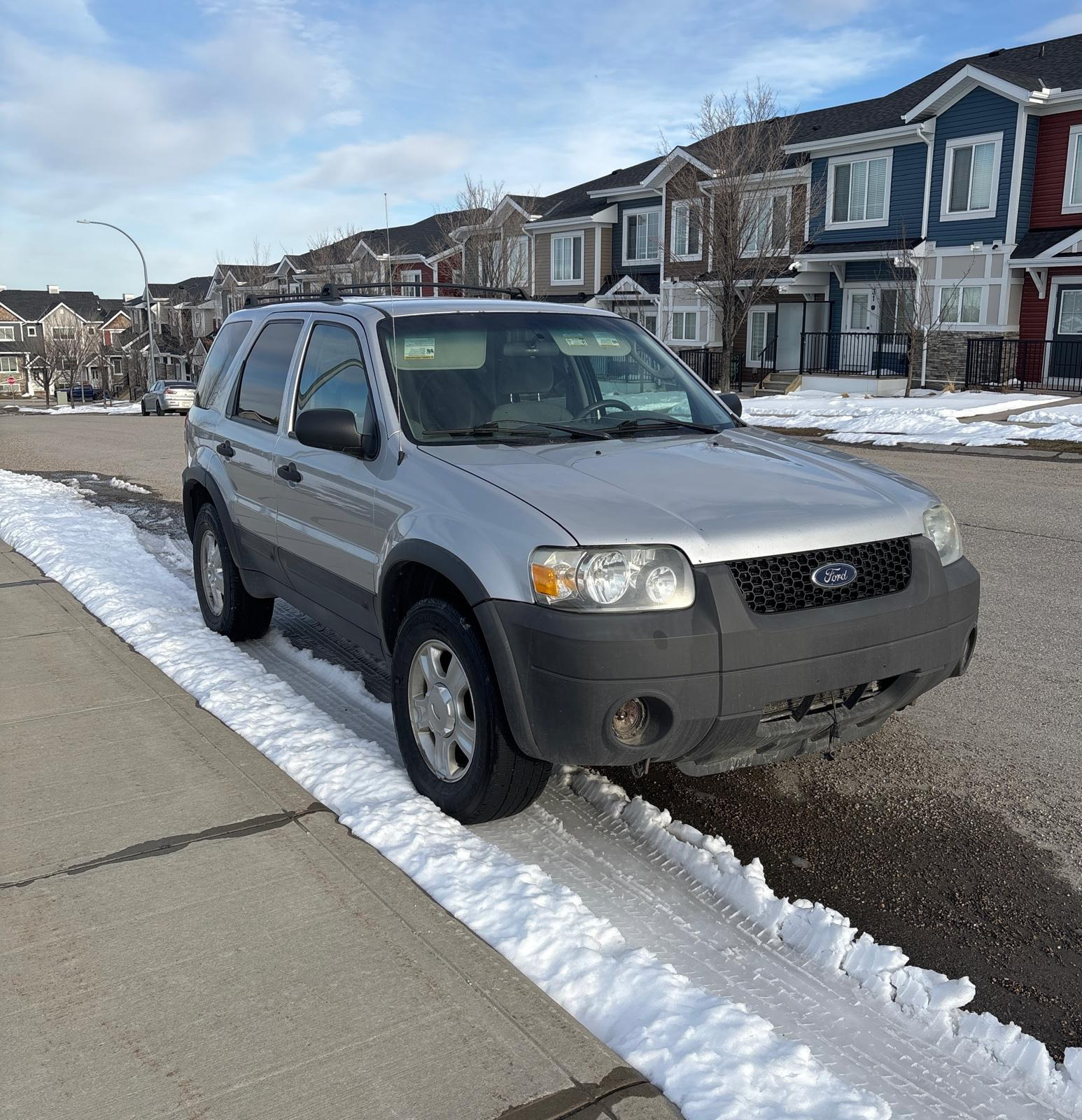
The vehicle is sitting in the driveway. It runs fine. It got you across the country without complaint. And it cannot be registered in Alberta.
Before you book the repairs, there's a piece of arithmetic worth doing, because a lot of people get this wrong in an expensive direction.
Why it failed, and why it probably wasn't bad luck
If you moved here from Ontario, Quebec, New Brunswick, Nova Scotia or southern Manitoba, there's a strong chance the failure came down to rust — and that's not random.
Those provinces run aggressive road salt programs. Southern Alberta uses far more sand and gravel and comparatively less salt, because it's drier and the treatment strategy is different. A ten-year-old vehicle from the salt belt has undercarriage corrosion that a ten-year-old Alberta vehicle usually doesn't.
Alberta's out-of-province inspection looks at structural condition, brake lines and fuel lines, suspension mounting points, and body integrity — precisely the areas salt attacks. So a vehicle that passed its safety checks back home, or never needed one, can fail here on corrosion that developed over a decade in a different climate.
The failure profile shifts by origin. From coastal BC it's more often brakes and suspension wear from mountain driving. From Saskatchewan, vehicles tend to fare better because the climate is closer to ours. From Ontario east, it's rust.
None of that means you were treated unfairly. It means the standard you're being measured against is different from the one your vehicle lived under.
Read the sheet properly — there are three kinds of failure
Don't look at the total. Look at the items, and sort them.
Cheap, and you should just fix them. Burnt-out bulbs, wiper blades, a mirror, a horn, an exhaust clamp, a seatbelt that doesn't retract. Individually minor. If your sheet is only this category, fix it, re-inspect, and get on with your life.
Moderate, and worth a quote. Brake pads and rotors, tie rods, ball joints, a section of exhaust, tires below tread depth, a windshield with a crack in the driver's sightline. Real money but finite, and these are normal wear items that any vehicle eventually needs.
Expensive, and this is where the decision lives. Structural corrosion — frame rails, subframe, rocker panels, suspension mounting points. Brake line replacement on a salt-belt vehicle, which frequently isn't one line but the whole run. Fuel line corrosion. Any note referencing perforation or metal loss at a structural point.
That third category is not a repair in the ordinary sense. It's cut-and-weld fabrication, and the labour on it will often exceed what the vehicle is worth in the Alberta market.
The trap: you already got it here
This is the part I'd most like you to sit with, because it costs people thousands.
You paid to bring this vehicle across the country. Fuel, motels, maybe a shipping quote. That money is spent. It is gone regardless of what you decide next, and it tells you nothing about whether the repair is worth doing.
But it feels like it does. "I already got it here" turns into "so I might as well fix it," and people spend three thousand dollars on a vehicle that would sell for twenty-five hundred running. The move doesn't add value to the car. It only adds to your attachment to the decision.
Judge the repair against what the vehicle is worth here, now, in Alberta. Nothing else.
The thing nobody warns you about: you can't easily sell it privately
Here's the piece that surprises almost everyone, and it's the most important thing in this article.
A vehicle that has failed out-of-province inspection is very difficult to sell privately in Alberta — because any Alberta buyer inherits your exact problem. They can't register it either. They'd have to fund the same repairs and the same re-inspection you're staring at.
So the private market for your car collapses. Not because the car is bad, but because the paperwork makes it unusable to the people who'd otherwise want it. List it and you'll get either silence or offers that reflect the buyer needing to absorb the same repair bill.
That's why the real options narrow to: fix it and register it, or sell it to a buyer who doesn't need it registered at all.
Running the actual numbers
Add up the repair quote, plus the re-inspection fee, plus anything on the sheet you're tempted to defer. Then look up what your year, make and model actually sells for in Alberta right now — not what it was worth back home, and not what you paid.
If the repair total is approaching the vehicle's Alberta value, you're funding a car you'd never buy at that price. If it's clearly under, fix it — you'll have a registered vehicle you already know the history of, which has genuine value.
Two things override the math entirely. Structural corrosion at frame or suspension mounting points is a safety answer, not a financial one. And if the inspector has flagged brake or fuel line failure, that's the same category.
Coming from the United States? Different process
Worth separating, because people conflate the two and the Coutts crossing is an hour south of here.
A vehicle imported from the US goes through the federal Registrar of Imported Vehicles process, which is about admissibility and federal compliance — recall clearance, safety standards, sometimes modifications. That's separate from Alberta's provincial out-of-province inspection, and a vehicle can clear one and fail the other.
Also: your American title has no Alberta equivalent. Alberta issues no vehicle title — ownership here rests on a registration certificate and a bill of sale. If you came from Ontario your document is a vehicle permit; from BC it's ICBC registration paperwork. Bring whatever you have to the registry and let them tell you what's missing rather than guessing.
What to do this week
Get the itemized sheet if you only got a verbal summary — you're entitled to the list. Sort the items into the three categories above. Get an independent quote from a Lethbridge shop rather than only the inspecting facility, since inspection and repair are separate services. Ask about the re-inspection window and fee at the facility that failed you, because some allow a reduced-cost re-check within a set period.
Then decide, using the Alberta value and nothing else.
If the answer is that it isn't worth it
A vehicle that can't be registered still has real value — in weight, in the catalytic converter, and in the mechanical parts that aren't corroded, which after a cross-country drive is usually most of the driveline. That value is unaffected by the inspection result, because a buyer who dismantles or scraps a vehicle doesn't need it to pass anything.
Yyccash for cars buys vehicles that have failed out-of-province inspection across Lethbridge and southern Alberta, including Coaldale, Coalhurst, Taber, Picture Butte, Raymond, Magrath and Fort Macleod. It doesn't need to be registered, insured or driveable. Towing is free, you're paid before it leaves your property, and the paperwork is handled on site.
Call (587) 700-9806 with the year, make and what's on your failure sheet. If the fix is cheap enough that you should just do it, we'll tell you that instead.