Sign up with Google
 Sign in with Zoho

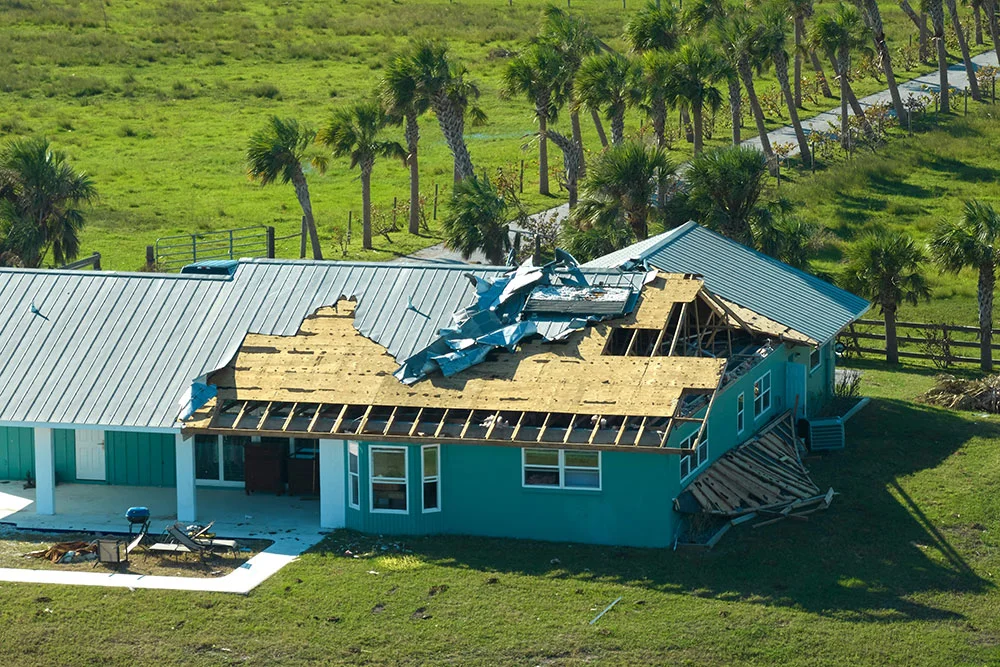
Every year the pattern repeats along the Gold Coast. The skies stay warm and calm for months and then the wet season arrives with short violent bursts of wind hail and rain that can find every weak point in a building within minutes. For commercial property owners the difference between a quiet season and a costly one usually comes down to what was checked and fixed before the first big storm rather than what gets patched up after it.
Preparing a commercial building for storms is not something to tick off once a year and forget about. It works better as an ongoing habit built around knowing exactly where a property is vulnerable and acting on that knowledge early.
Why the Wet Season Catches So Many Owners Off Guard
The Gold Coast sits in a part of the country where storm cells build quickly and can bring hail, heavy rain and wind gusts strong enough to lift loose roofing or snap poorly secured signage. Unlike a slow moving weather front that gives a business days to prepare, these storms often arrive with only a short warning. A property that has gone unchecked for a year can carry small issues such as a lifted flashing here or a blocked downpipe there. These are exactly the small issues that turn into serious damage the moment a storm puts real pressure on them.
Coastal salt air adds another layer to the problem. Metal fixings, guttering and structural connections corrode faster near the coast than they would further inland, so fittings that look sound from ground level can already be weaker than they appear.
The Parts of a Building That Fail First
Storm damage to a commercial property rarely starts in the middle of a wall or the centre of a roof. It starts at the edges and the joins. Roof flashing, ridge capping and parapet junctions usually give way first because they sit where two materials meet and where water finds its path once a seal has degraded. Guttering and downpipes are next in line, particularly where leaf litter or debris has already reduced their capacity long before a storm arrives.
External signage, awnings and any fixtures added after the original build are also common failure points. These are often installed by a different trade to the one who built the property and are not always fitted with the same allowance for wind load as the main structure.
What a Seasonal Check Should Actually Cover
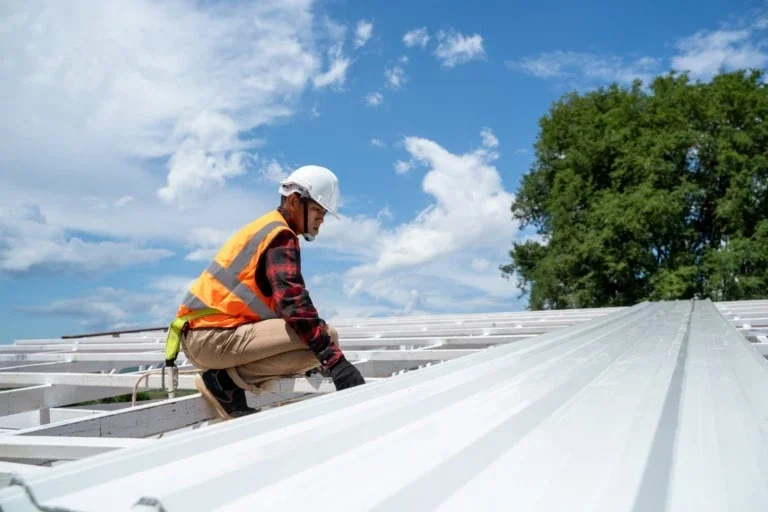
A proper check ahead of the wet season goes beyond a quick look from the car park. It should include a physical inspection of roof sheeting and fixings, the condition of flashings and seals, the clearance of guttering and downpipes and the state of any external structures such as awnings, signage or fencing. Drainage around the site deserves particular attention, since a car park or loading area that pools water in light rain will struggle far more once a heavy downpour hits.
This is also the point where any early storm damage repair should happen rather than being left until the next scheduled inspection. A lifted section of roofing or a cracked seal might look minor on its own but it is exactly the kind of small failure that a serious storm will exploit. Fixing it while it is still a small job is almost always cheaper and quicker than dealing with the consequences once water has already found its way inside.
When Prevention Is Not Enough
Even a well prepared property can be caught out by a storm severe enough to cause real damage. What matters at that point is how quickly the building can be made safe and how clearly the repair work is scoped. Builders such as Preston Building who work regularly across the Gold Coast are used to responding to storm damage under pressure, assessing what needs immediate attention and what can be scheduled once the site is secure.
Speed matters here for reasons beyond simple convenience. Water that gets into a building after a storm and is not dealt with quickly can lead to secondary problems such as mould, swollen timber or damage to fittings that were never touched by the original event. A fast and well organised response often stops a single storm from turning into a much longer and far more expensive project.
Weighing Prevention Against Reaction
The businesses that come through wet season with the least disruption are rarely the ones with the newest buildings. They tend to be the ones that treat storm preparation as an ongoing responsibility rather than something to think about once the forecast turns bad. A modest spend on checking and fixing vulnerable points before the season starts is almost always smaller than the cost of an emergency repair plus the lost trading days that follow when a damaged premises has to turn away customers or staff.
Reliable building repairs Gold Coast businesses can call on when something does go wrong matter just as much as prevention. Knowing who to contact before a storm hits rather than searching for help while water is already coming through the ceiling is one of the simplest ways to limit how much a single bad weather event ends up costing a business.
A Habit Worth Building Into the Calendar
Storm proofing a commercial property does not need to be complicated. It needs to be consistent. Walking the site before the wet season starts, fixing the small things early and knowing who to call if something bigger goes wrong will do more for a building's resilience than any single upgrade ever could. The businesses that treat this as part of their yearly routine rather than an afterthought once the forecast turns bad are the ones that spend the least time and money recovering once the season passes.







.webp)