Sign up with Google
 Sign in with Zoho

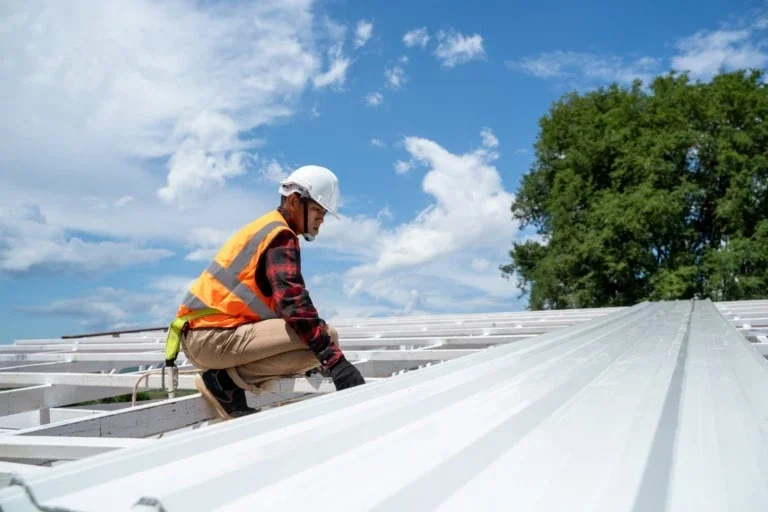
Roofing can look fairly straightforward from ground level. A crew arrives, sets up access, moves materials into position and gets on with the job. Once work begins at height, however, the conditions can be very different from what was expected during the initial planning.
The pitch may be steeper than it appeared from below. An older section of roofing may not be as sound as expected. Wind can pick up during the day, access can become crowded and other trades may be working nearby. Skylights, overhead electrical services and unprotected edges can add another layer of risk.
This is why safety planning for roofing work needs to reflect the job in front of you rather than relying on assumptions from the last project. A roofing SWMS template can provide a useful starting point for that planning, helping contractors work through the hazards, risks and control measures that may need to be addressed before high risk construction work begins.
When Does Roofing Work Require a SWMS?
Under Australia's model Work Health and Safety framework, a Safe Work Method Statement, commonly known as a SWMS, must be prepared before high risk construction work starts. One category of high risk construction work is construction work involving a risk of a person falling more than two metres.
For roofers, that situation is not unusual. Installing new roofing, replacing substantial sections of an existing roof or carrying out other construction work at height can expose workers to a fall risk well above two metres.
Height is not the only consideration. Depending on the project, roofing may involve other categories of high risk construction work. Work near energised electrical installations or services, certain structural alterations and work involving asbestos are some examples that may need to be considered.
Not every small task carried out on a roof will necessarily meet the definition of high risk construction work. However, that does not mean the risks can be ignored. A task that does not require a SWMS may still expose someone to a serious fall or another workplace hazard.
Requirements can also vary between Australian states and territories, so contractors should always check the WHS or OHS requirements that apply where the work is being carried out.
Why Does Roofing Need Site Specific Planning?
Two houses in the same suburb can present completely different roofing conditions.
One might have a low pitched metal roof with straightforward scaffold access and plenty of room around the building. The next property could have old tiles, several skylights, a steep pitch and very little space to position access equipment safely.
The work might sound similar when described on a quote or job sheet, but the safest way to complete it may be quite different.
Roofing can expose workers to hazards such as falls from height, fragile surfaces, difficult roof access, electricity, manual handling and falling objects. Heat, rain and strong wind can also change the conditions while work is underway.
That is why the SWMS should connect the high risk activity with what workers are likely to encounter on the actual site. A document prepared for a previous project should not automatically be assumed to suit the next one.
What Should a Roofing SWMS Include?
A SWMS for high risk construction work needs to identify the work that presents the risk, specify the associated hazards and describe the measures that will be used to control those risks. It should also explain how the controls will be implemented, monitored and reviewed.
That does not mean filling the document with pages of generic safety wording. A useful SWMS should be clear enough for the people doing the work to understand what the risks are and what they are expected to do about them.
For roofing work, there are several areas that deserve particular attention.
The Roofing Tasks Being Carried Out
Start with what the crew will actually be doing.
The work could involve removing existing roof sheets, replacing tiles, installing new roofing, working around roof penetrations, moving materials at height or carrying out repairs near an exposed edge.
Breaking the project into logical activities can make it easier to identify where the risks arise. Simply writing "roofing work" does not give workers much practical information about the different stages of the job.
The description should be specific enough that someone familiar with the work can understand what is planned.
Fall Hazards
Falls are one of the most obvious risks associated with roofing, but the edge of the building is not the only place where a fall can occur.
Skylights, openings, fragile materials and transitions between ladders, scaffolds and the roof can all create risks. Even the route workers take across the roof may need to be considered.
Where work at height cannot be avoided, suitable controls need to be selected based on the circumstances. Depending on the job, these might include scaffolding, edge protection, barriers and work positioning systems or fall arrest systems.
The SWMS should describe what will actually be used. A broad instruction such as "use fall protection" leaves too much unanswered.
Getting Onto and Off the Roof
Roof access can sometimes receive less attention than the work happening once everyone is up there.
Yet getting onto and off a roof is part of the job and can create its own risks. The position of ladders or other access equipment, the condition of the ground below and the transition onto the roof all need consideration.
There is also the question of materials and tools. Workers should not have to improvise a way of carrying awkward equipment onto the roof after the job has already started.
Thinking through access at the planning stage can prevent a routine part of the day becoming an unnecessary risk.
Fragile Areas and Existing Roof Condition
An existing roof should not automatically be assumed to be safe to walk across simply because it looks sound from below.
Age, corrosion, previous repairs and weather exposure can affect roofing materials. Some skylights and translucent roof panels can also be difficult to identify from certain positions.
The condition of the roof should therefore form part of the assessment before work starts. Where fragile areas are identified, the SWMS needs to make clear how exposure to those areas will be managed.
This becomes particularly important during repair and restoration work where the crew may be dealing with a roof they did not originally install.
Can You Start With a SWMS Template?
Starting with an existing framework can make safety planning more manageable, particularly for businesses carrying out similar roofing activities from one project to another. It gives the person preparing the document a structure to work through rather than beginning with a blank page each time.
A roofing SWMS template is most useful when it is treated as a starting point rather than a finished document. The hazards on one roof may be quite different from those on the next, even when the work itself appears similar.
For example, a standard document may already address working near roof edges. The new project, however, could also involve solar panels, deteriorated roofing material, restricted rear access or nearby electrical services. Those conditions need to be considered before the document reflects the job properly.
The same principle applies to a Construction SWMS more broadly. The document should reflect the work being performed, the conditions at that particular workplace and the controls that will actually be used by the people carrying out the job.
What about Falling Tools and Roofing Materials?
Roofing risks are not limited to the people working above ground. Tools, offcuts, old roofing materials and even new sheets can create hazards for workers or other people below. Wind can make the problem worse, particularly when lightweight or large materials are being handled.
The work area may require exclusion zones, controlled access or other measures to keep people away from areas where objects could fall.
Material storage on the roof also deserves thought. Something placed in a convenient position may become a hazard if it can slide, roll or be caught by a sudden gust.
Planning for these risks before materials reach the roof is generally much easier than trying to solve the problem halfway through the job.
Electrical Hazards Can Be Easy to Underestimate
Overhead powerlines and nearby electrical services should be identified before roofing work starts.
The risk can become particularly important when workers are handling long metal sheets, ladders or other conductive equipment. A safe working position can quickly become unsafe if the movement of those materials has not been considered.
Where electrical hazards are relevant to the high risk construction work, they should be addressed clearly in the SWMS along with the controls being used.
Again, site conditions matter. A control that works comfortably on an open residential block may not be suitable on a restricted site where powerlines, neighbouring structures and limited access reduce the available working space.
The SWMS Needs to Make Sense to the Crew
A document can be technically detailed and still be of little practical value if the workers carrying out the job do not understand it.
The people involved in the high risk work need to know what controls are expected and how those controls relate to the site around them. This is also why consultation matters when a SWMS is being prepared or reviewed.
Workers who regularly carry out roofing work can often identify practical issues that are easy to miss when planning from an office.
Perhaps the proposed access point interferes with another trade. Maybe the planned location for storing materials leaves too little working space. Someone familiar with the particular roof type might notice a fragile area or access problem before work begins.
Those conversations can turn a compliance document into something the crew can actually use.
What Happens When Site Conditions Change?
Roofing work takes place in an environment that can change quickly.
A calm morning can become windy by lunchtime. Rain can leave a previously dry surface slippery. Another contractor may arrive and change access around the building. Removing part of an existing roof might reveal deterioration that was not visible during the initial inspection. When the conditions change, the existing controls may no longer be suitable.
A SWMS should therefore be treated as a working document rather than something that is completed, signed and forgotten. Controls need to be monitored and reviewed to make sure they continue to manage the risks effectively.
If the work can no longer be carried out in accordance with the SWMS, the situation needs to be addressed before the high risk work continues. That may mean reviewing the work method, changing the controls or revising the SWMS to reflect what is now happening on site.
Good Roofing Safety Starts Before Anyone Climbs Up
A SWMS cannot make roofing work safe simply by existing in a project folder. Its value comes from the thinking that goes into it. The work needs to be understood, hazards need to be identified and suitable controls need to be chosen before the crew is exposed to the risk. Those controls also need to make sense for the roof, the site and the people carrying out the work.
Templates can make the preparation process more efficient, particularly for contractors dealing with recurring types of roofing work. They should still be checked and adapted for the actual project rather than carried from one site to another unchanged.
Ultimately, good roofing safety planning starts before anyone climbs onto the roof. When the SWMS reflects the work that is genuinely happening on site, it becomes far more than paperwork. It becomes a practical reference for how the job is intended to be carried out safely.