Sign up with Google
 Sign in with Zoho

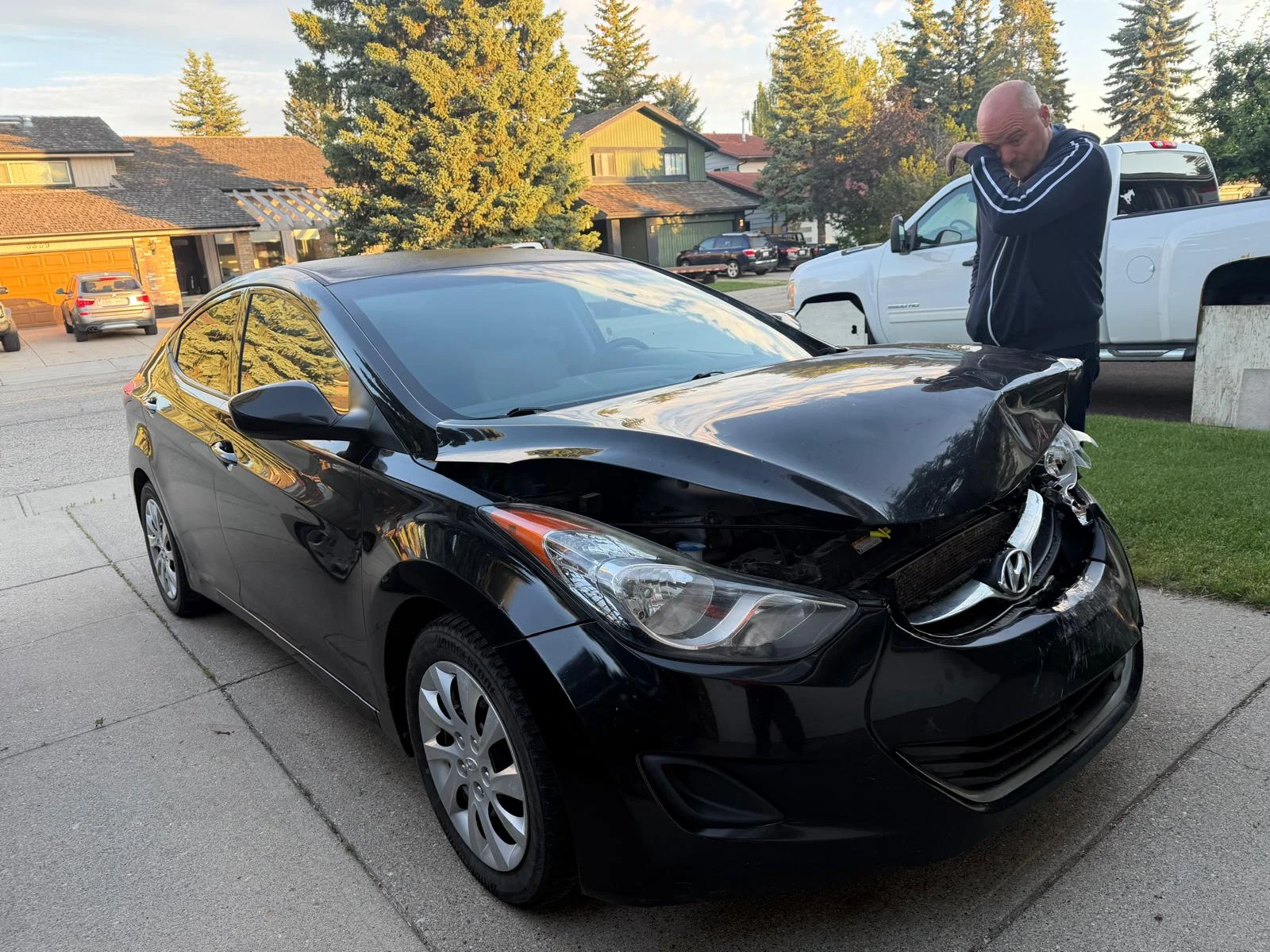
It's minus thirty-two with a wind, you're already late, and the car makes a sound you've never heard before. Or it makes no sound at all — just dash lights and a click, and then that particular silence that tells you the morning is now about something else entirely.
Central Alberta does this every January. Red Deer sits far enough north that we don't get the chinook relief Calgary does, so a cold snap here settles in and stays for a week. And the vehicles that start fine at minus five reveal exactly what's wrong with them at minus thirty.
The good news: most winter no-starts are a sixty-dollar problem or a two-hundred-dollar problem. The useful skill is knowing which one you have before somebody charges you to guess.
First: listen to what it's actually doing
Almost everyone gets this wrong by skipping it. The sound your car makes tells you where the problem is, and the five possibilities point in completely different directions.
Nothing at all — no dash lights, no click. Dead battery, or a connection problem. Check the terminals before anything else. A white or bluish crust on the posts can stop current cold, and cleaning it costs nothing.
Dash lights on, one loud click, no cranking. Usually the starter, or a battery too weak to turn the motor but strong enough to run the electronics. The click is the solenoid engaging with nothing behind it.
Slow, labouring cranking that gets slower. Rrrr… rrr… rr… This is the classic Alberta cold-start signature. Weak battery, oil too thick, or both. This is the one that's usually cheap.
Cranks at normal speed but won't fire. Your battery is fine. Stop buying batteries. This is fuel or spark — and in winter it's often moisture in the fuel system, or gelled fuel if you're running diesel.
Fires briefly, then dies. Fuel delivery. Also common on diesels in a deep cold snap.
Write down which one you have. It changes everything that follows.
The block heater: it's almost always the cord
Block heaters fail far less often than people assume. The cord fails constantly.
Look at yours in daylight. The usual suspects: fraying where it exits the grille, cracked insulation from years of being coiled at minus thirty, a chewed section courtesy of mice over the summer, or a plug end that got dragged off a post when somebody pulled out while still connected. Any of those and it's not heating.
Then check what you're plugging into. A tripped GFCI outlet in a parking stall will look completely normal. So will a lightweight indoor extension cord that can't carry the load — block heaters draw real current, and a thin thirty-foot cord will do very little.
How to test it: plug in for three or four hours, then put your hand near the block or feel the cord where it enters the engine bay. There should be noticeable warmth. If everything is stone cold, you've found your problem.
Two things worth knowing. A block heater doesn't charge your battery — it keeps the oil fluid so the engine turns more easily, which reduces the load on a battery that's already down on power. And three to four hours is plenty. Leaving it plugged in overnight just donates money to the utility.
The battery: why minus thirty is a different animal
Two things happen at once in a deep cold snap, and together they explain almost every winter no-start.
A lead-acid battery loses roughly half its cranking power around minus eighteen. At the same time, cold engine oil thickens dramatically, so your engine needs more force to turn over than it does in July. Less power available, more power required.
That's why a battery that tested fine in October dies in January. It wasn't lying — it just had enough margin at plus ten and none at minus thirty.
Practical points for Alberta:
- Age matters more than anything. Three to five years is a realistic lifespan here. If yours is older and you're guessing, it's probably the battery.
- Cold cranking amps is the spec that counts. Not the sticker price, not the warranty length.
- Get it load-tested, not just voltage-checked. Most shops in Red Deer will do it free. Voltage alone tells you very little.
- Check your oil weight. If you're running a summer viscosity into January, you're making cold starts harder than they need to be. A 0W winter oil turns over noticeably easier.
What people misdiagnose
Two patterns come up over and over.
Buying a second battery when the first one wasn't the problem. If the engine cranks at normal speed and simply won't catch, the battery is doing its job. Something else is.
Blaming the cold for a failing starter. A starter on its way out will work at plus five and fail at minus twenty-five. It feels like a cold-weather problem. It's a worn part that cold exposed.
What each fix actually costs
Rough, but useful for deciding:
- Cleaning corroded terminals — essentially free
- New block heater cord — modest, and a straightforward job
- Winter-weight oil change — the price of an oil change
- New battery — a couple hundred dollars, more for a heavy-duty unit
- Starter — several hundred, mostly labour depending on how buried it is
- Fuel system work on a diesel in a cold snap — this is where it stops being cheap
The honest threshold: when it stops being worth it
Here's the part most articles about winter no-starts won't tell you.
The question isn't whether the car can be fixed. Almost anything can be fixed. The question is what you're buying with the money.
Run this calculation. Add up the repair quote, plus anything you already know is coming — the exhaust, the tires, the transmission noise, the rust on the rockers. Then compare that number to what the vehicle would actually sell for running. If repairs are approaching or exceeding the vehicle's value, you're paying to keep a depreciating asset breathing for one more winter.
Structural rust changes the answer entirely. Central Alberta road treatment is hard on undercarriages. Rust on the frame, subframe or suspension mounting points isn't a repair — it's a safety issue and it doesn't get better. This is the one where the answer is simply no, regardless of how well the engine runs.
Three no-starts in one winter is a signal. If you've replaced the battery and it happened again, and then again, you're not fixing a part — you're chasing a vehicle that's telling you something.
Be honest about what it's worth to you. A car that starts reliably has real value in a Red Deer winter. One you don't trust below minus twenty isn't transportation — it's a coin flip you take every morning.
If the answer is sell
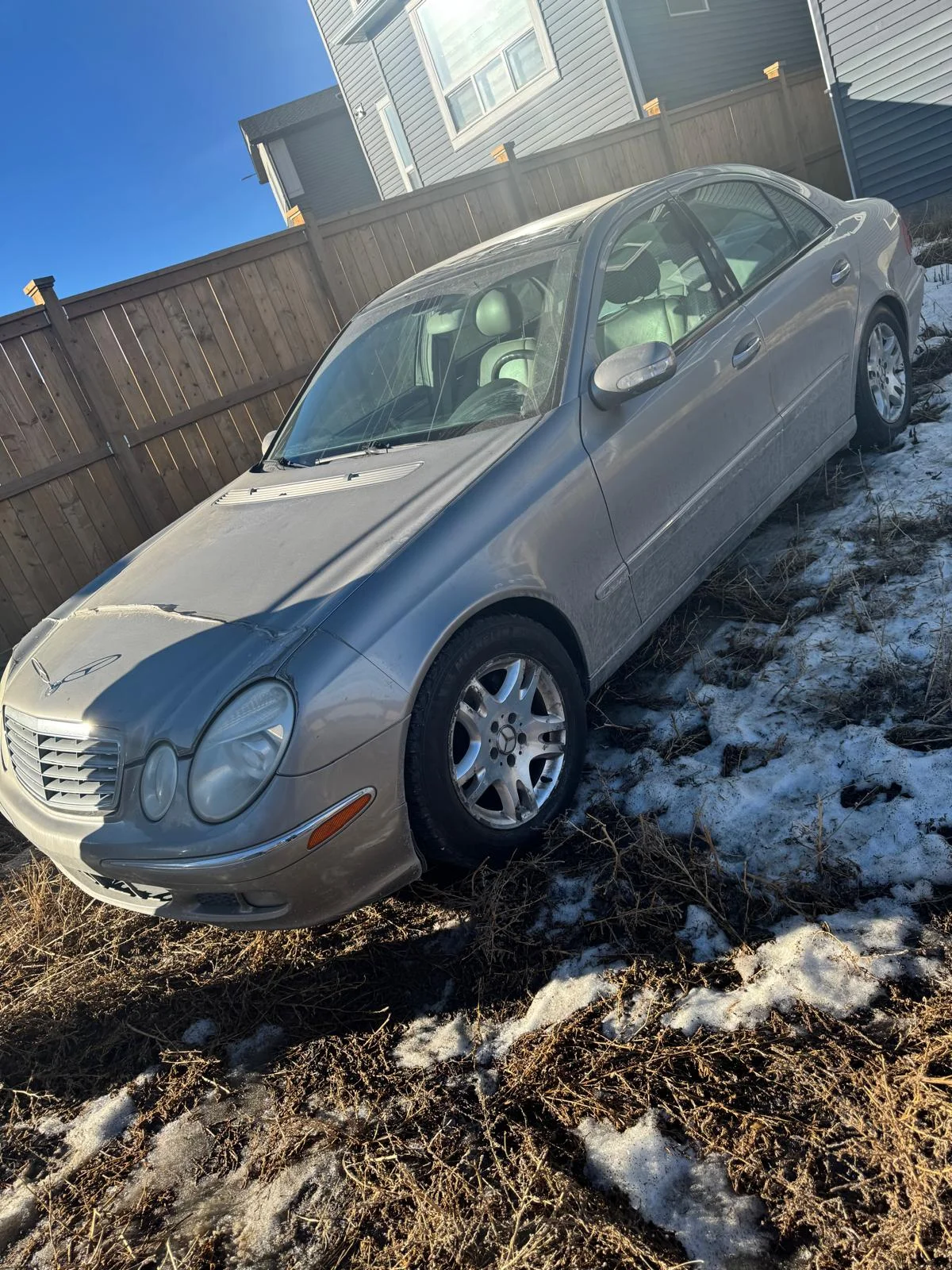
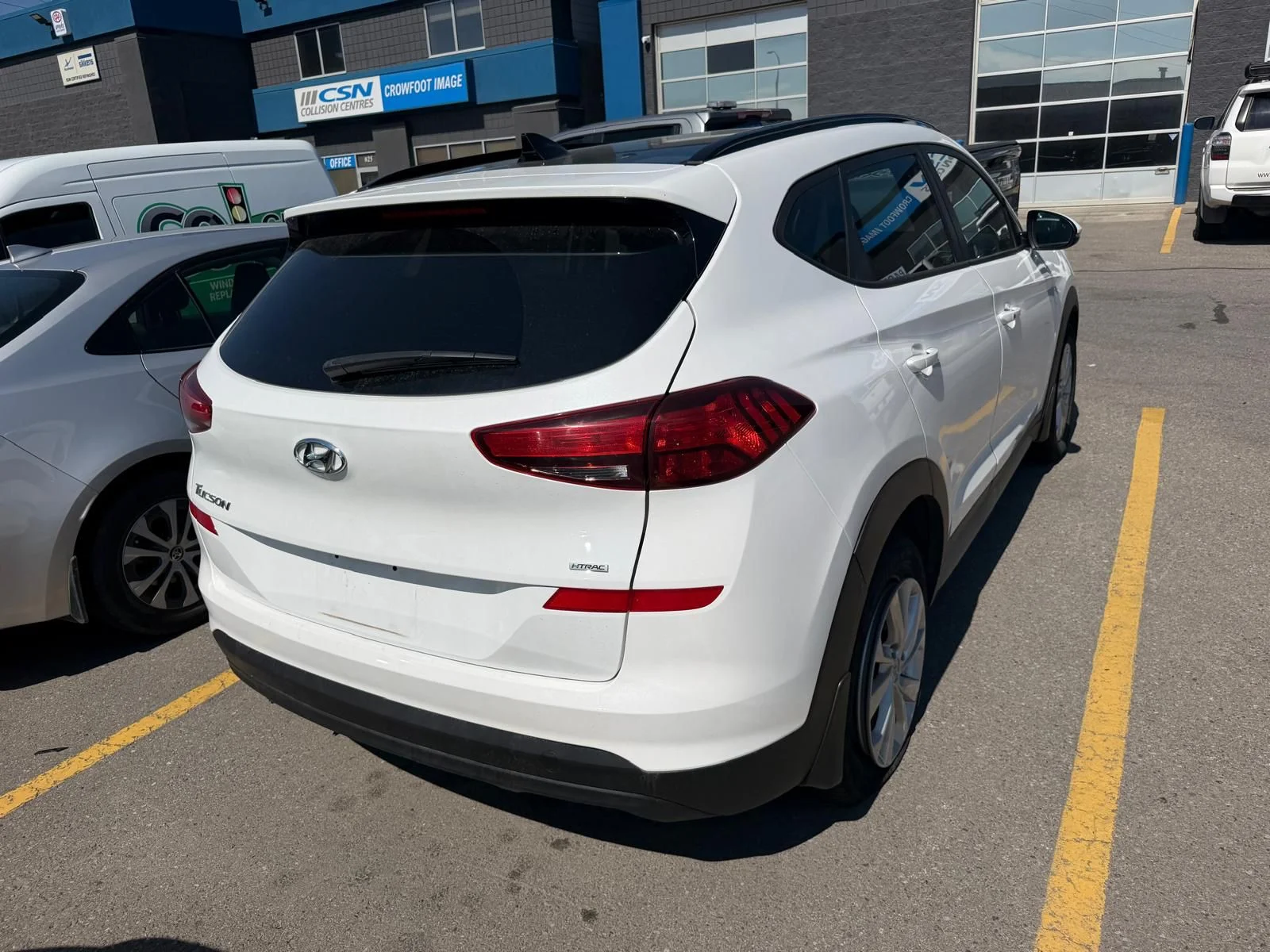
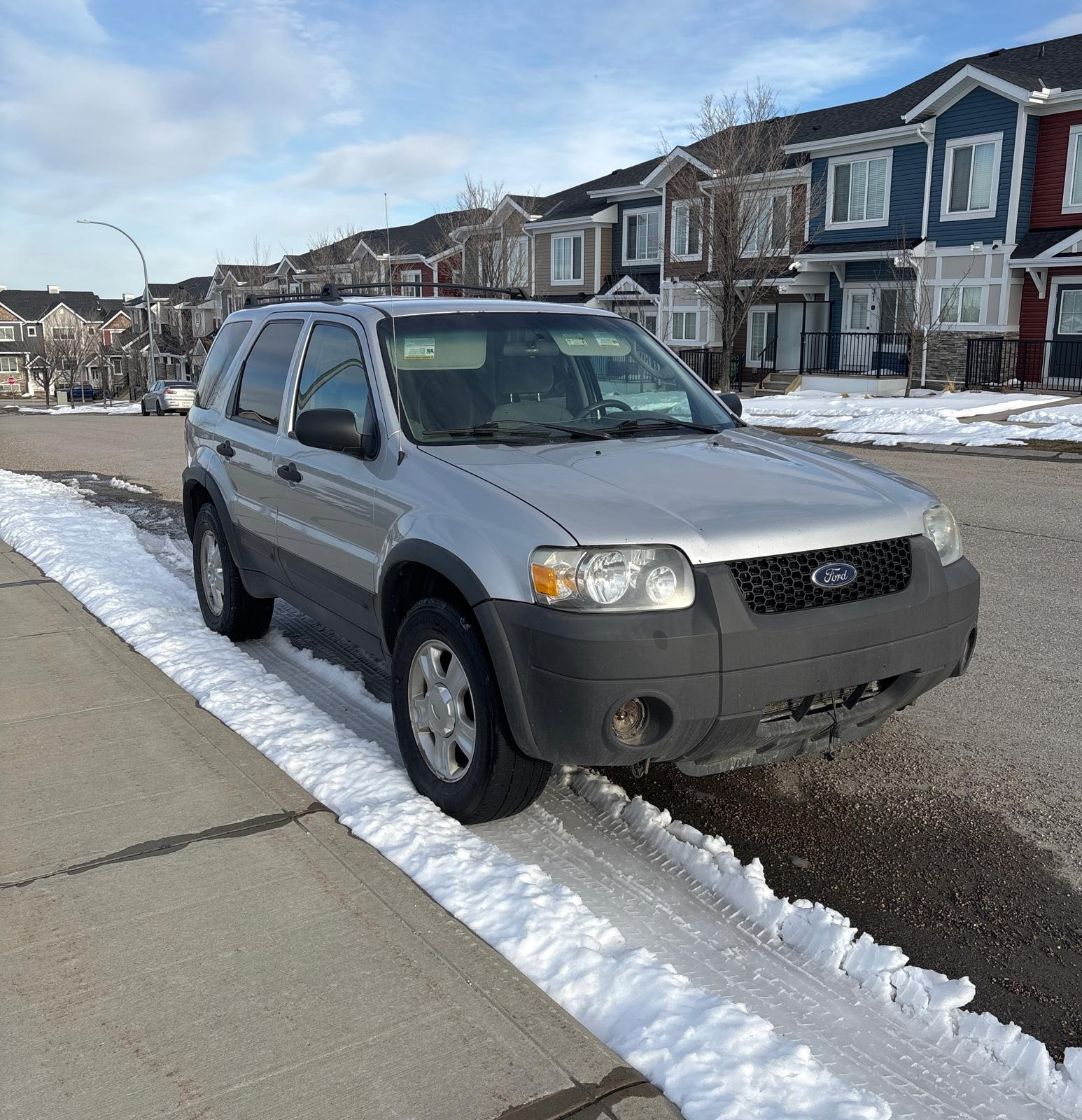
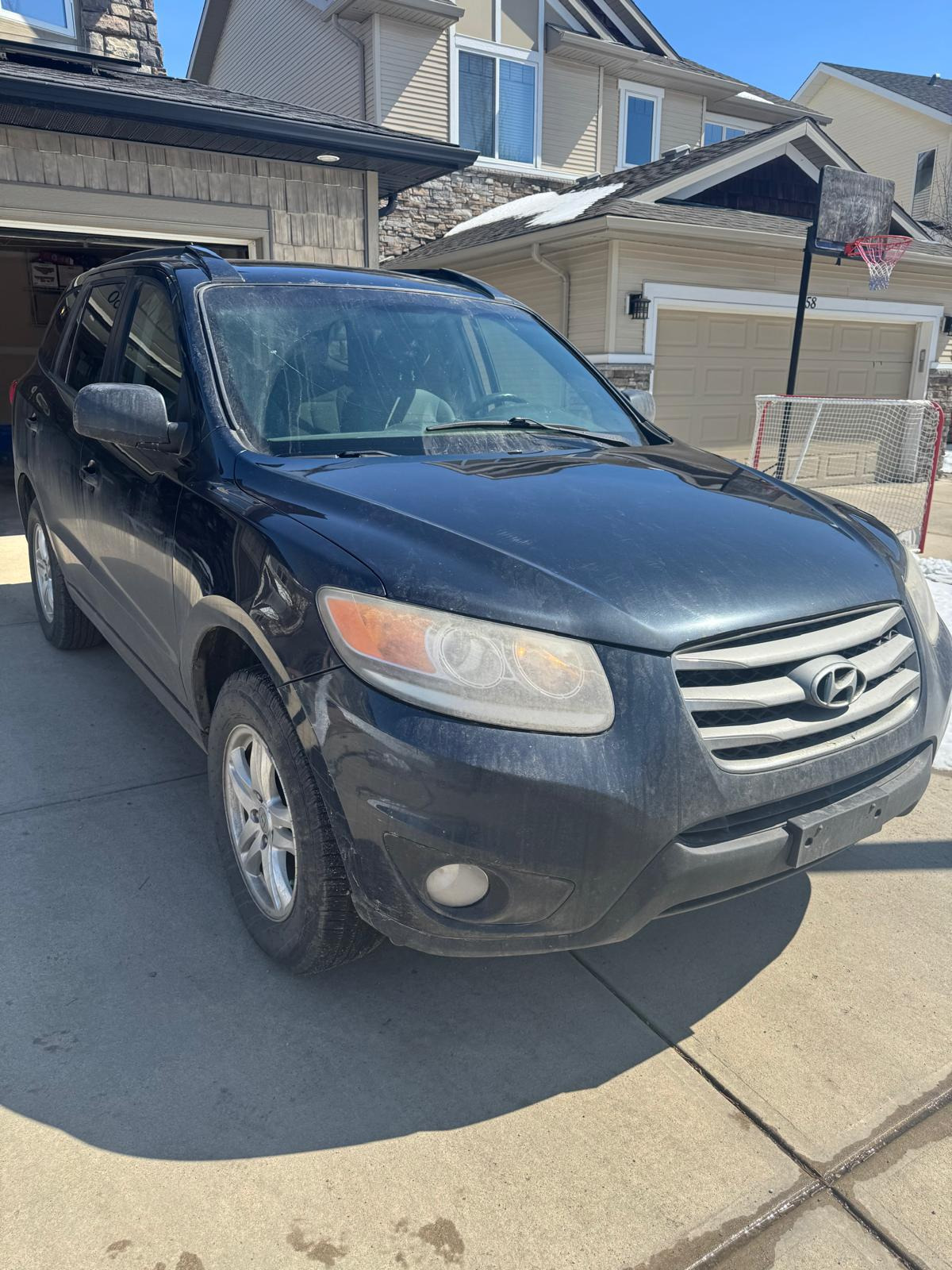
A non-running vehicle still has value — in weight, in the catalytic converter, and in parts demand, which is usually strong on common trucks and sedans. That value doesn't improve while it sits in a driveway through February.
Citywide Cash for Cars buys running and non-running vehicles across Red Deer and central Alberta. No need to get it started, no need to get it anywhere — towing is free, you're paid before it leaves, and the registration paperwork is handled on the spot.
Call (587) 437-7213 with the year, make and what it's doing. If it's a cheap fix, we'll tell you that too.