Sign up with Google
 Sign in with Zoho

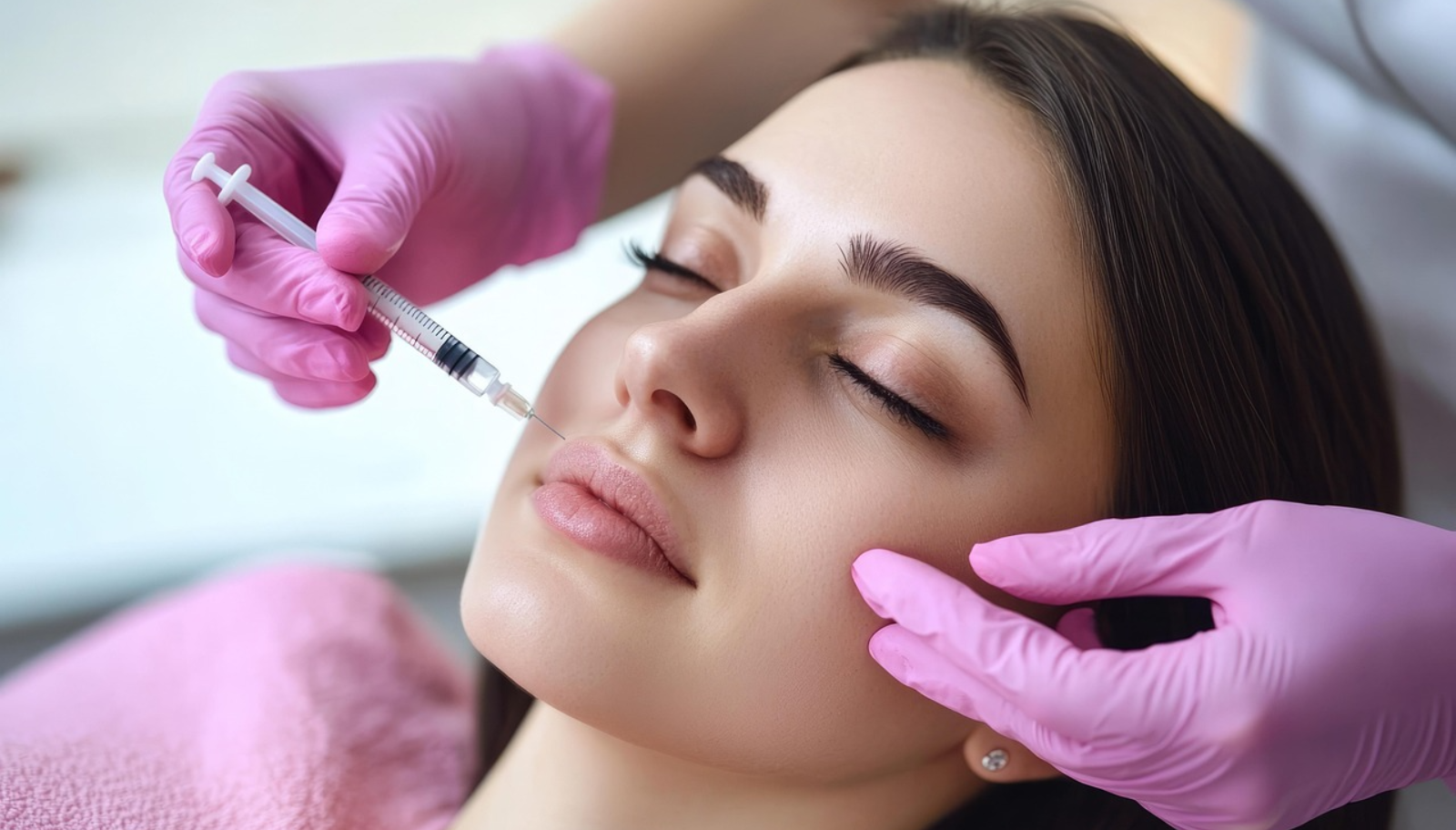
Yes — dermal fillers can go wrong, but in most cases, the problems are preventable and treatable when handled by the right professional.
Fillers are widely used to enhance facial features and restore lost volume, but when technique, product choice, or aftercare isn’t right, aesthetic complications can occur. The key difference isn’t the treatment itself — it’s who performs it and how complications are managed.
This guide explains exactly what can go wrong, why it happens, and how an experienced dermal filler specialist can fix it safely.
What Are Dermal Fillers and Why Are They So Popular?
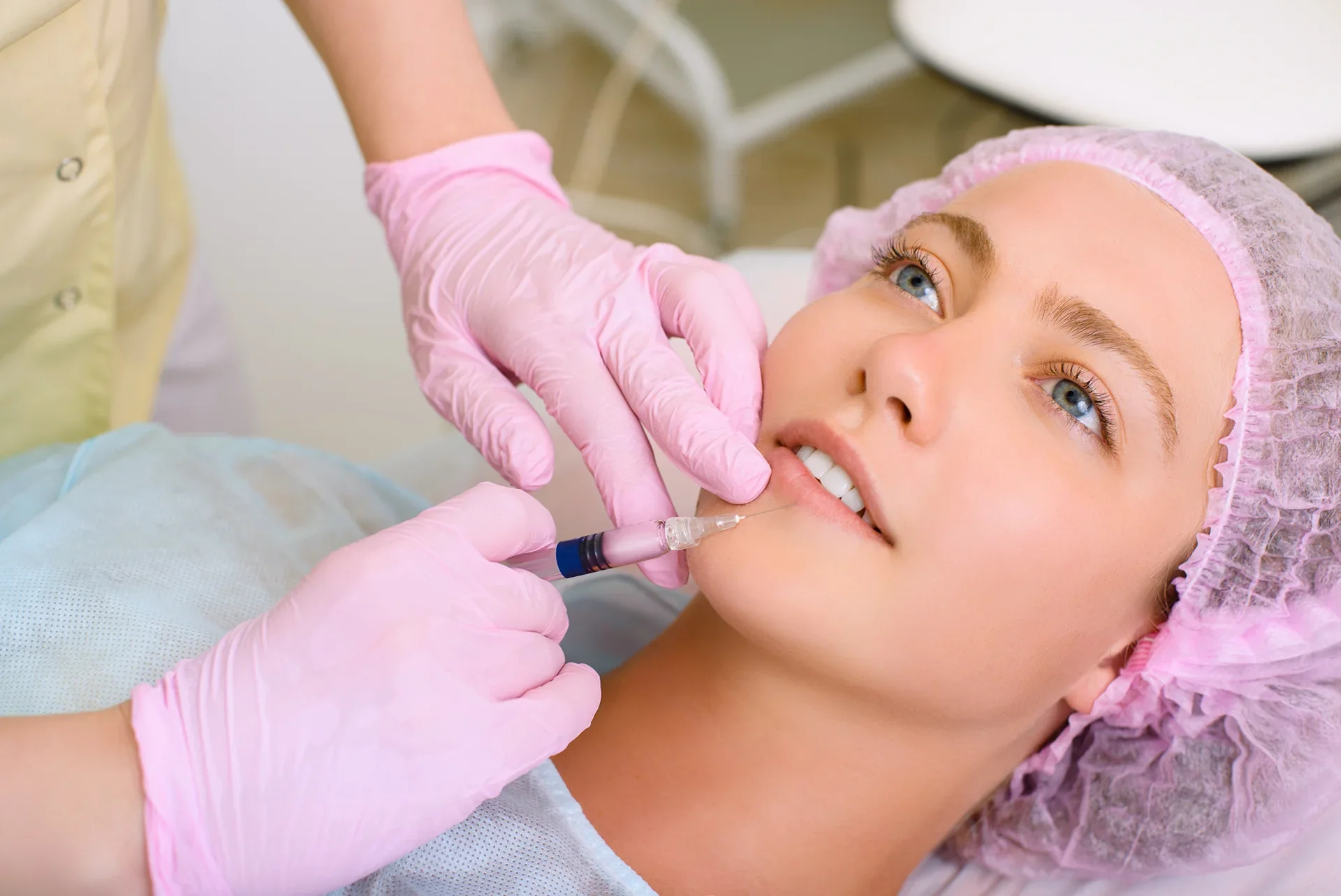
Dermal fillers are injectable treatments designed to:
- Restore volume in areas like cheeks and under-eyes
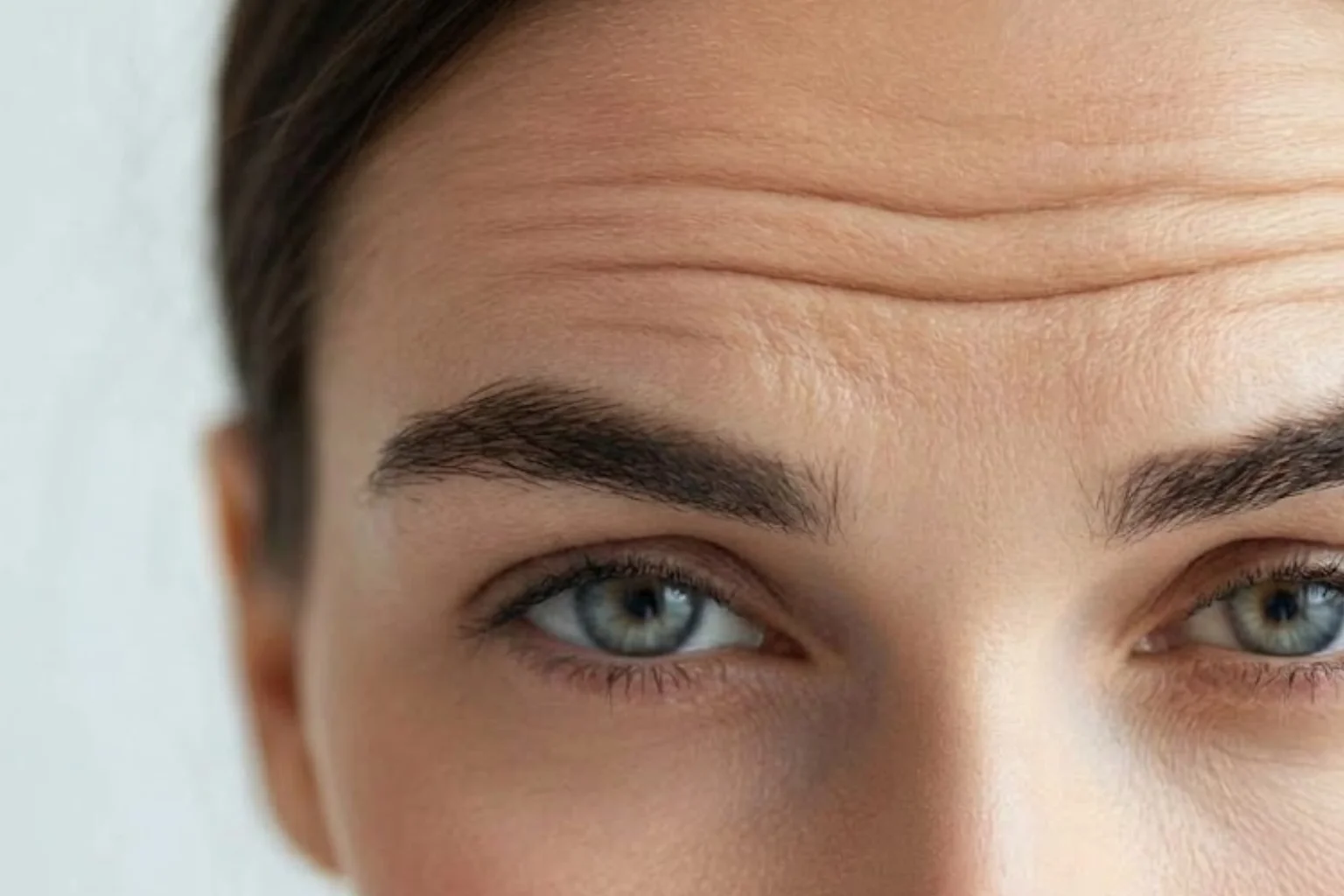
- Smooth lines and folds
- Enhance features such as lips (commonly seen in lip injections)
They’re popular because results are:
- Immediate
- Non-surgical
- Customisable
However, the same flexibility that makes fillers effective also means they require precision and medical expertise.
Can Dermal Fillers Go Wrong?
Yes — and the reality is simple:
Most filler complications happen due to poor technique or lack of expertise, not because fillers are unsafe.
When performed in a qualified medical aesthetic clinic, risks are low. But in unregulated or inexperienced hands, even a simple treatment can lead to avoidable problems.
Common Causes of Aesthetic Complications
Understanding the cause helps you avoid the problem in the first place.
The most common reasons include:
- Inexperienced practitioner – Lack of deep anatomical knowledge
- Incorrect placement – Filler injected too superficially or too deep
- Overfilling – Creating unnatural or uneven results
- Wrong product choice – Not all fillers suit every area
- No advanced assessment tools – Especially not using techniques like ultrasound guided filler
Many of these issues lead directly to aesthetic complications, which may require correction by a specialist.
Risks and Side Effects You Should Know
Not every issue is serious — but knowing the difference matters.
Mild Side Effects (Common and Temporary)
- Swelling
- Bruising
- Tenderness
These usually settle within a few days and are part of normal healing.
Moderate Complications
- Lumps or uneven texture
- Filler migration (movement from original area)
These often need review by a professional and may require correction.
Serious Aesthetic Complications
These are rare but require immediate attention at a cosmetic doctor clinic or medical aesthetic clinic:
- Vascular occlusion (blocked blood vessel)
- Skin discoloration or blanching
- Tissue damage
This is where choosing the right expert becomes critical.
Warning Signs You Should Never Ignore
If you’ve had fillers and notice any of the following, seek help immediately:
- Severe or increasing pain
- Skin turning pale, white, or dusky
- Unusual swelling that worsens over time
- Vision disturbances
These signs may indicate a serious aesthetic complication and should be assessed by an aesthetic complications expert without delay.
How an Aesthetic Complications Expert Can Help
If something goes wrong, the goal is not just correction — it’s safe, precise recovery.
An experienced aesthetic complications expert will:
- Identify the exact issue quickly
- Use advanced tools like ultrasound guided filler to assess placement
- Provide targeted treatment instead of guesswork
- Prevent further damage while restoring natural results
This level of care is only available in a properly equipped medical aesthetic clinic.
Expert Solutions for Dermal Filler Problems
The good news is that most complications can be corrected when treated early.
Common solutions include:
- Filler dissolving – Using medical-grade enzymes to safely remove product
- Correction treatments – Rebalancing symmetry and contour
- Supportive care – Reducing inflammation and promoting healing
A skilled dermal filler specialist will always tailor treatment based on:
- Your facial anatomy
- The type of filler used
- The severity of the issue
How to Prevent Dermal Filler Complications
Prevention is always better than correction.
To reduce risk:
- Choose a qualified cosmetic doctor clinic — not a beauty-only provider
- Ask about experience and complication management
- Avoid choosing based on price alone
- Ensure treatments are done in a regulated medical aesthetic clinic
The safest results come from expertise, not shortcuts.
Final Thoughts
Dermal fillers are safe and effective when performed correctly — but like any medical treatment, they require skill, precision, and responsibility.
If something doesn’t feel right after treatment, don’t ignore it. Early intervention by an aesthetic complications expert can prevent minor issues from becoming serious problems.
Ultimately, your results depend not just on the treatment — but on who you trust to perform it.
FAQs
Can dermal fillers go wrong even if done by a professional?
Yes, minor side effects can still occur. However, serious aesthetic complications are rare when treated by an experienced dermal filler specialist.
What is the most serious risk of dermal fillers?
The most serious risk is vascular occlusion, where blood flow is blocked. This requires urgent treatment by an aesthetic complications expert.
How do I know if my filler has gone wrong?
Warning signs include severe pain, discoloration, uneven results, or prolonged swelling. These should be checked at a medical aesthetic clinic.
Can bad dermal fillers be corrected?
Yes, most issues can be treated using dissolving agents and advanced techniques like ultrasound guided filler assessment.
How can I avoid dermal filler complications?
Choose a qualified cosmetic doctor clinic, avoid low-cost providers, and ensure your practitioner has experience managing aesthetic complications.