Sign up with Google
 Sign in with Zoho
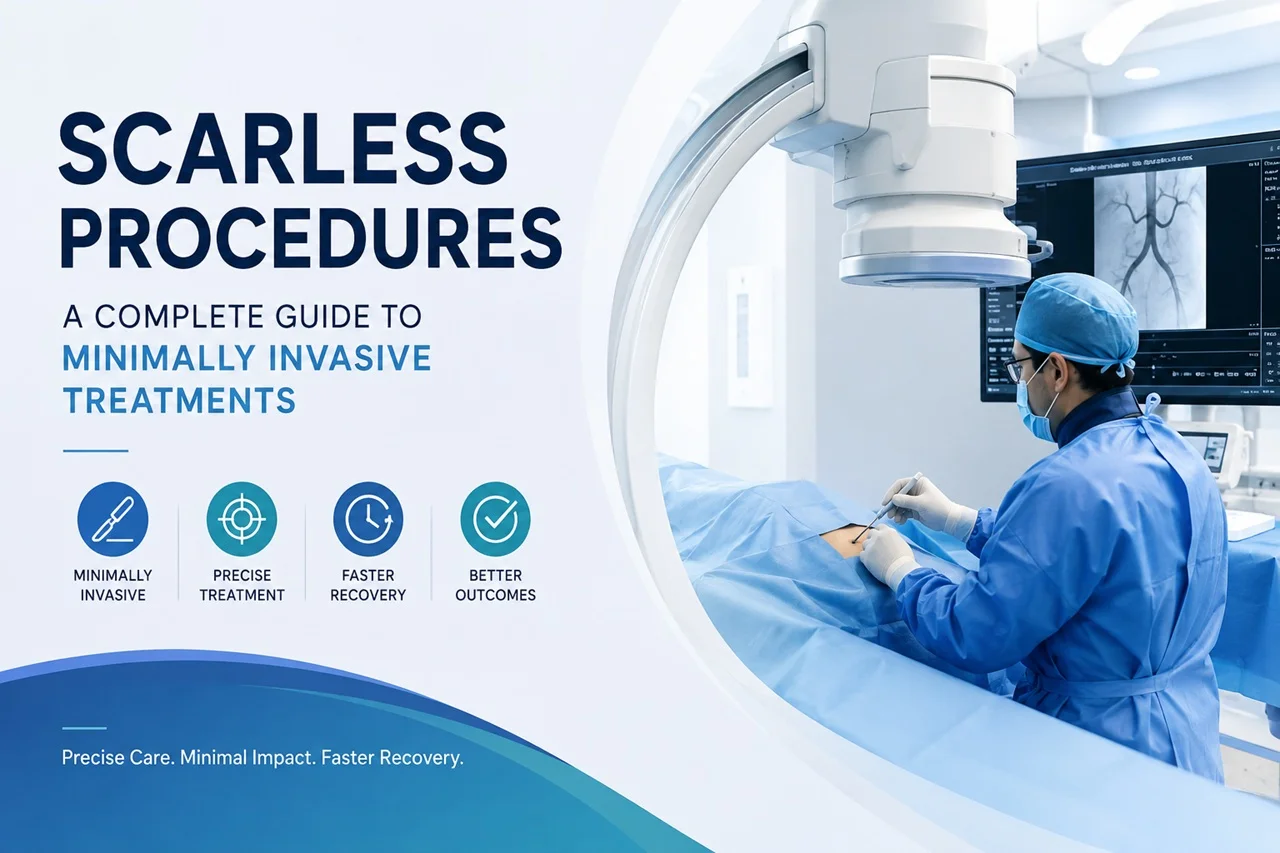
Imagine being told you need surgery and then finding out you don't actually need a single cut on your body to fix the problem.
Sounds almost too good to be true, right? A few years back, I would have thought so too. But this is exactly what's quietly happening in hospitals today, and most people have no idea it exists until they're staring at a surgical consent form, wondering if there's another way.
There usually is. And that "other way" has a name scarless procedures.
If you've never heard this term before, don't worry. By the time you finish reading this, you'll understand exactly what it means, how it works, and why it might be the single most important question to ask before agreeing to any surgery.
Let's Start With the Obvious Question What Are Scarless Procedures?
Here's the simplest way I can put it: scarless procedures are treatments that fix the same medical problem surgery would fix, but without the large cut, without the long hospital stay, and without the weeks of recovery that come with it.
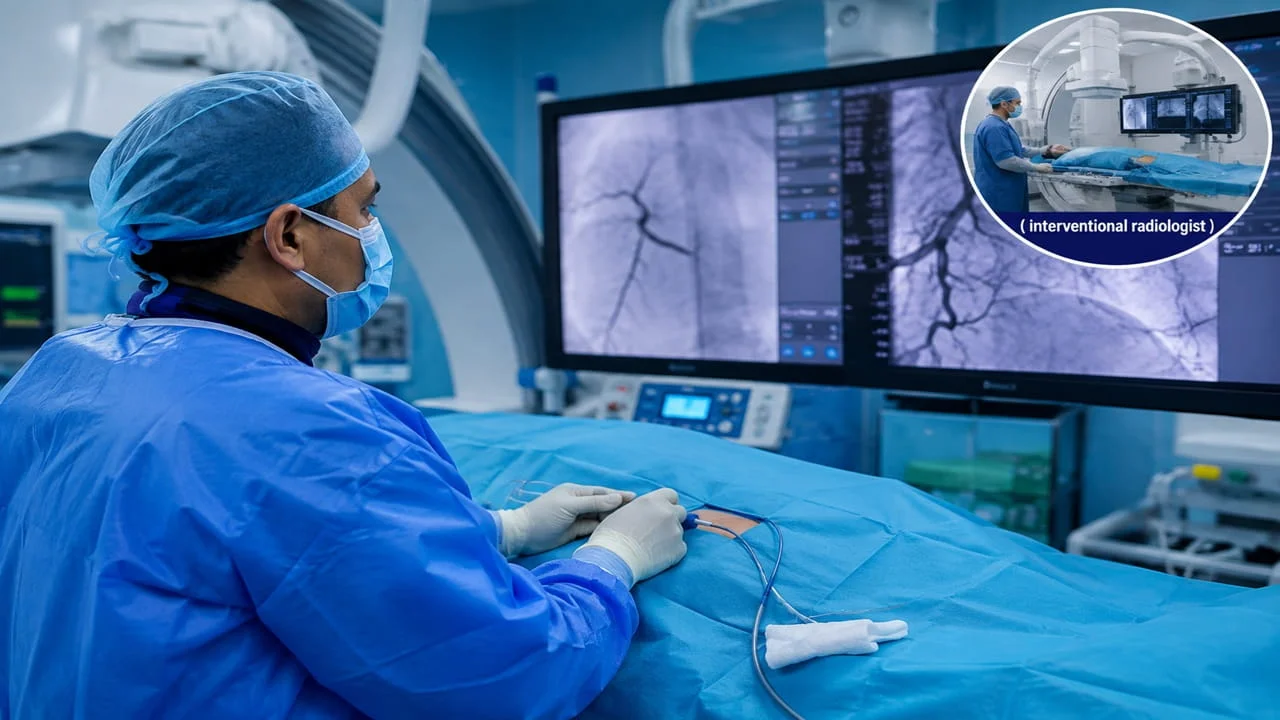
Instead of opening up the body, doctors use imaging think ultrasound, CT scans, or live X-ray guidance almost like a GPS system, to see exactly where the problem is. Then, through a tiny opening in the skin, sometimes no bigger than the tip of a pen, a thin tube or needle is guided right to that spot to treat it.
No big incision. No stitches running across your body. Just a small entry point that barely leaves a mark.
This is why it's also called minimally invasive treatment, or sometimes pinhole procedures because that's genuinely how small the entry point is.
Okay, But How Does This Actually Work?
I get this question a lot, so let's break it down properly, without the medical jargon.
Picture a doctor performing a procedure, but instead of looking directly at your organ with their eyes, they're watching a live screen like a video game, except the "game" is a real-time image of exactly where the treatment tool is inside your body.
This is what we call image-guided procedures. The imaging tells the doctor precisely where to go, so there's no need to cut a large opening just to "see" what's happening. The camera is already doing that job.
Once the doctor reaches the exact spot say, a blocked blood vessel, a tumor, or an enlarged tissue they treat it directly. That might mean blocking a blood supply, closing off a faulty vein, or destroying abnormal tissue using heat or cold. All of this happens through that one tiny entry point.
It sounds almost unbelievably precise, and honestly, it is. That precision is exactly why these treatments have become such a big deal.
Scarless Procedures vs Traditional Surgery What's the Real Difference?
I think this comparison is where things really click for most people, so let's lay it out simply.
Traditional surgery usually means a large incision, general anesthesia (where you're completely unconscious), several days in the hospital, and weeks of recovery before you're back to your normal life. There's also a visible scar left behind, and a higher chance of infection simply because the wound is larger.
Scarless procedures, on the other hand, usually involve a tiny entry point, local anesthesia (you're awake and comfortable, not knocked out), same-day or next-day discharge, and a much faster return to your daily routine often within a week instead of a month.
Now, I want to be honest here, because I don't think it's fair to make this sound like scarless treatment is magic that replaces surgery in every single case. Some conditions genuinely still need traditional surgery. But for a growing list of problems, the scarless option isn't just "an alternative" it's often the smarter first choice.
What Kind of Problems Can Actually Be Treated This Way?
This is where most people are genuinely surprised, because the list is longer than you'd expect.
Types of scarless procedures include:
- Treating fibroids in women without removing the uterus
- Shrinking an enlarged prostate without traditional surgery
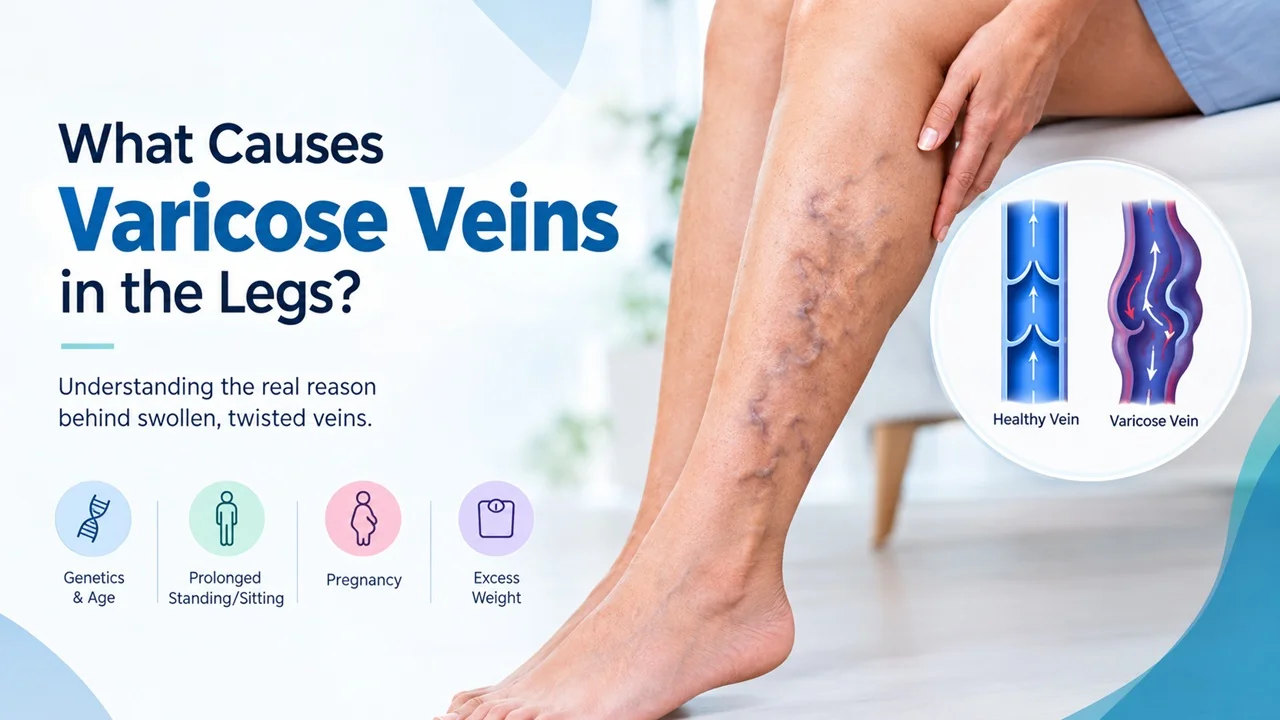
- Closing off varicose veins using heat or laser energy
- Removing blood clots from legs without open surgery
- Opening blocked arteries using a tiny balloon and stent
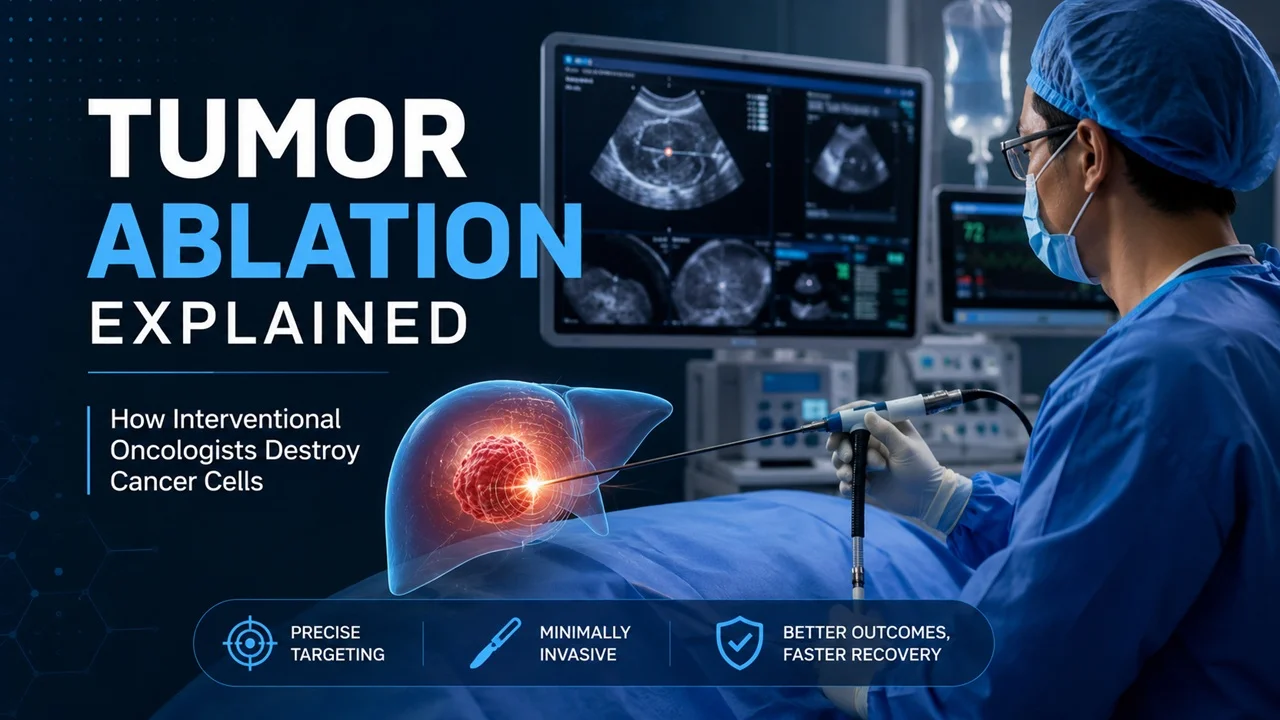
- Treating certain tumors in the liver, kidney, or lung by destroying them directly with heat or cold
- Delivering cancer treatment straight into a tumor's blood supply, sparing the rest of the body
- Shrinking thyroid nodules without cutting into the neck
Notice something? These aren't minor issues. These are conditions that, until fairly recently, almost always meant an operating table. Today, for a lot of patients, they don't.
Why Does "Scarless" Actually Matter Beyond Just the Appearance?
I'll admit, when people first hear "scarless," they assume it's mostly about cosmetics no ugly mark left behind. And sure, that's part of it. But honestly, that's the smallest reason this matters.
Here's the bigger picture. A large surgical wound isn't just a scar it's an open door for infection, more blood loss, more pain, and a body that needs real time to physically heal from the trauma of being cut open. A tiny entry point simply doesn't carry the same risks.
There's also something people rarely talk about the mental side of it. Facing "surgery" feels heavy. It usually means taking weeks off work, arranging help at home, and mentally preparing for a long recovery. A same-day, minimally invasive procedure changes that entire equation. For a working parent, a small business owner, or honestly anyone with a life to get back to, that difference is enormous.
So, What Are the Real Benefits of Scarless Procedures?
Let me list this out clearly, because I think it deserves its own space:
- Much smaller entry point instead of a large cut
- Usually done under local anesthesia you stay awake and aware
- Significantly less pain during recovery
- Lower risk of infection
- Shorter hospital stay often the same day
- Faster return to work and daily activities
- Little to no visible scarring
- In many cases, the organ itself is preserved, rather than removed
That last point deserves a moment. In traditional surgery, sometimes the "fix" for a problem is removing the entire organ or structure think of a uterus removed because of fibroids, when the actual problem was just the fibroid itself. With scarless, image-guided treatment, the goal is usually to treat just the problem area, and let the rest of the organ keep working normally.
Is Scarless Treatment Right for Everyone?
Honestly no, and I think it's important to say that clearly instead of oversimplifying things.
Not every condition qualifies for a minimally invasive approach. Sometimes the size, location, or complexity of a problem genuinely needs traditional surgery to fix it properly. What matters most isn't blindly choosing "scarless" because it sounds better it's getting a proper evaluation first, so a doctor can tell you honestly whether this approach fits your specific case.
This is really the whole point of writing this article. Not to convince you that scarless is always the answer, but to make sure you at least know the question exists before you agree to anything.
Where Can You Actually Get This Kind of Treatment?
Minimally invasive treatment in Delhi, and in most major cities today, is offered by specialists trained specifically in image-guided procedures. These aren't your typical general surgeons they're doctors trained to work with real-time imaging, catheters, and precision tools instead of scalpels.
If you've been told you need surgery for something like fibroids, varicose veins, an enlarged prostate, a tumor, or a blocked artery, it's worth asking one simple question before you sign any consent form: "Is there a scarless, image-guided option for this?"
Sometimes the answer will still be surgery. But sometimes, that one question changes everything.
Before You Go One Last Thought
I started this article talking about the surprise of learning you might not need a single cut for a problem you assumed only surgery could fix. I hope by now that surprise has turned into something more useful a real understanding of what scarless procedures actually are, how they work, and when they might apply to you or someone you care about.
Medicine has quietly gotten a lot gentler over the past two decades. The trick is simply knowing this option exists before you're already on the operating table.