Sign up with Google
 Sign in with Zoho
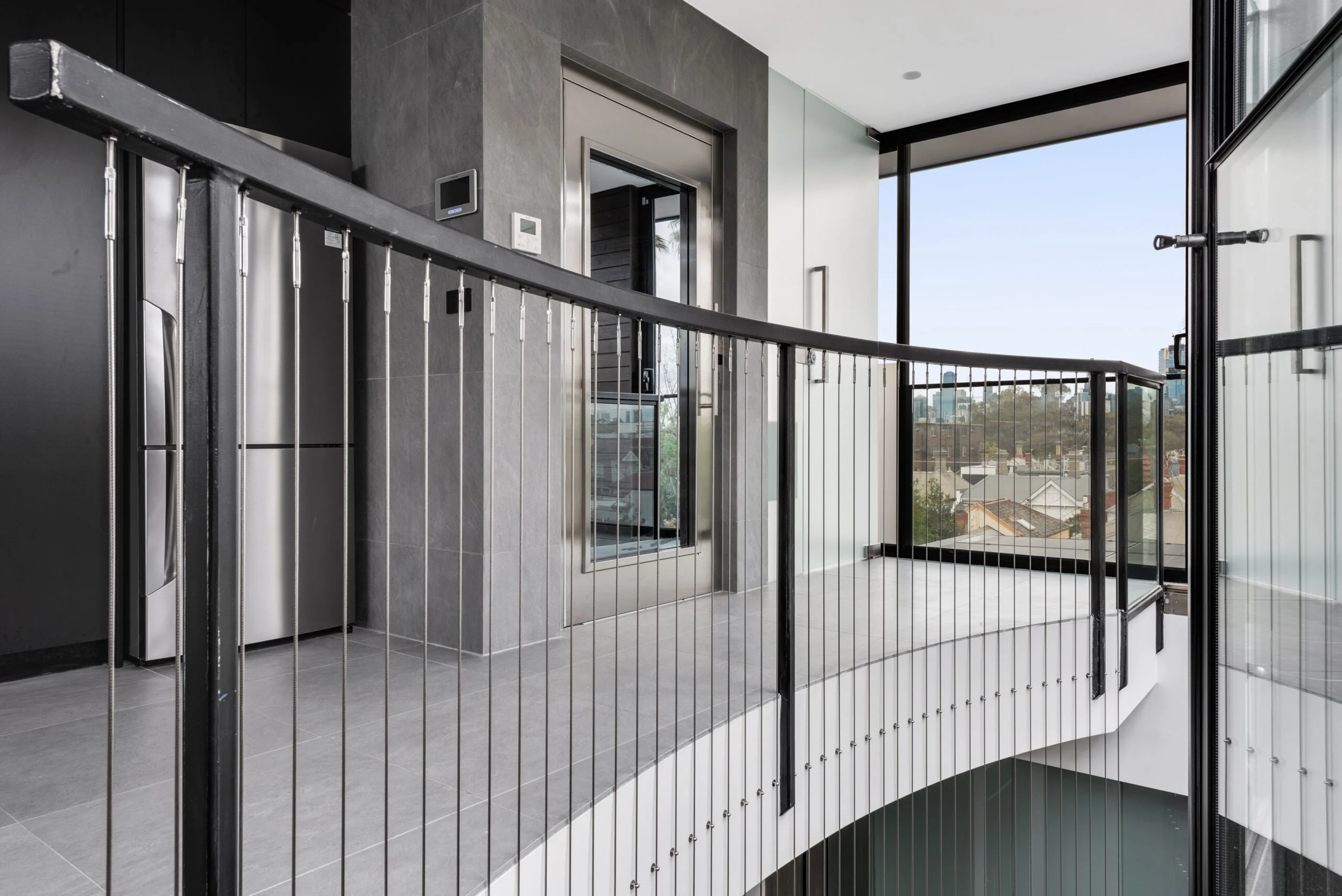
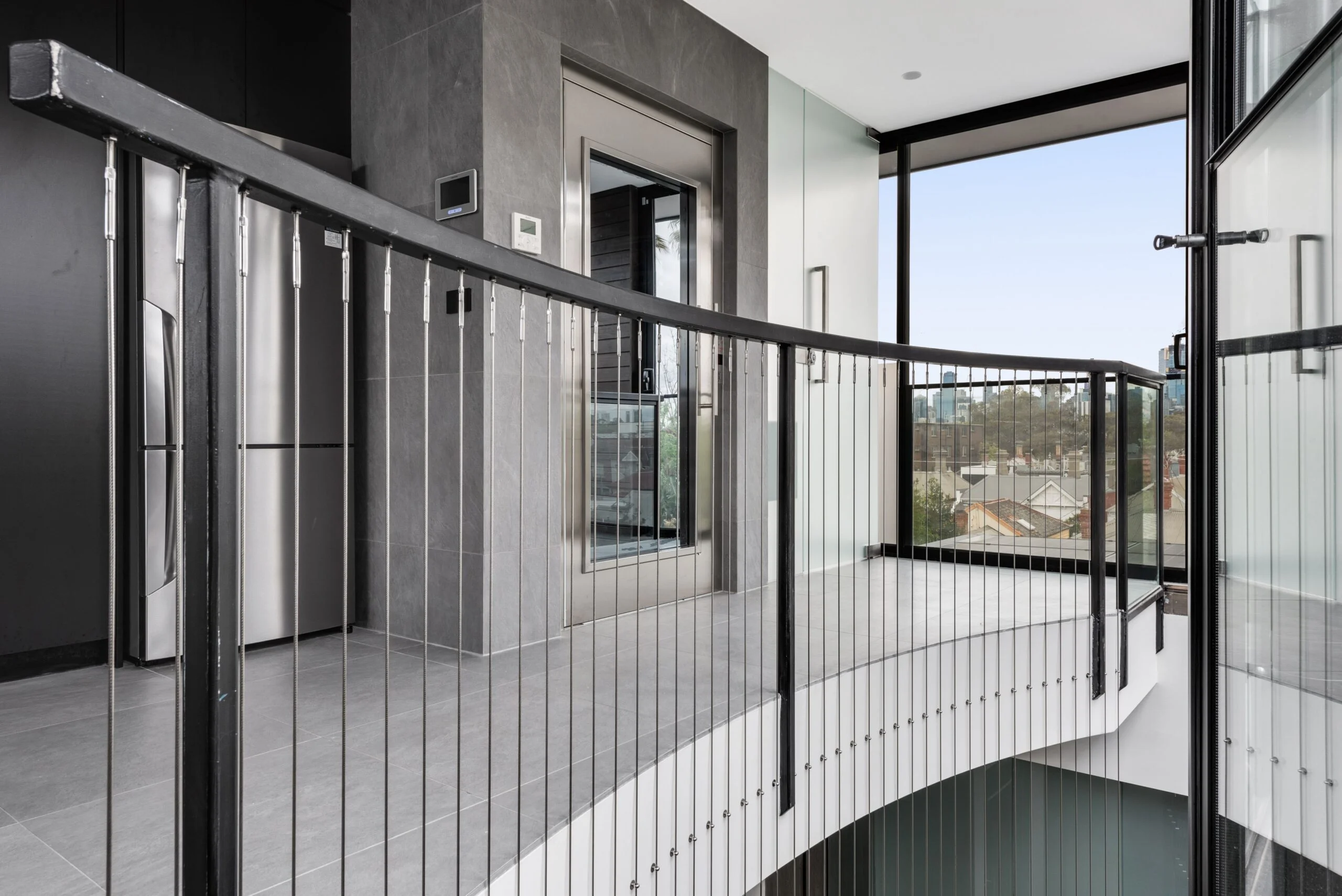
When designing modern residential or commercial spaces, few architectural elements strike the perfect balance between functional safety and visual elegance like stainless steel handrails. Once considered a purely utilitarian fixture reserved for industrial stairwells or commercial safety ramps, stainless steel has evolved into a premier design feature across contemporary architecture. From crisp floating staircases in modern homes to expansive outdoor decking systems on coastal properties, these handrails provide an unmatched combination of structural durability, clean lines, and long-term value. Choosing the right railing configuration involves understanding material grades, surface finishes, building codes, and installation methods. Whether you are an architect designing a high-traffic public venue, a builder completing a luxury home, or a homeowner upgrading a timber deck, investing in quality stainless steel components ensures your balustrade system withstands environmental demands while elevating the overall aesthetic of your space.
Grade 304 vs Grade 316: Selecting the Right Alloy
The performance and longevity of any handrail system depend heavily on selecting the correct stainless steel grade for your specific environmental conditions. Grade 304 is the standard industrial alloy, offering excellent strength and aesthetic appeal for indoor applications, dry environments, and sheltered outdoor spaces away from salt spray. However, for coastal areas, poolside balustrades, or high-humidity outdoor installations, Grade 316 marine-grade stainless steel is essential. Grade 316 contains 2% to 3% molybdenum, an alloying element that dramatically increases resistance to pitting and crevice corrosion caused by airborne chlorides and harsh atmospheric chemicals. Installing Grade 304 handrails in a salt-rich environment often leads to surface tea staining a superficial brown discoloration whereas Grade 316 maintains its structural integrity and flawless finish for decades with minimal maintenance.
Surface Finishes: Satin, Brushed, and Mirror Polish
Beyond selecting the proper alloy grade, choosing the right surface finish plays a crucial role in both visual appeal and environmental resilience. A satin or brushed finish features subtle parallel grain lines that diffuse light, providing a warm, modern matte look that easily conceals minor fingerprints, smudges, and light handling marks in high-traffic areas. On the other hand, a mirror-polished finish delivers a brilliant, highly reflective sheen that creates a striking luxury aesthetic, making it particularly popular in contemporary architectural builds. Importantly, mirror polishing smooths down the microscopic peaks and valleys on the metal surface, leaving fewer microscopic traps for airborne salts, moisture, and grime. This makes mirror-polished finishes the gold standard for harsh marine environments where maximum corrosion resistance is required.
Architectural Advantages of Stainless Steel Handrails
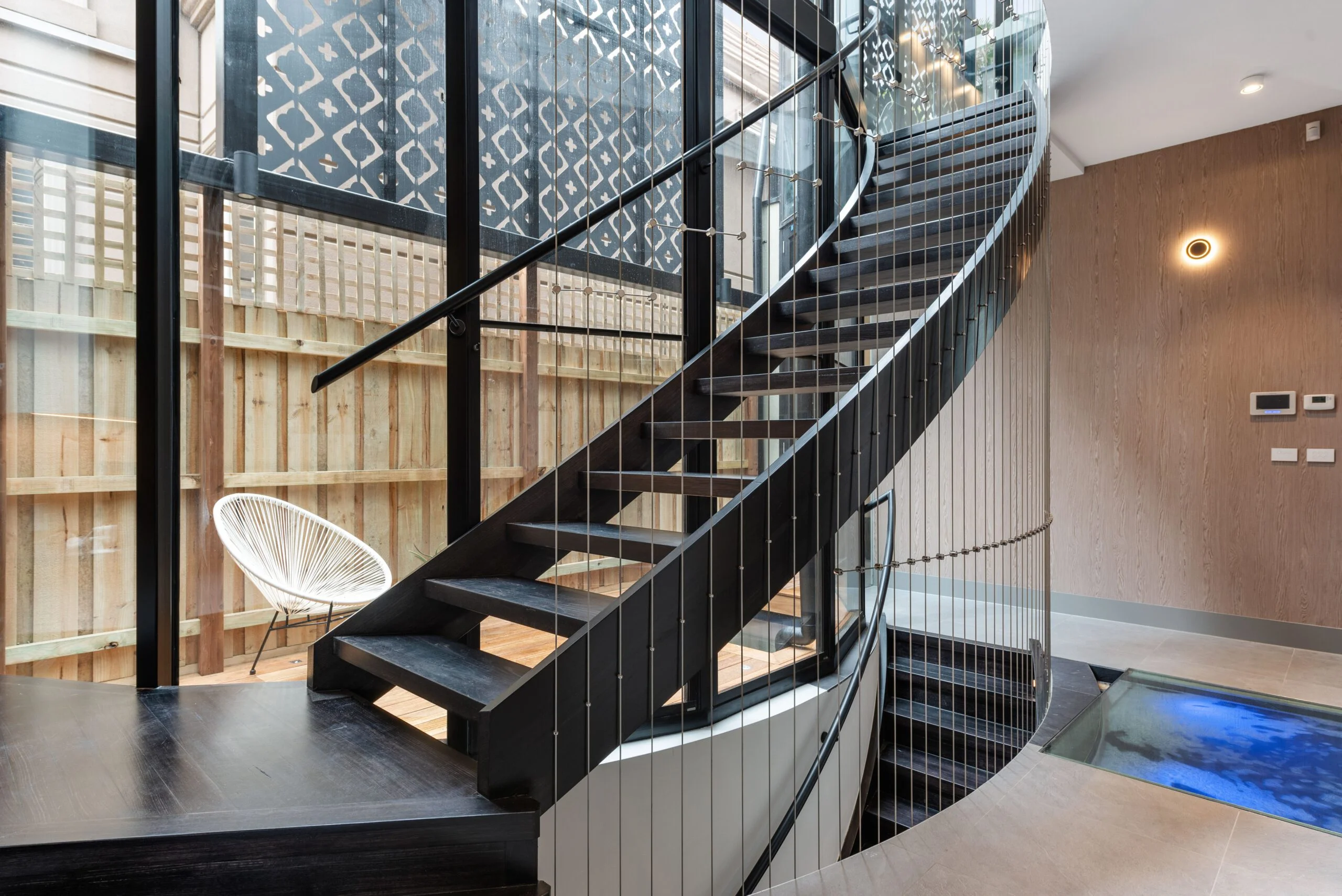
Architects and property owners consistently choose stainless steel handrailing over traditional materials like timber, wrought iron, or powder-coated aluminum because of its superior performance metrics. Unlike timber, which degrades, warps, splinters, and requires constant staining or painting over its lifecycle, stainless steel remains impervious to rot, pest infestations, and extreme temperature fluctuations. Wrought iron often rusts from the inside out when paint chips occur, and aluminum can oxidize or flake under intense UV exposure. Stainless steel combines high tensile strength with slim architectural profiles, allowing designers to maximize natural light and unobstructed views. Furthermore, its modular compatibility with glass panels, wire rope balustrading, and timber accents allows for complete design freedom across diverse interior and exterior landscapes.
- Exceptional structural load capacity that easily satisfies residential and commercial building safety codes.
- Outstanding resistance to atmospheric corrosion, rust, UV degradation, and seasonal weather extremes.
- Exceptionally low maintenance requirements, eliminating the need for periodic repainting, sanding, or chemical sealing.
- Full material recyclability, aligning perfectly with modern green building standards and sustainable construction practices.
- Seamless integration with glass balustrading, wire rope systems, round posts, and flat wall-mount brackets.
Navigating Building Codes and Safety Compliance
Installing a compliant handrail requires strict adherence to local building regulations and national construction standards to ensure user safety and accessibility. Regulations typically dictate continuous handrail height, load-bearing capability, wall clearance, and ergonomic grip profiles. For instance, handrails along stairways and ramps must maintain a consistent height between 900mm and 1000mm above the stair nosing or floor level, providing an uninterrupted surface for users to grip from top to bottom. Additionally, public and commercial installations must adhere to mobility and access standards (such as AS 1428.1 in Australia), which specify round or oval profile diameters between 30mm and 50mm, adequate wall clearance to prevent hand entrapment, and tactile end terminations like returns or scroll ends that prevent clothing from catching on loose edges.
Partnering with a Dedicated Stainless Steel Supplier
Achieving a flawless, long-lasting installation depends heavily on sourcing high-precision components from a specialized stainless steel supplier. Working with an established industry specialist like Miami Stainless ensures you receive fully certified, marine-grade fittings engineered precisely to meet structural load requirements and tight manufacturing tolerances. A trusted supplier provides comprehensive balustrade solutions including pre-drilled posts, modular elbows, heavy-duty wall brackets, glass clamps, and swage fittings that simplify the assembly process for both professional contractors and DIY enthusiasts. By choosing certified hardware rather than unbranded alternatives, project managers eliminate the risk of premature component failure, thread galling, or unsightly alignment issues during construction, guaranteeing a polished finish that lasts.
Best Practices for Installation and Maintenance
Even high-grade stainless steel requires proper installation techniques and routine care to preserve its pristine condition over time. During installation, it is vital to avoid cross-contamination by using dedicated stainless steel tools, as carbon steel drill bits or grinding discs can transfer tiny iron particles onto the stainless surface, causing localized surface rusting later. Once installed, maintaining handrails is remarkably straightforward and requires only a routine cleaning schedule based on environmental exposure. In suburban indoor settings, occasional dusting and wiping with a damp microfiber cloth are sufficient, whereas outdoor coastal installations benefit from regular washing with warm soapy water to remove airborne salt deposits and surface contaminants.
- Use dedicated stainless steel drill bits, drivers, and cutting blades during installation to prevent iron cross-contamination.
- Clean surfaces periodically with warm water, mild liquid detergent, and a soft microfiber cloth or non-abrasive sponge.
- Apply a specialized stainless steel passivator or protective polish twice a year to enhance natural corrosion resistance.
- Inspect wall anchors, glass clamps, and post mounting bolts annually to ensure structural fasteners remain tight and secure.
- Rinse off airborne salt spray, pool chemicals, or bore water deposits immediately with fresh water to prevent tea staining.
Conclusion
Stainless steel handrails remain the gold standard for modern architectural projects, seamlessly blending safety, structural integrity, and timeless aesthetic charm. By selecting the ideal stainless steel grade, choosing a complementary surface finish, adhering to local building codes, and following straightforward maintenance practices, your installation will maintain its brilliance and structural performance for decades. Sourcing high-quality, certified fittings from an experienced industry partner guarantees a smooth installation process and lasting peace of mind.
Ready to elevate your deck, staircase, or commercial project with premium hardware? Explore the extensive range of marine-grade handrail fittings, posts, and custom balustrade hardware at Miami Stainless today.
Frequently Asked Questions
Q1: What is the main difference between Grade 304 and Grade 316 stainless steel?
Grade 304 is ideal for indoor or dry outdoor environments, while Grade 316 contains added molybdenum, giving it superior resistance to salt corrosion, making it essential for coastal and pool settings.
Q2: What causes "tea staining" on stainless steel handrails, and how can it be fixed?
Tea staining is a superficial brown cosmetic discoloration caused by environmental salts and grime settling on the surface. It can be easily removed and prevented by washing with warm soapy water and applying a protective stainless steel polish.
Q3: Can stainless steel handrails be mounted directly onto timber, concrete, or glass?
Yes, modular stainless steel mounting hardware includes specialized wall brackets, post saddles, glass clamps, and masonry anchors that allow secure installation onto concrete, brick, hardwood timber, or toughened glass panels.
Q4: What is the recommended height and diameter for residential and commercial handrails?
Standard building codes generally require handrail heights between 900mm and 1000mm above floor or stair levels, with a comfortable circular grip diameter ranging between 30mm and 50mm.
Q5: Are modular stainless steel handrail fittings easy to assemble for DIY projects?
Yes, modern modular fittings feature pre-engineered joiners, elbows, and blind rivets or epoxy systems that allow clean, weld-free assembly without requiring specialized metalworking equipment.