Sign up with Google
 Sign in with Zoho

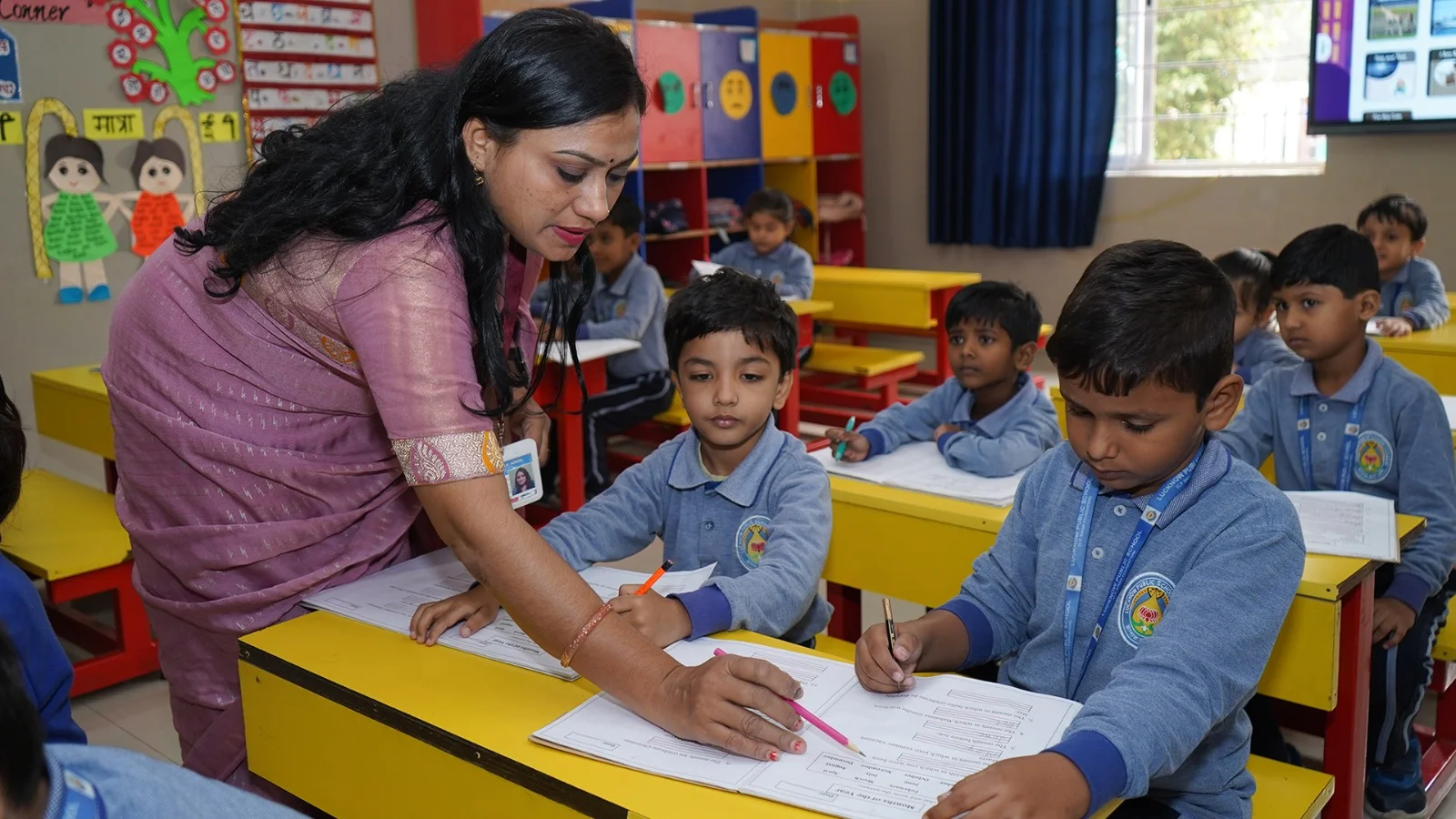
Every parent in Unnao eventually asks the same question: "Where can my child get a good education without losing the values we're trying to teach at home?"
Marks matter, of course. But most of us also want a child who says "thank you" without being reminded, owns up to mistakes, and is kind to the classmate sitting alone. That kind of character doesn't appear in Class 9. It starts much earlier, in the first classroom your child ever walks into.
That's why the search for a CBSE school with strong discipline and values often begins with finding the best play school in Unnao.
Why the Early Years Shape Everything
Between ages 2 and 6, children absorb habits, manners, and attitudes like sponges. They learn how to share, wait for their turn, listen to others, and handle frustration. A preschool that treats these moments as part of the curriculum, not as interruptions to it, gives a child a foundation that lasts for years.
A good early-years program isn't about pushing alphabets and numbers at a three-year-old. It's about building the person who will eventually learn those things eagerly.
What "Discipline" Should Really Mean for Little Ones
Discipline has a bad reputation. Many people picture strict teachers, raised voices, and silent rows of children. That isn't what a good school does.
For young children, healthy discipline looks like this:
- Routine and rhythm. Children feel secure when they know what comes next: circle time, activity, snack, play.
- Clear, kind boundaries. They learn what's okay and what isn't, and why.
- Self-control through practice. Waiting in line, putting toys back, and using gentle hands are small lessons that add up.
- Consistency between adults. When teachers and parents send the same message, children respond far better.
The goal is a child who behaves well because they understand and care, not one who behaves out of fear.
Values Are Taught Daily, Not Just Celebrated Once a Year
A poster on the wall saying "Be Kind" doesn't make a child kind. Values stick when children see them, practice them, and get gently guided when they slip.
In a strong preschool, you'll notice things like:
- Teachers who greet each child by name and model respectful speech
- Group activities that reward teamwork over winning
- Storytelling that introduces honesty, gratitude, and empathy
- Simple responsibilities, such as helping tidy up or watering a plant
- Respect for elders, festivals, and traditions, along with respect for others' differences
These moments seem small, but they form a child's inner compass.
Why a CBSE Pathway Makes Sense
Many parents in Unnao prefer CBSE because it offers a structured, nationally recognised curriculum and prepares students well for competitive exams like NEET, JEE, and CUET later on. Choosing a preschool that aligns with CBSE-style learning means your child's transition into primary school feels natural, not abrupt.
The right early-years program builds curiosity, language skills, number sense, and motor skills in a way that fits smoothly with what comes next. Your child arrives in Class 1 confident instead of overwhelmed.
Where The LPS Fits In
At The LPS, we believe a child's first school experience should feel warm, safe, and purposeful. We see early education as more than preparation for exams. It's the start of building good human beings.
Our approach rests on a few simple beliefs:
1. Children learn best when they feel secure. A frightened or anxious child can't explore freely. We put emotional comfort first, and learning follows.
2. Character grows through everyday moments. Sharing a toy, saying sorry, helping a friend: these are the real lessons, and our teachers use them deliberately.
3. Parents are partners. We keep communication open and honest, because the values children learn at school are strongest when they're echoed at home.
4. Play is serious work. Through games, stories, music, and hands-on activities, children build the thinking and social skills they'll need for life.
If you're searching for the best play school in Unnao, we'd love for you to visit, see our classrooms, and meet the teachers who will spend hours with your child each day.
How to Choose the Right Play School: A Quick Parent Checklist
Whichever school you consider, here are questions worth asking on your visit:
- How do teachers handle misbehaviour? Look for guidance and patience, not punishment or shaming.
- What does a typical day look like? There should be a balance of structured learning, free play, rest, and outdoor time.
- How are values taught? Ask for real examples, not just slogans.
- What's the teacher-to-child ratio? Smaller groups mean more individual attention.
- How safe is the campus? Check for secure entry, clean spaces, and child-friendly infrastructure.
- How often will you hear about your child's progress? Regular updates show a school that values partnership.
- Do the children look happy? This is the best test. Watch their faces.
Trust your instincts during the visit. If the atmosphere feels calm, caring, and lively at the same time, that's a good sign.
A Final Thought for Parents
Choosing a school is one of the biggest decisions you'll make for your child, and it can feel heavy. But you don't need a perfect school. You need one that shares your values, respects your child as an individual, and works with you rather than around you.
Academic success will come with the right guidance. Kindness, discipline, honesty, and confidence are harder to teach later, so give them a strong start in the early years.
If you're ready to see what a values-driven early education looks like, The LPS welcomes you to visit, ask questions, and take your time. Your child's first steps into learning deserve to be taken in the right place.
Frequently Asked Questions (FAQs)
1. At what age should I enrol my child in a play school in Unnao? Most children start between 2 and 3 years old, when they're ready for short periods of group interaction. Every child is different, so visit the school and see whether your child seems comfortable and curious in the environment.
2. How does a play school teach discipline without being strict? Good play schools use routines, gentle reminders, positive reinforcement, and clear boundaries. Children learn self-control through daily habits like waiting for their turn, tidying up, and listening during story time, not through fear or harsh correction.
3. What makes The LPS different from other play schools in Unnao? The LPS focuses on the whole child: emotional comfort, good habits, values, and early learning. Our teachers work closely with parents so that the lessons children learn at school are reinforced at home.
4. Will attending a play school help my child in a CBSE primary school later? Yes. A well-planned play school builds language, number sense, motor skills, and social confidence, all of which make the move into a CBSE primary school smoother. Children who start with a strong foundation usually adapt faster and enjoy learning morbest play school in unnao e.
5. How can I tell if a play school truly teaches values and character? Look beyond posters and promises. Ask how teachers respond when children argue, how they encourage kindness and sharing, and what daily activities support good behaviour. Watching a class in action will tell you more than any brochure.