Sign up with Google
 Sign in with Zoho

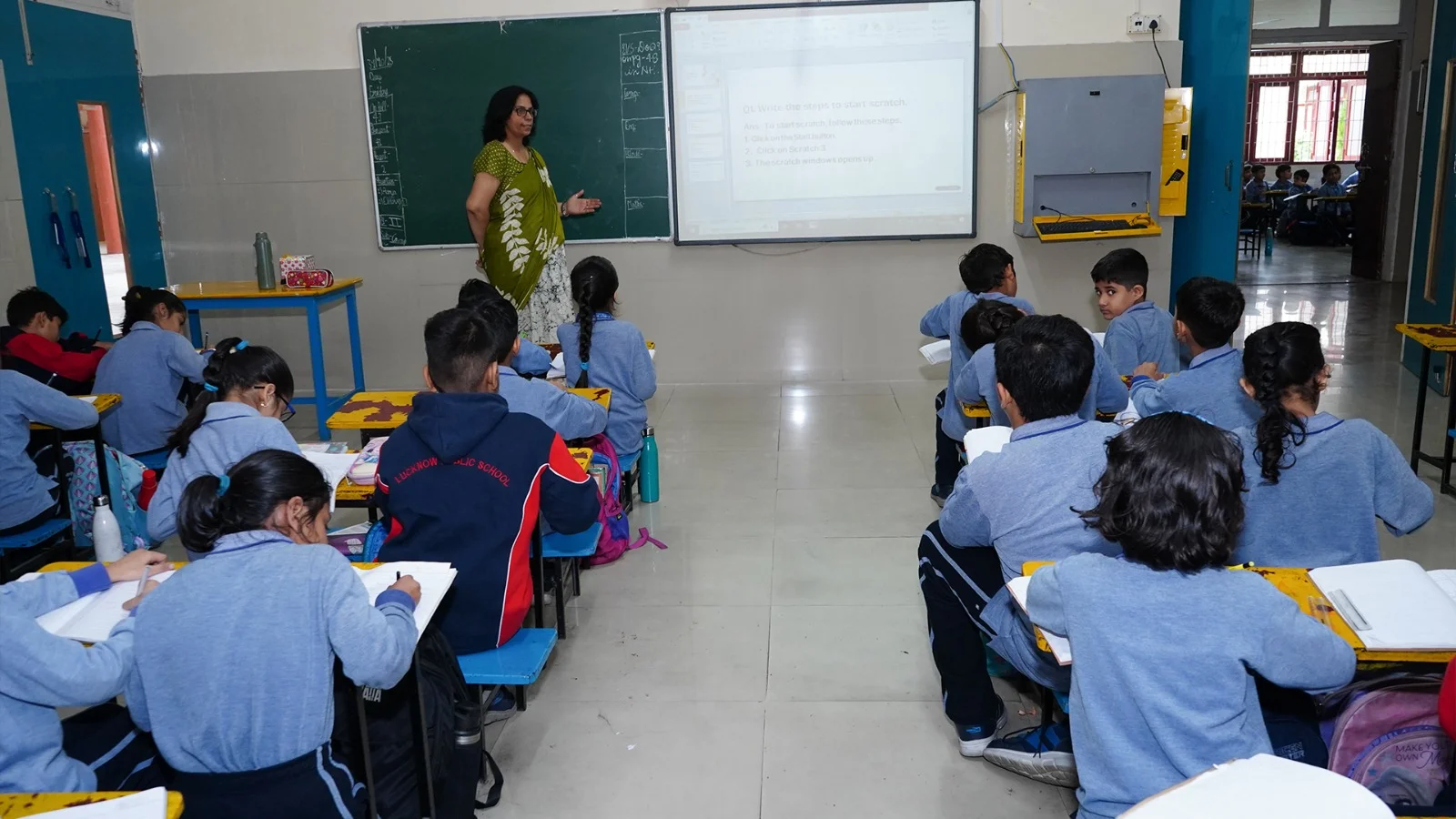
Will they actually learn something or just memorise enough to pass exams? And in a city like Lucknow, where the number of schools seems to grow every year, how do you even begin to shortlist the right one?
If you're a parent currently searching for an English medium school in Lucknow, you've probably already noticed that the choices range from traditional convent-style institutions to more progressive setups following Montessori methods. Both have their place, but they serve very different educational philosophies. This guide walks you through what actually matters when picking a school, so you can make a decision you won't second-guess later.
Why English Medium Still Matters
There's an ongoing debate about whether English medium education is overrated, but the practical reality hasn't changed much. Competitive exams, higher education, and most professional environments in India still operate primarily in English. Enrolling your child in an English medium school gives them a head start with the language in a low-pressure, immersive way, rather than scrambling to catch up later.
That said, not all English medium schools are created equal. Some focus purely on rote learning dressed up in English vocabulary, while others build genuine fluency through conversation, reading, and creative expression. When you're evaluating a modern school in Lucknow, ask to sit in on a class if possible. You'll learn more in twenty minutes of observation than from any prospectus.
Modern vs. Montessori: What's the Real Difference?
This is where a lot of parents get stuck, especially for younger children.
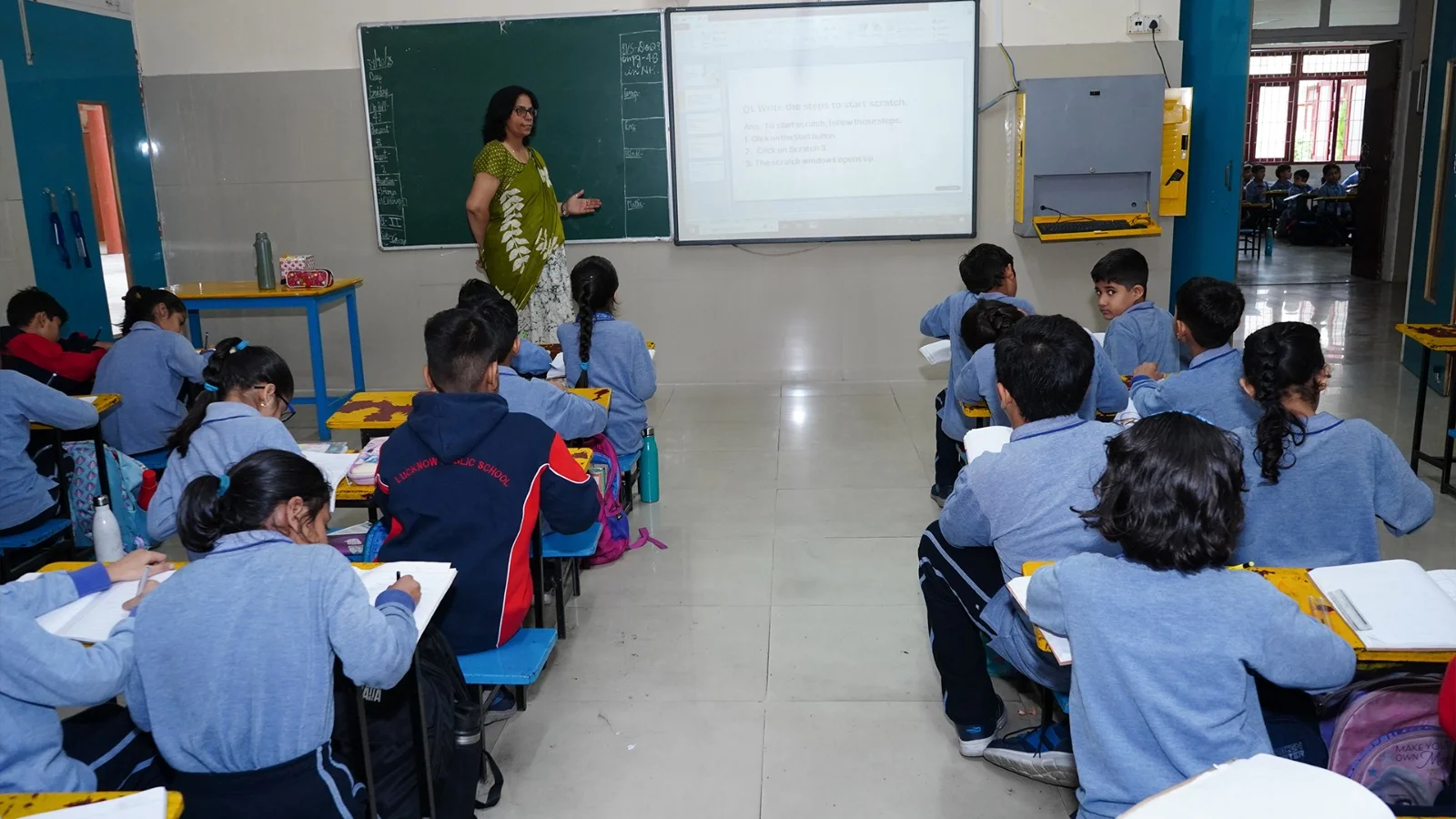
A modern school typically follows a structured curriculum with defined subjects, timetables, and assessments. It's built around preparing children for board exams eventually, with a clear academic trajectory from nursery through senior secondary. If your child thrives with routine and you want an early introduction to structured learning, this format tends to work well.
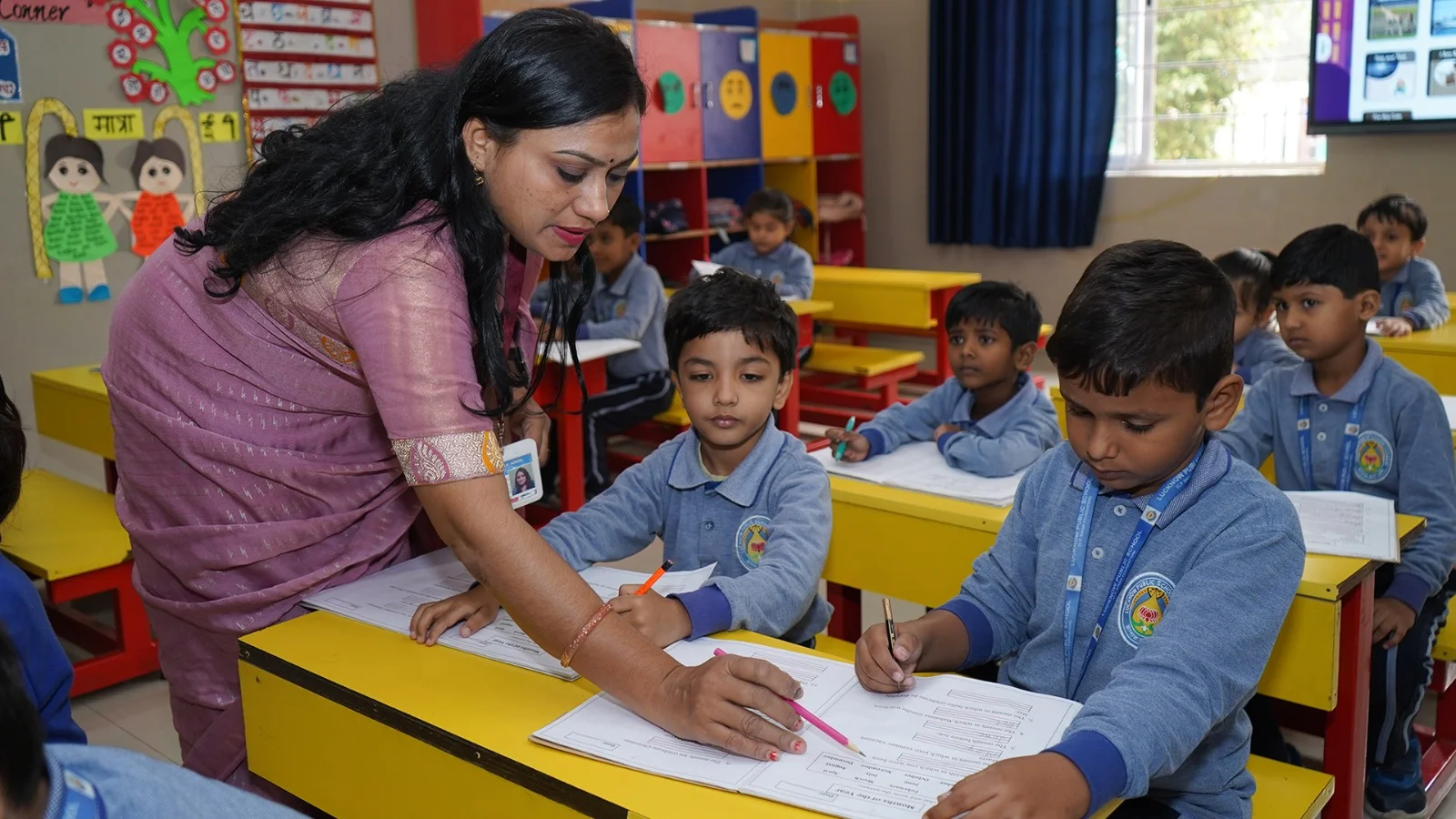
A Montessori school in Lucknow, on the other hand, follows a child-led approach. Kids move at their own pace, explore hands-on materials, and are encouraged to develop independence and problem-solving skills before formal academics take centre stage. Montessori is particularly effective for children aged 2 to 6, since it nurtures curiosity without forcing early academic pressure.
Neither approach is objectively better it depends on your child's temperament and your family's priorities. Some schools, like The LPS, actually blend both worlds by offering Montessori-based early years programs that transition smoothly into a structured, modern English medium curriculum as children grow older. This kind of continuity can be a real advantage, since your child doesn't have to switch environments and adjust to an entirely new teaching style right when they're settling into school life.
Key Factors to Evaluate Before You Enroll
Once you've decided on the broad educational philosophy, here's what to actually check before signing up:
1. Teacher-to-student ratio Smaller class sizes mean your child gets noticed, not lost. This matters even more in the early years, where individual attention shapes confidence and foundational skills.
2. Infrastructure and safety Visit the campus in person. Look at classrooms, play areas, hygiene standards, and whether the space feels genuinely designed for children, not just repurposed office space.
3. Curriculum transparency Ask what board the school follows (CBSE, ICSE, or state board) and how the curriculum is structured year by year. A good school won't hesitate to walk you through this in detail.
4. Extracurricular balance Academics matter, but so does everything else — sports, art, music, and social skills. A well-rounded school understands that childhood development isn't just about textbooks.
5. Parent involvement and communication Does the school have regular parent-teacher interactions? Are you kept informed about your child's progress beyond just report cards? This ongoing communication often reflects how much the school genuinely cares about outcomes versus just enrolment numbers.
6. Location and commute It sounds practical rather than pedagogical, but a long daily commute affects a young child's energy and mood more than most parents anticipate. Proximity matters more than people initially assume.
Making the Final Decision
After shortlisting two or three schools, don't just rely on brochures or websites. Talk to other parents whose children already attend. Ask about the day-to-day experience not just academic results, but whether children actually enjoy going to school. That's often the most honest indicator of quality.
If you're exploring options that combine the nurturing, exploratory style of Montessori with the discipline of a structured English medium curriculum, it's worth visiting a school like The LPS, which has built its reputation around offering both under one roof. Schools that can offer this continuity often reduce the disruption of switching institutions later, which can be a meaningful factor for many families.
Final Thoughts
There's no universal best school" only the best fit for your child and your family's values. Whether you lean toward a modern, exam-orientated structure or a Montessori-style, child-led environment, the goal remains the same: a place where your child feels safe, curious, and genuinely excited to learn.
Take your time, visit campuses, ask uncomfortable questions, and trust your instincts alongside the research. The right English medium school in Lucknow isn't just about academics on paper; it's about finding an environment where your child can actually thrive.