Sign up with Google
 Sign in with Zoho
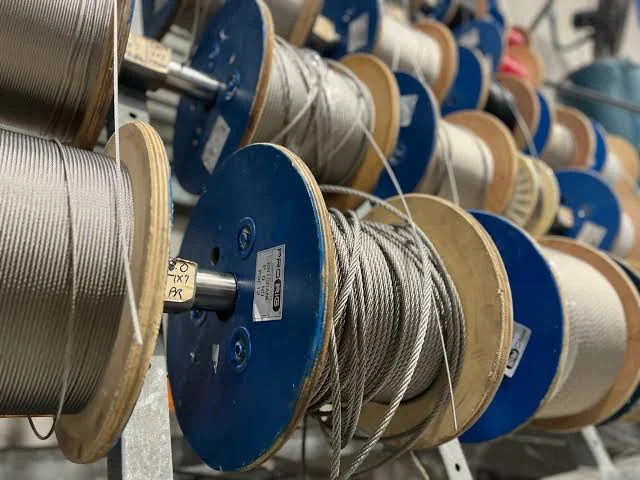
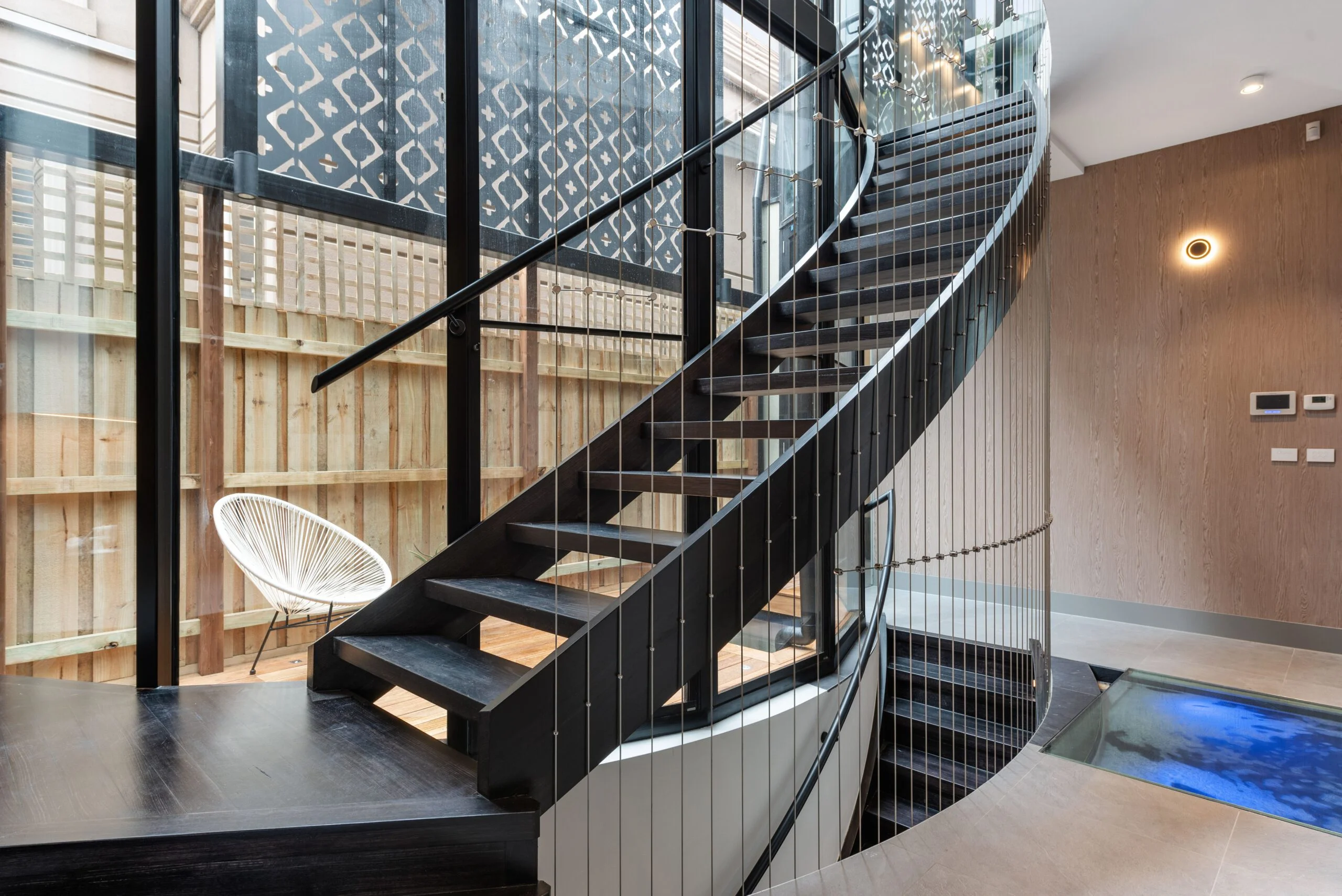
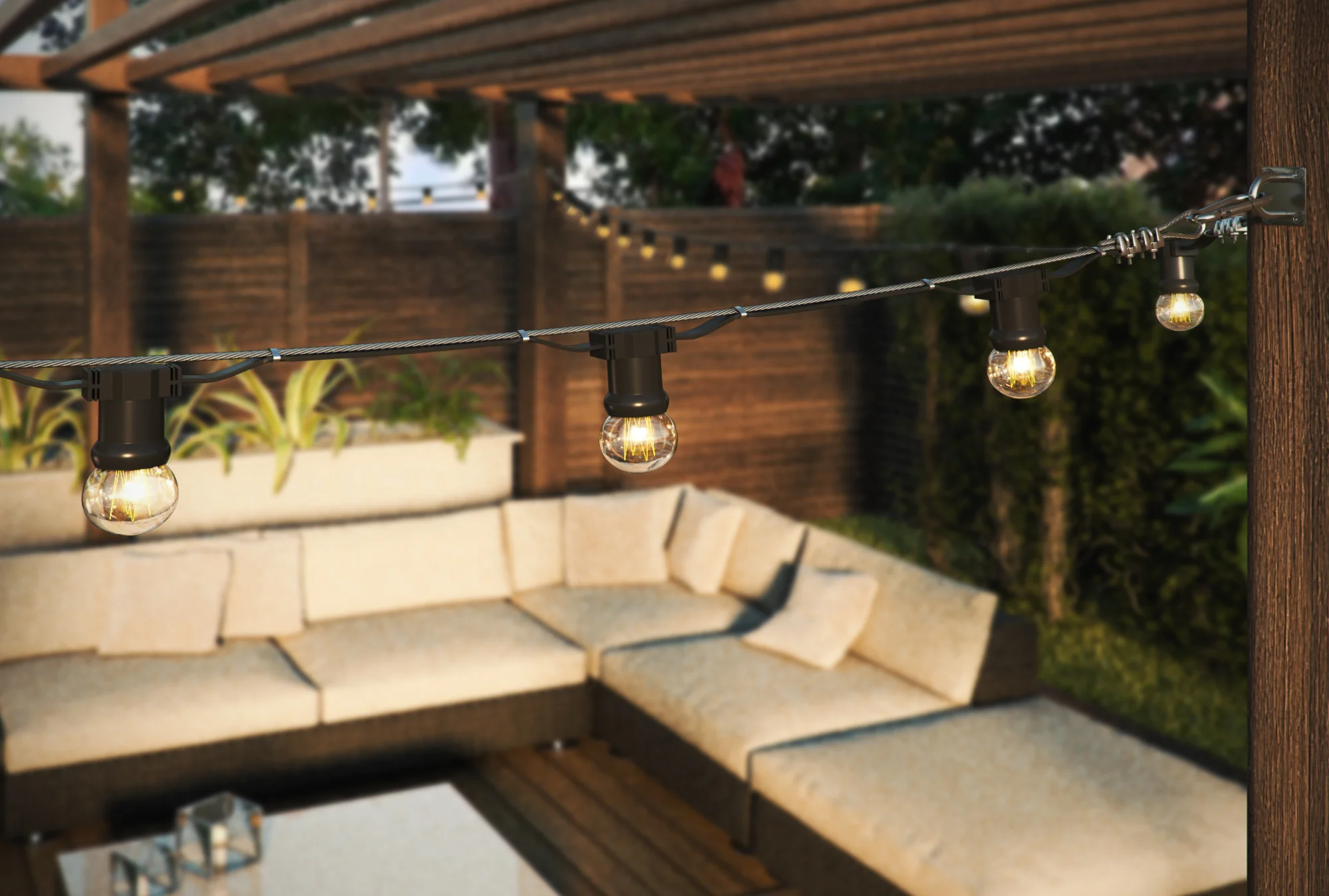
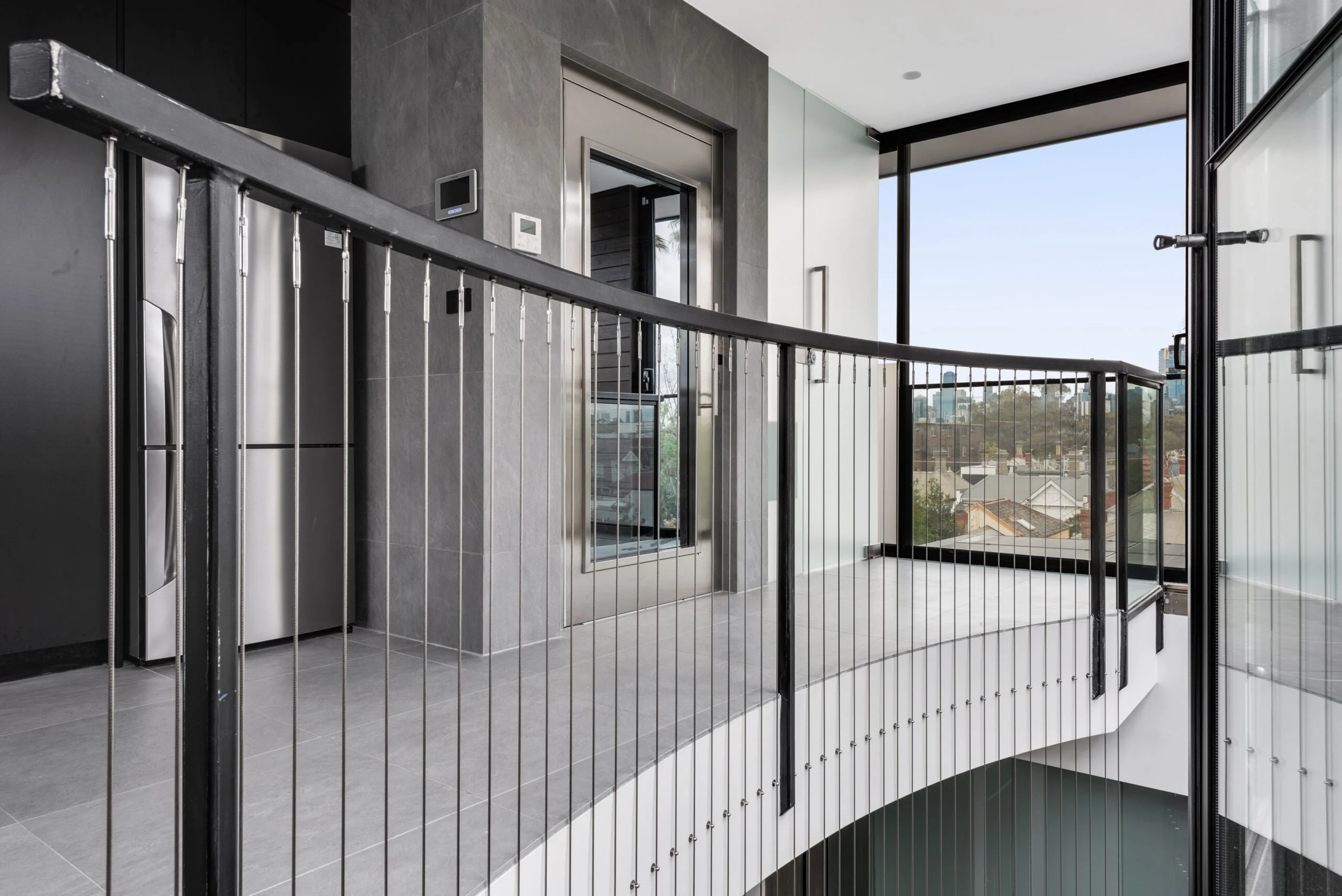
Selecting the right tensile materials transforms both residential decking projects and complex commercial building facades into enduring architectural statements. Specifying certified stainless steel wire rope provides the baseline balance of tensile endurance, ductility, and aesthetic minimalism needed to meet stringent modern building codes without obstructing clear environmental vistas. Across marine rigging, shade sail tensioning, interior balustrades, and structural green facades, these high-spec cable assemblies carry continuous static loads while braving corrosive atmospheric conditions, airborne particulates, and shifting seasonal temperatures. When commercial builders, structural engineers, and skilled trades choose properly graded strand geometries paired with precision-machined end terminals, they significantly minimize operational downtime, lower lifecycle maintenance overheads, and guarantee long-term safety across heavy-use installations.
Strand Geometries and Mechanical Dynamics: Understanding 1x19, 7x7, and 7x19 Configurations
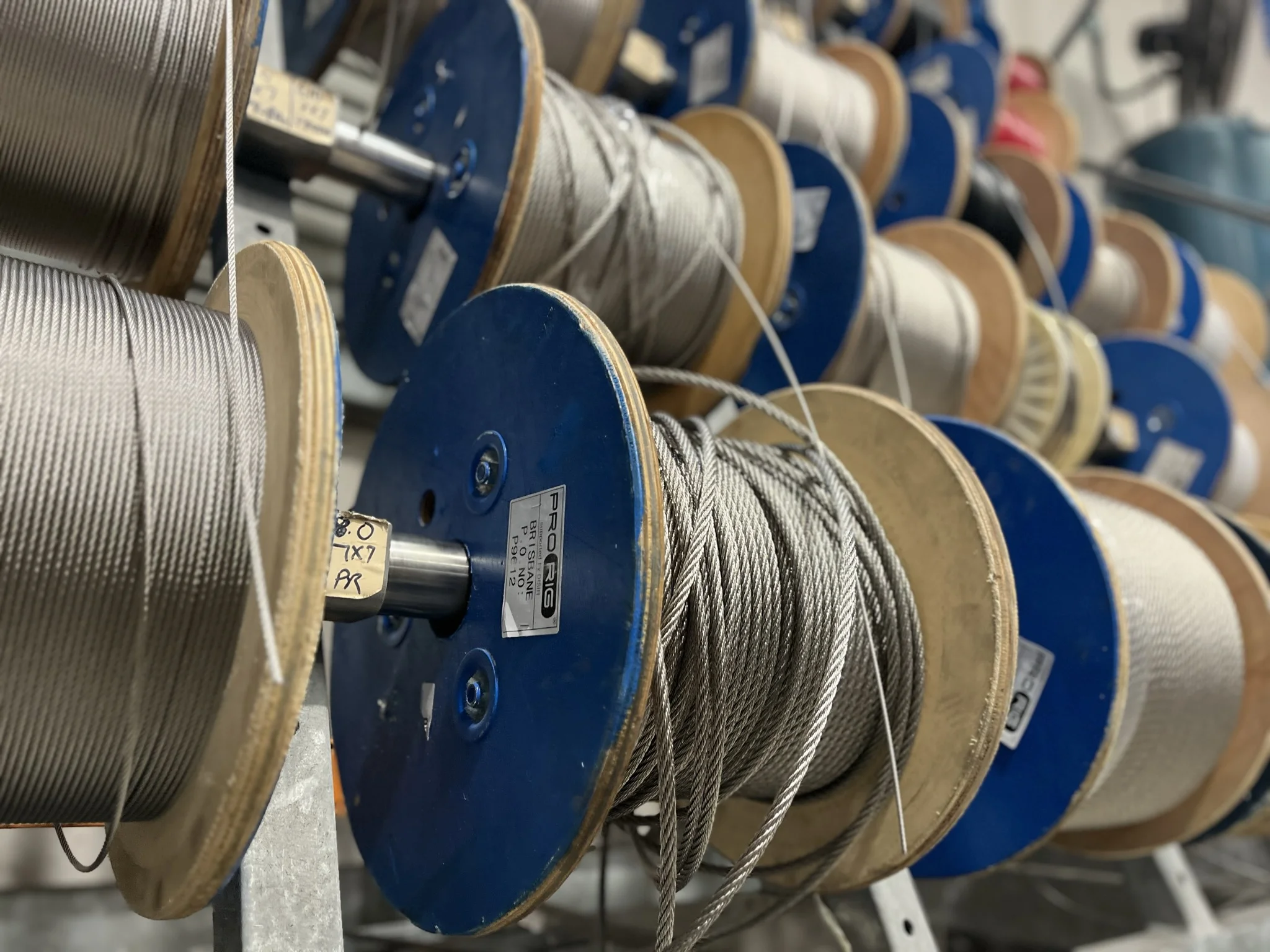
A cable assembly’s working behavior stems directly from how its individual drawn filaments are braided, wound, and layered around a core. The ultra-stiff 1x19 construction features nineteen heavy-gauge outer wires wound tightly over a single core wire, yielding an exceptionally dense, low-stretch profile that holds calibrated tension runs across straight horizontal balustrades or structural bracing rods without creeping over time. In contrast, the 7x7 lay binds seven distinct strands of seven fine filaments each, striking an optimal middle ground between hand-swaging flexibility and tensile resistance for intermediate turns, security lifelines, or residential fencing runs. For applications demanding continuous articulation through pulleys, lifting hoists, marine winches, and tight-radius directional sheaves, the ultra-pliable 7x19 multi-strand design provides exceptional cyclic fatigue endurance, ensuring the steel braids roll smoothly over sheaves without kink development, bird-caging, or sudden wire fracture.
Sourcing Heavy-Duty Reliability from an Industry-Recognised Trade Stainless Supplies Partner
Sourcing architectural hardware from a dedicated Trade stainless supplies stockist guarantees certified alloy traceability and mechanical consistency that generic retail shelves simply cannot match. Structural assemblies endure severe shear stresses, dynamic live shock loads, and harsh microclimates, making verified Grade 316 (marine) or duplex compositions a non-negotiable prerequisite to avoid premature pitting or catastrophic strand failure. Professional trade suppliers support fitters with in-house hydraulic swaging facilities, custom-cut spool lengths, calibrated tension meters, and batch material test certificates, ensuring every single fitting matches the exact engineering specifications of the underlying plans. Working directly with specialized trade specialists also eliminates unpredictable supplier lead times on large commercial jobs, providing immediate access to matched turnkey kits, CNC-turned terminals, and specialized isolation components designed to prevent costly galvanic reactions between dissimilar metals.
Essential Structural and Environmental Advantages of Premium Cable Systems
- Substantial High-Tension Strength-to-Weight Ratio: Precision-drawn steel strands deliver massive break-load resistance with negligible deadweight load on timber joists, steel uprights, and concrete anchor pads.
- Superior Coastal Pitting and Marine Resistance: Enriched with 2% to 3% molybdenum, marine-grade alloys consistently deflect corrosive salt air, coastal mist, chlorinated pool vapor, and harsh urban smog without loss of cross-sectional area.
- Unimpeded Airflow and Thermal Balance: Unlike solid glass walls or heavy timber pickets that block sea breezes and create thermal heat traps on balconies, slender wire runs maintain natural cooling breezes and open vistas.
- Low Aesthetic Profile with Extreme Visual Clarity: Clean 3.2mm to 4.0mm cable diameters all but vanish into panoramic backdrops, accentuating surrounding landscapes, gardens, and modern architectural lines.
- Predictable Elastic Limits and Minimal Creep: High-spec pre-stressed strand runs retain firm, calibrated tensioning values over extended timeframes, reducing the need for constant site re-tensioning and turnbuckle tuning.
Managing Breaking Loads, Safe Working Thresholds, and Deflection Control
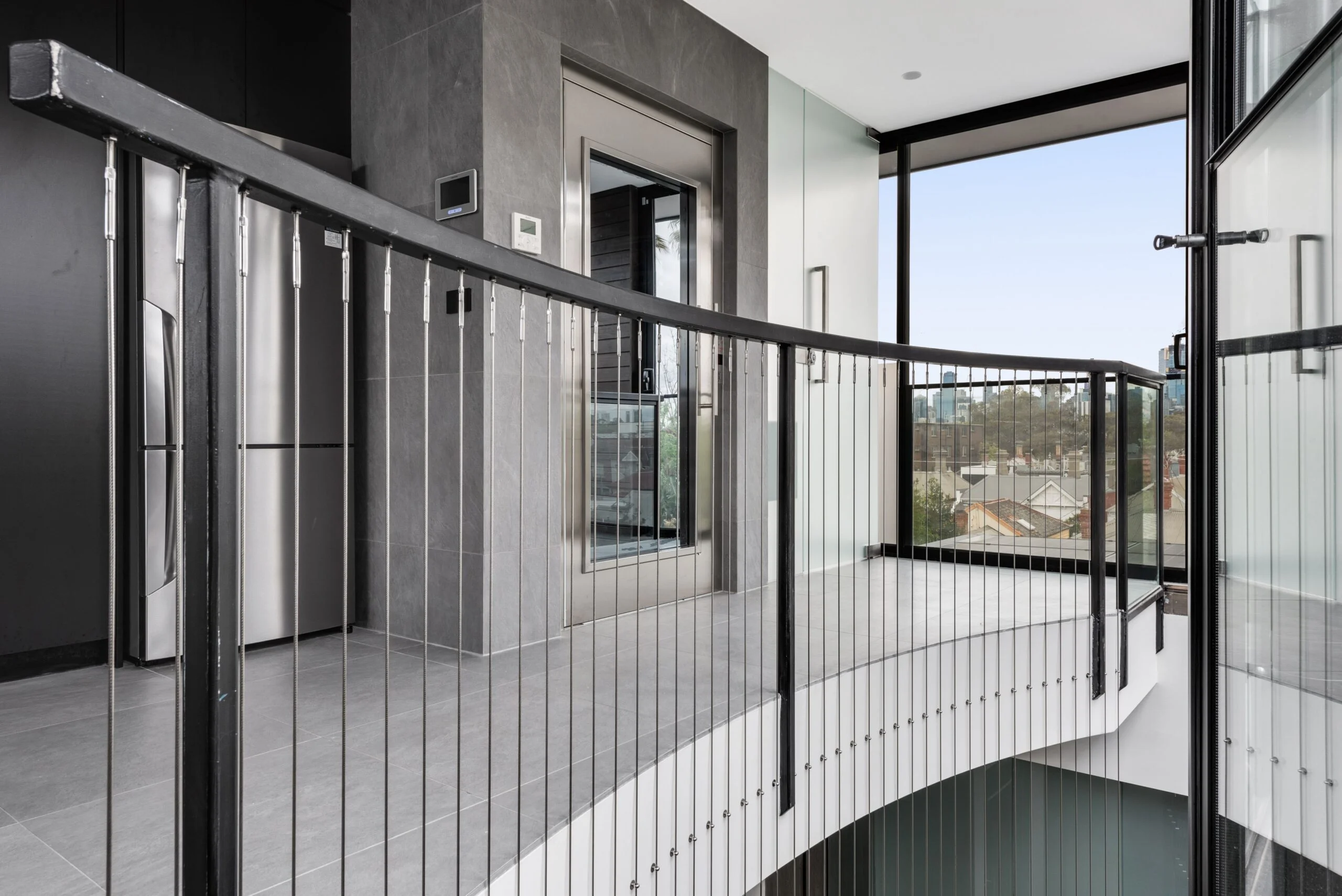
Ensuring long-term structural safety requires a solid grasp of minimum breaking force (MBF) versus safe working load (SWL), typically balancing assemblies around a safety factor of 5:1 for rigging, hoisting, and critical architectural edge barriers. When horizontal runs must comply with regional fall-prevention regulations, cables must resist lateral deflection forces to prevent opening up gaps wider than the standardized 100mm spherical testing sphere. Installers must account for both initial structural post deflection and aggregate cable pull; tensioning twelve individual horizontal strands to 1.2 kN simultaneously can exert tons of inward bending force against corner newels, pulling intermediate anchors out of plumb unless properly braced with sturdy top rails or bottom struts. Strategically positioning intermediate dropper bars or low-profile spreaders every 1.2 to 1.5 meters stabilizes the assembly, preserving uniform wire spacing while keeping post dimensions sleek and cost-effective.
Termination Mechanics: Field Mechanical Locking vs. Factory Hydraulic Swaging
Choosing the ideal termination hardware determines whether an installation demands on-site adjustability or the absolute streamlined minimalism of factory-pressed connections. Factory hydraulic swaging cold-presses seamless marine-grade sleeves directly around the core strands using calibrated stationary roller presses, creating a permanent, cold-welded mechanical bond rated to the full breaking strain of the cable without bulky collars or exposed wire ends. On jobs where site measurements change on the fly or accessibility prevents bringing in heavy swaging machinery, modular field-swaged mechanical lock systems featuring internal conical wedges or multi-stage internal hex grips allow trades to cut, adjust, and lock cable runs on site with standard hand spanners. While modular systems provide indispensable site flexibility during complex renovations, high-volume commercial projects generally favor factory-swaged, made-to-measure runs that slash on-site installation labor and guarantee uniform, factory-tested consistency across every cable line.
Five Proven Maintenance Protocols for Preserving Architectural Stainless Finishes
- Schedule Periodic Clean-Water Washdowns: Rinse external cable runs, turnbuckle threads, and end-fittings with clean tap water every three to six months to wash away accumulated marine salt crusts and airborne industrial pollutants before pitting can take hold.
- Apply Lanolin Barrier Films to Moving Fasteners: Coat exposed male threads, lock nuts, and turnbuckle barrels with protective lanolin grease or marine anti-seize paste during installation to permanently prevent thread galling, binding, and crevice corrosion.
- Remove Cosmetic Tea-Staining with Passivating Cleaners: Clear away superficial brown surface iron oxides caused by coastal salt fallout using specialized, non-abrasive phosphoric acid formulations that restore the natural chromium-oxide passive film.
- Isolate Carbon Steel Tools to Prevent Cross-Contamination: Never cut or dress stainless strands with angle-grinder discs, wire brushes, or vice grips previously used on ordinary mild carbon steel, as airborne carbon iron dust creates rapid pinpoint rust spots.
- Perform Annual Tension Audits with Calibrated Gauges: Inspect runs annually with a mechanical tension gauge, gently taking up any slack caused by timber post settling, building movement, or thermal contraction cycles to ensure continuous code compliance.
Conclusion
Incorporating well-engineered wire assemblies elevates any architectural build, balancing industrial strength, understated modern aesthetics, and verified fall protection. By matching proper strand configurations to project dynamics, observing strict deflection and span standards, and sourcing verified alloys from certified distributors, installers guarantee an enduring, low-maintenance asset that stands strong through years of weather exposure. From high-end residential patio updates and hillside timber decks to massive multi-tier commercial shade sails and architectural green facades, dependable rigging hardware makes all the difference in safety and finish. Source your complete architectural hardware assemblies, custom-swaged cables, and specialized fittings from Miami Stainless to bring certified structural durability, trade pricing, and modern styling to your next project.
Frequently Asked Questions
1. What is the primary functional difference between Grade 304 and Grade 316 wire rope?
Grade 304 contains 18% chromium and 8% nickel, providing solid corrosion resistance for clean, dry indoor architectural runs, interior stairwells, or sheltered retail fit-outs. Grade 316 contains an additional 2% to 3% molybdenum, which radically enhances resistance to chloride pitting, chemical attack, and coastal salt spray, making it the mandatory standard for outdoor decks, coastal balconies, marine rigging, and poolside balustrades.
2. Why is 1x19 wire preferred over 7x7 for horizontal balustrading?
1x19 wire is wound with nineteen thick, solid wires in a tight helical bundle, giving it high axial stiffness and very low structural elasticity. When pulled across straight horizontal balustrades, 1x19 wire holds calibrated tension with negligible long-term sag, helping barriers easily pass the 100mm spherical deflection test without needing frequent seasonal re-tensioning.
3. Can stainless wire rope be cut with regular side cutters or a hacksaw?
No, cutting multi-strand stainless cable with standard side cutters or a dull hacksaw crushes the bundle, frays the individual strands, and flattens the end profile, making it nearly impossible to slide into swaging sleeves or mechanical lock fittings. Installers should always use heavy-duty, purpose-built triangular shear wire cutters or high-speed cutoff wheels wrapped tightly in masking tape to achieve a clean, unfrayed cut.
4. What is thread galling, and how do you prevent it on stainless turnbuckles?
Thread galling (or cold welding) occurs when friction and pressure during tightening strip away the protective passive chromium-oxide surface film, causing the microscopic surface ridges of male and female stainless threads to seize, weld, and lock permanently. It is easily prevented by applying a high-quality marine anti-seize lubricant, lanolin grease, or PTFE thread paste to all turnbuckles, nuts, and swage stud threads before assembly.
5. How do I prevent galvanic corrosion when mounting stainless wire fittings into aluminum posts?
Galvanic corrosion occurs when two electrochemically dissimilar metals such as stainless steel and aluminum come into direct physical contact in the presence of an electrolyte like rainwater or sea spray. To prevent this, installers should always fit non-conductive nylon isolation washers, neoprene pads, or specialized plastic grommets between the stainless terminals and the aluminum post walls, breaking the electrical path and stopping metal degradation.