Sign up with Google
 Sign in with Zoho
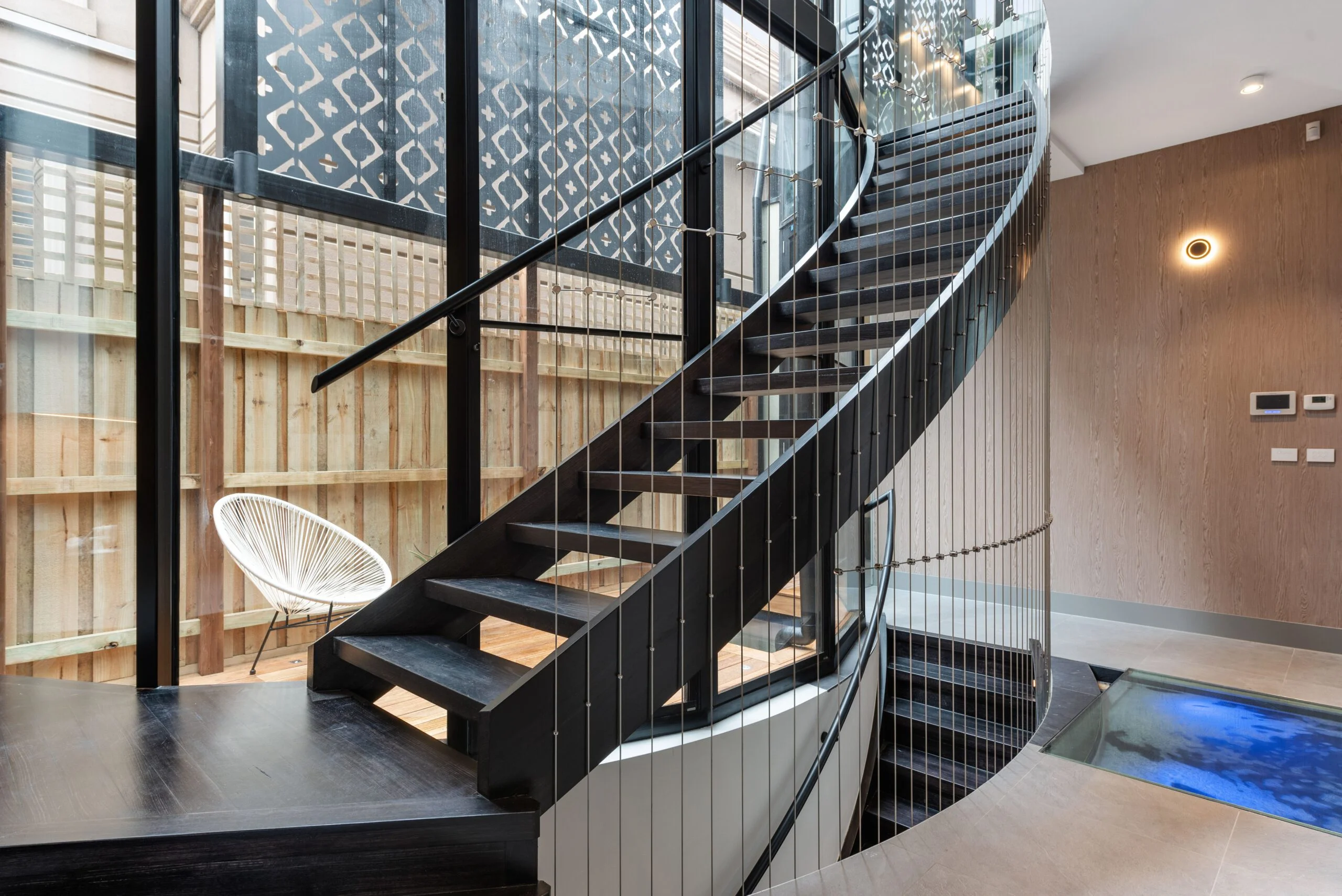
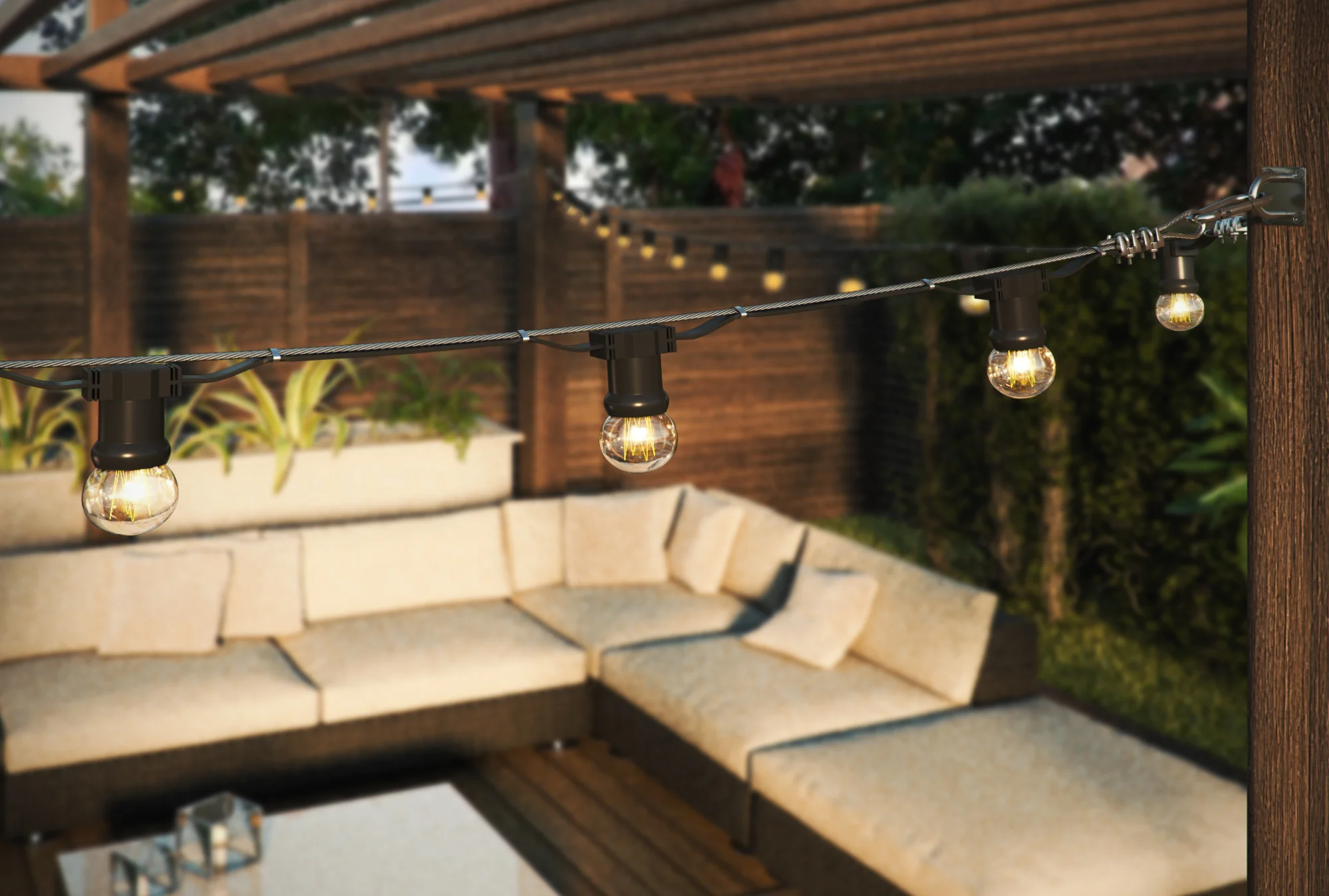
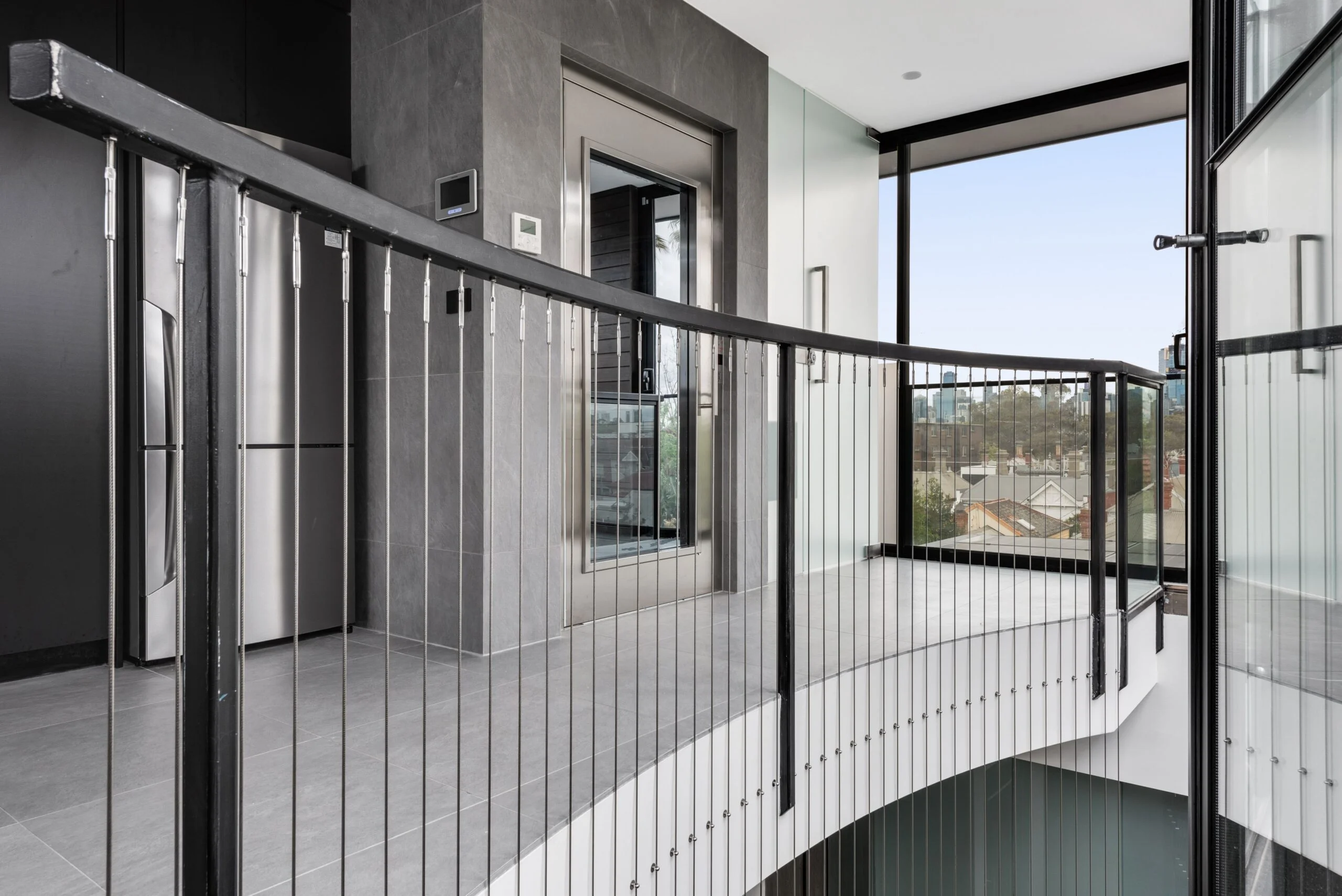
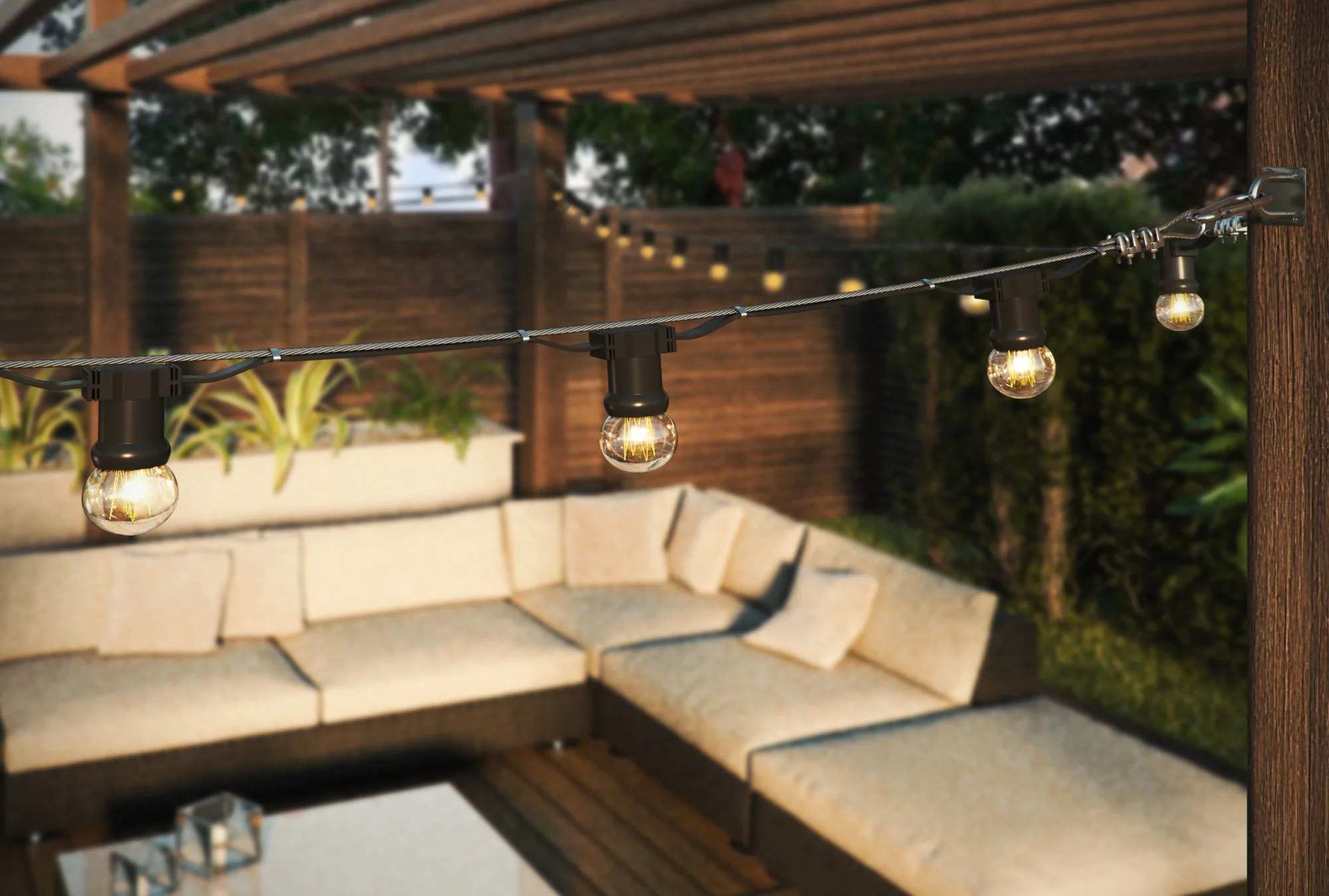
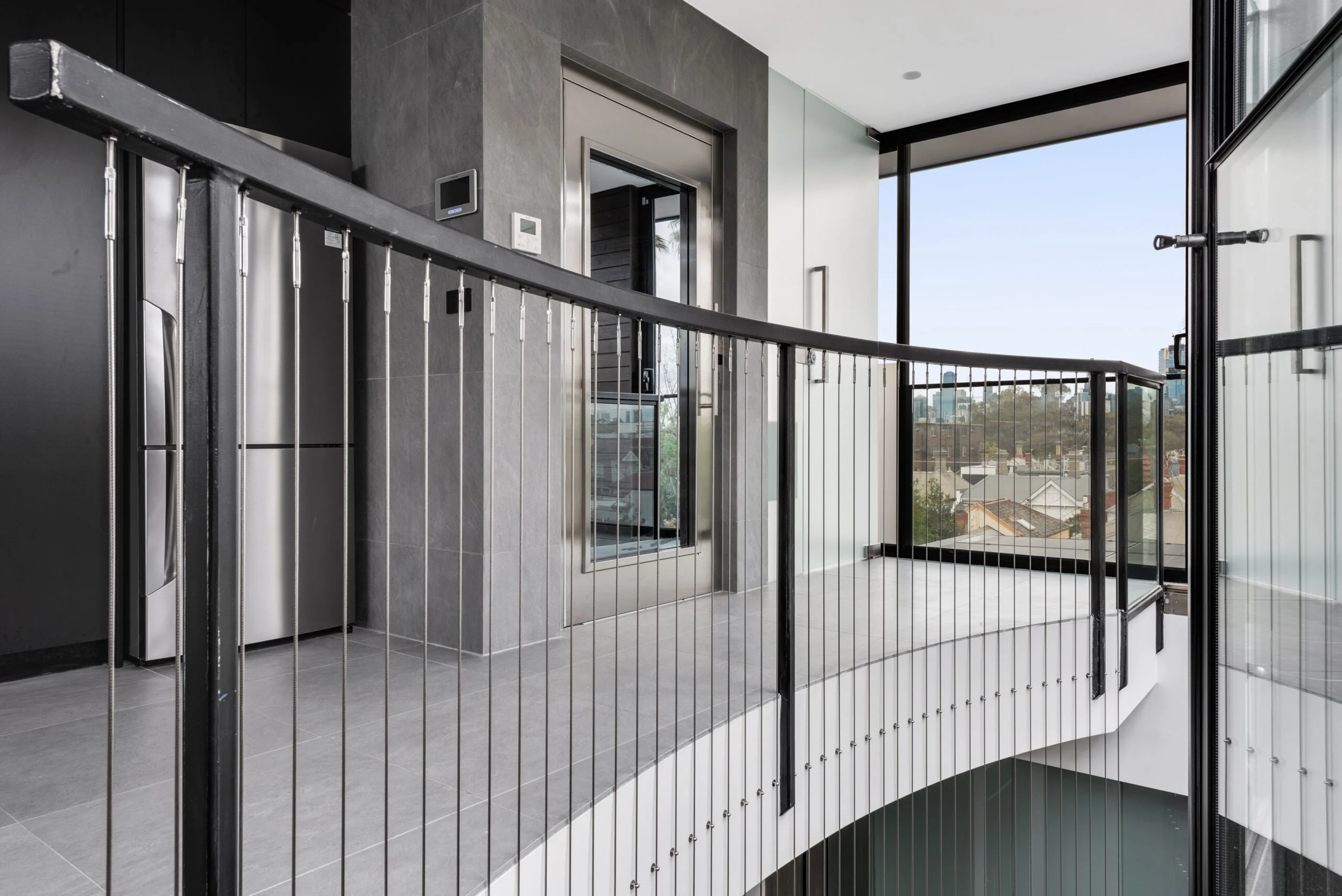
Modern architectural balustrades, green walls, shade structures, and marine rigging rely heavily on structural cables to deliver an unobstructed field of view without sacrificing tensile security. Among all options, premium Stainless steel wire rope stands out as the ultimate material for high-tension applications due to its exceptional strength-to-weight ratio, sleek metallic aesthetic, and resilience against severe weather conditions. However, achieving a flawless, long-lasting installation requires more than just stretching cable between two anchor points; it demands meticulous engineering, accurate wire construction selection, and high-grade hardware compatibility. Whether you are designing a coastal residential balcony balustrade or a complex commercial structural canopy, understanding the technical nuances of wire rope rigging ensures safety, compliance, and enduring visual appeal for decades.
Understanding Construction Types: 1x19, 7x7, and 7x19 Wire Ropes
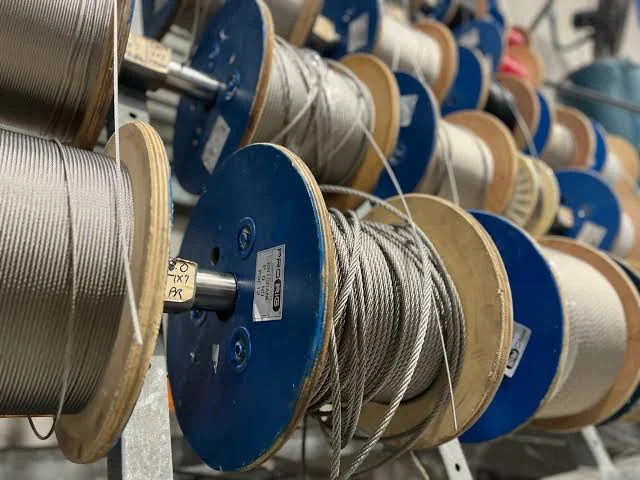
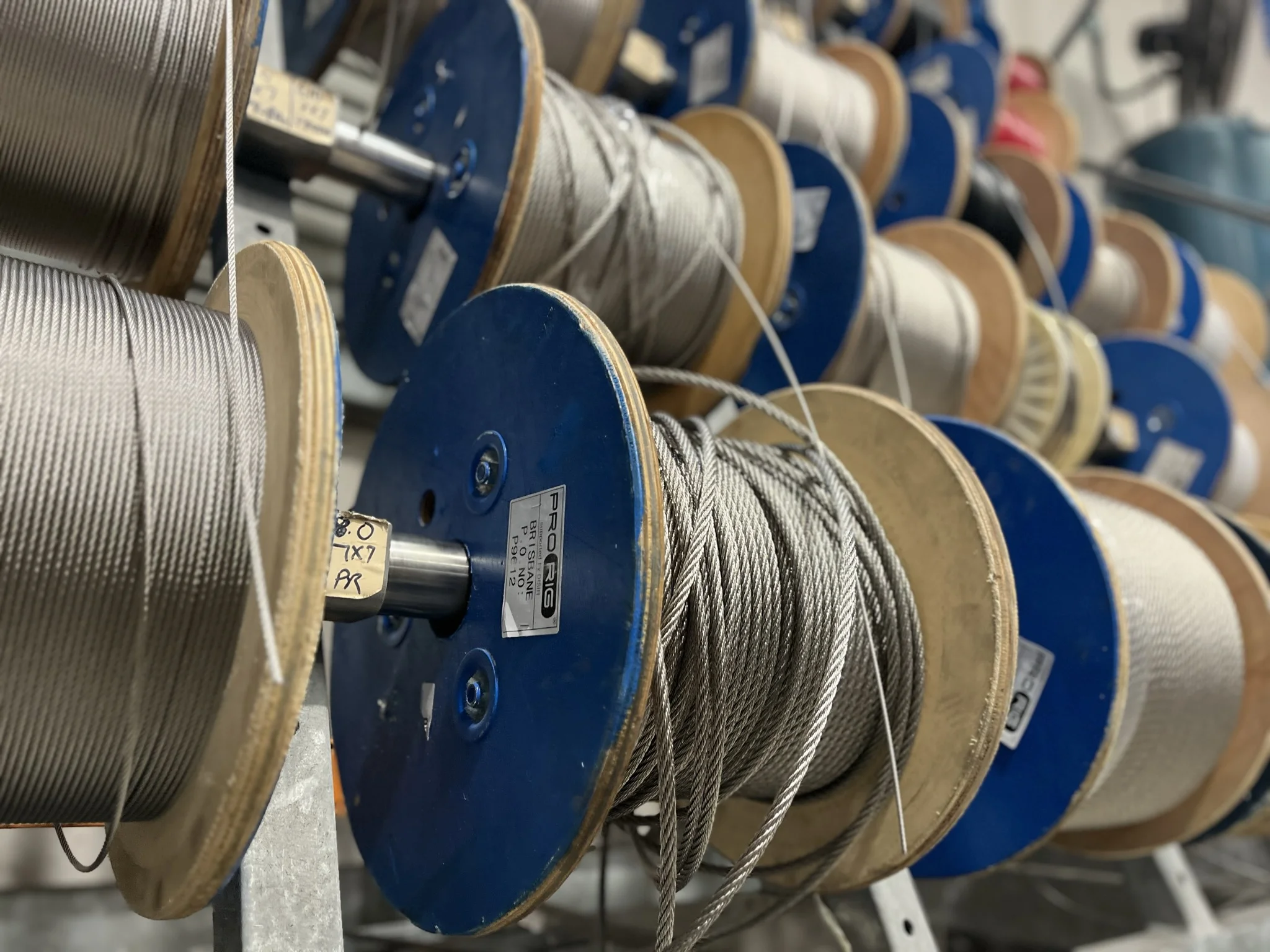
Selecting the correct wire configuration is the foundation of any successful rigging project, as different strand counts dictate flexibility, stretch characteristics, and load capacity. A 1x19 construction consists of a single strand made of 19 individual wires, creating a stiff, smooth, and semi-rigid cable that offers low stretch and a sleek aesthetic, making it the industry standard for architectural balustrades and wire handrail systems. In contrast, 7x7 wire rope features seven strands of seven wires each, offering moderate flexibility suitable for longer runs or light-duty industrial applications where slight bending is required. For applications demanding extreme flexibility such as running through complex pulleys, winches, or dynamic marine rigging a 7x19 construction utilizes 19 strands of seven wires, providing superior fatigue resistance under repetitive bending stress. Matching the exact strand layout to your structural needs prevents premature fraying, slackness, and operational failure.
Why Marine-Grade 316 Steel is Non-Negotiable for Outdoor Rigging
The chemical composition of your wire rope dictates how it reacts to environmental elements, particularly in coastal zones, industrial parks, or chlorinated pool enclosures. While Grade 304 offers great durability for indoor architectural components, outdoor structural rigging exposed to airborne salt spray, humidity, and chemical fallout requires Grade 316 marine-grade steel. The defining differentiator of Grade 316 is the addition of 2% to 3% molybdenum, a crucial alloying element that actively resists pitting and crevice corrosion caused by chloride ions. Without this protection, exterior cables quickly succumb to tea-staining, surface oxidation, and micro-cracking that drastically reduces their nominal breaking strength. Investing in certified marine-grade alloys ensures that your wire installations maintain both their mirror-like finish and their structural load limits over years of severe weather exposure.
Calculating Breaking Loads and Managing Working Load Limits
Safety and structural compliance depend entirely on understanding the mechanical limits of your cable and associated fittings. Every wire rope has a Specified Minimum Breaking Strength (SMBS), which represents the load at which the cable will permanently fail under laboratory testing. However, safe operational guidelines require applying a safety factor (typically 5:1 for structural architectural applications) to determine the Working Load Limit (WLL). Over-tensioning wire rope during installation not only places excessive fatigue on terminal swages and intermediate posts but can also stretch the cable beyond its elastic limit, causing permanent slack and structural misalignment. Engineers and installers must carefully evaluate span lengths, temperature fluctuations, and environmental wind loads to calculate exact tension requirements, ensuring the system operates safely well within its engineered threshold.
- Always use professional-grade hydraulic or manual swaging tools to compress terminal fittings onto the cable for maximum holding strength.
- Account for seasonal thermal expansion and contraction by leaving adequate adjustment travel on turnbuckles or bottle screws.
- Avoid sharp radius bends, kinks, or crushing impacts during transport and installation that compromise individual wire strands.
- Incorporate tension gauges during installation to verify uniform load distribution across multi-line balustrade systems.
- Inspect all swaged terminals and anchor points periodically for microscopic stress fracturing or wire slippage.
The Value of Sourcing Through Professional Trade Stainless Supplies
Navigating structural hardware requirements can quickly become overwhelming when relying on generic retail outlets that lack metallurgical transparency. Partnering with a dedicated specialist offering professional Trade stainless supplies guarantees that every meter of cable, every bottle screw, and every swage stud conforms to strict international quality benchmarks and ISO standards. Specialized distributors provide traceable mill test certificates, verifying that the nickel and chromium content meets precise specifications to prevent premature alloy failure. Furthermore, sourcing from an established industry supplier ensures full component compatibility, reducing frustrating site delays, eliminating incorrect thread pairings, and giving contractors the confidence that every assembly will perform reliably under high-stress operating conditions.
Best Practices for Swaging and End-Fitting Termination
The structural integrity of a wire rope assembly is only as strong as its weakest connection point, making terminal termination techniques critically important. Swaging the process of permanently deforming a metal fitting around the wire rope using mechanical pressure creates a mechanical bond capable of holding up to 100% of the wire's breaking load when executed correctly. Installers must ensure that hydraulic dies match the exact diameter of the wire and terminal, as under-crimping leads to slip-out failures while over-crimping can fracture the internal fitting walls. Whether utilizing eye terminals, fork fittings, swage studs, or threaded rigging screws, clean cuts, proper insertion depths, and meticulous inspection protocols guarantee that your tensioned cable runs remain secure and fail-safe over time.
Preventing Tea-Staining and Maintaining Wire Longevity
Although stainless steel is renowned for its self-healing chromium oxide passive layer, harsh outdoor environments can occasionally cause surface contaminants to break through, resulting in unsightly cosmetic blemishes known as tea-staining. Regular maintenance routines play an essential role in preserving both the aesthetic brilliance and the chemical longevity of architectural wire systems. Simple preventative measures such as scheduling routine fresh water washdowns every few months, applying specialized protective passivating waxes, and removing industrial fallout with pH-neutral cleansers keep the passive film intact and prevent corrosive pitting from taking root. By combining superior material selection with a proactive cleaning schedule, your stainless steel rigging will retain its clean, modern luster across decades of exposure.
- Wash exterior wire rope installations every 3 to 6 months using clean fresh water to remove accumulated salt and airborne grit.
- Use approved non-abrasive, pH-neutral cleaning agents and soft microfiber cloths to avoid scratching the polished surface.
- Apply a specialized protective passivating spray or wax coat to seal micro-pores in aggressive coastal environments.
- Check cable tension annually and adjust turnbuckles as needed to compensate for minor settling or environmental shifts.
- Inspect outer strands regularly for broken wires, fishhooks, or abrasion damage that compromise structural safety.
Mastering the selection, installation, and maintenance of stainless steel wire rope is essential for creating safe, visually striking, and enduring architectural structures. By prioritizing marine-grade metallurgy, accurate construction types, and professional installation practices, your projects will withstand the test of time and severe environmental stress. Ready to elevate your next architectural build or rigging project with top-tier hardware? Explore the complete collection of high-performance components, tools, and materials at Miami Stainless and request your tailored trade quote today.
Frequently Asked Questions
1. What is the difference between 1x19 and 7x7 stainless steel wire rope?
1x19 wire rope features a stiff, semi-rigid single strand structure with low stretch, making it ideal for architectural balustrades. 7x7 wire rope is more flexible with multiple strands, suited for applications requiring light bending or utility rigging.
2. How do I select the correct wire diameter for a balustrade project?
Balustrade wire typically ranges from 3.2mm to 4.0mm in diameter, balancing aesthetic transparency with structural tensile strength to meet local safety and building regulations.
3. Can I cut stainless steel wire rope with standard household wire cutters?
No. Standard cutters will crush, fray, and deform the wire strands. Always use specialized ratchet cable cutters or hydraulic cutting tools designed specifically for high-tensile stainless steel wire.
4. Why is Grade 316 preferred over Grade 304 for outdoor wire rigging?
Grade 316 contains 2% to 3% molybdenum, which provides superior resistance to chloride pitting and coastal corrosion compared to Grade 304, preventing tea-staining outdoors.
5. Where can I buy certified trade stainless supplies online?
You can source certified marine-grade wire rope, fittings, and professional-grade trade stainless supplies directly through specialized suppliers like Miami Stainless.