Sign up with Google
 Sign in with Zoho
According to the U.S. Environmental Protection Agency (EPA), radon exposure leads to roughly 21,000 lung cancer deaths every year, making it the top cause of lung cancer in non-smokers.
That stat is uncomfortably true for those in Central New York, where underground shale and granite deposits naturally spit out radioactive soil gas year-round. As this gas breaks down, it gets sucked straight through basement floor cracks, unsealed sump pits, and porous concrete slabs like a chimney.
There’s no way to smell it, taste it, or see it, so dangerous concentrations build up covertly in lower levels without raising any alarms. That’s precisely why it’s so important to understand when your home's air quality crosses into hazardous territory, which helps decide when to book a professional radon system installation in Central New York.
At a Glance
● Threshold Triggers: Why do indoor levels hitting 4.0 pCi/L demand immediate sub-slab suction?
● Stack Effect Spikes: How do frozen ground and home heating pull gas straight into basements during CNY winters?
● Structural Pathways: Spotting how basement remodels or open sumps create open channels for soil vapor.
Professional Radon System Installation in Central New York: How to Know It’s Time to Get One?
Test Results Exceed EPA Action Levels
The U.S. Environmental Protection Agency sets 4.0 picocuries per liter (pCi/L) as the critical threshold where active mitigation becomes non-negotiable. While simple two-day charcoal canisters give a quick baseline, continuous digital monitors show true seasonal averages as air pressure swings.
Scheduling a professional radon system installation in Central New York is the required fix when persistent testing shows your living space sitting at or above that 4.0 pCi/L mark.
Structural Changes or Basement Renovations
Finishing a basement or framing out walls changes how air moves through the foundation, often trapping soil gas that used to escape through unsealed rim joists. Heavy excavation around the yard, natural slab settling, or cutting into concrete to add plumbing can easily open fresh entry routes for soil vapor:
● Sealing up a lower level creates a tighter box that concentrates gas near HVAC return vents.
● Leaving a sump pit uncapped creates an open highway for soil gas to flood into lower rooms.
● New foundation cracks or shifting floor slabs increase overall vapor entry rates into living spaces.
Because structural tweaks alter internal air pressure, re-testing after any major remodeling project keeps your loved ones from breathing in trapped soil gas without even having any idea about it.
High Regional Soil Permeability and Winter Stack Effect
Central New York's brutal winters force heating systems into overdrive, triggering a heavy "stack effect" inside two-story homes and ranches alike. As hot air rises and escapes through upper-level attics, it creates a vacuum at the lowest point of the home, actively sucking gas out of the dirt and through basement floor joints.
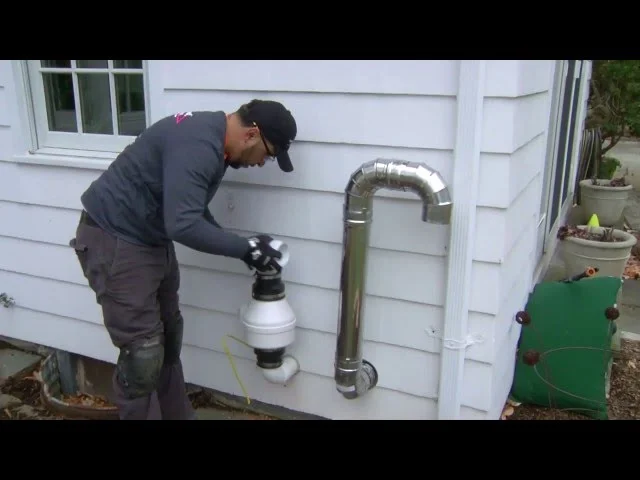
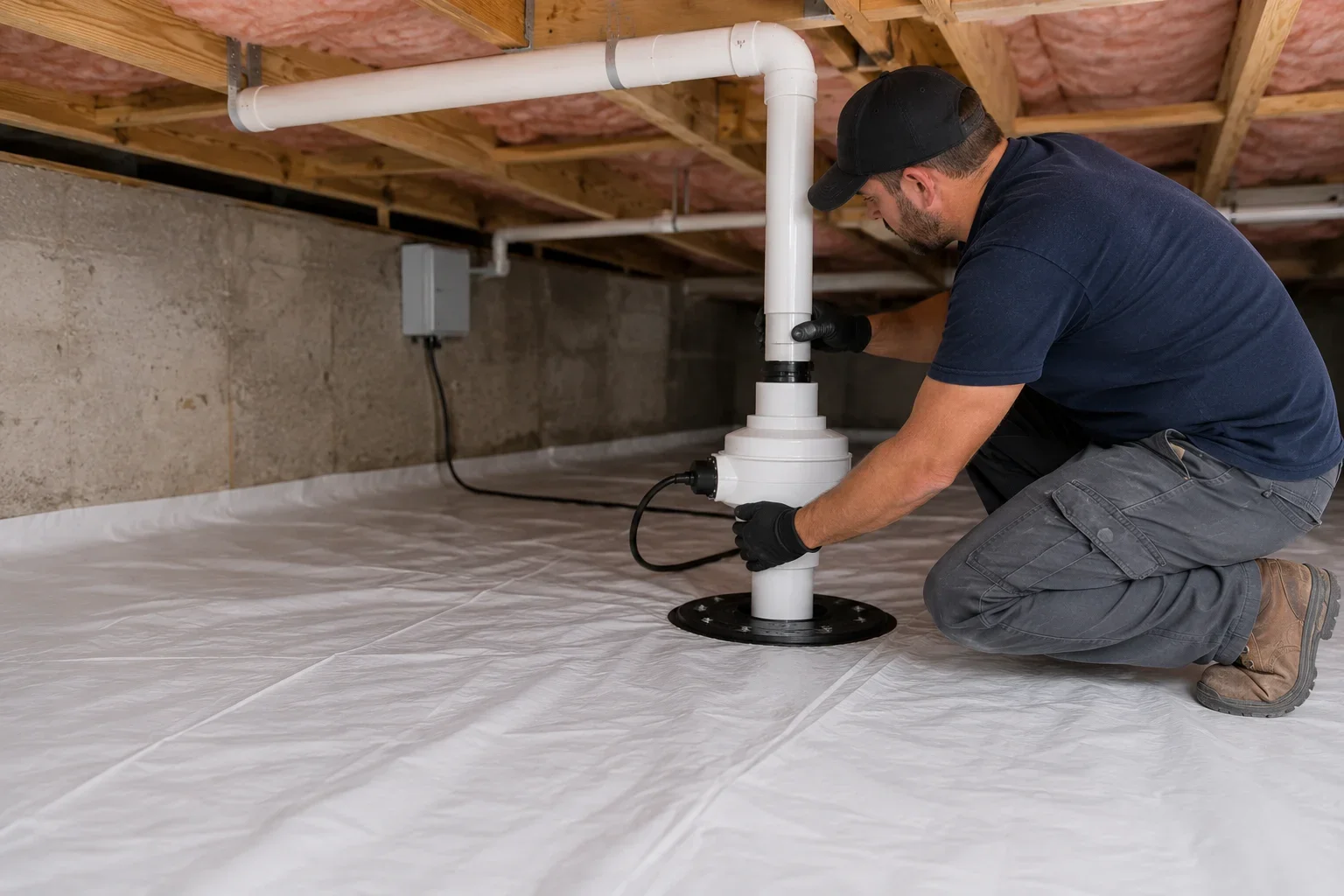
A professional radon system installation in Central New York introduces a dedicated inline exhaust fan and suction pit that depressurizes the dirt beneath the slab, venting vapors safely past the roofline before the stack effect can pull them inside.
Real Estate Transactions and Home Inspection Contingencies
Radon testing is standard protocol during real estate deals across New York State. Buyers who spot high readings during pre-purchase inspections almost always demand an active mitigation system before signing closing papers.
With a professional radon system installed, you can be sure the suction pit, PVC riser lines, and fan assembly will meet all local building codes. This will prevent delays during closing and protect the value of your property.
Conclusion
Mounting an active sub-slab depressurization system is the only reliable way to pull radioactive soil gas out from under the home before it builds up in the air. Addressing high test results quickly keeps winter pressure swings from driving dangerous decay products into the living space.
For homeowners across Onondaga County dealing with elevated test numbers, installing a certified Manlius radon mitigation system is a wise choice, as it gives a reliable, nonstop suction that keeps indoor air safe across every season