Sign up with Google
 Sign in with Zoho


Dark spots, patchy skin and marks left behind by pimples can make anyone feel low about their face. Many people try home remedies and creams from the market, but the marks often stay for months or even get darker. If you are looking for Pigmentation Treatment in Delhi, the first step is to understand why these marks appear and what really works. With the right care and a little patience, clearer and more even-toned skin is possible.
Why Pigmentation Happens?
Pigmentation happens when your skin makes too much melanin, the natural colour that gives skin its shade. This extra colour collects in some areas and forms dark patches or spots. The common reasons are:
- Too much sun exposure
- Hormonal changes, including pregnancy and PCOS
- Melasma on the cheeks, forehead and upper lip
- Skin injury, rashes or picking at pimples
- Some medicines and harsh skin products
In India, strong sun and pollution make the problem worse. Indian skin also tends to develop dark marks quickly after any irritation, so early care is important.
Why Acne Scars Form?
When a pimple goes deep into the skin, it can damage the tissue below. While healing, the body sometimes makes too little or too much tissue, and this leaves a scar. Acne marks are mainly of three types:
- Pitted scars: small holes or dents in the skin
- Raised scars: thick, lumpy marks, often on the jaw, chest or back
- Dark flat marks: these are not true scars, but they stay long after the pimple is gone
Squeezing or popping pimples at home increases the chance of scarring, so it is best to avoid it.
Treatment Options for Pigmentation
The right treatment depends on your skin type, the depth of the pigment and its cause. A dermatologist may suggest:
- Chemical peels: gentle peels remove the top layer of dull skin and lighten dark spots slowly.
- Laser toning: this helps break down extra pigment and improves skin tone over several sessions.
- Medical creams: prescribed creams with ingredients like vitamin C, niacinamide or azelaic acid can lighten spots when used correctly.
- Sun protection: without daily sunscreen, pigmentation can come back even after treatment.
Please do not use strong fairness creams or steroid creams without a doctor's advice. They can thin the skin and make pigmentation worse in the long run.
Treatment Options for Acne Scars
Different scars need different methods, which is why a proper skin check is important. Many people choose Acne Scar Treatment in Delhi at a trusted skin clinic, where options can be matched to the scar type. Some common options are:
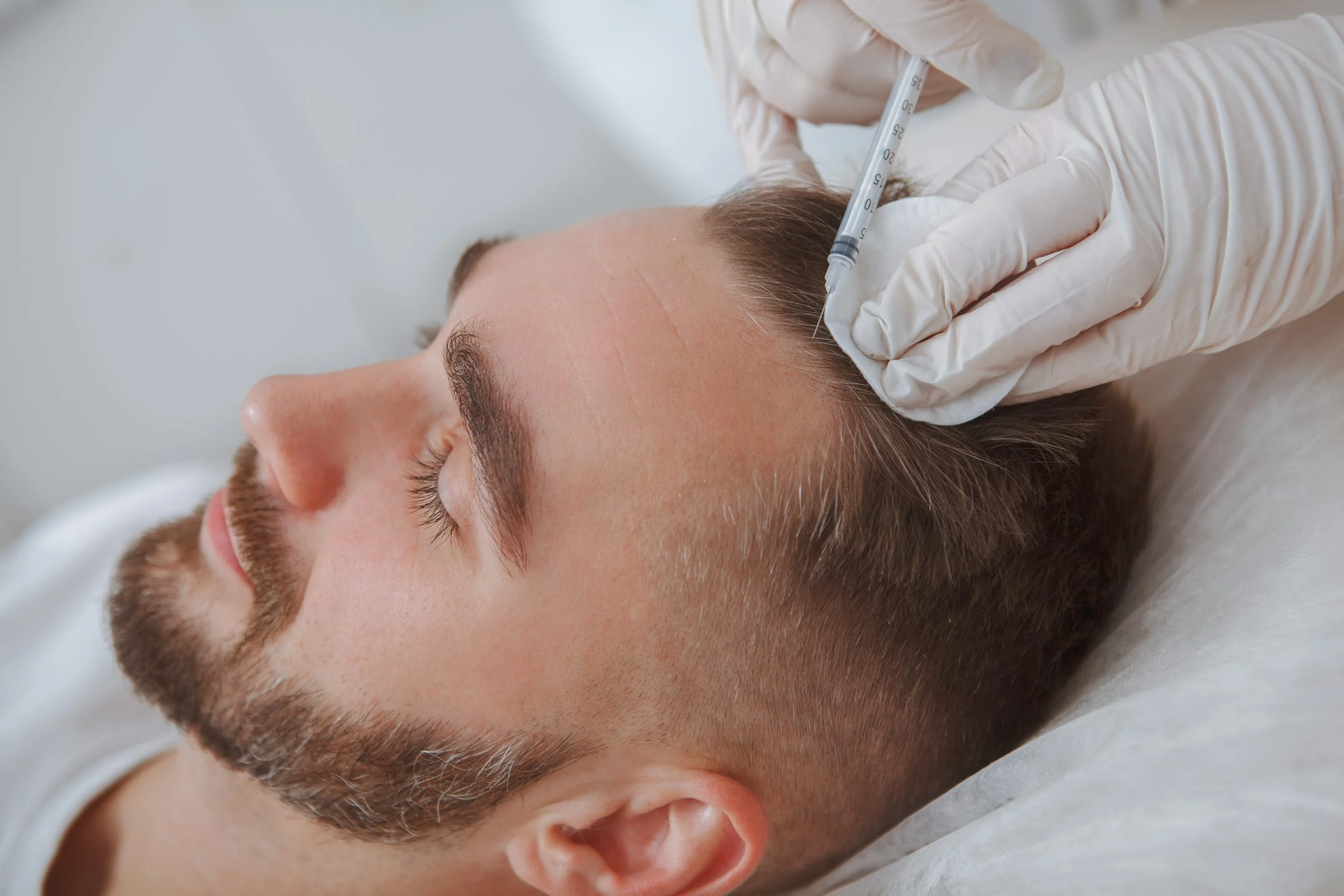
- Microneedling: tiny needles create small channels in the skin and help it make fresh collagen, which softens shallow scars.
- Fractional laser: this smooths the skin surface and improves pitted scars.
- Subcision: a simple procedure that releases deep scars pulling the skin downwards.
- PRP therapy: your own blood plasma is used to support skin healing and renewal.
Most scars need more than one session, spaced a few weeks apart. Results come slowly, so a little patience goes a long way.
Simple Daily Habits That Help
Treatment works best when you also take care of your skin at home. Try these easy habits:
- Apply sunscreen of SPF 30 or higher every morning, even on cloudy days.
- Wash your face gently twice a day with a mild cleanser.
- Use a light moisturiser to keep your skin healthy.
- Avoid scrubbing hard or using rough home scrubs.
- Never pick or squeeze pimples.
- Drink enough water and sleep well.
Why Does the Right Doctor Matters?
Skin problems may look the same from outside, but the cause can be very different. Treating the wrong cause wastes time and money. At Citrine Clinic, Dr. Niti Gaur looks at your skin type, your history and your daily routine before suggesting any plan. This careful approach is important for Pigmentation Treatment in Delhi, because the sun, pollution and weather in the city affect how skin responds to treatment. A clear plan, honest talk about results and proper follow-up make the whole journey easier.
When Should You See a Skin Doctor?
Meet a dermatologist if your dark patches are spreading, if marks have not improved in a few months, or if scars are making you feel less confident. Early treatment usually gives better and faster results.
Conclusion
Pigmentation and acne scars are very common, and they are treatable. The key is to understand the cause, avoid quick-fix products and follow a plan made for your skin. Daily sunscreen, gentle care and the right procedures can improve your skin tone step by step. If you want a proper plan for Acne Scar Treatment in Delhi, you can visit Citrine Clinic and meet Dr. Niti Gaur. With the right guidance, clear and even-toned skin is a goal you can reach.








.webp)