
 Sign up with Google
 Sign in with Zoho


Every growing business reaches a stage where managing finance, inventory, sales, purchasing, and customer information through separate systems becomes difficult. This is where SAP Enterprise Resource Planning (ERP) software helps by bringing all business operations together on one platform. However, one of the most common questions businesses ask is about the SAP ERP software price in India.
The answer is not always straightforward because the total cost depends on your business size, the number of users, the modules you need, and the way the software is deployed. Understanding these factors can help you make a better investment decision.
What is SAP ERP Software?
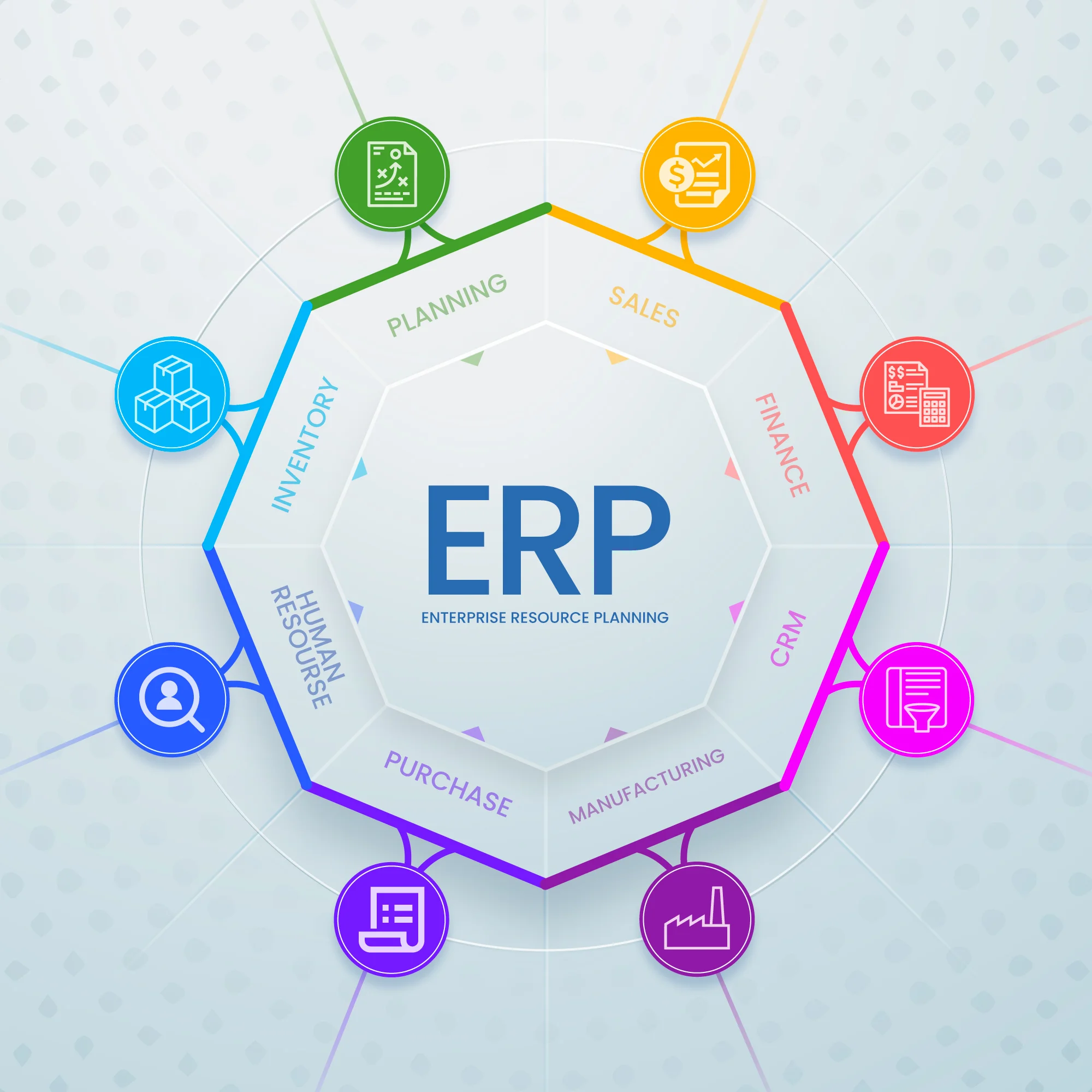
SAP ERP software is a business management system that connects different departments through a single platform. Rather than using separate software for finance, inventory, purchasing, sales, and reporting, businesses can manage everything in one place.
Companies across manufacturing, retail, wholesale, pharmaceuticals, automotive, and service industries use SAP ERP to improve efficiency and make informed business decisions.
Why Businesses in India Choose SAP ERP
Many Indian businesses are expanding rapidly and require systems that can support future growth. SAP ERP offers several benefits, including:
- Better visibility into business operations
- Improved inventory management
- Faster financial reporting
- Better customer service
- Reduced manual work
- Real time business insights
- Easier compliance with business regulations
These advantages make SAP a preferred solution for organisations looking to modernise their operations.
What Affects the SAP ERP Software Price in India?
There is no fixed cost for every business. The SAP ERP software price in India depends on several important factors.
Business Size
A small business with limited users has different requirements than a large enterprise with multiple departments and branches. Larger organisations usually require additional modules, more users, and advanced features, which increase the overall investment.
Number of Users
SAP licensing is often based on the number and type of users. Businesses with more employees accessing the system will generally require additional licences.
Required Modules
Companies only pay for the modules they need. Some businesses may only require finance and inventory, while others may also need manufacturing, sales, procurement, customer relationship management, warehouse management, or human resources.
Deployment Method
Businesses can choose between cloud based solutions and on premises installations.
Cloud solutions usually involve subscription based pricing with lower upfront costs. On premises solutions require investment in servers, infrastructure, and maintenance.
Customisation
Every business has unique processes. Some organisations require customised workflows, reports, approvals, or integrations with existing software. Greater customisation often increases implementation costs.
Implementation Services
The software itself is only one part of the investment. Implementation includes planning, configuration, data migration, testing, employee training, and ongoing support.
Working with an experienced ERP solutions company can help ensure a smooth implementation while reducing unnecessary delays.
Additional Costs to Consider
Apart from software licensing, businesses should also consider other expenses such as:
- Implementation services
- Employee training
- Data migration
- Software integration
- Annual maintenance
- Technical support
- Future upgrades
Understanding these costs helps businesses prepare a realistic budget.
Why Choosing the Right ERP Solutions Company Matters
The success of an ERP project depends not only on the software but also on the implementation partner. An experienced ERP solutions company understands industry specific requirements and can recommend the most suitable solution.
A reliable implementation partner can help with:
- Business process analysis
- Software selection
- System configuration
- Data migration
- User training
- Technical support
- Future system upgrades
Their expertise helps businesses achieve quicker implementation and better returns on investment.
Is SAP ERP Worth the Investment?
Even though the initial investment may appear significant, many businesses find that SAP ERP delivers long term value.
Benefits often include:
- Improved productivity
- Better inventory control
- Faster decision making
- Reduced operational costs
- Fewer manual errors
- Improved customer satisfaction
- Better business planning
These improvements can lead to higher efficiency and stronger business growth over time.
Tips Before Investing in SAP ERP
Before making a decision, businesses should carefully evaluate their requirements.
Consider the following:
- Define your business goals clearly.
- Identify the departments that will use the system.
- Estimate future business growth.
- Compare cloud and on premises options.
- Choose a trusted ERP solutions company.
- Request a detailed implementation proposal.
- Understand ongoing support and maintenance costs.
Planning carefully before implementation helps businesses avoid unexpected expenses later.
Final Thoughts
Understanding the SAP ERP software price in India involves looking beyond the software licence alone. Factors such as business size, required features, deployment model, implementation services, and ongoing support all contribute to the overall investment.
Rather than focusing only on the initial cost, businesses should consider the long term value that SAP ERP can deliver through improved efficiency, better reporting, and streamlined operations. Partnering with an experienced ERP solutions company also plays a critical role in ensuring successful implementation and maximum return on investment.
For businesses planning digital transformation, SAP ERP remains one of the most reliable solutions for supporting sustainable growth and improving operational performance.










.webp)