Sign up with Google
 Sign in with Zoho

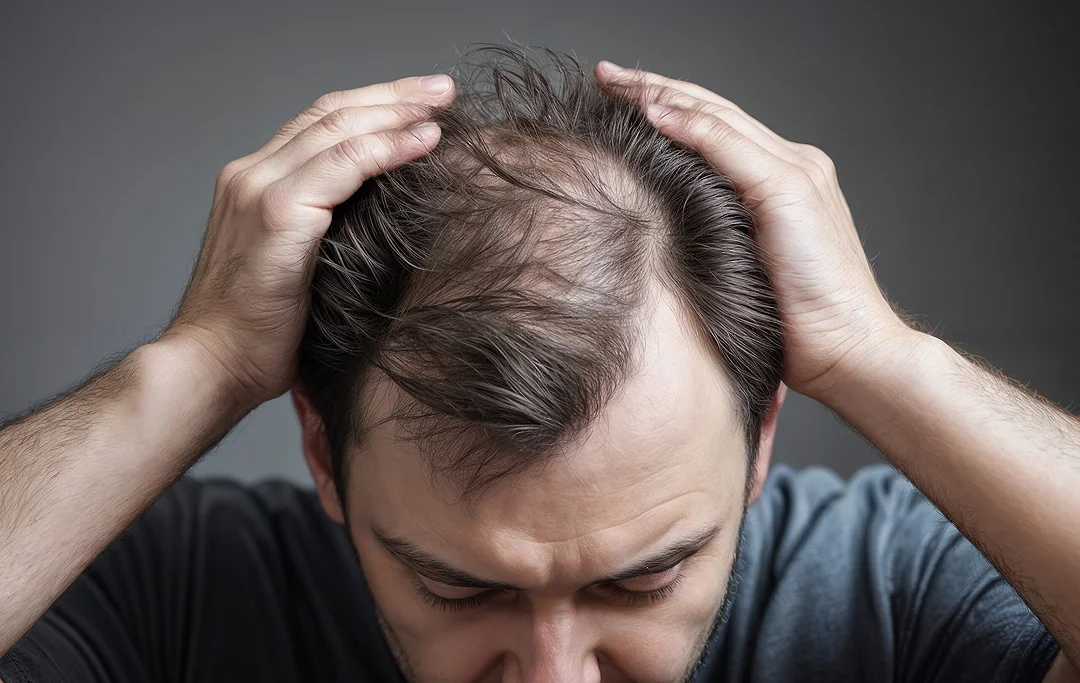
Almost everyone loses some hair, but when the loss does not stop, it starts to affect how you feel. Some people avoid photos. Some change their hairstyle to hide thin patches. Others stop going out because they feel less confident. The good news is that hair loss can be treated, and the first step is to understand what is going on.
Their stories are common. Hair loss affects men and women of all ages in India, and most people wait too long before getting proper advice. Here are seven simple things to know before you decide on any treatment.
1. First Find the Reason for Your Hair Loss
Hair does not fall for just one reason. It can be family history, low iron, low vitamin D or B12, thyroid problems, PCOS, stress, or even a bad fever a few months ago.
If the cause is not found, even the best treatment may not give lasting results. That is why a proper check-up should come before any procedure.
2. A Transplant Is Not for Everyone
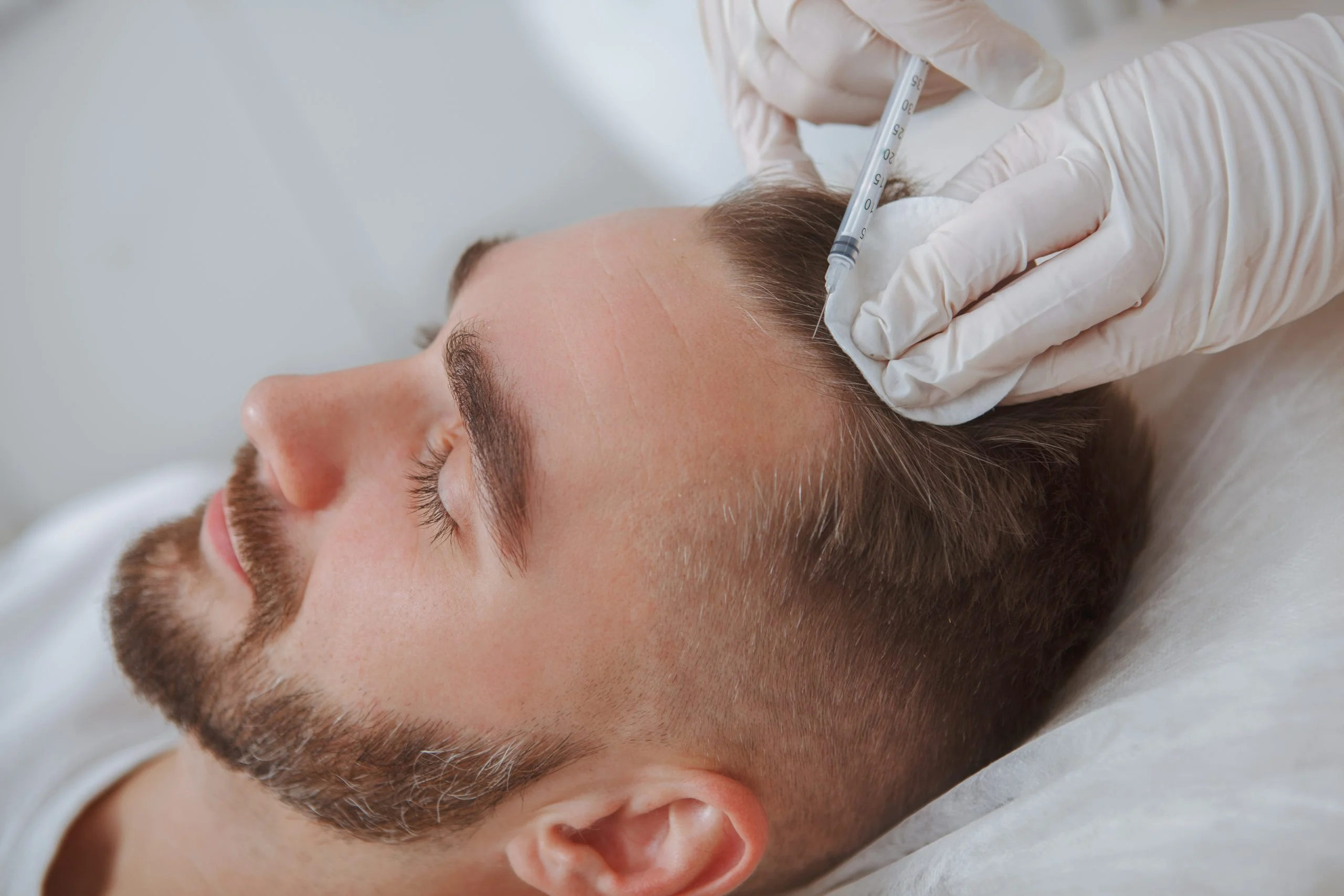
Many people think a transplant is the answer to all hair problems. It is not. Some people get good results with medicines, supplements, or scalp treatments. A transplant works best when:
- You have enough healthy hair at the back and sides of your head
- Your hair loss has slowed down or become stable
- Your health is good
- Your expectations are realistic
A good doctor will tell you honestly if you do not need surgery yet.
3. Know How a Hair Transplant Works
In a transplant, healthy hair roots are taken from the back of your scalp and placed in the thin or bald area. The hair at the back is not affected by baldness, so the new hair can keep growing for many years.
Today, many people look for a Hair Transplant in Gurgaon because the city has many clinics and experienced doctors. But having many options also makes it harder to choose. So take your time and learn the basics first.
4. Understand What FUE Means
FUE stands for Follicular Unit Extraction. The doctor takes hair roots one by one from the donor area with a very fine tool. Then each root is placed into a tiny opening in the thin area.
Here is why many patients prefer FUE Hair Transplant in Gurgaon:
- No long cut at the back of the head
- No stitches
- Small marks that heal quickly and are usually hidden by hair
- Easier recovery in most cases
- A hairline that can be designed to look natural
The procedure is done under local anaesthesia, so you do not feel pain. It can take several hours depending on how many grafts you need, and most people go home the same day.
5. Choose the Doctor, Not Just the Offer
This is the most important point. A hair transplant is a medical procedure, not a salon service. The hairline design, the number of grafts, and the angle of every hair need careful planning. If this goes wrong, the result can look patchy or unnatural, and it is hard to fix.
Do not choose a clinic only because of discounts, big banners, or social media videos. Instead, ask these questions:
- Why am I losing hair?
- Am I a good candidate for a transplant?
- How many grafts will I need?
- Who will actually do the procedure?
- What result can I realistically expect?
Be careful if anyone promises 100 percent results or asks you to decide in a hurry.
Many women also feel more comfortable discussing hair loss with a female doctor. If you are searching for the Best Female Dermatologist in Gurgaon, you can meet Dr. Niti Gaur at Citrine Clinic. She first looks at the cause of your hair or skin problem, and then explains the options that suit you, whether it is medicine, a hair treatment, or a transplant.
6. Be Ready for the Recovery Journey
Hair growth after a transplant takes time, so patience is important. Here is what usually happens:
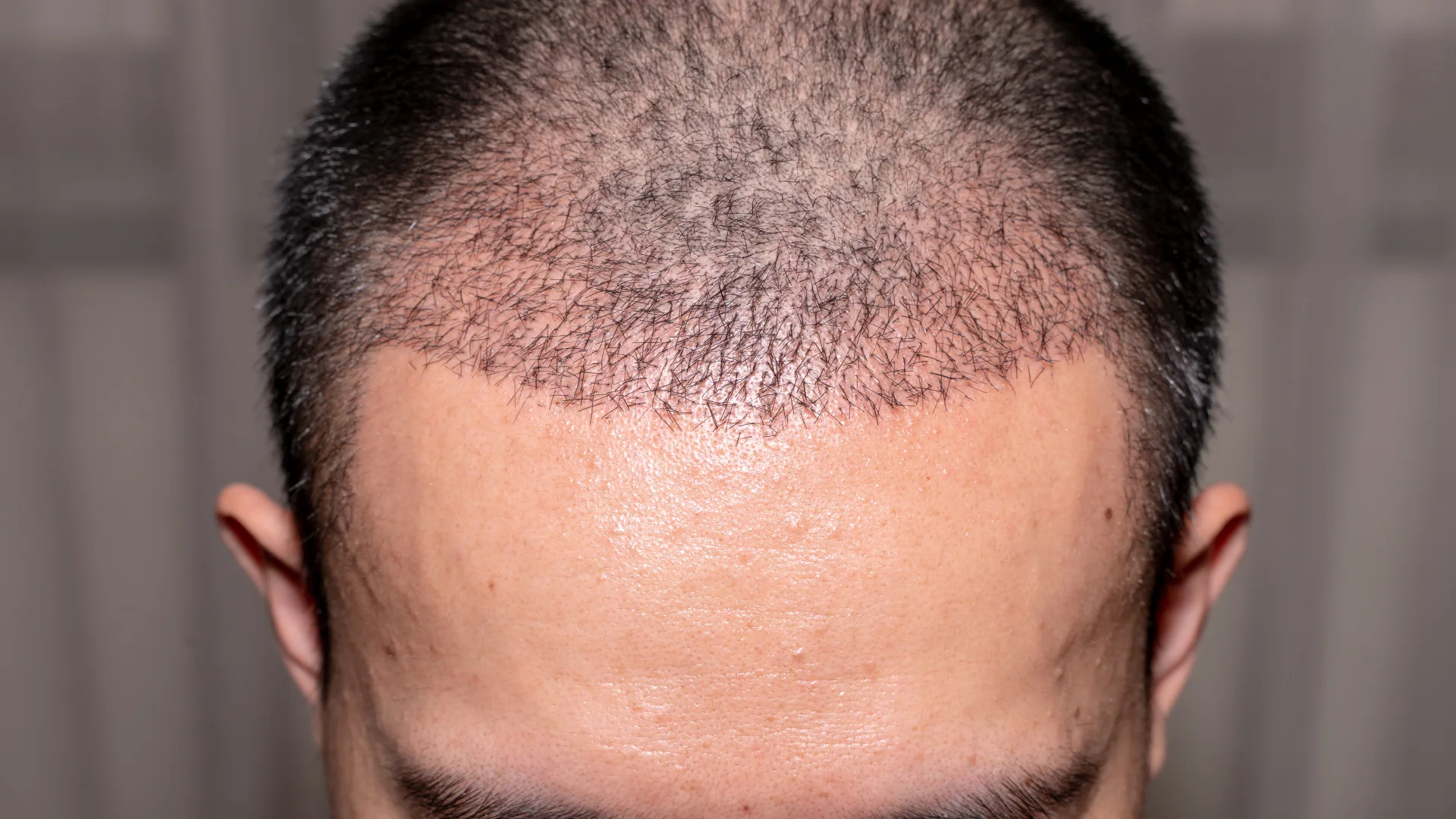
- First week: Small scabs and mild redness. This is normal.
- 2 to 4 weeks: The transplanted hair may fall out. Do not panic. The roots stay under the skin.
- 3 to 4 months: New hair slowly starts to grow.
- 9 to 12 months: You can see the full result.
To help healing, follow the care routine your doctor gives you. Avoid scratching the area, stay away from dust and strong sun, and take your medicines on time. Smoking and alcohol can slow healing, so ask your doctor how long you should avoid them.
7. Aftercare Matters as Much as the Procedure
A transplant does not stop hair loss in the rest of your scalp. Your natural hair can still thin with age. That is why follow-up visits, a healthy diet, good sleep, and proper hair care are still needed after the procedure.
Eat enough protein, include green vegetables, dal, eggs, nuts, or paneer in your meals, and ask your doctor if you need any supplements. Do not start tablets or hair products on your own.
Common Myths About Hair Transplant
Myth: The new hair will fall out again. The transplanted hair is taken from areas that resist baldness, so it usually lasts for a long time.
Myth: Only men can get a transplant. Women can also be candidates, depending on their type of hair loss.
Myth: It is very painful. The area is numbed, so you should not feel pain during the procedure.
Final Words
Hair loss can affect your confidence, but it is not something you have to live with quietly. Find out the cause, ask questions, and choose a doctor who listens and explains things clearly. When the treatment is right for you, the result can be very satisfying.