Sign up with Google
 Sign in with Zoho

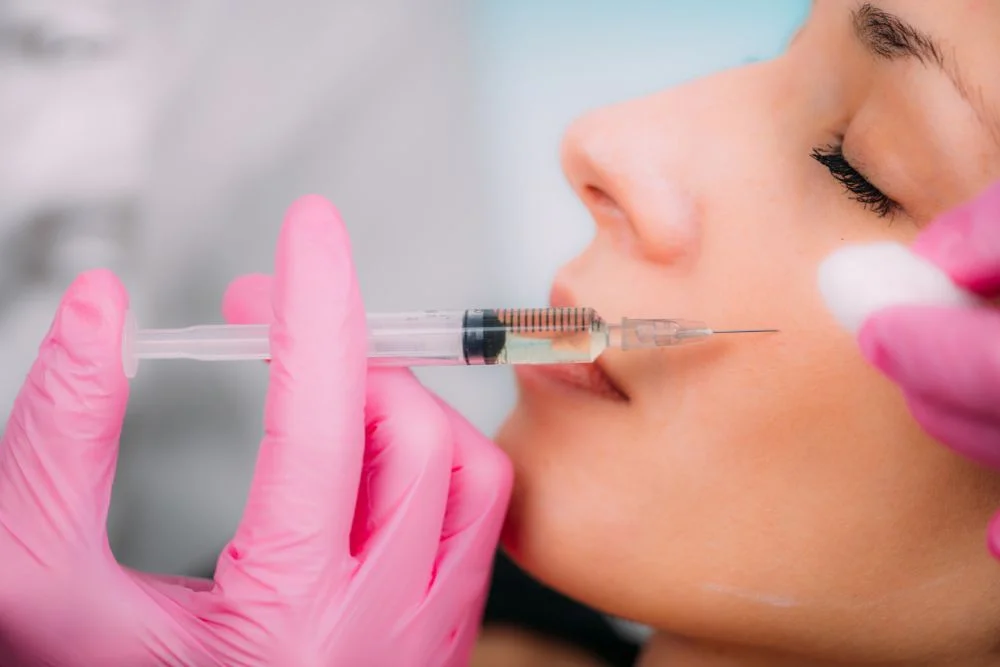
Many of us look in the mirror and notice tired eyes, thin lips, dull skin, or old pimple marks. Dust, heat, pollution, and stress in Delhi NCR do not make it easier. The good news is that there are safe, doctor-led treatments that can help your skin look fresh again, without looking “done.”
Two of the most common ones are dermal fillers and skin resurfacing. This blog explains both in simple words, so you can understand which one may suit you.
Why does skin change with time?
After the age of 25 or 30, our skin makes less collagen. Collagen is the natural support that keeps skin firm and smooth. Fat in the face also shifts with age, which can cause hollow cheeks, deep smile lines, and a tired look. Sun tan, acne, and pollution add to the problem with dark spots, rough texture, and scars.
Different problems need different treatments, so it helps to know what each one does.
What are dermal fillers?
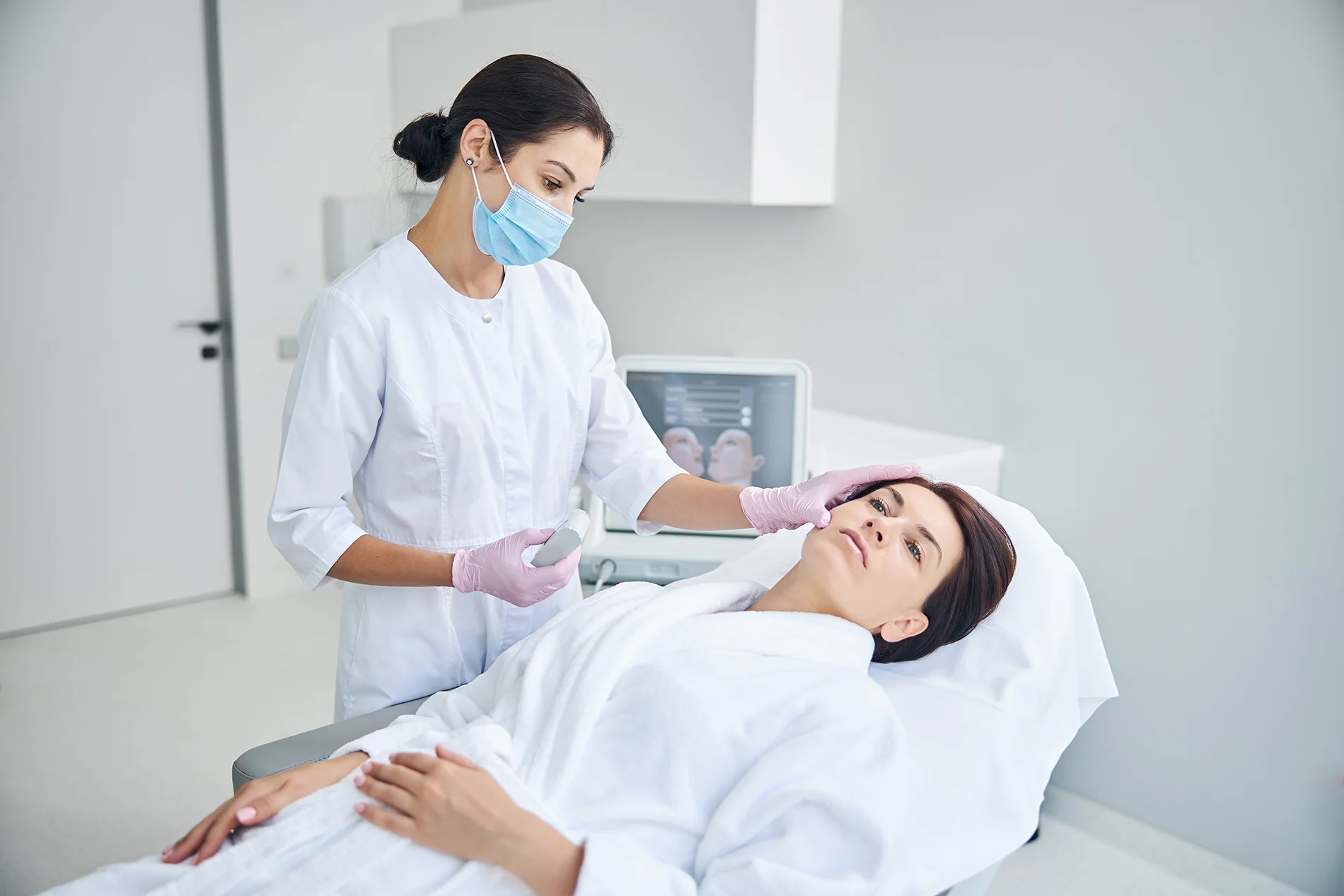
Dermal fillers are soft gels, usually made of hyaluronic acid, which a doctor places under the skin with a very fine needle. Our body already makes hyaluronic acid, so most people accept it well. Fillers can help to:
- Add volume to cheeks and under the eyes
- Soften deep lines around the nose and mouth
- Shape the lips and define the jawline
- Give the face a fresher look
Many people who search for Dermal Fillers Treatment in Gurgaon worry about looking “plastic” or overdone. This usually happens when too much filler is used or the face is not studied properly. A good doctor uses small amounts, keeps your natural features, and focuses on balance.
The treatment takes around 30 to 45 minutes, and most people return to their routine the same day or the next day. Results usually last 6 to 18 months, depending on the product and the area treated.
What is skin resurfacing?
Skin resurfacing works in a different way. It does not add volume. It improves the top layers of your skin and helps it renew itself. It is often used for acne scars, uneven texture, open pores, sun damage, dark spots, and fine lines. Depending on your skin, the doctor may use lasers, chemical peels, or microneedling.
If you are looking for Skin Resurfacing Treatment in Gurgaon, there is one thing Indian patients should know. Our skin has more melanin, so a wrong machine or wrong settings can leave dark patches after the treatment. This is why the doctor’s experience with Indian skin matters so much.
Downtime depends on the method. Gentle treatments may cause mild redness for a day or two. Deeper treatments can cause peeling and redness for about a week. Most people need more than one session, with a gap of a few weeks in between.
Fillers or resurfacing: which one do you need?
A simple way to think about it:
- If the problem is loss of volume (hollow cheeks, deep lines, thin lips), fillers are usually the answer.
- If the problem is on the surface (scars, rough texture, pigmentation, dull skin), resurfacing is more suitable.
Some people need both, done in the right order and at the right time. Only a proper skin check can tell you this, so please do not decide based on social media photos or a friend’s result. Every face is different.
How to choose the right doctor
Many people search for the Best Skin Doctor in Gurgaon before booking any treatment. That is a good start, but the right doctor for you is the one who listens, checks your skin carefully, and explains things honestly. Before you decide, ask yourself:
- Is the doctor a qualified dermatologist?
- Will the doctor personally do the treatment?
- Are the products and machines original and approved?
- Can I see real before-and-after photos?
- Does the doctor talk about side effects and limits, not only benefits?
Be careful if someone promises 100 percent results or says yes to everything. No honest doctor can do that.
At Citrine Clinic, Dr. Niti Gaur first understands your skin and your concerns, and then explains the plan in simple words. The focus is on natural-looking results, so you look like yourself, only fresher.
Simple care after the treatment
- After fillers: Do not rub or press the treated area. Avoid heavy exercise, sauna, and alcohol for a day or two, or as your doctor advises.
- After resurfacing: Use sunscreen every day, keep your skin moisturised, and never pick at peeling skin.
- For both: Stay away from direct sun, use only the products your doctor suggests, and come for follow-up visits.
Mild swelling, redness, or a small bruise can happen and usually settles in a few days. If you notice severe pain, a lot of swelling, or a change in skin colour, contact your doctor right away.
A few good questions to ask before you start
- Which treatment is right for my skin type and my problem?
- How many sessions will I need?
- How long will the results last?
- What is the total cost, and what does it include?
- What should I do if I face a problem after the treatment?
Do not hesitate to ask these. A good doctor will be happy to answer.
Final words
Good skin care is not about looking like someone else. It is about feeling confident in your own face. Whether your skin needs a little volume or a smoother surface, take your time, ask questions, and choose a doctor you trust. With the right advice and a careful approach, you can get results that look natural and last.